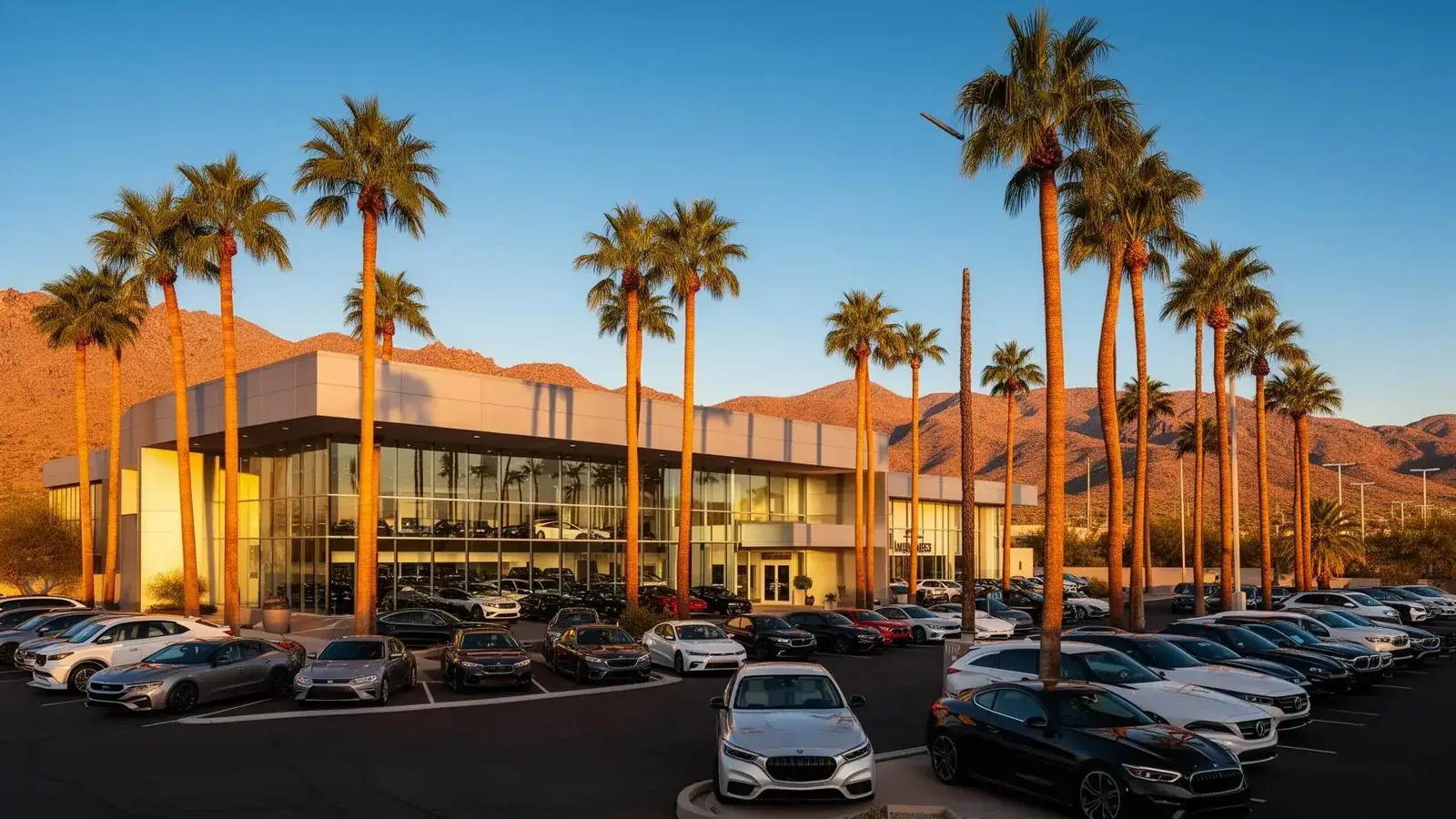
Coordinate dealership roof repairs and replacement around showroom hours, service-bay work, customer access, rooftop equipment, and repair documentation.
A dealership roof scope has to account for more than the showroom ceiling. Sales areas, service bays, parts storage, offices, and customer circulation can sit under different roof zones or additions. Start with the reported room and time, map it to the roof plan, and inspect nearby seams, drains, curbs, and wall transitions before naming a repair. The site manager should identify service-bay schedules, vehicle movement, customer entrances, delivery windows, and any space that cannot be closed during business hours. That planning gives the owner a repair boundary and a realistic work sequence, while separating roof findings from mechanical or interior conditions that require another trade.
Map showroom and service-bay conditions separately
Record whether a report came from a showroom, parts area, office, vehicle delivery bay, or repair stall. Note the date, weather, ceiling condition, and any recent HVAC or sign work. The visible water mark may sit away from a roof penetration because moisture can move along framing or insulation. Connect the interior location to the roof area above, then review adjacent drains, curbs, seams, parapets, and exterior wall details. If the dealership has multiple additions, compare the field assembly with drawings before assuming two adjacent spaces share one membrane. A repair recommendation should name the affected zone and explain what still needs testing.
Service bays introduce vehicle lifts, exhaust systems, doors, and equipment that can constrain work overhead or affect interior access. Ask the service manager which stalls need to remain open and whether a vehicle can be moved before a ceiling review. Keep tools and debris away from customer cars and parts inventory. If a lift must be used, confirm its route, bearing, clearance, and operator before delivery. A staging plan should not rely on blocking a customer lane or a fire path, and the crew should close overhead work areas before vehicles return beneath them.
COMMERCIAL ROOFING IN NORTH LAS VEGAS, NEVADA
Inspect rooftop curbs, signs, and penetrations
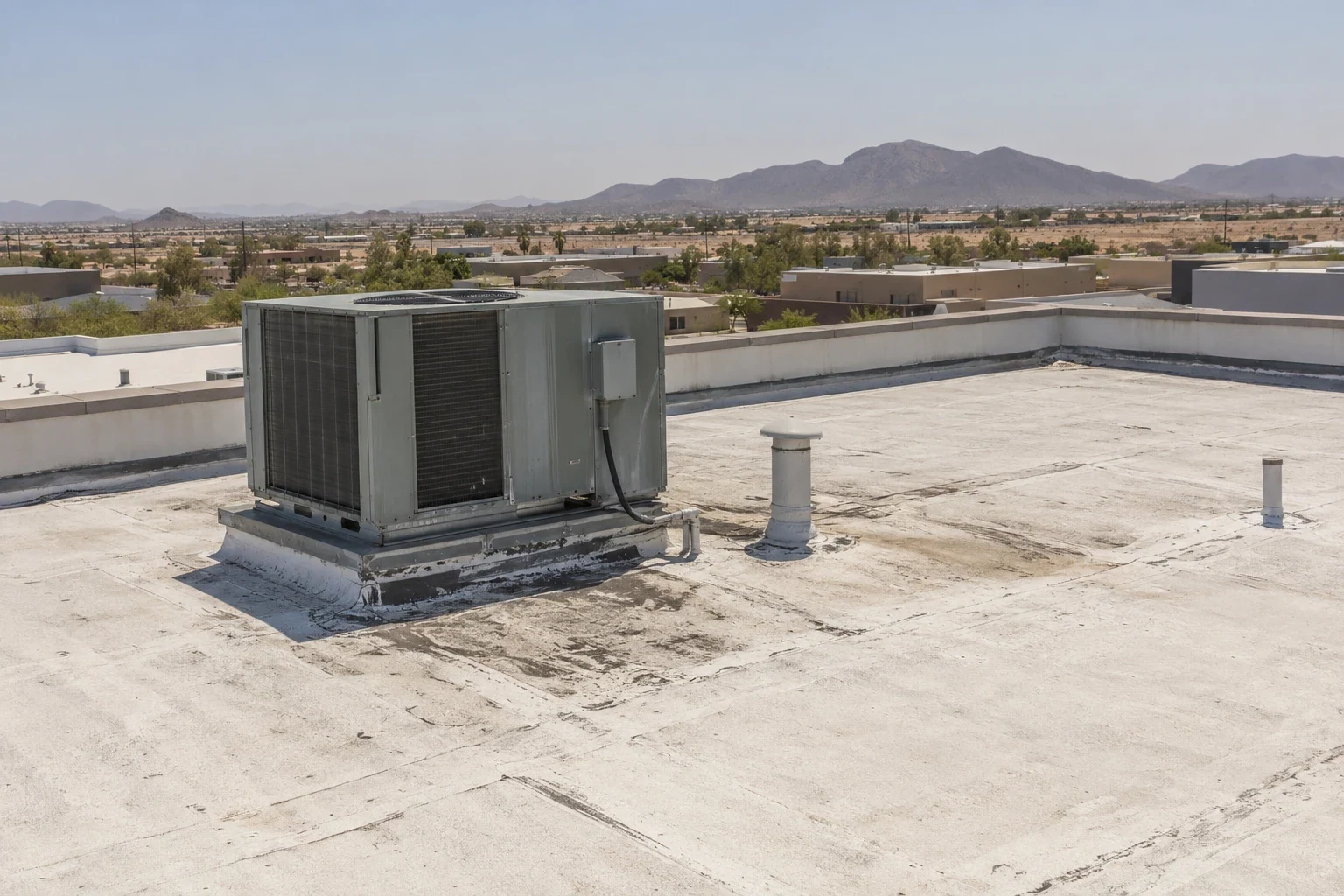
A dealership roof often contains mechanical units, exhaust, communications equipment, signage, and later additions. Label each observed curb, penetration, or support by roof zone and compare it with the available equipment schedule. Look for flashing separation, unsupported conduit, sealant failure, loose edge metal, and traffic damage, but do not infer the cause from a photograph alone. If a recent equipment change appears in the work history, coordinate with the installing trade to identify what changed and who owns any warranty. An inspection should show whether the roof detail itself is defective, whether the opening needs a compatible flashing repair, or whether additional access is necessary.
Schedule crews around public business operations
A showroom may be open to customers while service work begins early or continues beyond sales hours. Build the schedule from the dealership's actual operating calendar, not a generic assumption about quiet weekdays. Identify customer entrances, pedestrian paths, vehicle display areas, parts deliveries, service-bay doors, and emergency routes. State where materials and lifts will be staged and how daily access changes will be communicated. If noisy drilling or rooftop equipment disconnection is required, coordinate the task with the facilities and mechanical contacts. The project lead should record who can authorize a closure and when a schedule revision is needed.
A phased work plan should end each shift with a secure membrane boundary, dry interior, clear drive aisle, and locked roof access. Keep adhesive, open containers, debris, and fasteners under control around vehicles and customers. Explain the likely noise, odor, and duration by task without promising zero effect on business. If a temporary leak measure is necessary, identify the room protection, expected monitoring, and next permanent step. The dealership can then route customer questions to one contact instead of asking sales staff to interpret a roofing condition they have not reviewed.
Account for heat exposure without guessing at failure
The Las Vegas Valley is a hot desert region with seasonal monsoon storms and gusty wind, but regional climate context does not establish the condition of a dealership roof. Inspect surface chalking, membrane seams, flashing edges, drainage points, and movement joints by zone. A dark area may reflect dust, shadow, coating wear, or another condition; photograph it and compare nearby areas before assigning a cause. Where the assembly is unclear, review plans or use a controlled test after the owner approves the opening and restoration method. A proposal should identify what is confirmed, what remains uncertain, and whether the repair method matches the existing membrane and warranty requirements.
Interior heat complaints also need mechanical review. Check whether the issue follows HVAC operation, a new control setting, or a recent equipment change before attributing it to insulation or roof condition. If a cool-roof or coating option is proposed, verify substrate preparation, product compatibility, drainage, and manufacturer requirements. Present the expected scope and assumptions without guaranteeing a specific temperature reduction. The owner can compare coating, repair, and replacement when the baseline assembly, measured condition, and indoor operating factors are clear.
Compare repair and replacement by roof zone
A focused repair may be sufficient when the opening and repair boundary are visible, compatible, and isolated. Repeated seam failures, broad moisture evidence, or damaged insulation across adjacent zones call for a broader comparison. Identify tear-off or recover assumptions, decking allowances, insulation transitions, edge metal, rooftop units, sign supports, interior protection, debris disposal, and lift access. The commercial roof replacement scope should state which equipment is protected, disconnected, or excluded. Keep base work separate from alternates such as curb replacement or drainage changes so the owner can make a decision with transparent costs and schedule effects.
Use local planning labels as broad context
The Cheyenne Technology Corridor is a planning label on the city's 2006 framework map, a broad area name rather than an address. Before a project record uses any geography, confirm the parcel and jurisdiction from current sources. Showroom glass, service bays, canopies and rooftop units each carry their own roof details, so the scope comes from the owner's asset records and a walk of the roof, not from the district or from citywide retail sales figures.
Cheyenne Technology Corridor and North 5th Transit Corridor are 2006 planning labels, not dealership addresses. Validate the parcel, current rules, and owner approvals independently before scoping a project.
Close out and maintain a high-traffic roof
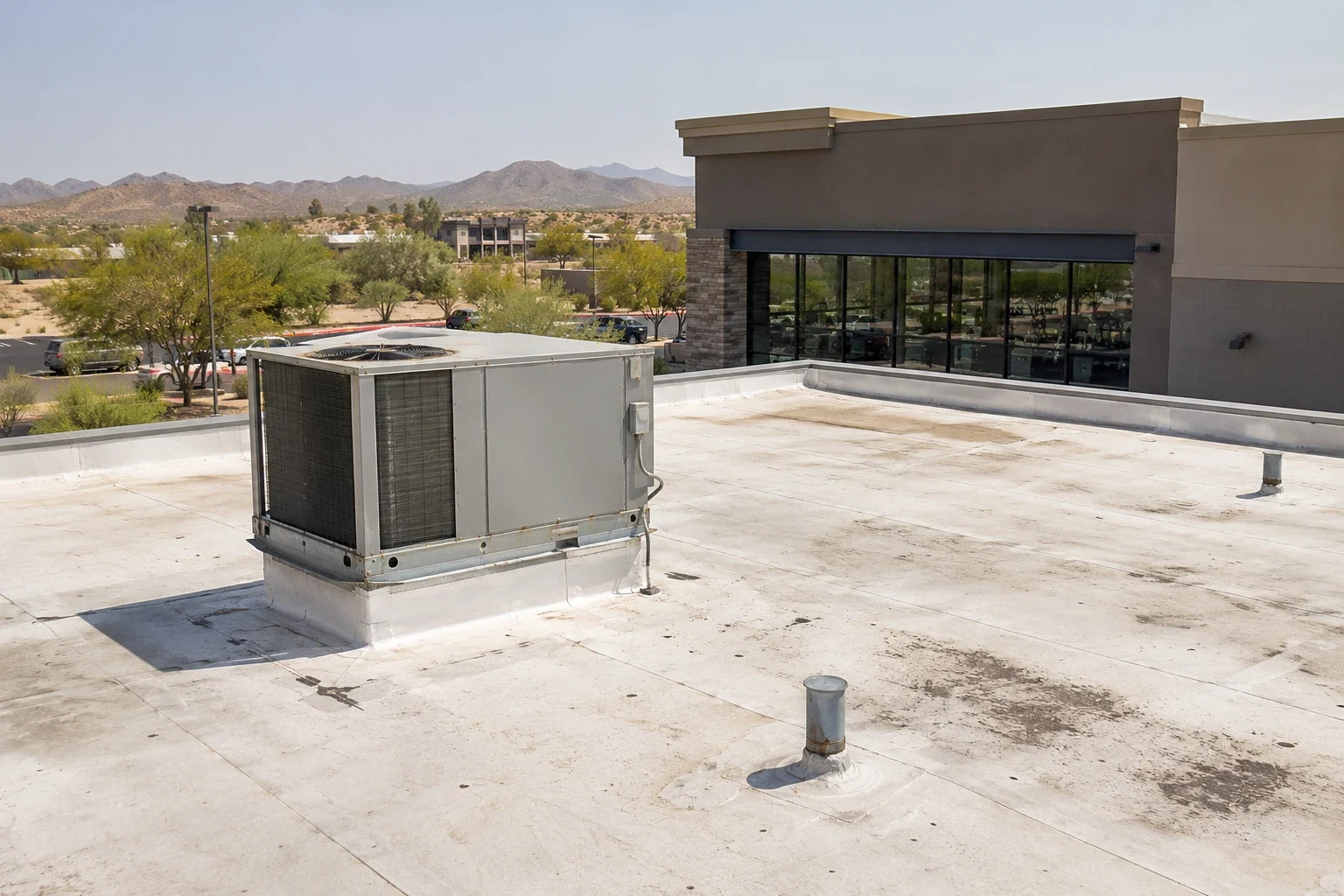
At closeout, confirm that rooftop walkways, drains, equipment clearances, and access paths are free of loose material. Provide a zone map of repairs, before-and-after photos, test results, product information, warranty terms, and a list of follow-up items. If a temporary repair remains, state its inspection date and what condition would require earlier review. A facilities lead should verify that access hatches are locked and no work affects rooftop equipment operation. The record should include what the crew did not inspect, so future contractors do not treat a limited visit as a full assessment of every dealership roof area.
The office roof record and warehouse plan may help separate zones. For inspection, leak repair, replacement, and local context, use commercial inspection, leak repair review, replacement scope, and Cheyenne Corridor.
Commercial Roofing Questions
Can roof work occur while the dealership stays open?
Often, with customer and vehicle paths, staging, noisy tasks, service-bay access, and work zones planned with the site manager. Some tasks may require a temporary closure.
Who should inspect a roof curb after HVAC work?
The roofing and mechanical scopes should coordinate. Review the curb flashing, equipment connection, and installer records, then assign any repair to the responsible trade.
Does summer heat mean the membrane needs replacement?
No. Heat is regional context, not a diagnosis. Inspect the assembly and document seams, flashing, moisture, and substrate before comparing repair and replacement.
What should a dealership provide before a roof visit?
Share roof drawings, leak reports, equipment and sign changes, access rules, operating hours, and any brand or vendor standards that apply to the property.
More Roofing Detail
Define the roof decision and access window
Share roof plans, reported conditions, repair history, access rules, and operating constraints so the inspection can answer a defined question.