
TPO Roofing
TPO roofing in North Las Vegas, NV: seam welds, attachment, insulation, and drainage checks for white single-ply membranes on warehouse and commercial roofs.
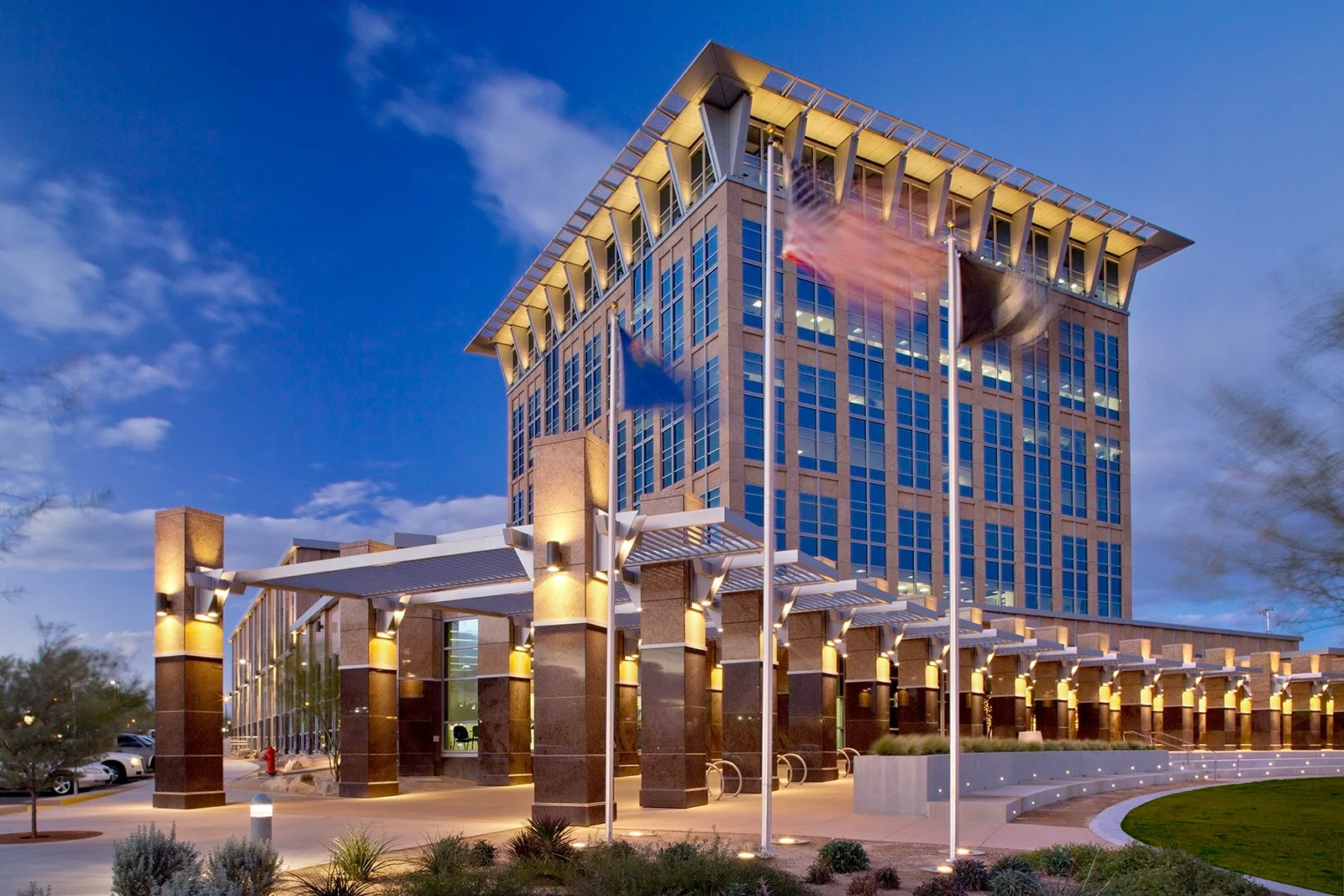
The roof system on a building decides how heat, wind and water are handled long before anyone climbs a ladder. A white single-ply sheet, a granulated bitumen cap and a coated metal panel each reflect heat, shed water and fail in their own way. Choosing among them in North Las Vegas, NV starts with what the existing assembly shows and what the building does under it.
Select a page for scope, materials and local conditions.
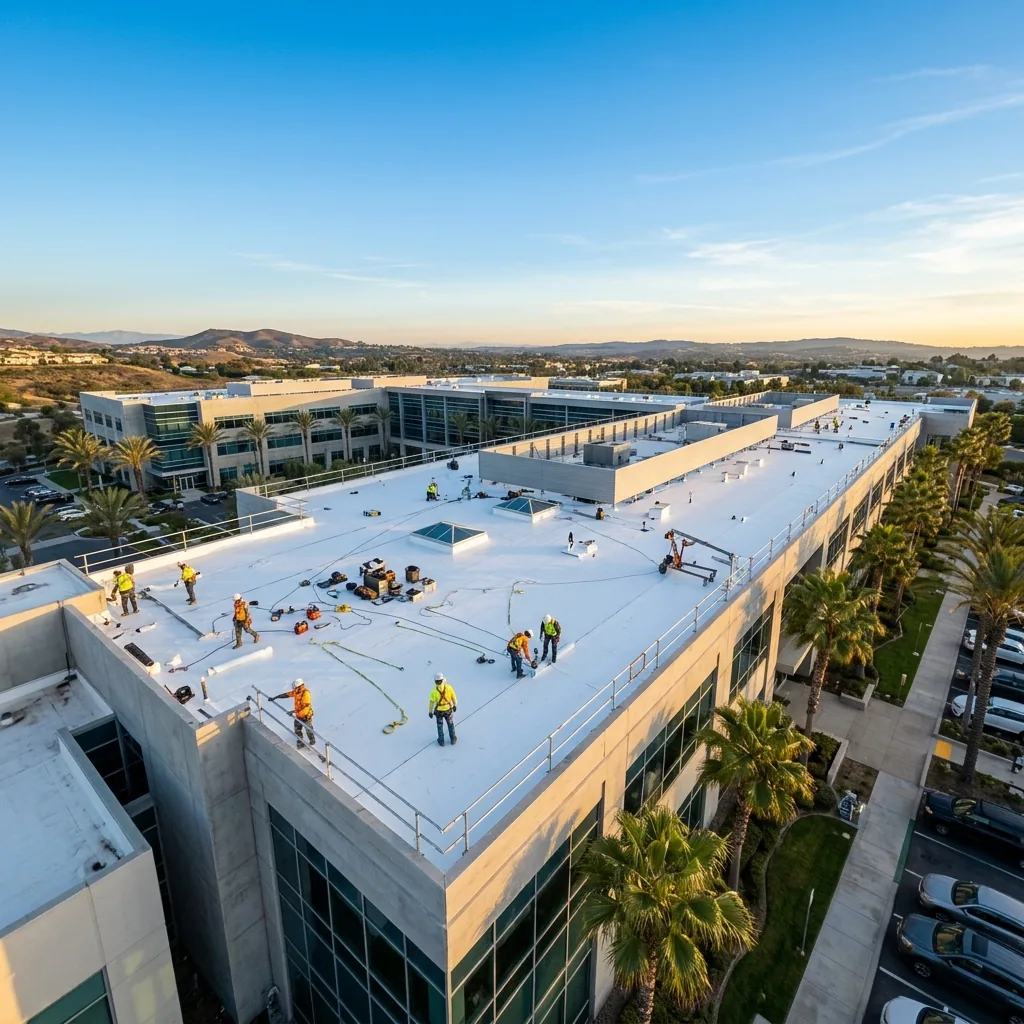
TPO roofing in North Las Vegas, NV: seam welds, attachment, insulation, and drainage checks for white single-ply membranes on warehouse and commercial roofs.
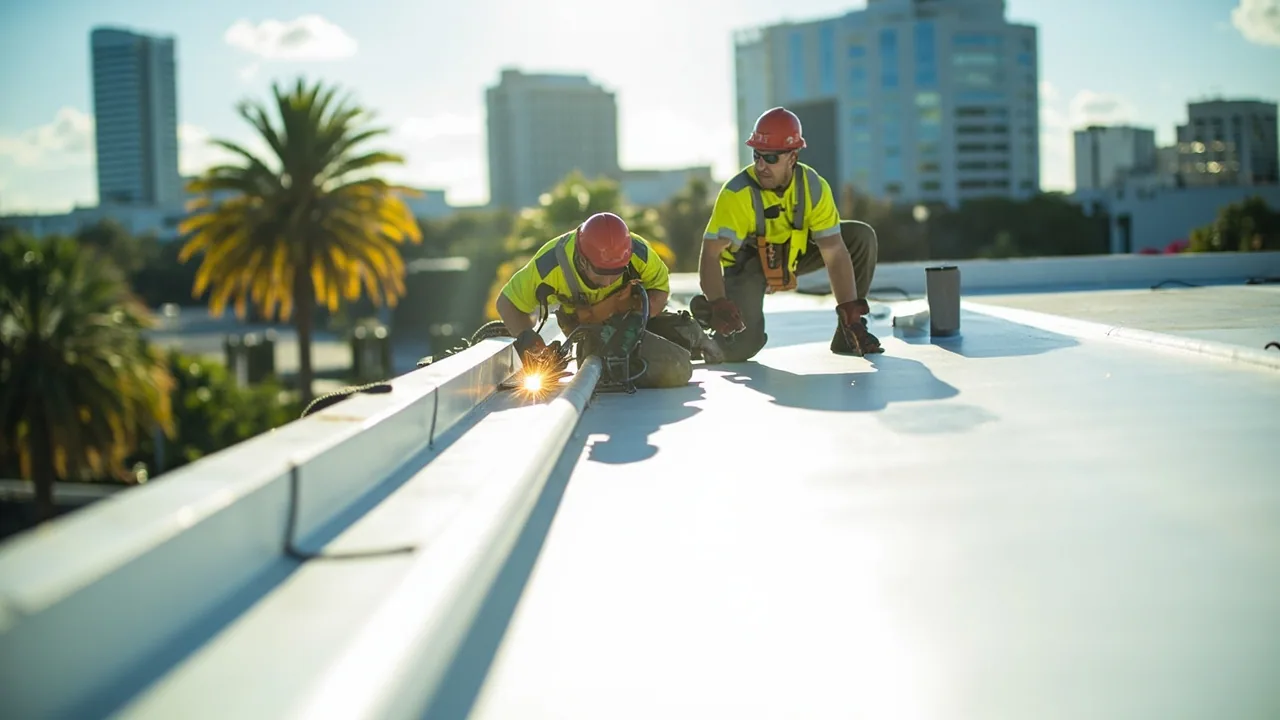
PVC roofing in North Las Vegas, NV: welded seams, grease and chemical exposure, plasticizer wear, and repair methods for aged thermoplastic membranes.
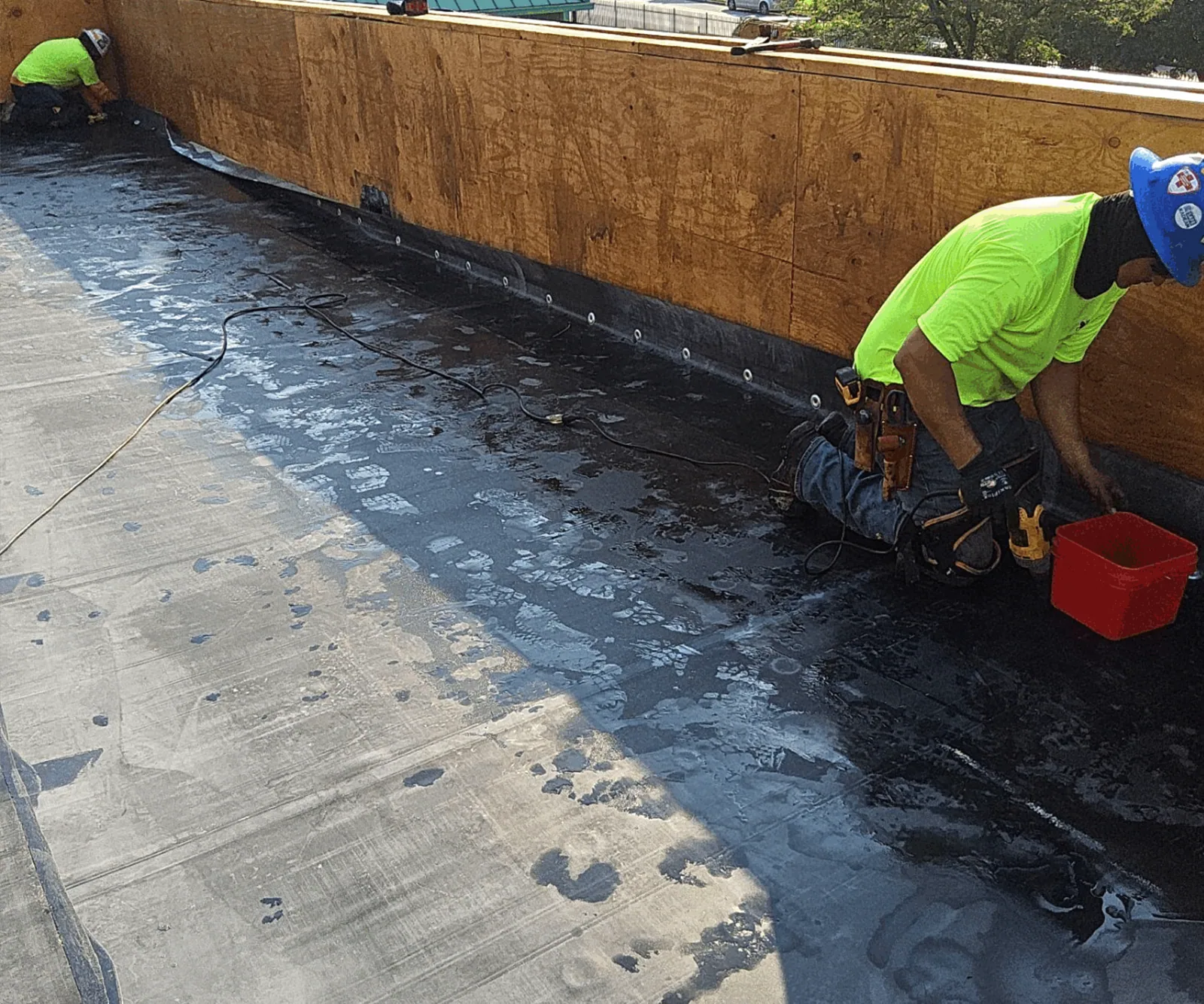
EPDM roofing in North Las Vegas, NV: rubber membrane seams, flashing shrinkage, heat and UV wear, punctures, and repair or coating decisions.
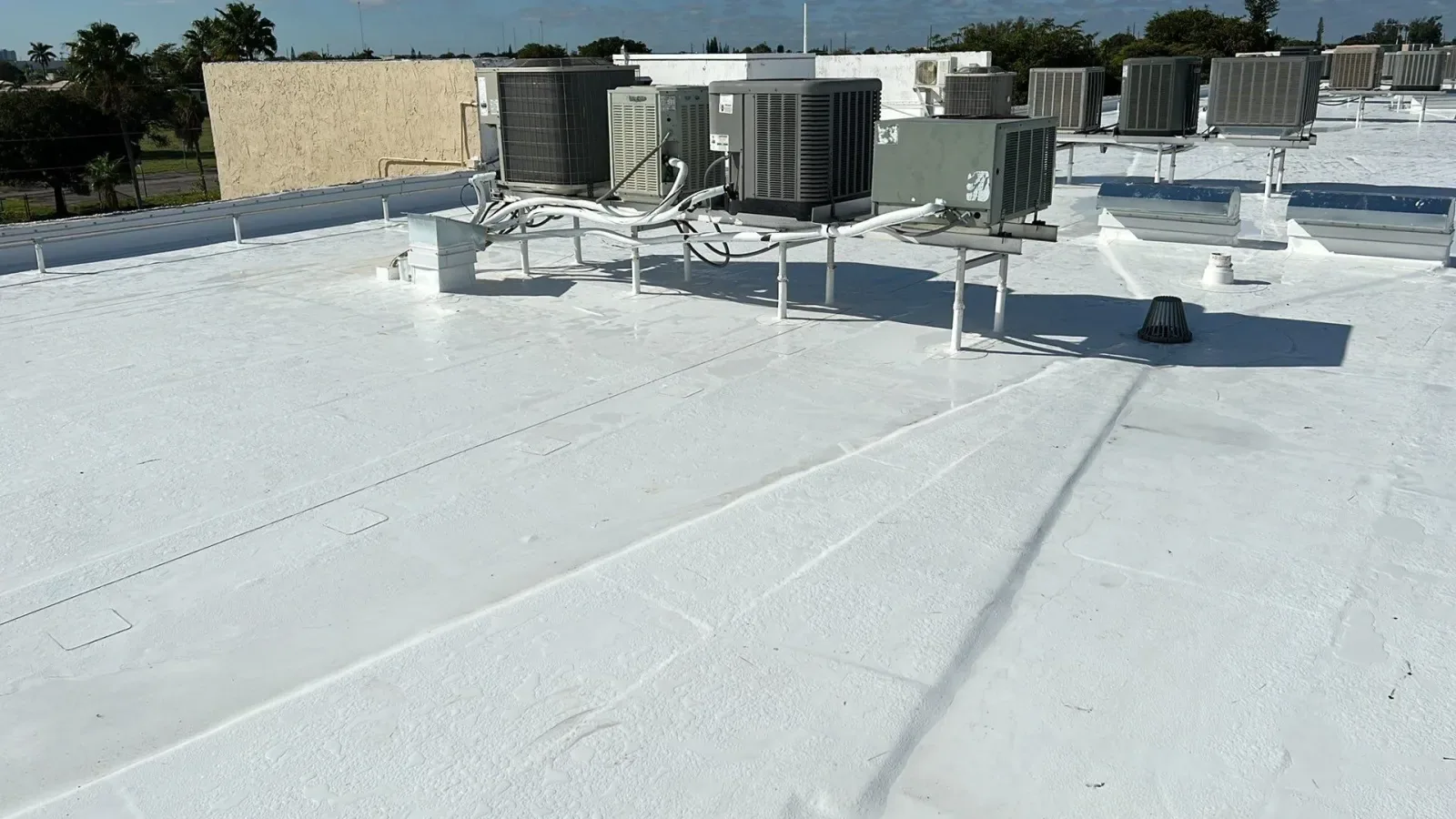
KEE roofing in North Las Vegas, NV: PVC-alloy membrane identification, welded seams, chemical and grease exposure, heat wear, and repair decisions.
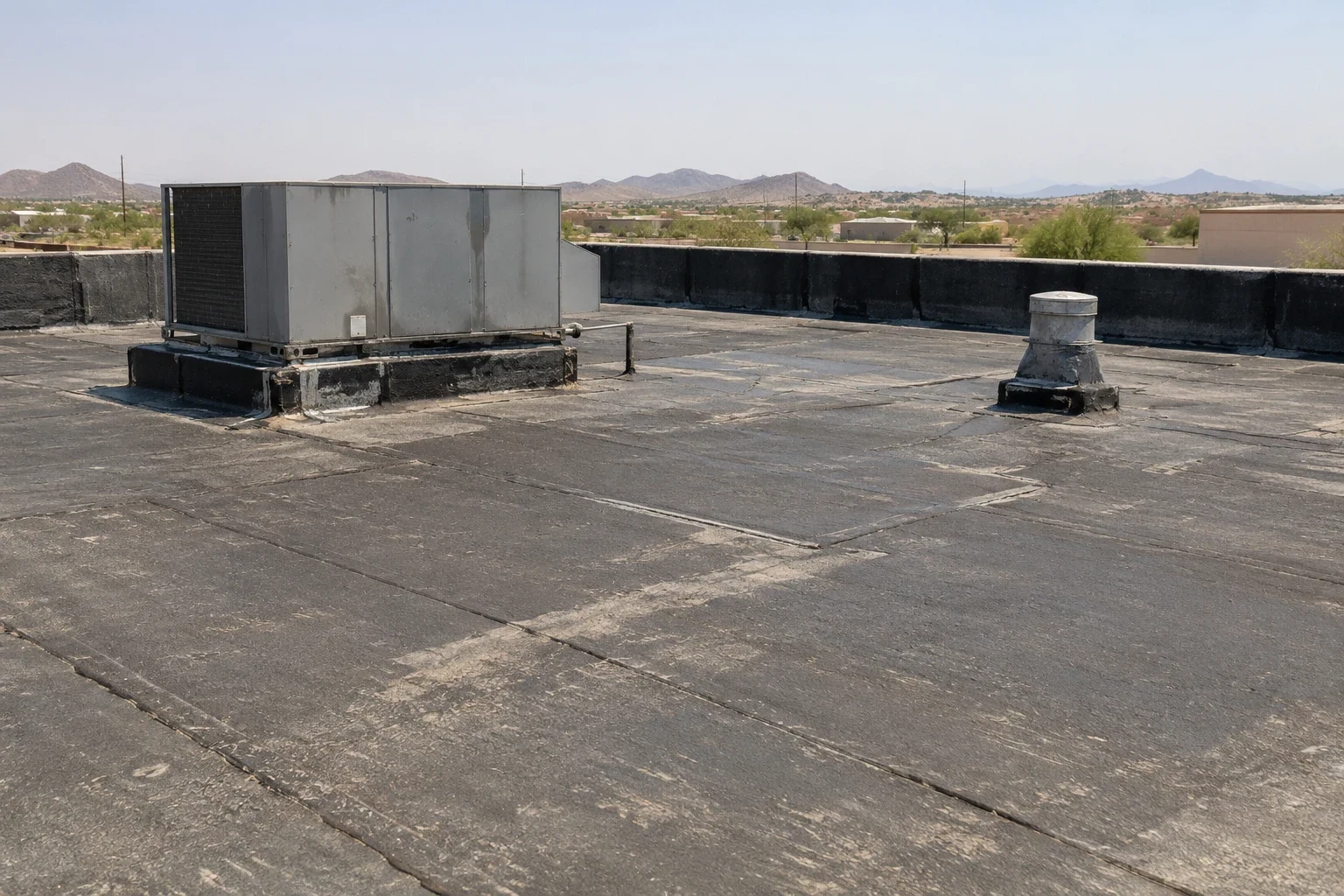
Modified bitumen roofing in North Las Vegas, NV: SBS and APP cap sheets, lap and blister checks, granule loss, flashing repair, and heat-season maintenance.
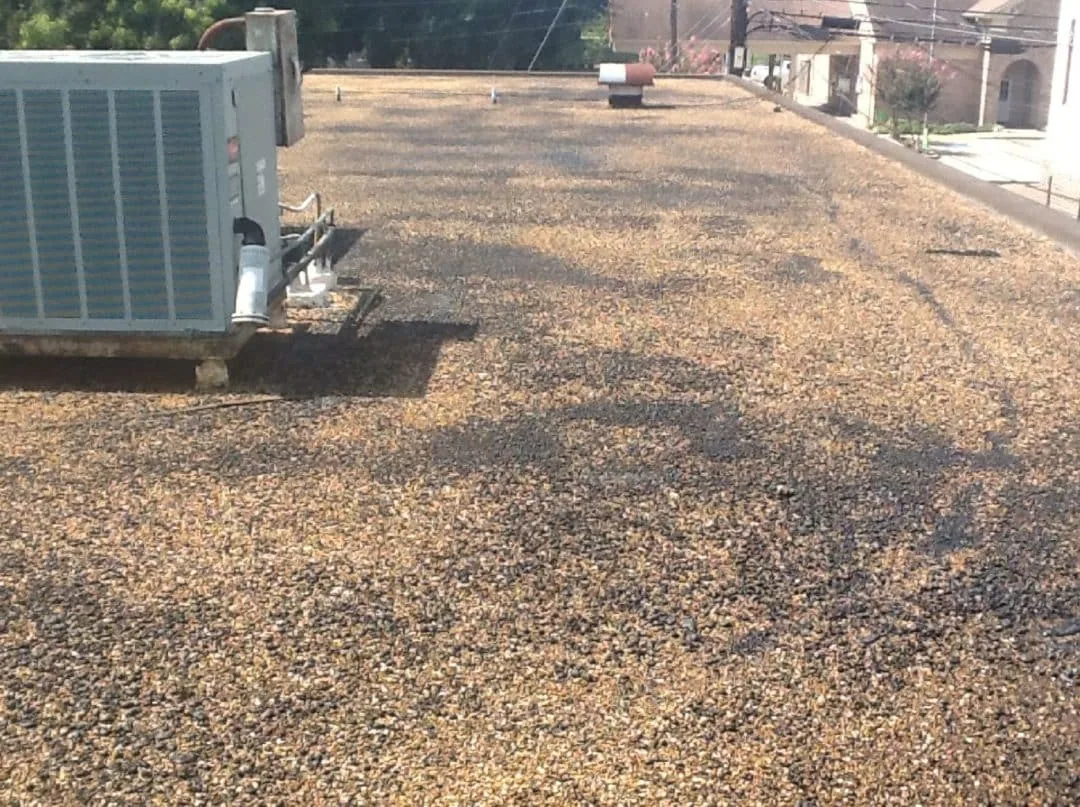
Built-up roofing in North Las Vegas, NV: ply and bitumen inspection, gravel checks, blister and alligatoring findings, and repair or replacement choices.
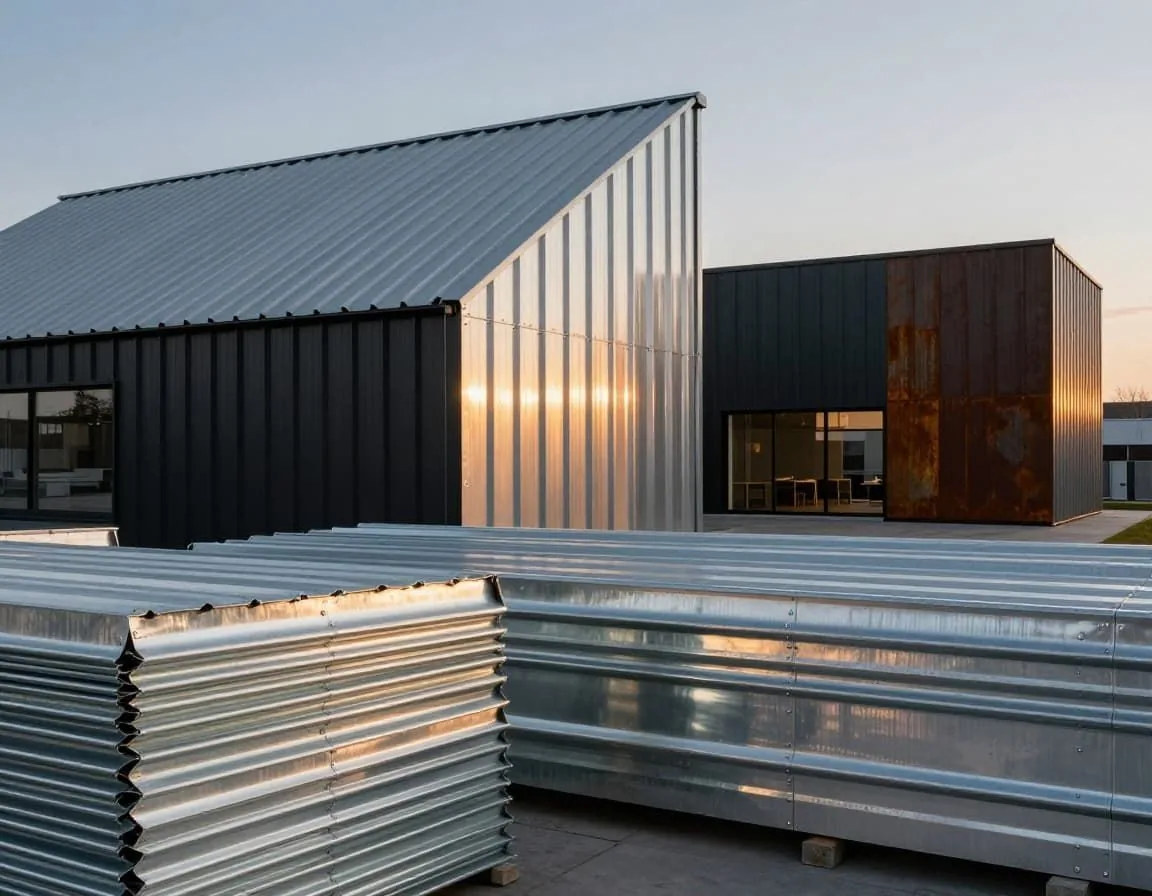
Standing seam metal roofing in North Las Vegas, NV: clip and seam inspection, thermal movement, penetration flashing, wind uplift, and finish wear.
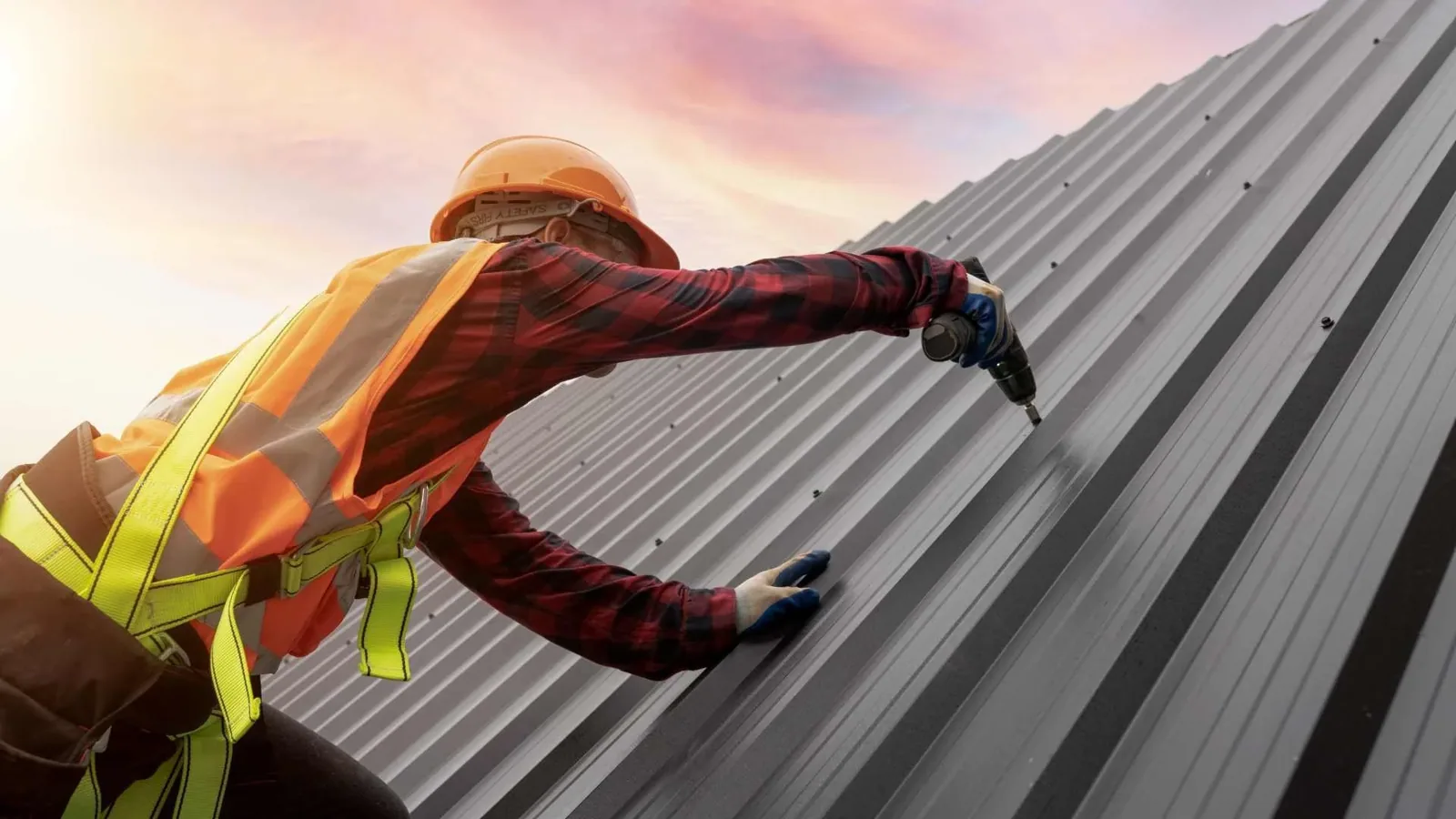
Metal roof retrofit in North Las Vegas, NV: exposed-fastener panel inspection, fastener and lap repair, coating, and framing or recover options.
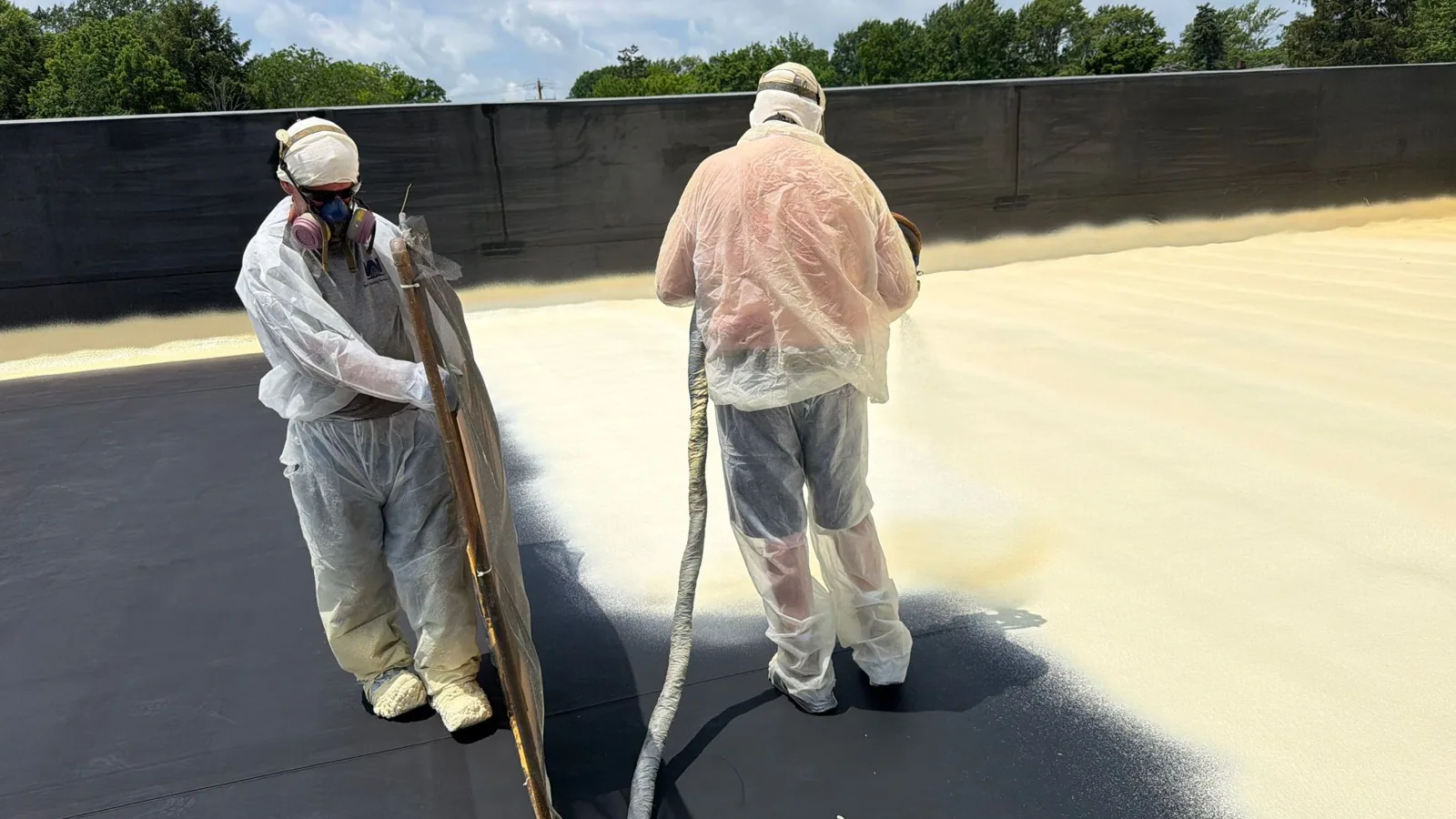
Spray polyurethane foam roofing in North Las Vegas, NV: substrate checks, spray conditions, protective coating, recoat cycles, and repair of foam roofs.
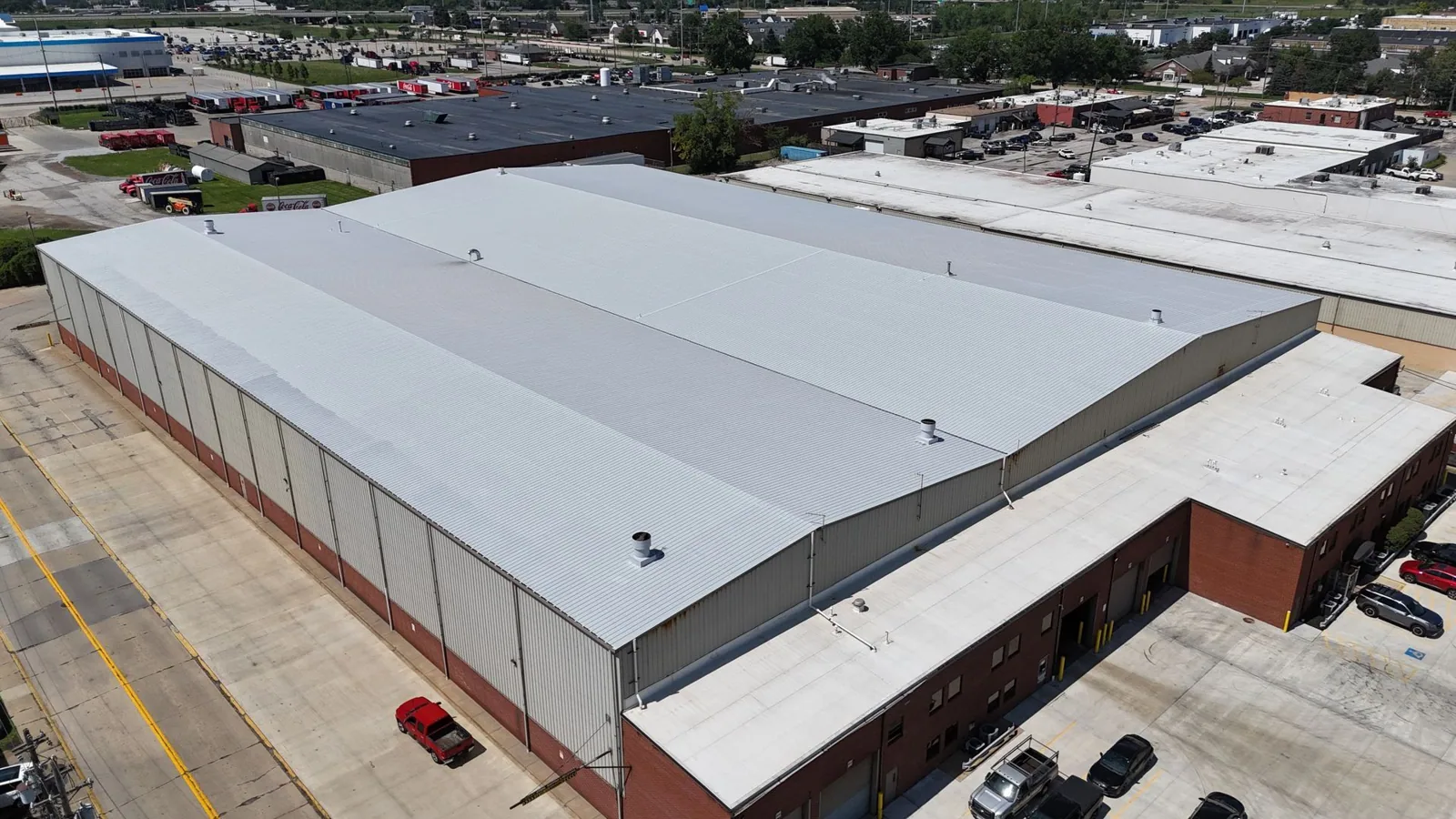
Silicone roof coatings in North Las Vegas, NV: eligibility checks, adhesion testing, surface prep, ponding tolerance, dirt pickup, and recoat planning.
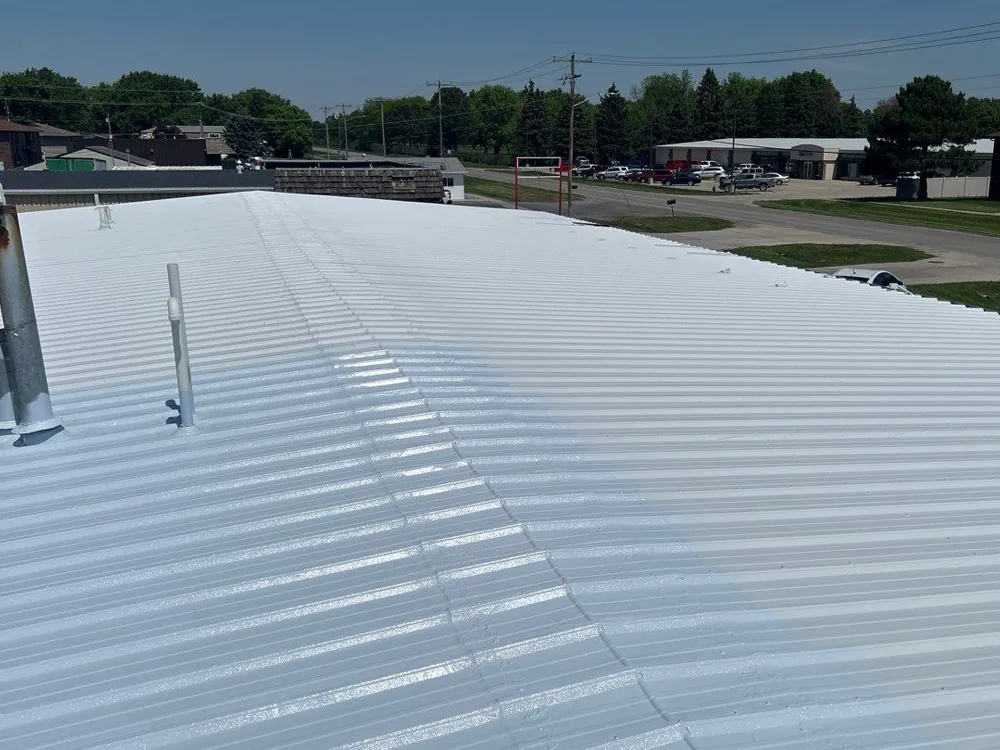
Acrylic roof coatings in North Las Vegas, NV: drainage screening, cure and weather windows, reinforcement at details, thickness, and recoat planning.
TPO roofing and PVC roofing are heat-welded white membranes, common where reflectivity matters. PVC resists grease and chemicals, which suits roofs near kitchen exhaust. EPDM roofing is a black or white rubber sheet with a long record on large, simple roofs, and KEE roofing adds a plasticizer-resistant blend for harsh exposures.
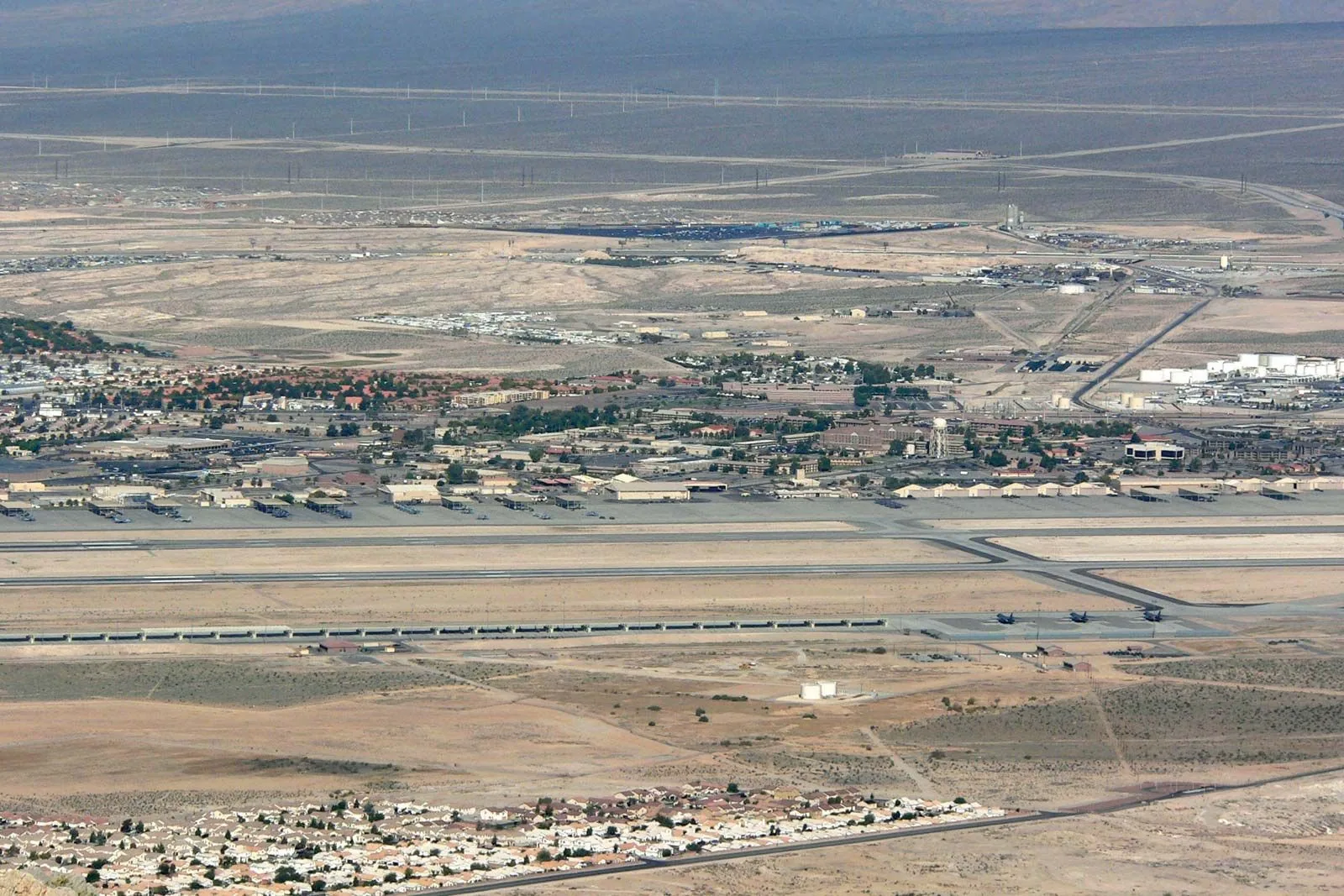
Modified bitumen roofing and built-up roofing are layered systems that tolerate foot traffic and hold up under rooftop equipment. In desert heat the surface cap, granules or coating protects the asphalt from ultraviolet exposure. Surface chalking, blistering and ridging are the conditions to look for during an inspection.
Standing seam metal roofing uses concealed clips and raised seams, and it moves with thermal expansion. A metal roof retrofit places new framing and panels over an existing roof, which can avoid a tear-off when the structure allows it. Fastener backout and sealant aging are the details that matter most in sun-exposed climates.
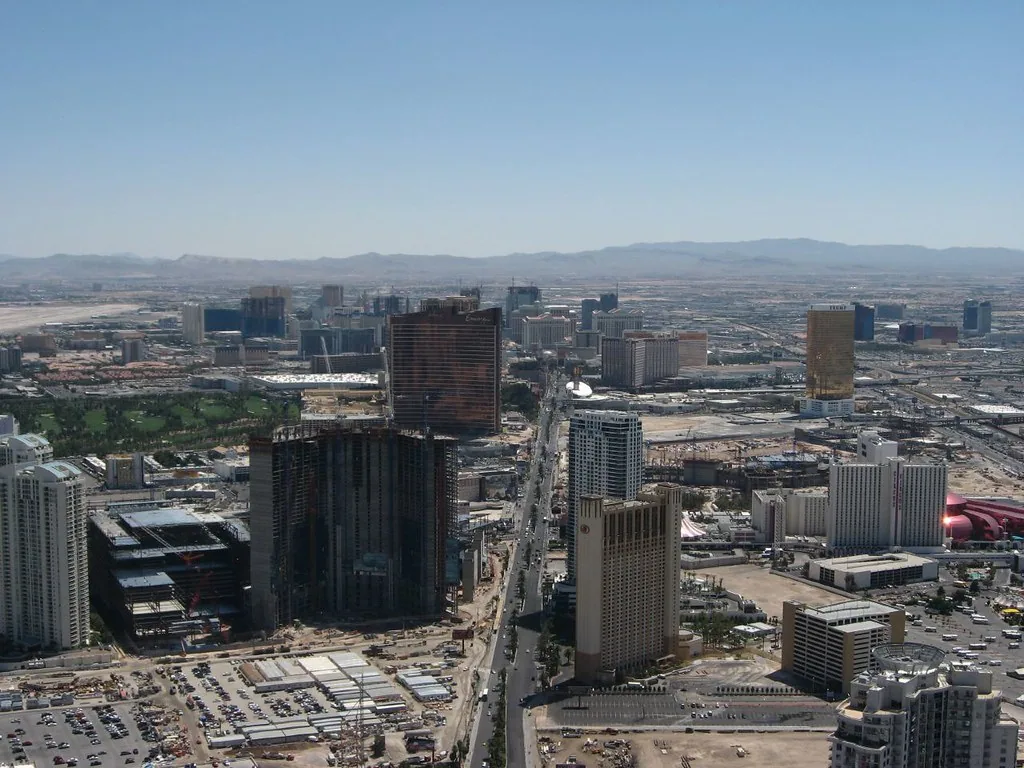
Spray polyurethane foam roofing forms a continuous insulated layer and needs a protective coating. Silicone roof coatings and acrylic roof coatings renew a sound roof surface, add reflectivity and seal seams. Both depend on a dry substrate, so moisture evidence comes before material selection.
The choice is made from the roof zone, the drainage path and the use of the building, never from a single product preference. A recover over a dry existing roof, a coating on a sound membrane and a full replacement can all be right on different buildings in the North Las Vegas Industrial Lands, depending on the evidence.
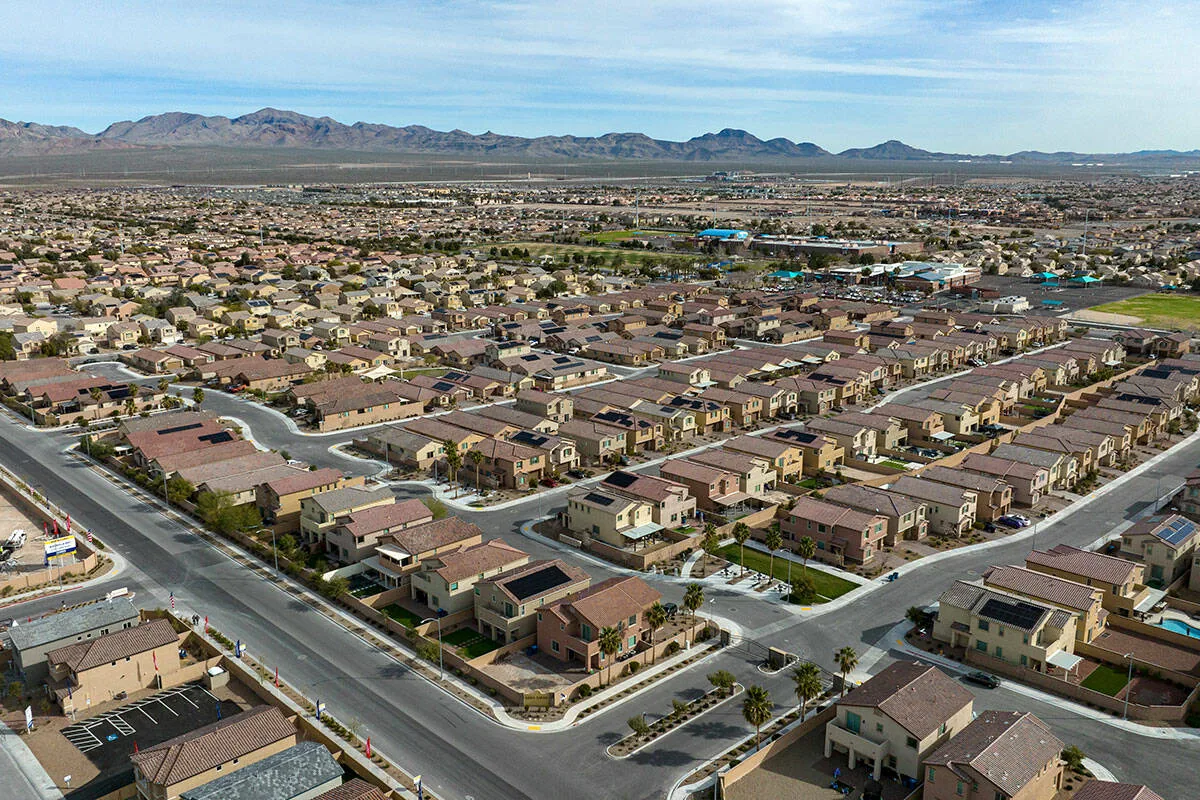
Surface reflectivity, ultraviolet resistance and how the seams are joined matter most. White heat-welded sheets and reflective coatings reduce surface heat, while multi-ply assemblies need a protective cap. We compare the options against what the existing deck, insulation and equipment loads can accept.
Yes. Wind events cluster in spring and fall across the valley, and wind uplift concentrates at corners and perimeters. Attachment method, edge metal and fastener spacing are specified for the system selected, and the perimeter is inspected first after any wind event.
Only when the existing roof is dry and sound enough to carry it. A core cut and moisture survey answer that question. If the insulation is wet or the deck is damaged, a recover would trap the problem.
Heat-welded single-ply and coated roofs are straightforward to patch when the surface is clean and compatible. Layered bitumen repairs need matching materials and trained hands. The inspection record notes what the existing system is, so repairs are made with compatible products.
Send roof plans, the known assembly, leak dates and equipment changes. A core cut and moisture survey will show whether the roof can be repaired, restored or replaced.