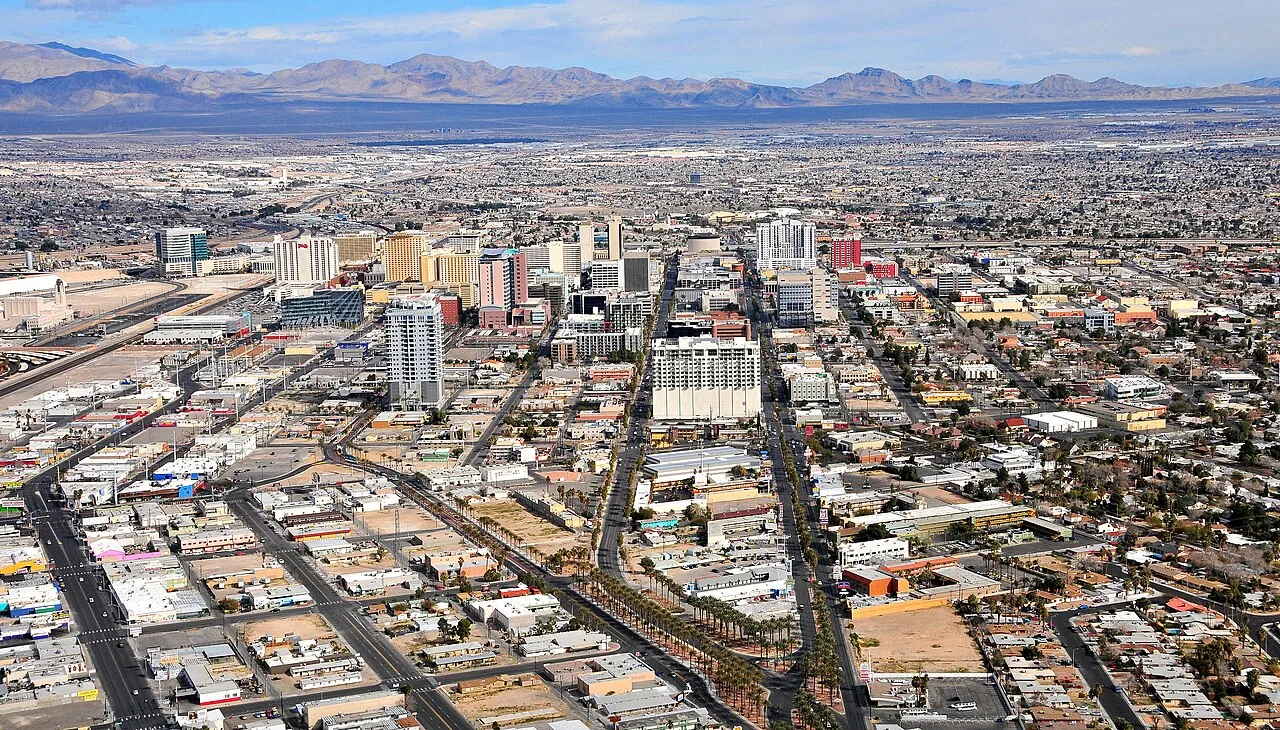
Plan commercial roof repairs and replacement reviews for Downtown North Las Vegas properties, with roof-zone findings, access needs, and clear work boundaries.
A Downtown North Las Vegas roof request needs an address, a roof plan, and a decision to settle. The district is a broad city planning area, so its name does not tell us which assembly, tenant schedule, or access route belongs to a particular building. We begin at the property: identify the roof zones, trace drainage, inspect penetrations and edges, and connect reported water entry to what can be seen safely. That field record sets a repair boundary before a larger scope or price is considered.
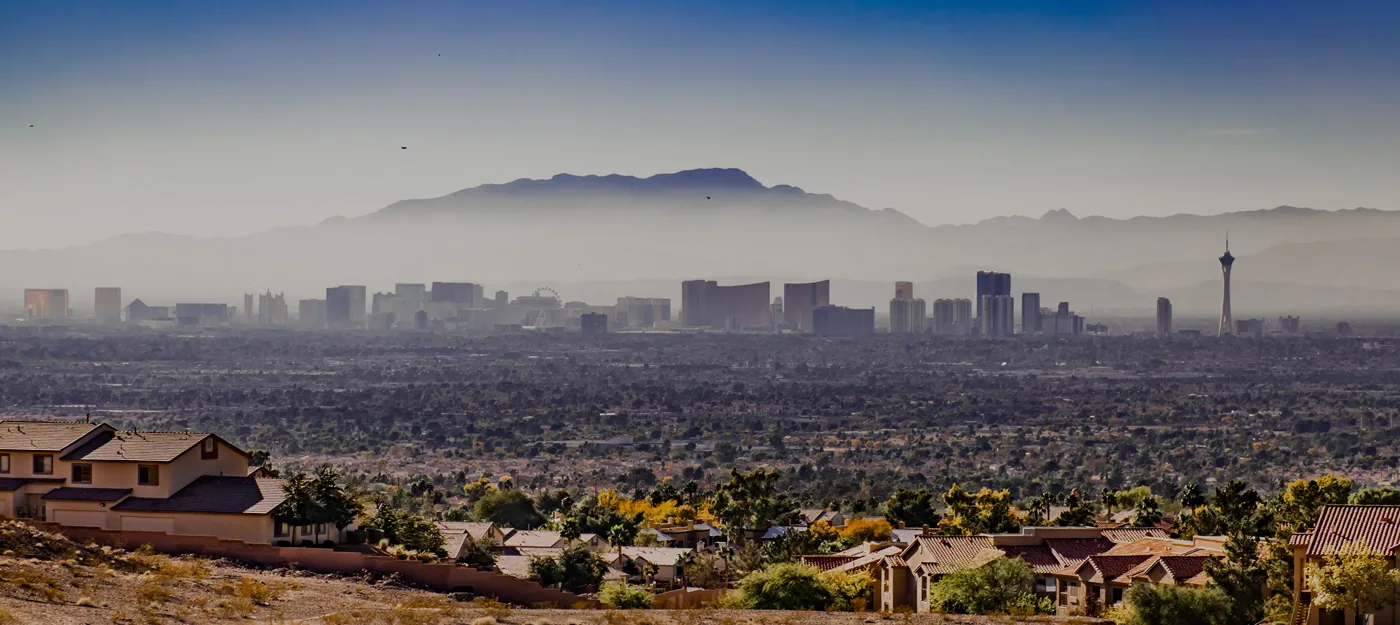
North Las Vegas sits in the Las Vegas Valley, where summer storms can bring brief heavy rain and gusty wind. A storm date helps sequence an inspection, but the membrane, curb transitions, drains, and interior evidence determine what needs work. Share the leak location, when it appeared, and any recent rooftop changes. For active entry, a commercial leak investigation can isolate the immediate question while the rest of the roof is reviewed.
Start with the roof zone
Mark the ceiling area, roof level, nearest drain or edge, and any equipment above the report. Water can travel below a membrane before it appears inside, so the stain is a starting point rather than a repair location. We compare the interior note with seams, patches, flashing, penetrations, wall transitions, and changes in slope. If the route is not visible, we mark the uncertain area and select a test that can answer the next question.
Downtown and the North 5th Street Transit Corridor are separate broad place references in North Las Vegas. For either, the roof plan must identify the actual building and roof zone. A documented roof inspection can record visible conditions, access limits, and areas needing moisture checks. We label each photo with its location, then distinguish a loose detail from staining or surface wear so the owner sees what the evidence supports.
Commercial Roofing Questions
What information helps locate a Downtown roof leak?
Provide the property address, roof plan if available, interior location, date and time of entry, and any recent equipment work. We use those details to identify the roof zone, inspect the likely path, and record where testing may be needed.
Can a repair stay limited to one roof area?
The repair boundary follows the observed defect and the condition of nearby materials. We check adjacent seams, flashing, drainage, and substrate evidence before defining a local repair or recommending broader testing.
How do wind reports affect the inspection?
A reported event helps set timing and inspection priorities. We document exposed edges, terminations, curbs, and other details tied to the roof plan, then base the scope on observed conditions rather than the event alone.
What can change a downtown reroof schedule?
Roof access, tenant hours, staging, equipment shutdowns, approvals, concealed wet materials, and weather limits can all affect sequence. Share those constraints early so the work plan can account for them by roof zone.
When should replacement be considered instead of repair?
Repeated failures, widespread moisture, unstable layers, or a roof assembly that cannot support a reliable repair may justify a replacement review. We document the evidence and compare options before the owner selects a scope.
More Roofing Detail
COMMERCIAL ROOFING IN NORTH LAS VEGAS, NEVADA
Follow water to a detail
Walk the drainage path from high points toward bowls, scuppers, gutters, and perimeter edges. Note debris, low spots, open laps, and places where water crosses a transition. A blocked outlet and a failed seam can produce similar interior reports, but they call for different scopes. We map each observation, check the nearby assembly, and record whether the surface was dry, wet, soft, or inaccessible. If readings suggest concealed moisture, confirm the proposed boundary before removing material.
For roofs with a thermoplastic membrane, seam quality and flashing tie-ins deserve close attention. A TPO assembly review should follow the material actually identified on site, not a guess based on color. Where an opening is authorized, photograph the layers and substrate. Where it is not, state which conditions remain concealed and keep the recommendation limited to the evidence gathered.
Check exposed edges and transitions
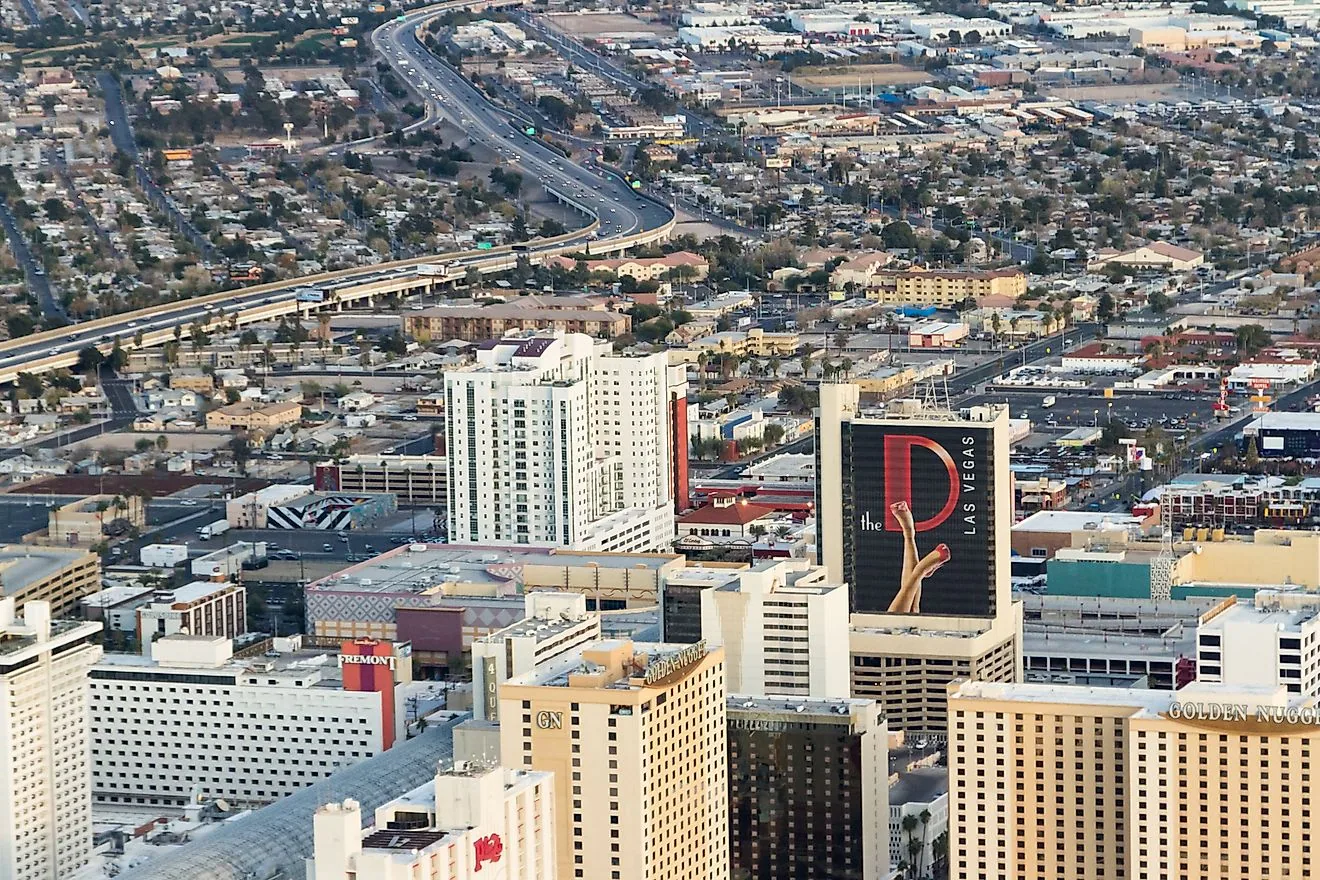
Spring and fall wind events are common in the valley, and stronger gusts are rarer but may carry dust or sand. That regional pattern makes perimeter details, coping, terminations, and equipment supports sensible inspection points after a reported event. It does not establish damage at a Downtown property. We look for displaced metal, lifted flashing, open seams, and fresh debris, then compare those observations with the roof map and the event date.
A repair should address the actual failure path. If membrane attachment is sound and damage is confined to a detail, a focused repair scope may be appropriate. If the assembly has repeated failures or uncertain layers, test and review a broader boundary before selecting repair, recover, or replacement. We document each option with the affected zone, work sequence, access requirement, and conditions that could change the scope.
Set access before mobilizing
A downtown address can involve delivery windows, occupied space, limited staging, or roof access controlled by a facilities lead. Those conditions belong in the work plan, not as assumptions about the district. Identify hatch or ladder access, escorts, fall-protection rules, equipment that must remain live, and routes that cannot be blocked. We can sequence inspection and repair around operating hours when the site provides those constraints before mobilization.
For an occupied property, map the work area and explain when noise, odors, or temporary protection may affect the building. A phased occupied-building plan can separate roof zones and tenant notifications. The schedule also depends on substrate condition, material compatibility, weather windows, and approvals for test cuts or shutdowns. We state the assumptions plainly so a change in access or concealed conditions can be handled without losing the repair boundary.

Compare the repair boundary
Price follows the assembly, access, quantity of removal, detail count, and preparation needed. A defined puncture or open flashing may support a localized repair. Wet insulation, widespread bond loss, multiple overlays, or structural movement can shift the decision toward testing or a broader replacement review. We separate confirmed conditions from unknown layers and show which work is included, excluded, or conditional on opening the roof.
When the existing membrane is sound and the roof build-up permits it, a recover review may be compared with replacement. That decision needs records about existing layers, attachment, drainage, and code requirements for the project jurisdiction. A written condition report can keep photographs, roof zones, and recommendations together for approval. No option should hide an unresolved leak route or leave a drain detail outside the stated scope.
Keep the record usable
After the work, retain the roof map, dated photographs, material information, repair locations, and any area not completed. Note the access conditions and whether a test opening showed more than the surface suggested. A later inspection can then compare the same zone rather than rely on a broad description such as “north roof” or “near the equipment.” This is useful when several buildings share one property contact or when an operating team changes.
Use the next visit to check repaired seams, transitions, drains, and any temporary measure that remained in place. A maintenance visit can update the record, clear accessible drainage points when authorized, and flag movement before it becomes a larger repair. Downtown North Las Vegas and Apex Industrial Area are separate broad North Las Vegas references; each recommendation still belongs to the roof and building documented in the inspection.
Set the roof question
Send the Downtown North Las Vegas property address, roof plans, leak dates, repair history, access rules, and operating-hour limits. We will inspect the relevant zones and document the next decision.