
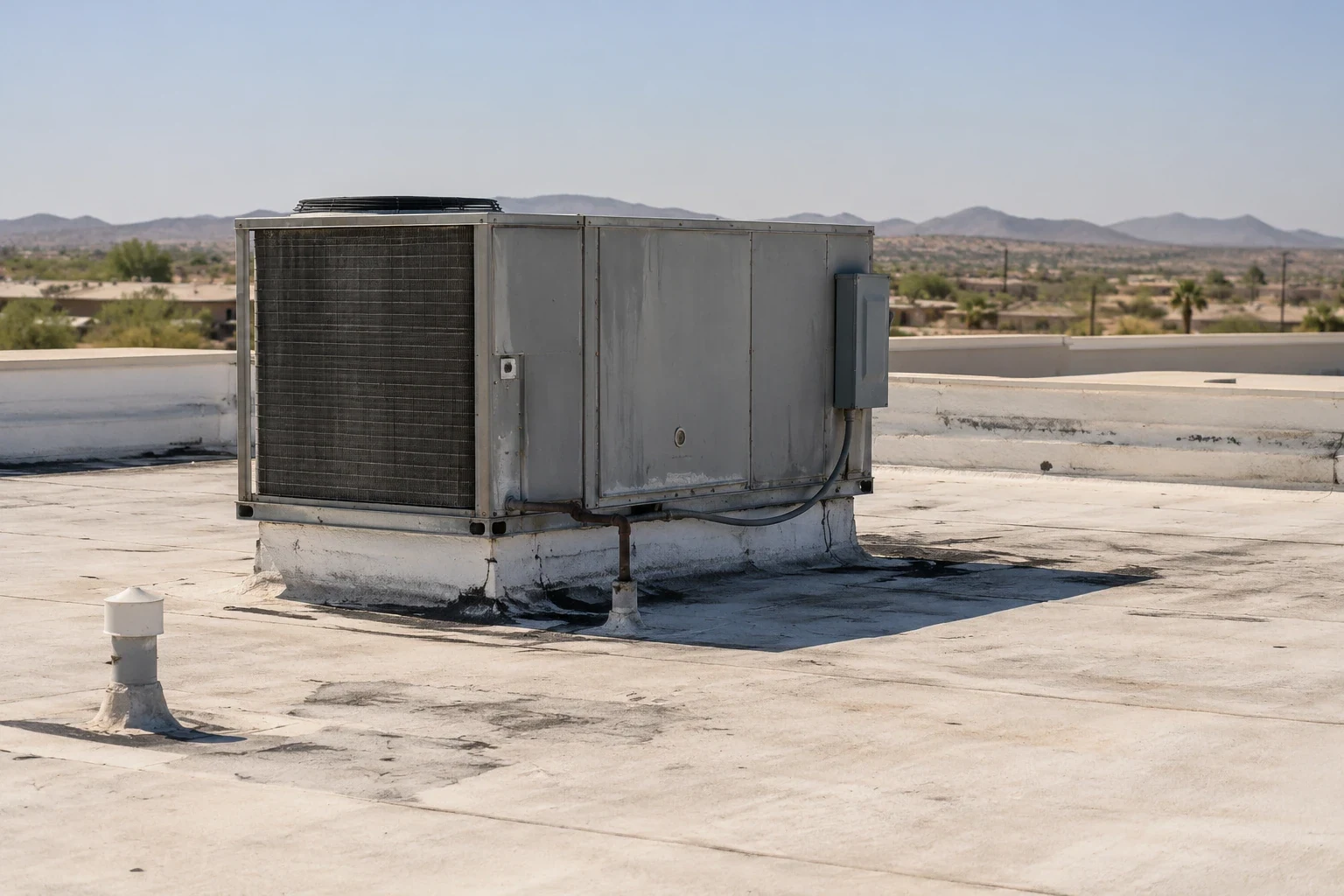
Build a roof maintenance record for North Las Vegas properties, with drain checks, detail photos, repair tracking, and planned access windows.
Maintenance is a record of repeated observations, not a promise that a roof will stay trouble-free. Each visit should return to the same roof zones, check details that can change, and tie new photos to earlier repairs. We inspect drains, seams, penetrations, curbs, edges, flashings, and rooftop supports, then note what is ready for work and what needs testing. A consistent log gives facilities staff a way to see whether a condition is stable, spreading, or recurring.
North Las Vegas planning materials identify broad areas such as Downtown, but the city's source map dates to 2006 and is not current parcel zoning. For a roof in that district or the Industrial Lands, set maintenance around the actual assembly, operating hours, and access rules. The National Weather Service describes gusty winds and brief heavy rain during summer monsoon periods in the broader Las Vegas Valley; use current conditions and the site's report to schedule a condition inspection, not a regional weather label as a diagnosis.
Establish the roof record
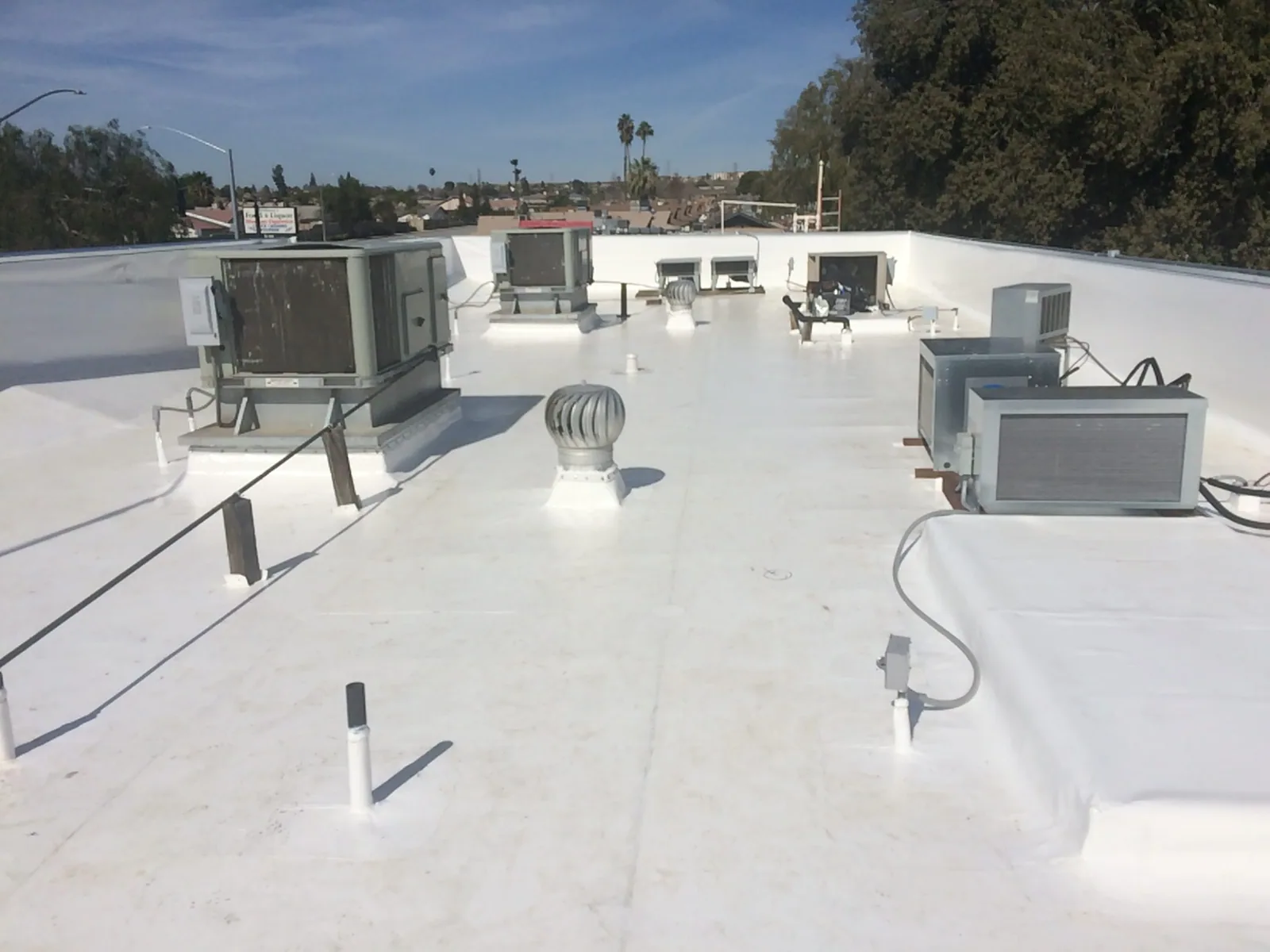
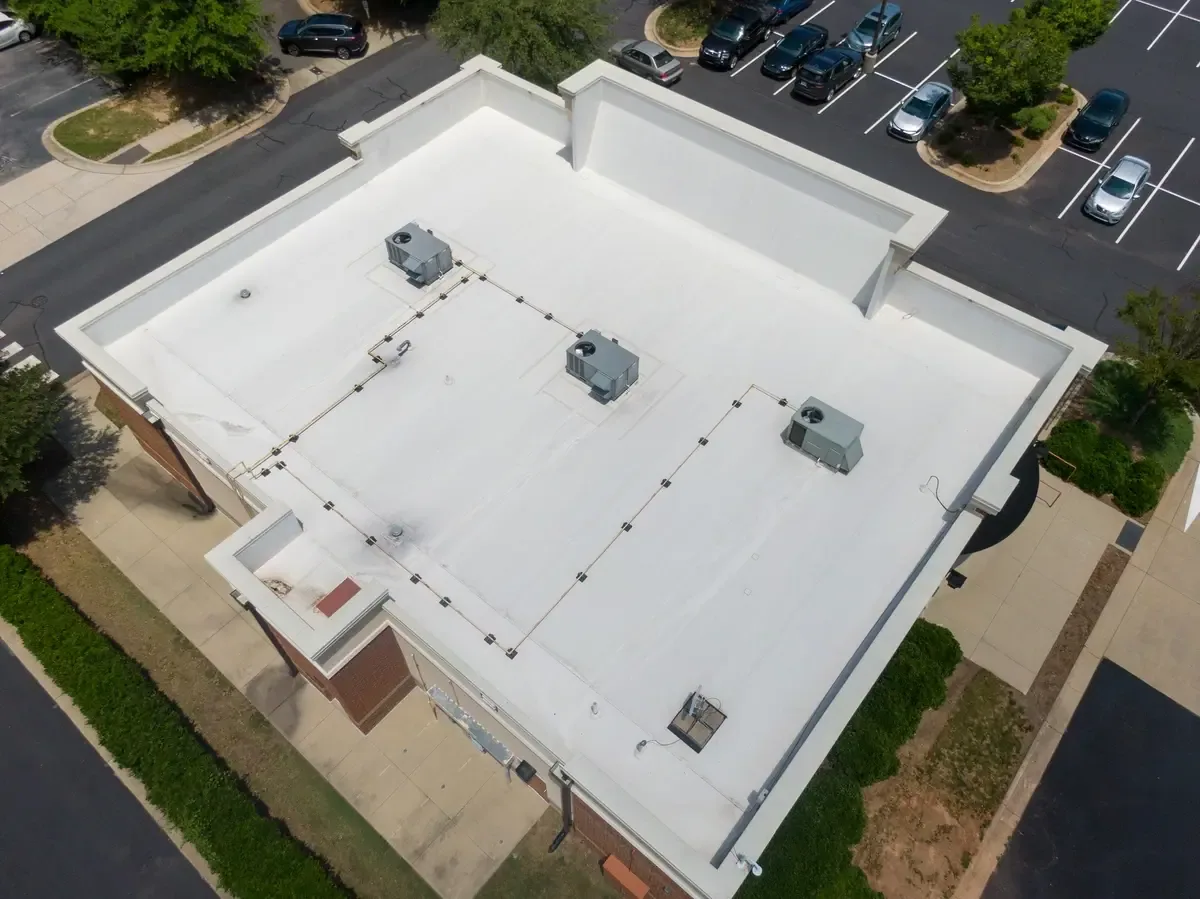
Start with the roof plan, system records, repair tickets, leak dates, equipment changes, and areas that could not be accessed. On the first visit, record membrane or metal type where it can be confirmed, visible attachment clues, drains, scuppers, curbs, penetrations, expansion joints, and perimeter details. Photograph a roof zone from a repeatable viewpoint so later visits can compare the same area.
Separate observed conditions from recommendations. A cracked sealant bead, loose metal, ponding, surface chalking, and a wet ceiling mark call for different follow-up. Note how each condition affects the roof and what evidence would resolve the next question. If a layer or product is unknown, preserve that uncertainty in the record and ask for a test or exposed-edge review before selecting a repair material.
COMMERCIAL ROOFING IN NORTH LAS VEGAS, NEVADA
Keep drainage observations specific
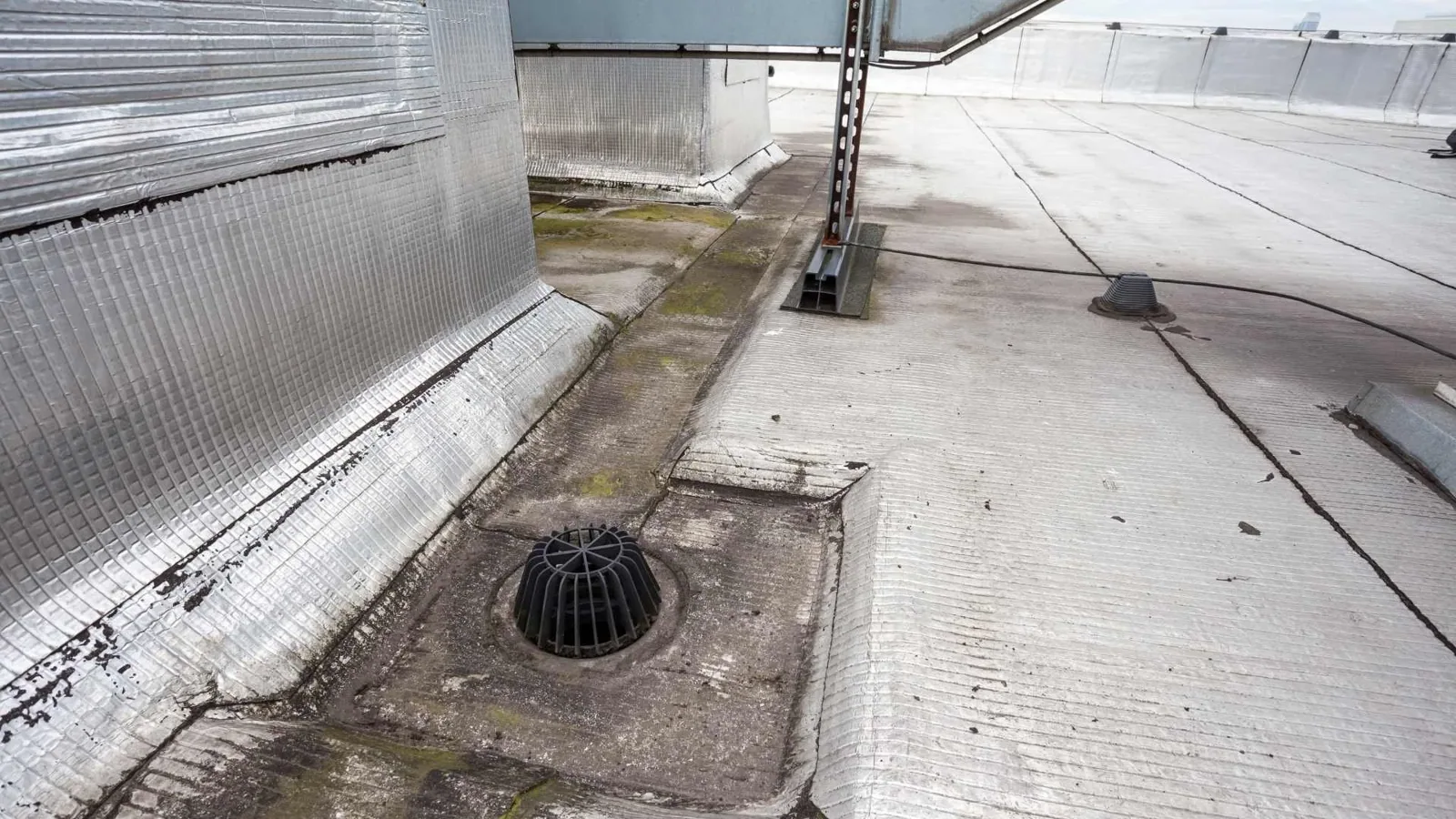
Clear outlets only when the owner authorizes the work and the access is safe. Photograph the drain bowl, strainer, scupper, gutter, and the path that carries water toward them. Note debris, low points, damaged grates, displaced flashing, and signs of recurring ponding. A roof can retain water because of slope, settlement, blocked drainage, or a design condition; the observation should identify what was seen and whether flow was checked rather than assume a membrane leak.
If drainage work requires a plumbing or sheet-metal trade, define the handoff and protect the roof opening until the detail is closed. A drain and scupper repair should document the connection between the roof surface, bowl, and discharge route so future visits can tell whether the same obstruction or detail has returned.
Revisit details that move or receive traffic
Inspect seams, flashing terminations, curb corners, pipe boots, pitch pockets, edge metal, and walk pads where personnel or service equipment travel. Look for lifted edges, open laps, fastener movement, cracked coating, punctures, and prior patches that no longer adhere. Record each item against a nearby roof feature and show the repair limit in the photo. Avoid calling a detail sound based on a distant view when the attachment or substrate cannot be seen.
Equipment work can change the roof. Ask about new units, conduit, supports, abandoned penetrations, and vendor access since the last visit. Confirm that a curb or pipe detail remains closed after service. Where a known EPDM assembly or TPO system is present, select compatible repair preparation based on the material found, not a generic stock patch.
Schedule for exposure and operations
Summer heat, direct sun, and gusty storm windows affect safe access, material handling, and the time available for a prepared repair. The Las Vegas Valley's regional monsoon context can help explain why a leak report followed a brief rain event, but it does not show where water entered. Use the property timeline, interior photos, and roof observations to prioritize a return visit. If wind or lightning creates a hazard, defer roof work and document the changed schedule with the facility contact.
Broad service geography such as the Industrial Lands and North 5th Street Transit Corridor helps describe North Las Vegas coverage. Those names do not establish a tenant's hours or a roof's condition. Coordinate escorts, hatch access, equipment shutdowns, and tenant notices for the actual property. For occupied buildings, plan inspection routes to keep emergency exits, loading areas, and active work zones clear.
Turn findings into a work sequence
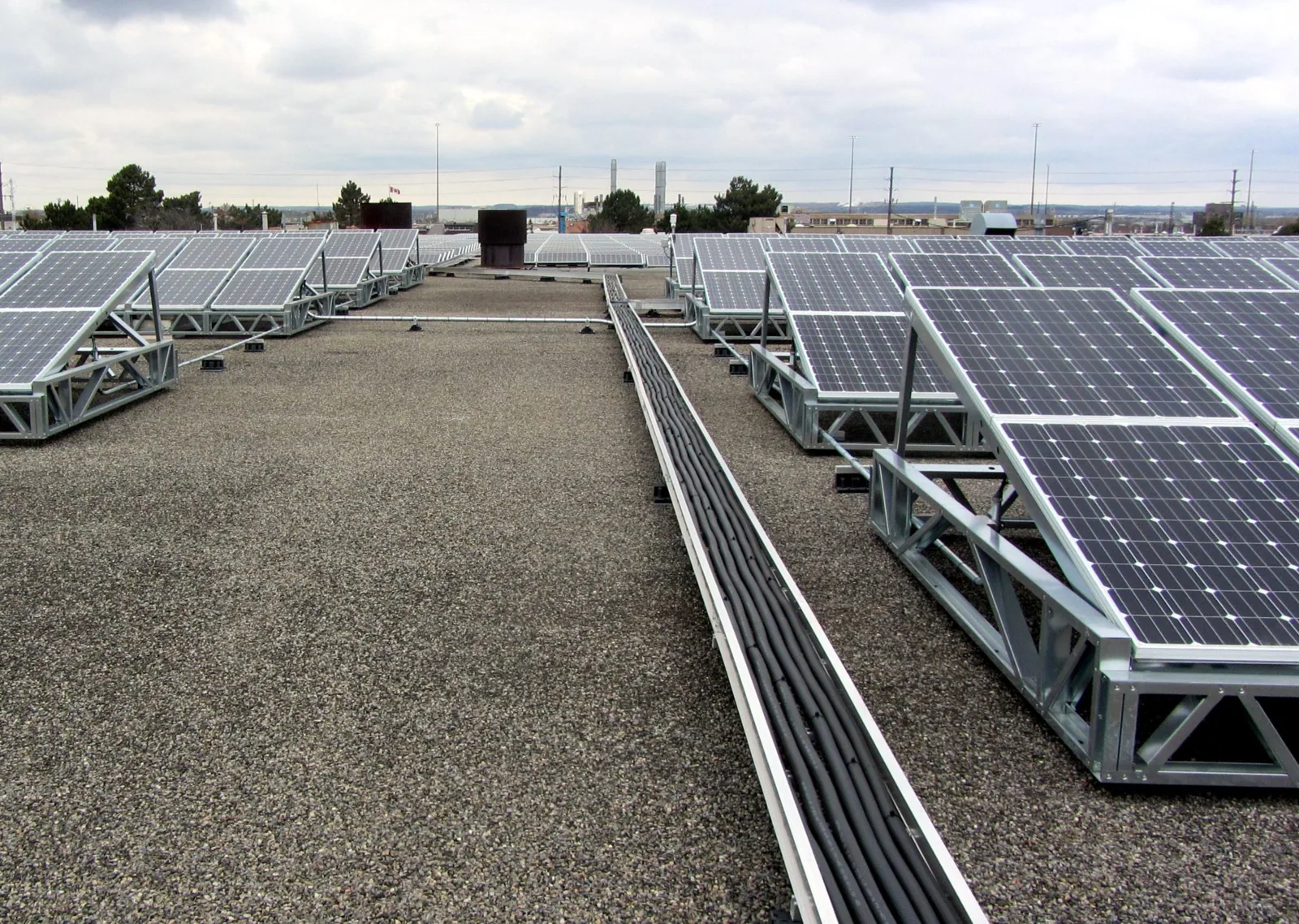
Rank findings by the condition and the consequence of delay. Active entry or an open detail may need a near-term repair; a surface change can be monitored if the assembly remains dry and the evidence supports waiting. State what must be tested, who can approve the opening, and what condition would expand the scope. The work order should identify material removal, substrate preparation, tie-in method, and the finished termination so a later maintenance visit can inspect the actual repair.
Keep a separate photo set for before, during, and after work. Record where wet insulation or deck was exposed, whether it was removed, and how the opening was closed. If the existing system is unknown, confirm compatibility instead of covering the area with a product selected from appearance alone. For a recurring issue, compare the current roof zone and timing with the earlier ticket; a focused repair visit can recheck the boundary before a broader scope is proposed.
Make the maintenance log usable
Keep the record short enough to use and specific enough to repeat. Include visit date, weather, crew access, roof-zone IDs, photographs, observed conditions, work completed, open items, and the responsible contact. Note a missed zone and the reason it was missed. If the roof plan changes, preserve the prior reference and show how the new labels align.
For multiple buildings, track each assembly separately even when the properties are adjacent. Do not copy a clean finding from one roof to another. A roof condition report can carry verified information into a capital review, while a replacement evaluation can use the accumulated history to compare repair frequency and assembly condition. Maintenance supports those decisions but does not predetermine them.
Set the first maintenance visit
Share roof plans, known system details, repair history, leak dates, equipment changes, access instructions, and the areas that must remain operational. Name the person who can approve test openings or expanded work. We can schedule a hands-on review across North Las Vegas and broad areas such as Downtown, then set a repeatable record for the next visit. If water is active, call the emergency response team rather than waiting for routine maintenance.
Our crews can inspect, photograph, repair, and maintain low-slope and metal commercial roofs. Each maintenance visit should finish with a written list of work completed, items to monitor, and the next evidence needed. That lets the owner align roof care with operations and budget cycles while keeping each decision tied to the specific assembly and repair record.
Commercial Roofing Questions
What belongs in a commercial roof maintenance log?
Keep the visit date, roof-zone reference, access limits, photos, observed conditions, work completed, open repairs, and responsible contact. Separate what was confirmed from a condition that needs testing or another visit.
Does routine maintenance prevent every leak?
Routine inspections cannot prevent every leak. They can document visible changes, drainage issues, and deteriorating details early enough to plan work. Severe weather, equipment changes, concealed conditions, and material movement can still create new problems.
How should roof drains be checked?
Record the drain, strainer, scupper, and path to the outlet; remove debris only when authorized and safe. Note whether flow was observed and whether water remained after the work. A blockage or pond does not by itself identify a membrane defect.
Should every roof zone be inspected on each visit?
The planned scope should name the zones and explain exclusions. Recurring routes make comparison useful, but access, safety, operations, or roof conditions can change what is practical. Record areas not reached and schedule a follow-up if they matter to the decision.
What records improve a maintenance program?
Roof plans, system information, repair tickets, leak dates, equipment changes, and consistent photographs make later comparisons more reliable. Assign stable names to each building and roof zone so a new facilities lead can follow the history.
More Roofing Detail
Build a repeatable maintenance record
Send roof plans, repair history, leak reports, equipment changes, and access rules. We will inspect the assembly, document work boundaries, and give your team a clear follow-up list.