
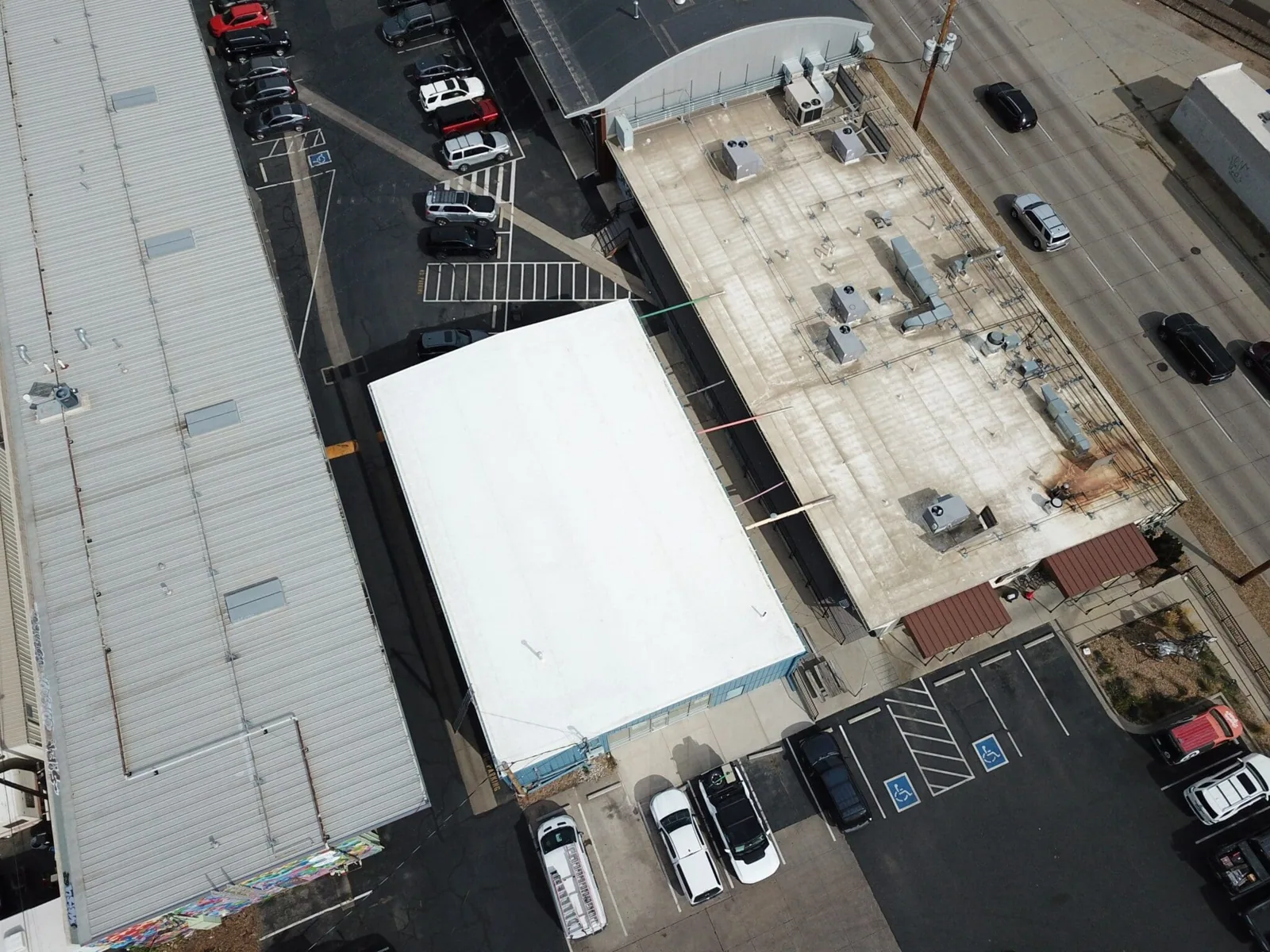
Find the roof defect, set a repair boundary, and document the tie-in before North Las Vegas roof work begins, with clear change controls.
A repair should solve a defined roof condition and show where the work stops. Begin with the date, weather, interior location, and any recent roof activity, then trace the likely path above the affected area. We inspect seams, flashings, drains, penetrations, edges, rooftop supports, and prior patches around the reported leak. The repair plan records what is visible, what needs testing, and how the crew will verify the completed tie-in.
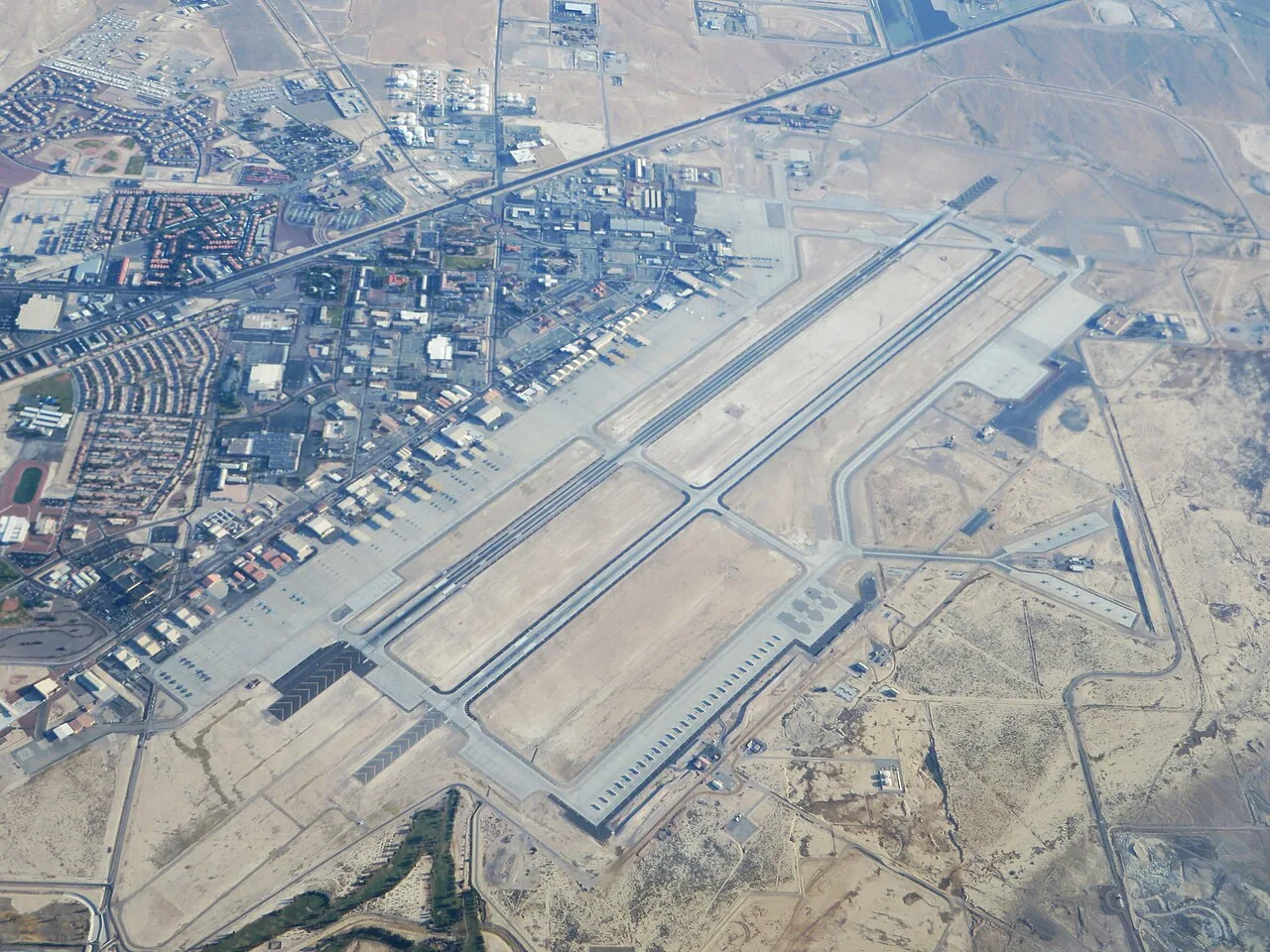
North Las Vegas planning materials label industrial lands and Downtown as broad planning areas. The 2006 map is historic context, not current parcel zoning. Whether a building is near the North Las Vegas Industrial Lands or another district, its roof and access conditions need a field review. If water appears in more than one zone, start with a leak investigation that documents each report before repairs are grouped.

Trace the water path above the interior mark
Map ceiling stains, equipment drips, wet insulation, and wall marks. Note timing, weather, and prior repairs. Above each report, check membrane laps, fasteners, curbs, boots, wall joints, and drainage. Water may travel along a seam or slope before reaching the room.
Distinguish active entry from an older mark. A reading can guide testing but cannot set a repair boundary alone. Photograph the material and note any inaccessible area. If several leaks follow one storm, compare roof locations before treating them as a single failure.
Near the Cheyenne Technology Corridor, a tenant build-out or rooftop equipment change may be part of the history. Ask for dates and contractor records; do not infer a cause from the district name. The repair should address the observed defect and preserve enough evidence for the owner to evaluate the result.
Commercial Roofing Questions
Why can a stain appear away from the roof defect?
Water can travel along seams, insulation, deck flutes, or framing before it becomes visible indoors. Map the interior mark, inspect the roof above and upslope, and compare the pattern with prior leak reports before choosing a patch location.
Can a repair be made without opening the roof?
Some surface defects can be repaired after material identification and preparation. If moisture is concealed or layers have separated, a test opening may be needed to verify the substrate and determine how far the repair must extend.
What should the repair closeout include?
Keep the marked roof location, defect description, materials and preparation, photographs before and after, test findings, and any follow-up item. Note the limits of the repair so later inspections can distinguish the patched area from nearby conditions.
How quickly should a reported leak be inspected?
Active water entry and electrical or inventory exposure deserve prompt attention. The first visit should establish safe access, interior protection, and a temporary control if needed; permanent repair scope follows inspection of the roof assembly.
Should separate roof defects go on one work order?
They can share a visit for access efficiency, but list each roof zone and repair boundary separately. The owner can then approve active leak work without accidentally authorizing unrelated maintenance.
More Roofing Detail
COMMERCIAL ROOFING IN NORTH LAS VEGAS, NEVADA
Mark a repair limit the crew can verify
Mark the work perimeter on a roof plan against a nearby seam, curb, drain, wall, or edge. Extend a puncture or flashing repair to sound, compatible material; remove loose layers and prepare the substrate for a bonded or welded tie-in. A wet area may require opening the roof and replacing affected insulation before closing it.
State how existing membrane will be cleaned and prepared, how the patch material will be matched, and how corners or terminations will be reinforced. If the original product is unknown or unavailable, test compatibility and document the selected tie-in. Do not cover a loose or contaminated surface with a patch and call the underlying condition resolved.
Photograph the boundary before work, each exposed layer, and the finished detail. Record measurements and identify any area the crew could not inspect. The closeout should say whether the repair addressed a leak source, a consequence of earlier water entry, or both. That distinction helps the facility team decide what to monitor after the next storm.
Match the repair method to the roof material
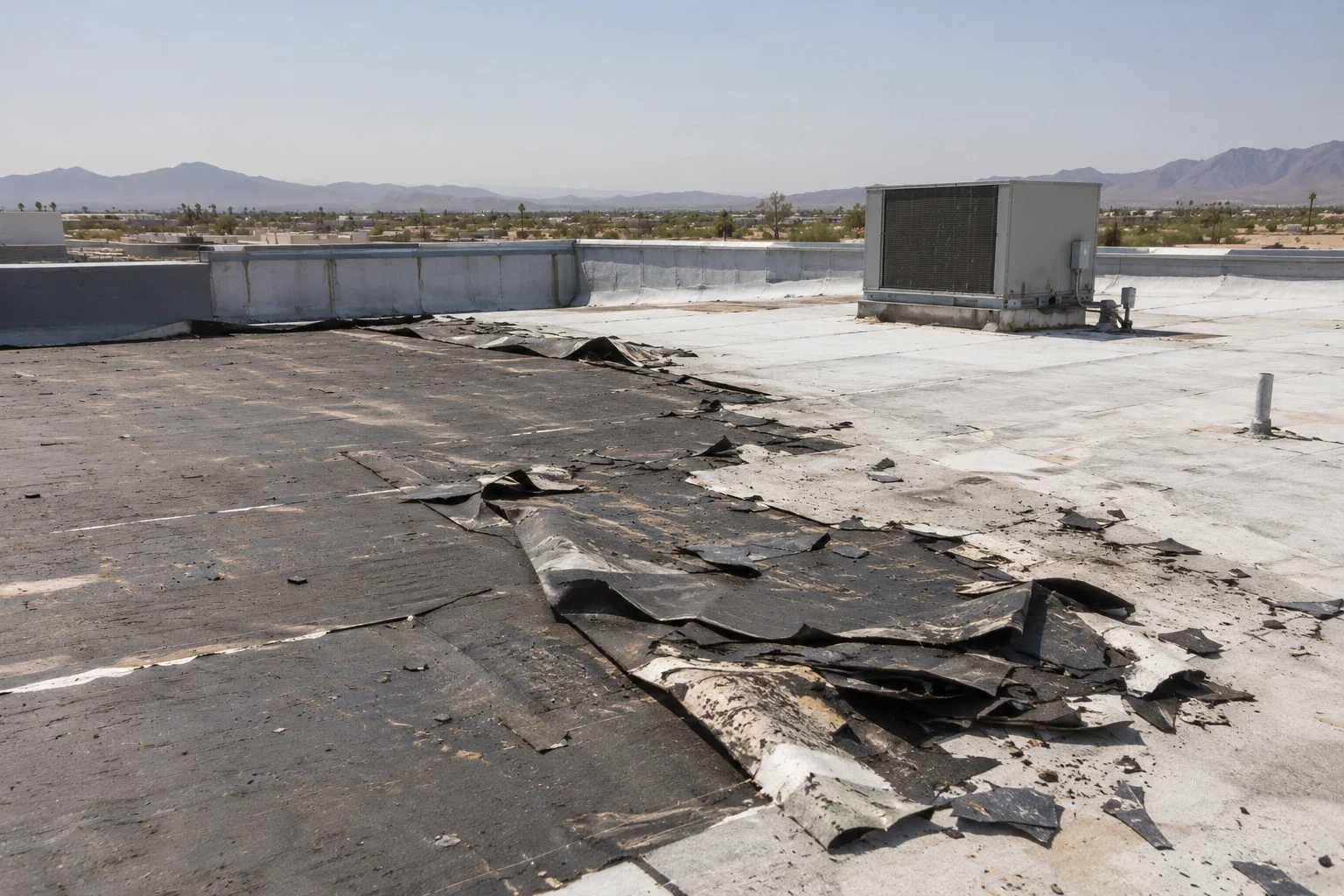
Repair materials must suit the existing membrane and the actual condition. A seam repair on TPO requires preparation and welding details appropriate to that sheet; an EPDM repair uses a different set of cleaners, primers, and compatible flashing components. Coatings, mastics, and sealants are not interchangeable substitutes for a properly prepared membrane patch.
For metal roof sections, check panel movement, fastener condition, sealant fatigue, and flashing laps before choosing a method. On built-up or modified-bitumen areas, identify the surface type and number of exposed layers so heat or solvent work does not damage adjacent materials. If water has reached the deck, the repair may need substrate replacement or a separate structural review before the membrane is restored.
Write down the manufacturer or material identification when available, plus the products and preparation used. If the system cannot be identified, state the limitation and describe the test or field mock-up that will confirm compatibility. The owner should be able to compare the repair to a future inspection without guessing what was applied.
Plan the visit around roof access and heat
National Weather Service climate material for the Las Vegas Valley notes summer heat and short, windy downpours during monsoon months. Use that regional signal to schedule crews and plan temporary protection; check current conditions and building access rules before anyone goes onto the roof. The crew should check current conditions and follow the property’s roof-access rules before carrying tools or materials up.
Ask about alarms, electrical hazards, fragile rooflights, locked access, equipment, and restricted zones. Confirm arrival time, escort rules, and who can change the work boundary. Explain controls before any heated repair or temporary opening.
For repairs near Downtown North Las Vegas, confirm where the vehicle can park and whether the roof hatch or ladder is available. In industrial districts, the route may also cross controlled loading or production areas. Keep the inspection record specific to the building rather than assuming a standard access path.
Separate authorized repairs from added work
The proposal should locate the defect and specify method, materials, preparation, tie-in limits, access, and closeout. State the test area and temporary protection if opening is included. List insulation, cover board, deck, flashing, and drain work as included or excluded.
For concealed damage, require a photo, dimensions, and field report before the crew expands the repair. The owner can approve added work, request a temporary closure, or defer the permanent fix. Written authorization keeps the invoice tied to the agreed boundary.
When multiple defects appear in separate zones, group them only if they share a verified cause or compatible repair method. Otherwise, show each location and price separately. That lets a property manager prioritize active leaks while keeping preventive work visible as a separate choice. A claim documentation review may be useful when the owner has an insurer process, but it does not replace the roofing condition record.
Close the loop after the patch is installed
Inspect the patch perimeter, seams, fasteners, and nearby drains against the approved scope. Photograph both the full roof zone and close tie-in details. Record any temporary closure and the condition for completing it.
Do not use a brief hose test as proof for every roof assembly. Water testing must fit the material, slope, and building conditions, and uncontrolled flooding can create additional damage. When a controlled test is appropriate, agree on the method and observe the interior during the test. Otherwise, schedule a follow-up inspection after the next relevant weather event.
Keep the date, symptom, confirmed defect, material, test result, and photos with the roof plan. A maintenance inspection can check nearby details and refresh the condition map.
Document the defect before setting the repair scope
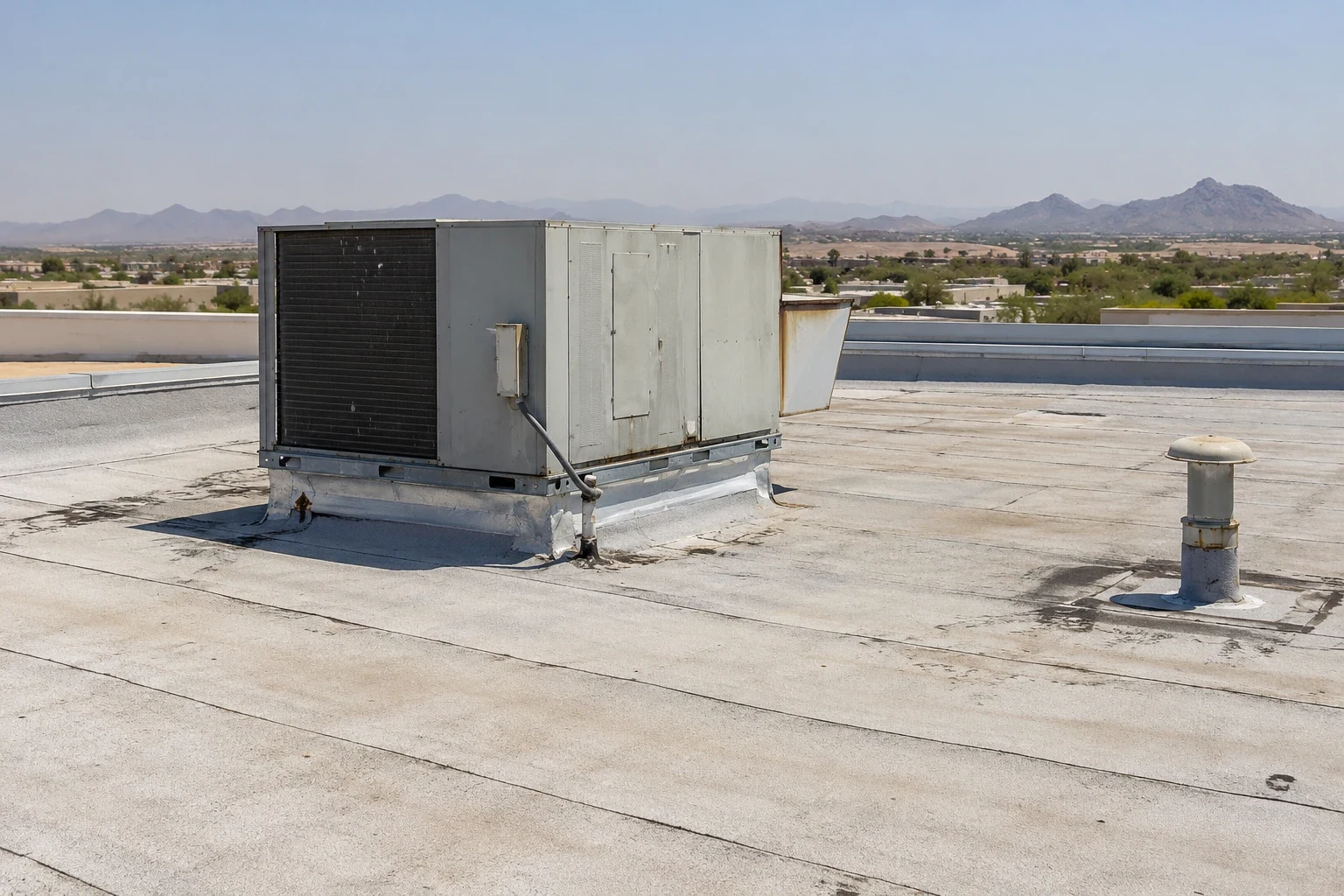
Share leak dates, interior locations, prior repair records, roof plans, and access requirements. We will trace the water path, mark a repair boundary, and provide a written record of the work and follow-up needs.