

Get a roof-zone inspection record for North Las Vegas properties, with photos, assembly observations, access notes, and clear next steps.
A roof inspection should answer a property question: where is water entering, what condition is changing, or what evidence is needed before repair or replacement is scoped? We map the request to roof zones, examine the visible assembly and details, and record access limits. The report connects photos and observations to a roof plan or measured landmarks, then separates a repairable item from a condition that needs testing. That gives the facilities team a basis to authorize the next step.
The National Weather Service describes summer monsoon periods in the Las Vegas Valley as capable of brief heavy rain and gusty wind. This is regional timing context for an inspection schedule, not proof of damage at a particular property. A building near Downtown North Las Vegas, which the city's 2006 comprehensive-plan map labels as a broad planning area, still requires its own roof and access review. For an active leak, include a leak investigation in the inspection request.
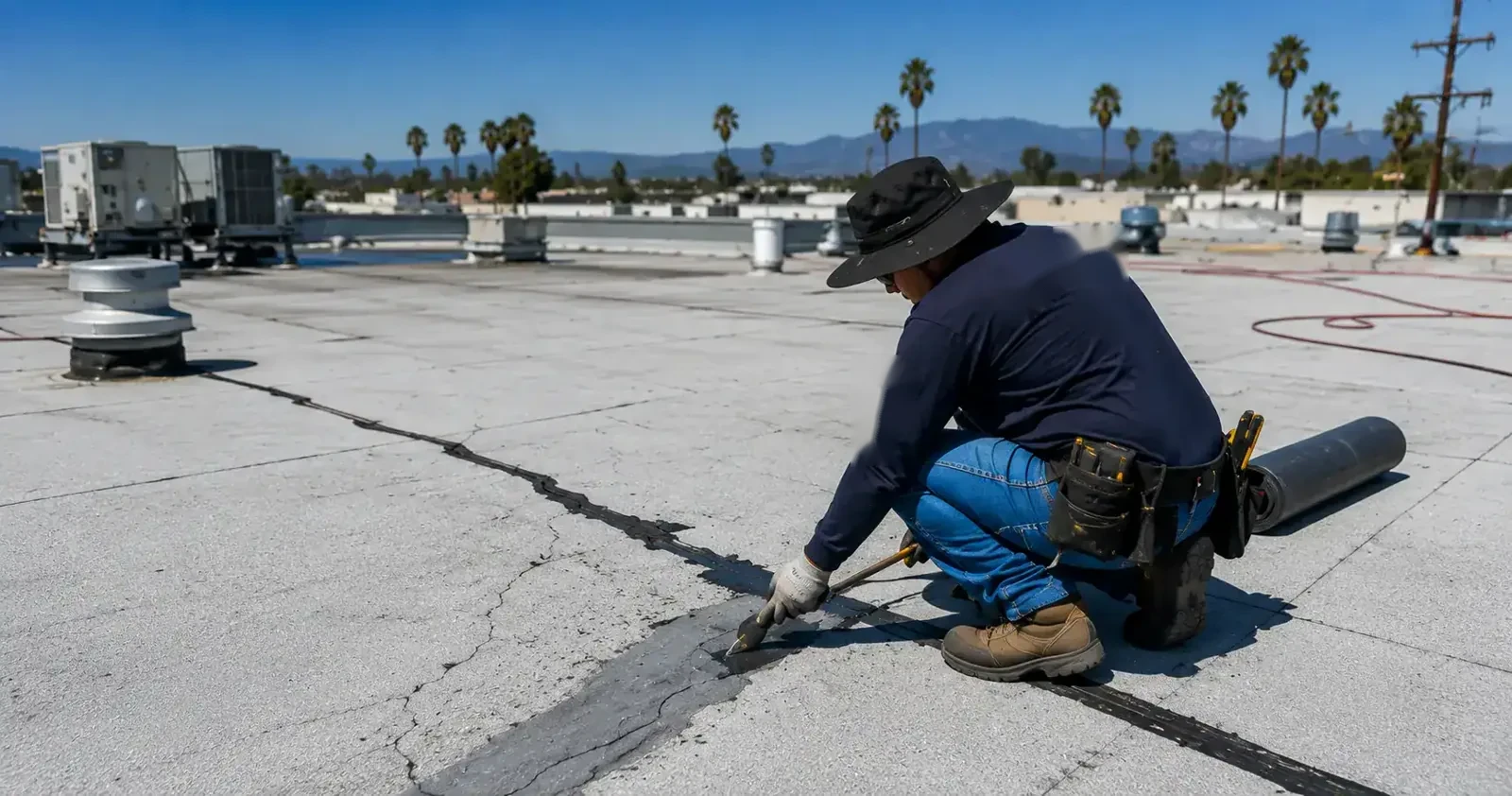
Define the question before roof access
Tell the inspector what decision is waiting: repair authorization, recurring leak diagnosis, capital planning, tenant turnover, a roof addition, or a review after storm exposure. Share the roof plan, known membrane or metal type, prior repair logs, warranty records if available, and recent equipment changes. Identify which areas are occupied, when access is permitted, and who can approve a test opening.
Choose a scope that fits the evidence required. A visual review can identify surface conditions and accessible details, but concealed moisture, deck condition, and attachment may need different tests. The report should name the method used and its limits.
COMMERCIAL ROOFING IN NORTH LAS VEGAS, NEVADA
Identify the roof assembly
Record the roof covering, visible seams or laps, attachment clues, insulation and cover-board edges where exposed, deck indicators, slope, drainage, and transitions. Note whether details appear adhered, mechanically attached, ballasted, coated, or unknown; do not infer a hidden layer from the surface alone. Check penetrations, curbs, wall flashings, expansion joints, perimeter metal, skylights, and equipment supports. The inspection should show which conditions were observed and which areas were inaccessible or concealed.
System type changes the questions. A thermoplastic membrane needs seam and flashing review; EPDM and modified bitumen have different lap and repair details. Coatings should be checked for adhesion, wear, and the substrate beneath them. Metal panels need attention to seams, fasteners, movement, and transitions. If the roof has several layers or past overlays, note the exposed edge and request records before recommending a tie-in. The TPO system review should be tied to the actual membrane found in the field.
Trace drainage and moisture evidence
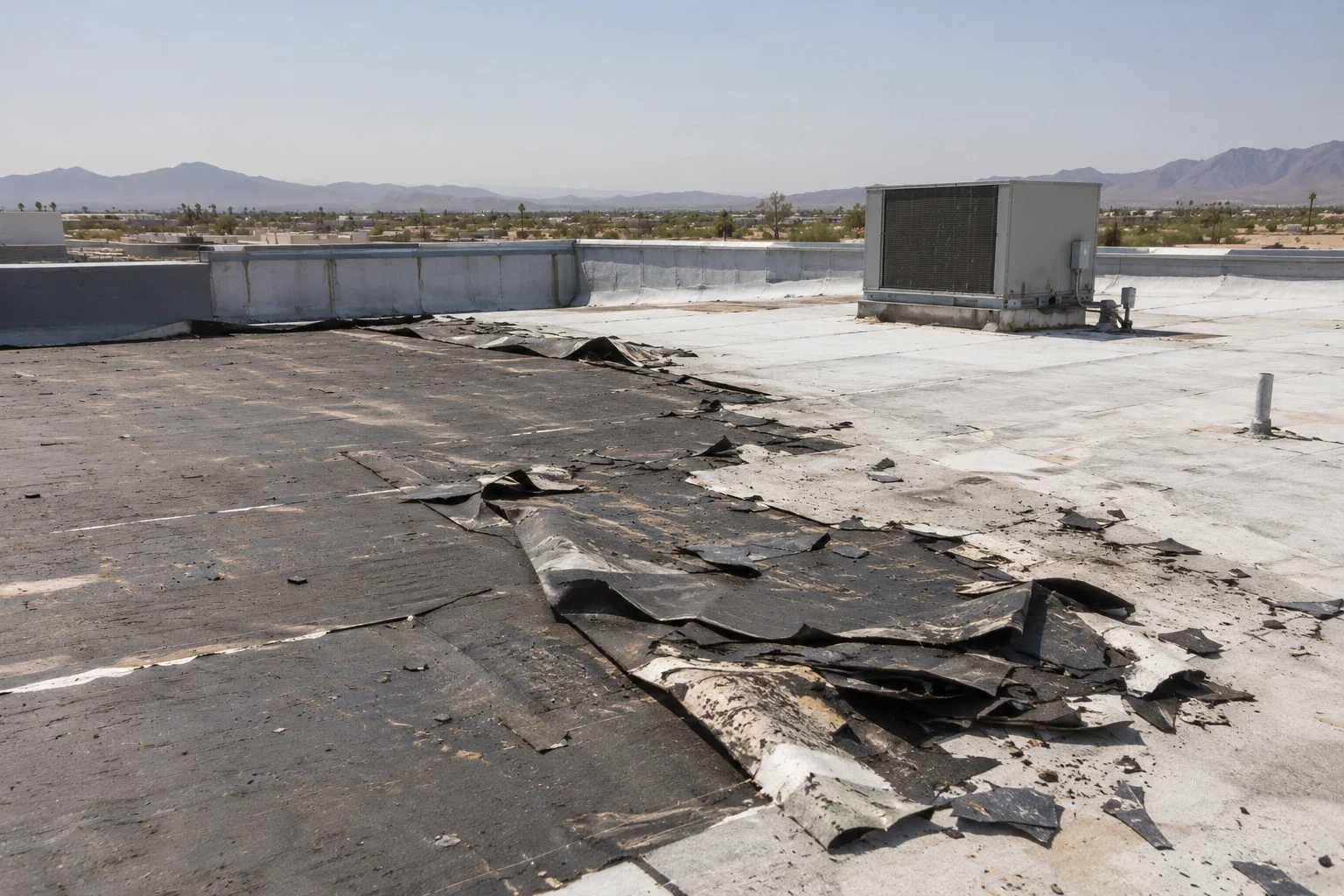
Walk the drainage path from high areas toward drains, scuppers, gutters, and edges. Note debris, blocked outlets, ponding, low points, open seams, and signs that water has crossed a detail. Interior leak locations and dates can help narrow the route, but water may travel below the surface before it becomes visible indoors.
Moisture mapping, infrared imaging, capacitance readings, and test cuts answer different questions. Weather, roof layers, surface temperature, stored heat, and moisture in the assembly can affect interpretation. Mark the area tested and explain how readings were confirmed before they are used to set a removal boundary. When material is opened, photograph each layer and the substrate. If the roof remains closed, state that concealed conditions were not directly observed instead of presenting a surface scan as a complete assembly diagnosis.
Plan around local exposure and operations
Summer heat can affect safe access, surface temperatures, and the work window for testing or repair. Schedule the inspection around the building's operating hours and the product or instrument conditions needed for reliable observations. After a monsoon event, record the event timing and reported symptoms, then inspect wind-exposed edges, drains, penetrations, and interior locations relevant to the request. The weather context helps sequence the work; the roof evidence determines the finding.
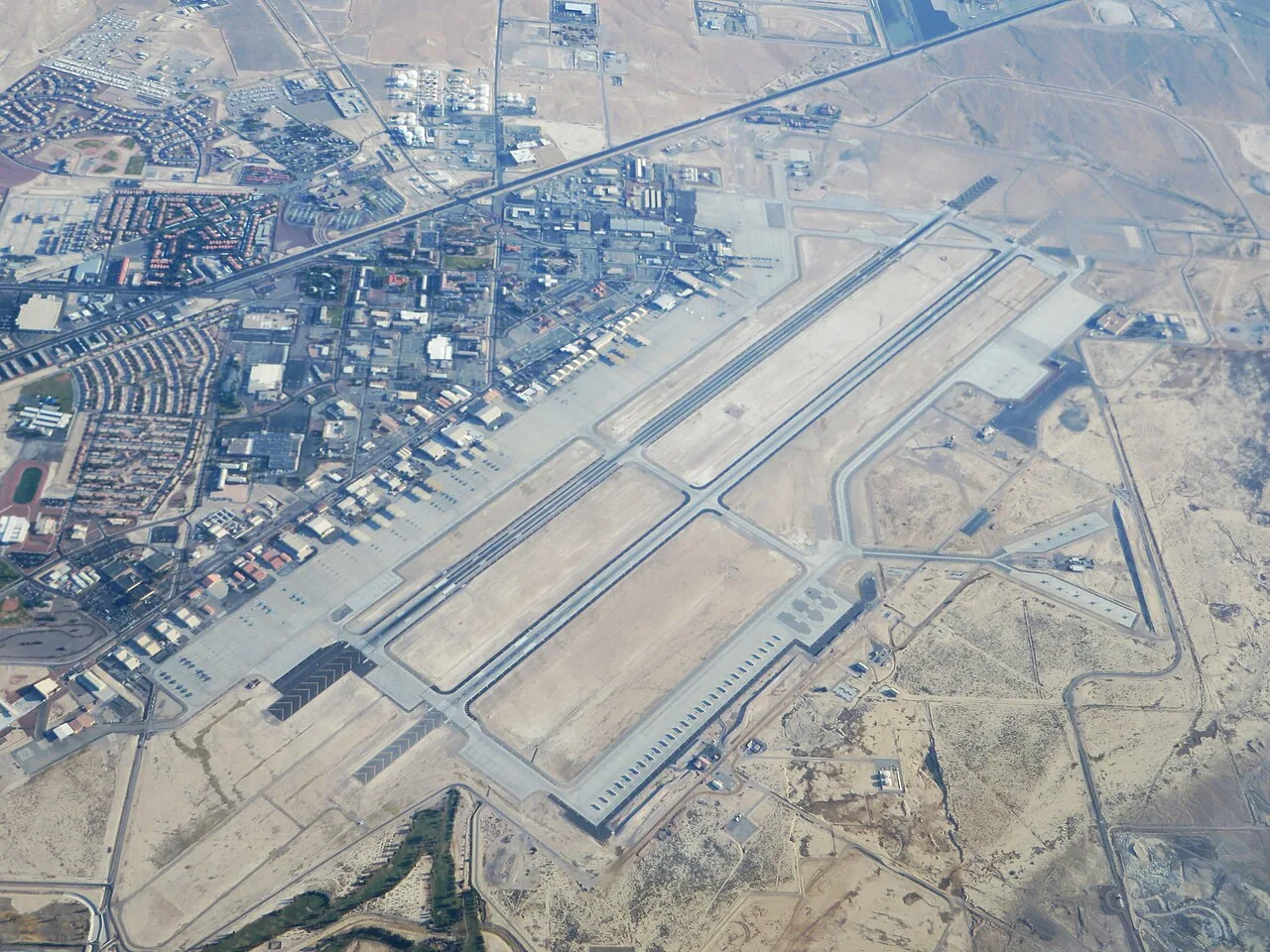
North Las Vegas includes broad service areas such as the Cheyenne Technology Corridor and the Industrial Lands. Those area names help organize service coverage but do not establish a site's current land use, roof type, or access conditions. A facilities lead should provide the property's access rules and identify equipment that cannot be interrupted before a crew reaches the roof.
Turn observations into a usable record
Each finding should include a roof-zone reference, photo, observed condition, and its effect on the decision. Distinguish an open seam from staining, loose coating from wet insulation, and a blocked drain from a membrane defect. Note urgency in practical terms: active water entry, a condition that can worsen with weather, a repair item that can be scheduled, or a question requiring testing. Avoid combining separate observations into one broad statement that hides their different scopes.
For a multi-building property, label each roof and record which areas were not inspected. The report should say whether interior access was available, whether test cuts were authorized, and what was happening at the time of inspection. If a condition depends on a product record or manufacturer detail, identify the missing information. The owner can then decide whether to request a focused repair scope, an assembly replacement evaluation, or ongoing monitoring.
Connect inspection to maintenance
Use the report to schedule near-term work and set a repeatable baseline. Clear debris from drains when authorized, document loose metal or flashing, and track patches that need observation after weather. A maintenance log should preserve date, roof zone, material, photographs, and the person who approved the work. If an area is inaccessible, record why and plan an alternate route or escort rather than leaving a blank that later readers may mistake for a clean inspection.
When several facilities are involved, use one naming scheme for buildings and roof zones. A roof condition report can carry findings into a portfolio review, while a maintenance visit updates the record after corrective work.
Prepare the inspection visit
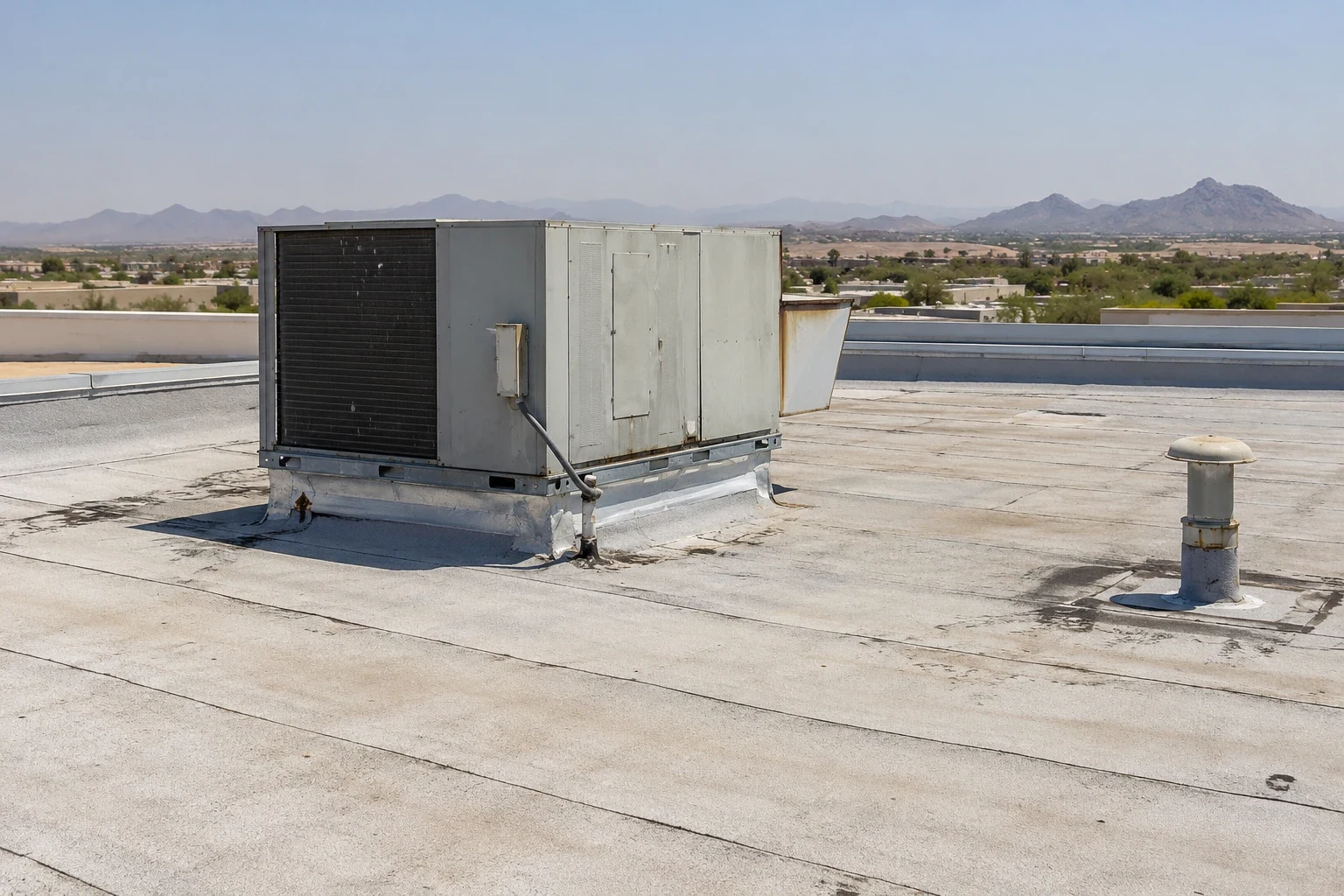
Send available roof plans, leak dates, interior photographs, repair history, system records, equipment changes, and operating constraints. Identify roof access, escort requirements, fall-protection rules, and the person who can authorize testing or opening. If the request involves an active leak, tell dispatch whether water is still entering and whether the affected area contains electrical equipment or stored goods. We can inspect properties across North Las Vegas and broad areas including Downtown.
We provide hands-on inspections, drone and infrared moisture surveys where appropriate, and written condition records with photographs. Around-the-clock service is available every day, including holidays, when an urgent response is needed. The inspection record will distinguish visible facts from items needing verification and identify who should make the next decision. That keeps the repair boundary, testing plan, and building schedule tied to evidence the owner can review.
Commercial Roofing Questions
What should a commercial roof inspection report include?
A useful report identifies the roof zones inspected, assembly observations, photos, drainage and flashing conditions, access limits, and recommended next steps. It should distinguish visible conditions from concealed areas that require testing or an approved opening.
How should concealed roof moisture be confirmed?
A surface walk alone cannot confirm concealed moisture. Infrared or other non-destructive methods can flag areas for review, while a controlled test opening may confirm layers directly when authorized. The report should say what method was used and how findings were checked.
What inspection cadence fits a commercial roof?
Timing depends on roof condition, maintenance history, operations, and weather events. Owners often schedule recurring reviews to track drainage, flashing, penetrations, and prior repairs, with an additional inspection after a reported leak or disruptive roof work.
What records should we share before the inspection?
Provide roof plans, system information, repair logs, leak dates, interior photos, equipment changes, and site access rules when available. These details help the inspector identify the right roof zones and avoid treating an unknown assembly as a known system.
Will a drone inspection replace a hands-on roof visit?
A drone can document broad surface conditions or hard-to-view areas, but it does not establish every seam, substrate, or concealed layer. The inspection method should match the question and be supplemented with hands-on review where safe and appropriate.
More Roofing Detail
Request a documented roof inspection
Share the roof plan, decision you need to make, access rules, and any leak or repair history. We will organize the inspection around the evidence needed for your North Las Vegas property.