
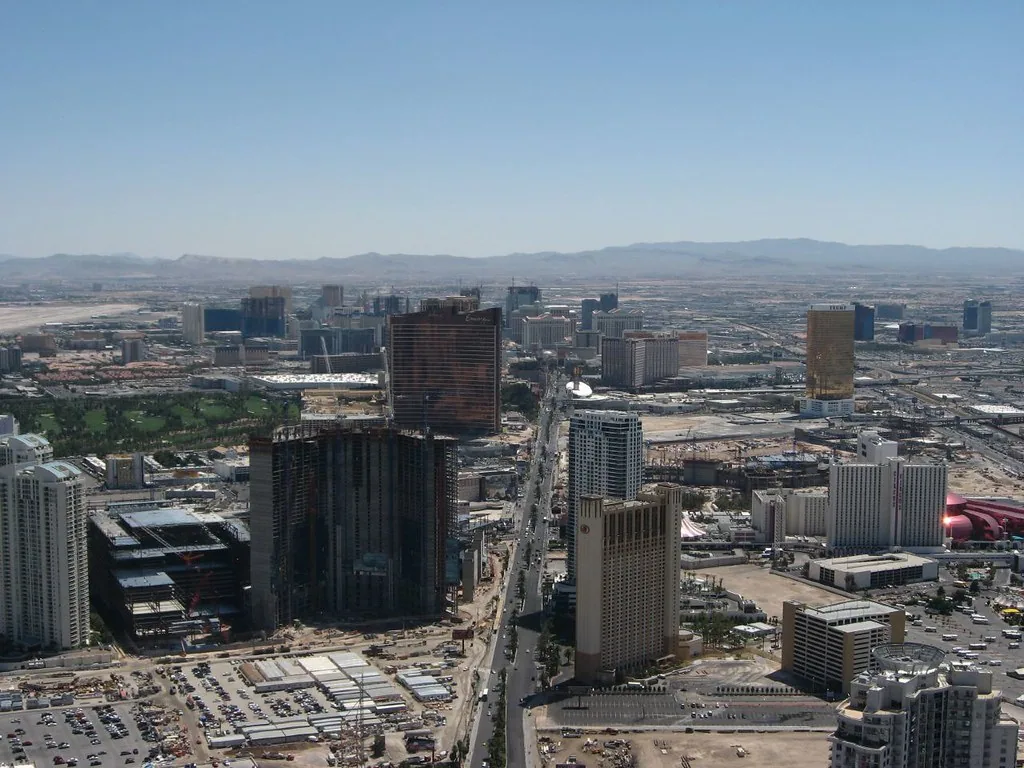
Inspect commercial roofs along North 5th Street in North Las Vegas, tracing drainage, curb details, wind exposure, access limits, and repair choices.
A roof along the North 5th Street Transit Corridor needs a work plan tied to the building, not just the corridor label. The city identifies this area as a transportation and main-street planning area, which makes access and operating windows worth confirming before a crew is scheduled. We start with the property address, roof plan, and the decision waiting: active leak, recurring repair, replacement review, or post-storm inspection. Then we map the roof zones and identify what can be checked safely.
Monsoon moisture can reach the Mojave Desert in July and August, and the resulting gusts and heavy rain may flood low areas along the corridor. That regional timing helps frame an inspection request, but it does not establish a defect on a particular roof. We trace reported entry through seams, drains, curbs, and edges, then compare field observations with the interior report. A commercial roof inspection records the evidence and the limits of access before scope is priced.
Match the address to the access plan
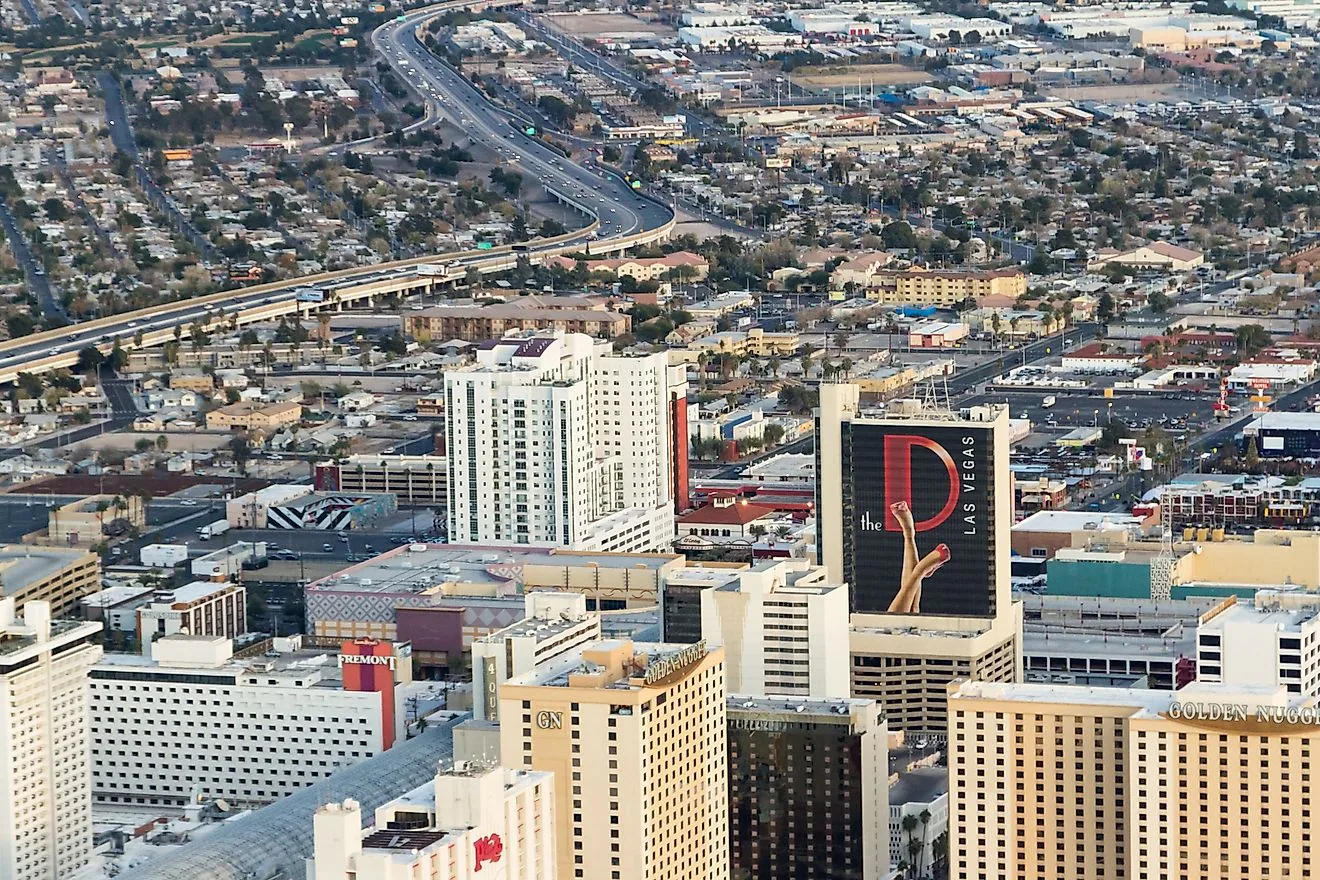
A corridor reference is useful for dispatch, but the actual address controls roof access, staging, and jurisdiction questions. Confirm the building contact, loading hours, access point, escort needs, and any delivery or pedestrian routes that must remain clear. If the roof serves several occupied spaces, identify who can approve temporary closures or interior access. Those details affect sequence and crew movement; they do not change the repair boundary established by the roof condition.
Downtown North Las Vegas and Apex Industrial Area are separate broad names in the city framework, not substitutes for the job address or roof plan. We keep each request tied to the correct property and roof map. For a suspected leak, provide the room, date, weather event if known, and equipment above it. A leak investigation can follow that report toward the nearest drain, edge, penetration, or wall transition.
Commercial Roofing Questions
Does a corridor label define the work area?
No. The property address, roof plan, and the condition observed on site define the work area. We use the corridor name for general location context, then map findings to the correct building and roof zones.
What should be documented after a monsoon leak?
Give the date, interior location, roof level if known, and any recent equipment work. We record the event timing as context, trace the likely route, and separate visible conditions from areas needing moisture testing.
How can a crew keep a repair boundary tight?
The crew checks the defect, nearby seams and details, and the substrate evidence before setting the line. Photographs and measurements then show what is included and what remains outside the repair.
When is a test opening useful?
A controlled opening can confirm layers and substrate where non-destructive readings or surface observations leave a material question. We identify the proposed location, obtain approval, and record each layer before recommending removal limits.
What records help compare recover and replacement?
Share roof plans, prior scopes, system information, repair history, and any available layer or attachment records. The comparison also depends on drainage, condition, access, and project code requirements.
More Roofing Detail
COMMERCIAL ROOFING IN NORTH LAS VEGAS, NEVADA
Read the roof by zone
Record the membrane or metal system only when it can be identified. On a low-slope roof, note seam type, attachment clues, patch history, cover board edges, and changes around curbs or expansion joints. On metal, inspect panel laps, fasteners, movement points, and perimeter conditions. A surface finish alone does not establish the layers below. If the assembly remains uncertain, identify the records or test opening needed before a repair is designed.
Trace drainage from high points through bowls, scuppers, and outlets. A slow drain, pond, or stain is an observation, not a complete diagnosis. We photograph debris, open laps, displaced flashing, or soft material by zone and compare each item with the leak dates. If the roof uses a thermoplastic membrane, a PVC system review should follow the installed product and its detail requirements, with transitions checked where materials meet.
Separate a visible defect from a hidden condition
Look first at the reported area, then expand only as the evidence calls for it. A split at a seam, loose termination, puncture, or failed curb detail may support a bounded repair. Moisture beneath the membrane, repeated patches, or movement at the deck can require testing or a larger review. We mark what was observed, what was opened, and what stayed concealed. This keeps a proposal from treating an untested area as sound or assigning removal beyond the evidence.
Infrared, capacitance, and test cuts answer different questions. A surface scan may flag an area for confirmation; an approved opening can show the assembly directly. The record should name the method, location, and result, then map any proposed removal line. If conditions vary across roof zones, document them separately rather than averaging the findings. A moisture survey can support that evaluation when the roof and conditions are suitable for the method.
Review edges after a reported event
Wind events in the valley peak in spring and fall. Stronger winds are infrequent, but blowing dust or sand can accompany them. After a reported event, inspect the perimeter, coping, metal terminations, curb flashings, rooftop equipment supports, and exposed seams. Compare new movement or debris with prior photos when available. The weather report sets timing; the observed assembly determines whether the scope is a repair, monitoring, or further testing.
At a roof edge, the details may include a termination bar, cleat, coping, fastener row, or membrane turn-up. Record separation, distortion, missing fasteners, or a path for water, then check whether the condition continues beyond the visible point. A wind-damage assessment can tie photographs and repair limits to the affected zones. Avoid extending the work into undamaged areas unless inspection shows the same condition there.
Choose a scope that fits the evidence
Cost and timing follow the assembly, access, work height, material quantities, detail count, preparation, and any approved testing. A local flashing defect can be less disruptive than removing multiple layers, but the repair must connect to sound material. If moisture, poor attachment, or repeated failures extend across zones, compare testing and replacement options before work begins. We show the owner which assumptions affect scope and which conditions would change the proposal.
When the existing assembly and code conditions permit, a recover option can be evaluated against replacement. The review should account for existing layers, attachment, drainage, added loads, and project requirements. A written condition report can preserve photos, findings, exclusions, and options for approval. Each option should state the repair boundary and any area that remains subject to testing or access.
Leave a record for the next visit
Closeout notes should identify the roof zone, material, repair limits, photographs, and any work that could not be completed. Keep product information and installation notes with the building record when supplied. If a temporary measure remains, mark its location and the next inspection point. A second crew should be able to find the same curb, seam, drain, or edge without guessing from a broad description such as “north side.”
For North 5th Street Transit Corridor properties and Downtown North Las Vegas requests, the place name helps orient the service call; the building record carries the roof details. Schedule a maintenance inspection after repair or before the next planned capital review. Check the same zones, clear accessible drains when authorized, and note changes in seams, flashings, and equipment transitions. That record helps the owner compare the next decision with prior observations instead of relying on memory.
Schedule around the building
Share the North 5th property address, roof plan, leak or repair history, access rules, and operating windows. We will map the relevant zones and identify the evidence needed for a defined scope.