
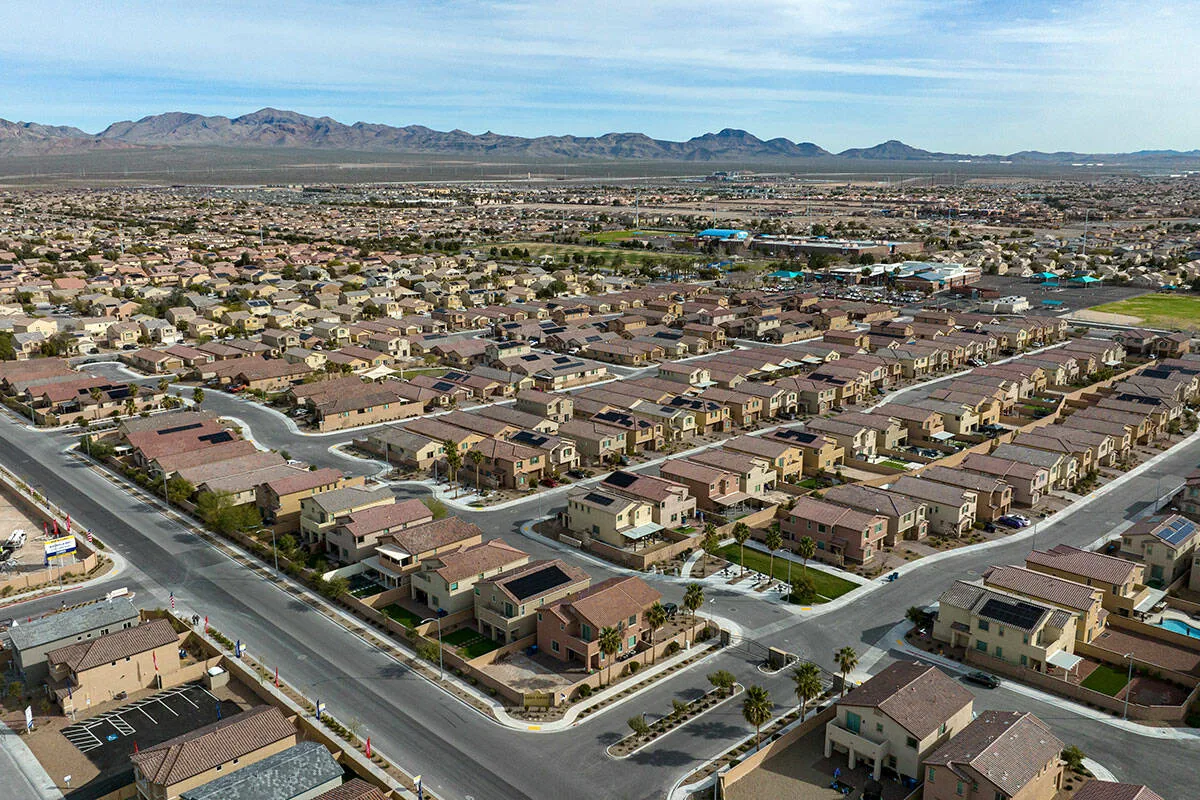
Assess roof assemblies and drainage for North Las Vegas properties in the Northern Development Area, with access planning and evidence-based repair limits.
A roof request in the Northern Development Area needs the current property address before anyone can describe access, roof type, or scope. The city's framework map uses the area name as a broad planning label, not a statement about today's zoning or construction status. We treat it as a location reference, then inspect the actual building: identify visible assembly layers, mark drainage paths, check penetrations and perimeters, and relate any leak report to the roof zone above it.
Summer monsoon storms in the Las Vegas Valley can bring heavy rain and gusty wind, with water capable of collecting in normally dry low areas. That weather context matters when scheduling a response, but it does not diagnose a roof in North Las Vegas. Give us the reported time, interior location, and any recent rooftop work. A leak investigation can start with the likely entry path while preserving the distinction between visible conditions and areas that need testing.
Confirm the place and project record
A planning-area name can orient a service request, but the permit jurisdiction, property boundary, roof access, and operating contact must be checked for the specific job. Share site plans, roof drawings, prior proposals, repair tickets, and any records that identify membrane or deck type. If those documents disagree with field conditions, record the mismatch before scope is set. A roof with unknown layers should stay marked unknown until a safe inspection or approved opening resolves the question.
The Northern Development Area, Apex Industrial Area, and Industrial Lands are broad North Las Vegas planning references. That distinction helps keep location records organized; neither label substitutes for an address or confirms a building's use. A roof inspection should map the actual roof levels, access points, and zones so the report belongs to the right property and the next reviewer can follow the same evidence.
Commercial Roofing Questions
Does the Northern Development Area label mean a property is under construction?
No. The area name is a broad planning reference. Current property use, access, jurisdiction, and roof conditions must be confirmed at the actual address before a project is scoped.
How should a roof inspection follow a heavy-rain report?
Start with the time and interior location, then inspect the related roof zone, drains, seams, penetrations, and edges. We record what is visible and identify testing needed for concealed moisture.
Can one inspection cover several roof levels?
Yes, when access and scope allow. Each level and assembly should have its own zones, photographs, observations, and areas not inspected so findings do not get blended across different conditions.
What changes a repair into a replacement review?
The extent of wet materials, repeated failures, attachment, layer count, deck condition, and repair compatibility can shift the recommendation. We document those items and compare a repair boundary with broader options.
What should be ready before a crew arrives?
Provide roof plans, access rules, safety requirements, operating hours, repair history, and the person authorized to approve testing or shutdowns. Those details let us plan the visit around the property instead of guessing.
More Roofing Detail
COMMERCIAL ROOFING IN NORTH LAS VEGAS, NEVADA
Separate roof zones and materials
Record each roof surface by level and assembly. Note membrane seams, laps, metal panel joints, coating transitions, exposed insulation edges, curbs, skylights, and perimeter details where visible. Mark where the system changes or past repairs interrupt it. Do not assume a coating covers the same substrate across the roof, or that one test result applies to a different zone. Those distinctions matter when deciding whether repair materials can bond and where removal should stop.
At penetrations and wall transitions, inspect flashing, sealant, fasteners, and the path water could follow beneath the surface. A cover-board and insulation review can document visible edges or confirmed layers when that information affects repair or replacement. If the roof plan omits newer equipment, add its location and date to the record. The details help explain why an otherwise similar area may need a different repair method.

Trace stormwater through the assembly
Walk from high points to drains, scuppers, gutters, and edges. Note slope changes, debris, low spots, and any water crossing a seam or flashing detail. A report of heavy rain may make drainage a priority, yet a pond alone does not establish a membrane failure. We photograph the outlet and surrounding roof zone, then inspect the nearest details and interior area tied to the complaint. If the route remains unclear, identify the test or access needed rather than expanding the repair by assumption.
Flash flooding is a regional concern during some monsoon storms, but the roof inspection still needs property evidence. Check whether water entered at a roof penetration, perimeter, drain, or a building opening below roof level. Record interior staining, active moisture, and the date each condition was observed. A drainage detail inspection can distinguish an accessible blockage from a roof defect, while a moisture survey may help identify areas for confirmation where conditions suit the method.
Review edges and penetrations
Wind and dust can affect exposed terminations, coping, equipment supports, and membrane transitions. After a reported event, compare those details with earlier photographs or repair notes. Look for displaced metal, open seams, loose flashing, or debris at an edge, then check whether the same condition continues into adjoining zones. The weather report can help place the request in time; it does not establish that the building sustained damage or determine a repair boundary.
If a detail is loose, check its attachment and the substrate before selecting a fastener or sealant repair. A wind-related roof assessment can tie the observed condition to the project record. If repair, recover, or replacement are all plausible, compare them by affected area, removal, access, and preparation. A focused repair should identify what is included and where monitoring or additional testing remains necessary.
Plan a safe work window
Heat exposure, wind, and changing storm conditions can affect access, crew movement, and material application. Confirm product limits for the planned work and recheck conditions before mobilization. Site rules also matter: identify roof hatches, escorts, loading areas, fall protection, active equipment, and spaces where a test opening needs approval. The facilities contact should decide which operations may pause and which must remain uninterrupted during inspection or repair.
For a multi-zone project, separate access and protection by work area. A phased work plan can identify tenant notices, temporary protection, and sequencing around building use. State which assumptions affect timing, such as an approved test cut, verified material delivery, or shutdown window. If a concealed layer changes the repair boundary, stop at the agreed hold point, document the finding, and obtain direction before proceeding into another zone.
Choose repair, recover, or replacement
A localized puncture or failed flashing may be repairable when adjacent membrane and substrate remain suitable. Repeated leaks, widespread wet insulation, poor attachment, or several incompatible layers can change the decision. We document the observations, identify what remains unknown, and compare options on the same roof areas. Cost depends on access, assembly, removal, repair details, materials, and preparation; schedule depends on testing, approvals, weather limits, and the building's operating window.
A recover review should confirm existing layers, attachment, moisture, drainage, and project requirements before covering the roof. When replacement is considered, document removal limits and tie-ins to walls, curbs, drains, and metal edges. A written roof condition report can preserve photographs, decision points, exclusions, and the basis for the selected scope. The owner can then approve a defined option rather than a general allowance.
Bring the site record
Send the North Las Vegas property address, roof plan, reported condition, prior repairs, access rules, and operating limits. We will document the affected zones and the evidence needed for the next scope decision.