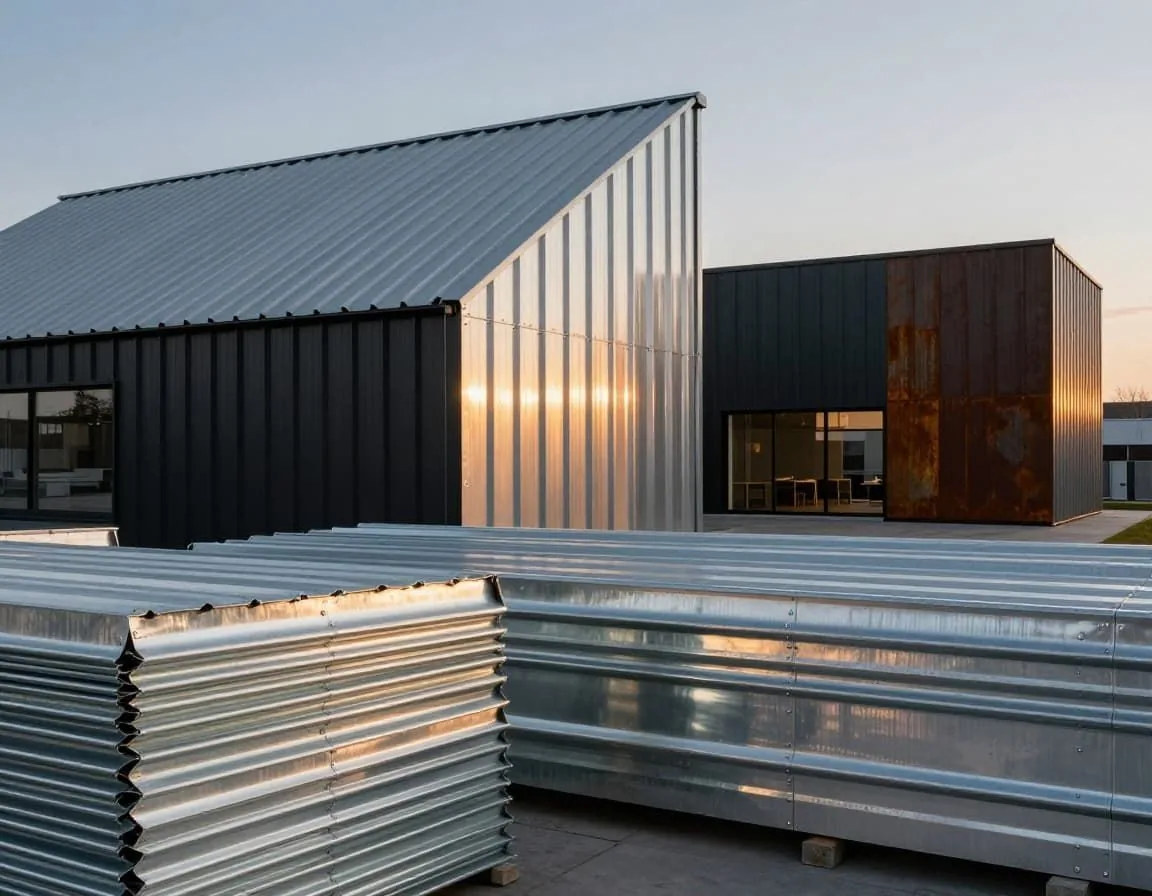
Standing seam metal roofing in North Las Vegas, NV: clip and seam inspection, thermal movement, penetration flashing, wind uplift, and finish wear.
A standing seam roof that rattles in wind or shows a wavy pattern across its flat panel surface is moving, and the movement is the thing to investigate. Panels are meant to slide on their clips as the metal expands and contracts. Panels that cannot slide bind and buckle, and clips that have walked out of position let seams open. A manager can see the early signs from the ground: ripples, a visible gap at a ridge or eave, or a seam that has lifted.
Standing seam is a metal roof of long interlocking panels with raised seams and concealed clips, so the fasteners that hold the panels are not exposed to weather. We inspect, repair and maintain these roofs on North Las Vegas commercial buildings. The inspection has to establish the seam type, the clip system, the condition of penetrations and flashings, and the state of the finish before a scope is selected.
Seam and Clip System: What Holds the Panel
There are two main seam types. Snap-lock seams press together and rely on the clip and panel shape. Mechanical seams are rolled shut with a seaming machine, which makes a tighter, more weather-resistant joint. The type is visible from the profile of the seam and from records, and it controls what repairs are possible. A snap-lock seam can sometimes be re-engaged. A mechanical seam that has opened needs to be re-seamed or sealed.
Concealed clips fasten the panel to the deck and allow it to slide. We inspect clip spacing where accessible, look for clips that have shifted, and check the ends of panels at the eave and ridge, where movement shows first. Fasteners at panel ends and at trim are exposed and are the usual leak sites. Each finding is recorded by roof zone, with photographs, so later visits can compare.
Dissimilar metals deserve a look. Fasteners, trim, and flashings of a different metal than the panel can set up galvanic corrosion at contact points, especially where moisture lingers. We note staining, white deposits, and pitting at those junctions and replace incompatible parts with matching material.
Commercial Roofing Questions
Why do standing seam panels ripple or buckle?
Panels buckle when they cannot slide as they expand and contract, usually because a fixed fastener, a tight trim piece, or a clip out of position is holding them. Oil canning, a cosmetic waviness in flat panels, is different and does not mean a leak. We inspect clips and attachments to find what is holding the panel and recommend a fix that frees it.
Can a leaking seam be sealed with caulk?
Sealant can stop a leak for a time, but it is a temporary repair on a roof that moves. The better fix reseams or re-engages the seam, or replaces the section, so the joint works as designed. We record sealant repairs as temporary and schedule a follow-up check, since sealant at a moving seam often releases during the next hot season.
How is a standing seam roof walked safely?
Walk on the flat of the panel near the seams or the supports, avoid stepping on trim, and use planks or pads where required. Standing seam panels can dent and slip under boots, so fall protection and care are needed. We plan access routes and note slippery areas in advance, and we avoid walking on damp or dusty panels when possible.
What records help when a metal roof is repaired?
The panel profile and gauge, the clip type, the finish, and the original specification. If those are missing, we measure panels and photograph seams and clips. A matching repair needs the same seam type and compatible metal, and the record lets a later crew order the right parts instead of adapting whatever is on the truck.
More Roofing Detail
COMMERCIAL ROOFING IN NORTH LAS VEGAS, NEVADA
Thermal Movement in Desert Heat
Metal expands in heat and contracts at night, and long panels move more than short ones. Daily heat in a sunny desert moves panels against their clips and laps, so fastener and clip condition are checked first. Whatever the exact temperature on a roof, the daily swing works the clips, trim, and sealant every day.
The detail that matters most is whether the panel is free to move. Penetrations, curbs, and trim pieces must allow for the movement of the panel around them, and fixed attachments in the wrong place lock the panel and cause buckling or tears. We look for rubbed paint, cracked sealant, and elongated holes as signs that the panel is moving against something. A repair that fixes a point in place may cause the next failure, so the fix has to allow movement.
Penetrations, Curbs, and Edges
Every roof opening on a standing seam roof has a custom flashing, and every one has to respect the panel movement. Curbs for rooftop equipment often sit on the high side with a saddle behind them, or span the panel with a framed opening. Pipes pass through boots or flashings that seal to the panel. Corners and ends are formed from sheet metal and sealed, and these are the places that leak first.
Our work on skylight and penetration flashing starts with the curb and its flashing details, checking that the metal is clean, the sealant is compatible, and fasteners are set where they will not bind the panel. The roof edge gets the same attention. Edge metal and gutters take the wind first, and loose trim lets the wind under the panels at the perimeter.
Emergency leaks through a metal roof are often stopped first with a temporary seal at the entry, which our crews place at any hour, and followed by a permanent correction after the cause is traced. The temporary seal is logged with a date and location so it cannot be forgotten.
Wind Uplift and Finish Wear
Wind events come more often in spring and fall, and winds above 50 mph, though infrequent, carry blowing dust and sand across the panels. Standing seam roofs resist uplift through their clip system and seams, and trim at the perimeter is the weak point. After a wind event, we walk the edge, check for lifted trim and displaced panels, and photograph damage for the record. A wind damage repair scope starts with the eave and rake.
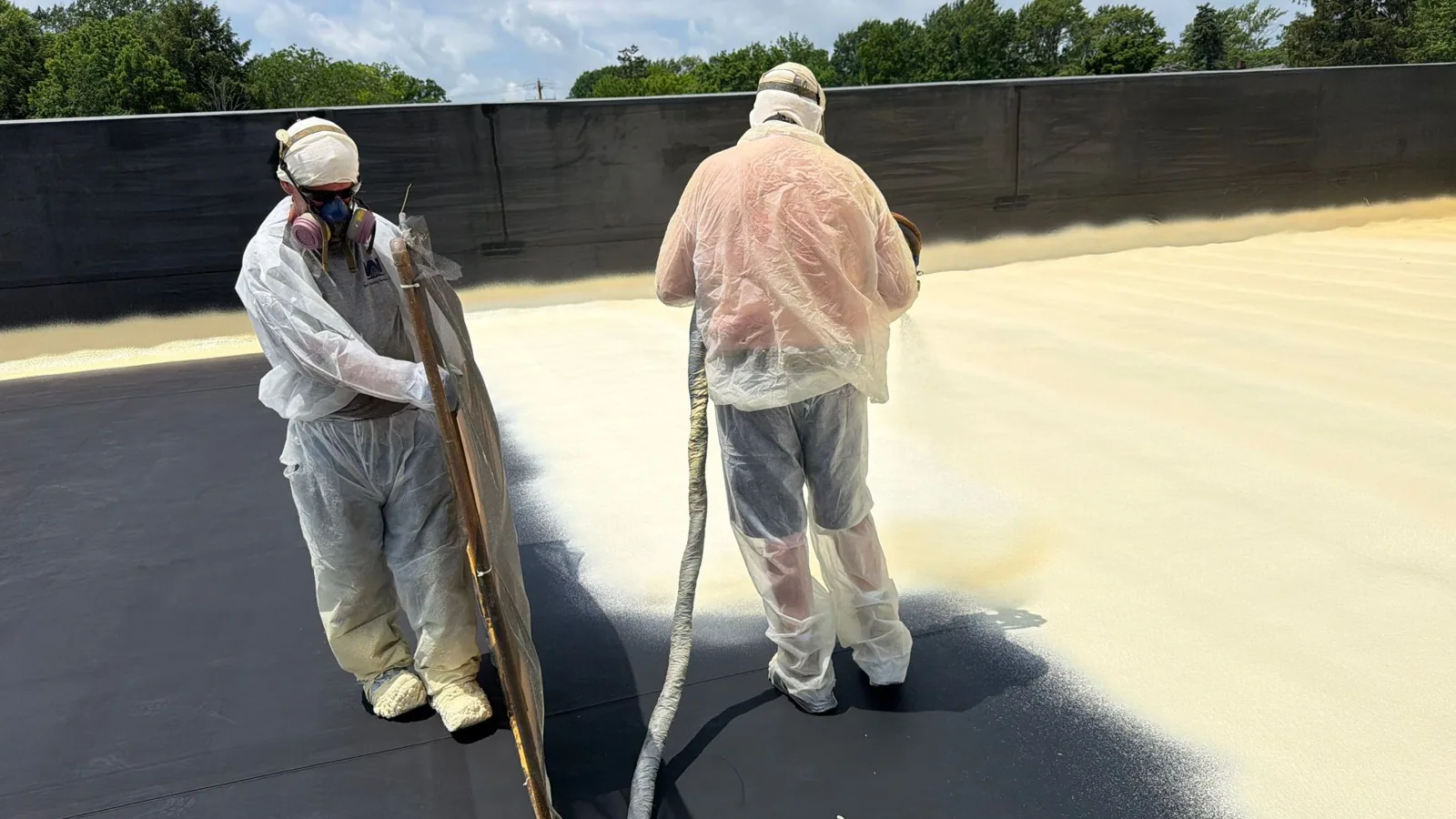
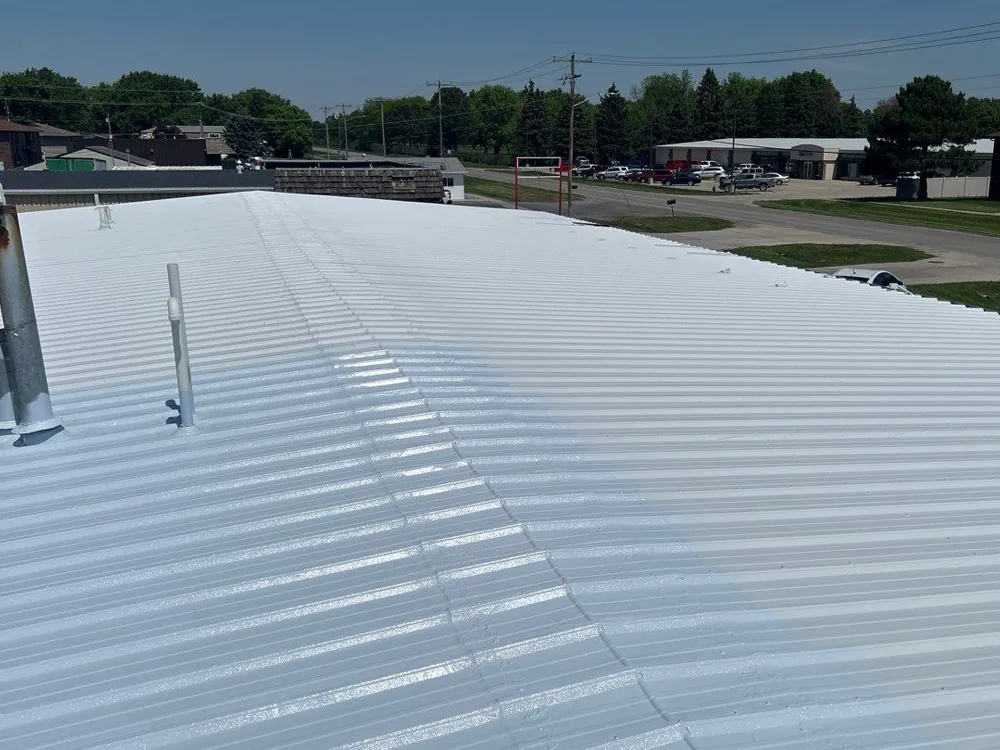
Finish wear is slower. Paint coatings chalk, fade, and sometimes peel, and scratches expose bare metal that can corrode. A chalky but intact finish may take a cleaning and, if needed, a compatible coating. Where the finish has failed through to the substrate, the panels need preparation and a protective system. Silicone coating systems are one option on a sound roof.
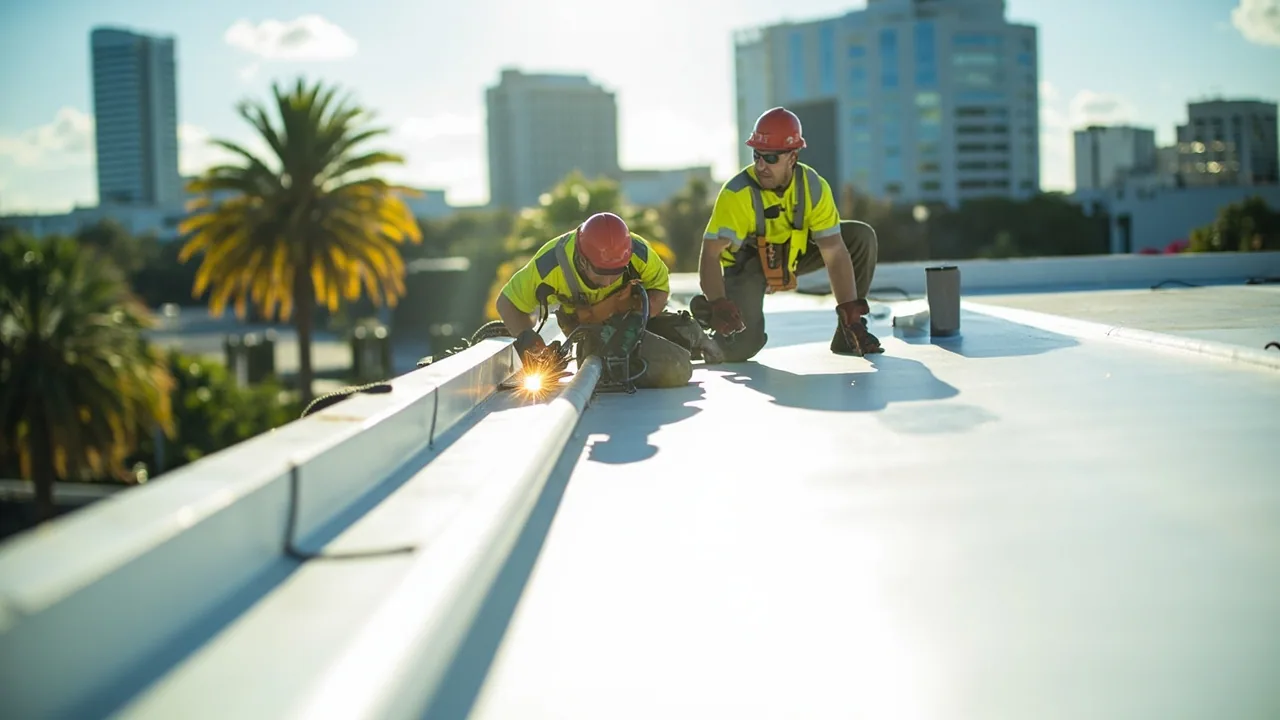
Repair, Restore, or Replace: Setting the Boundary
The inspection results sort into three groups. Local leaks at trim, flashing, or panel ends get repaired with compatible sealant and metal. A roof with sound panels but aging finish and sealant gets a maintenance and coating plan. A roof with failed clips, buckled panels, or widespread corrosion needs a larger plan that may include a metal roof retrofit or replacement.
Planning labels on the city's map name the Industrial Lands as an employment district and the Northern Development Area as a planning area, and the map is a 2006 snapshot, so current conditions must be confirmed. In either setting, metal roofs on new or existing buildings need a record of the original panel, clip, and finish, so repairs and replacements match.
Cost drivers for metal roof work include panel profile availability, access for lifts, and the amount of trim to be replaced. They are stated qualitatively in the scope with the quantities measured, so the owner can compare options on the same basis.
Send the Panel Details and Leak History
Share roof plans, access rules, leak dates, repair history, equipment changes, and operating-hour constraints. We will inspect the standing seam roof and return a defined scope for repair, restoration, or replacement.