Review coating condition, drainage, and substrate evidence for commercial roofs in North Las Vegas before choosing restoration or another repair path.
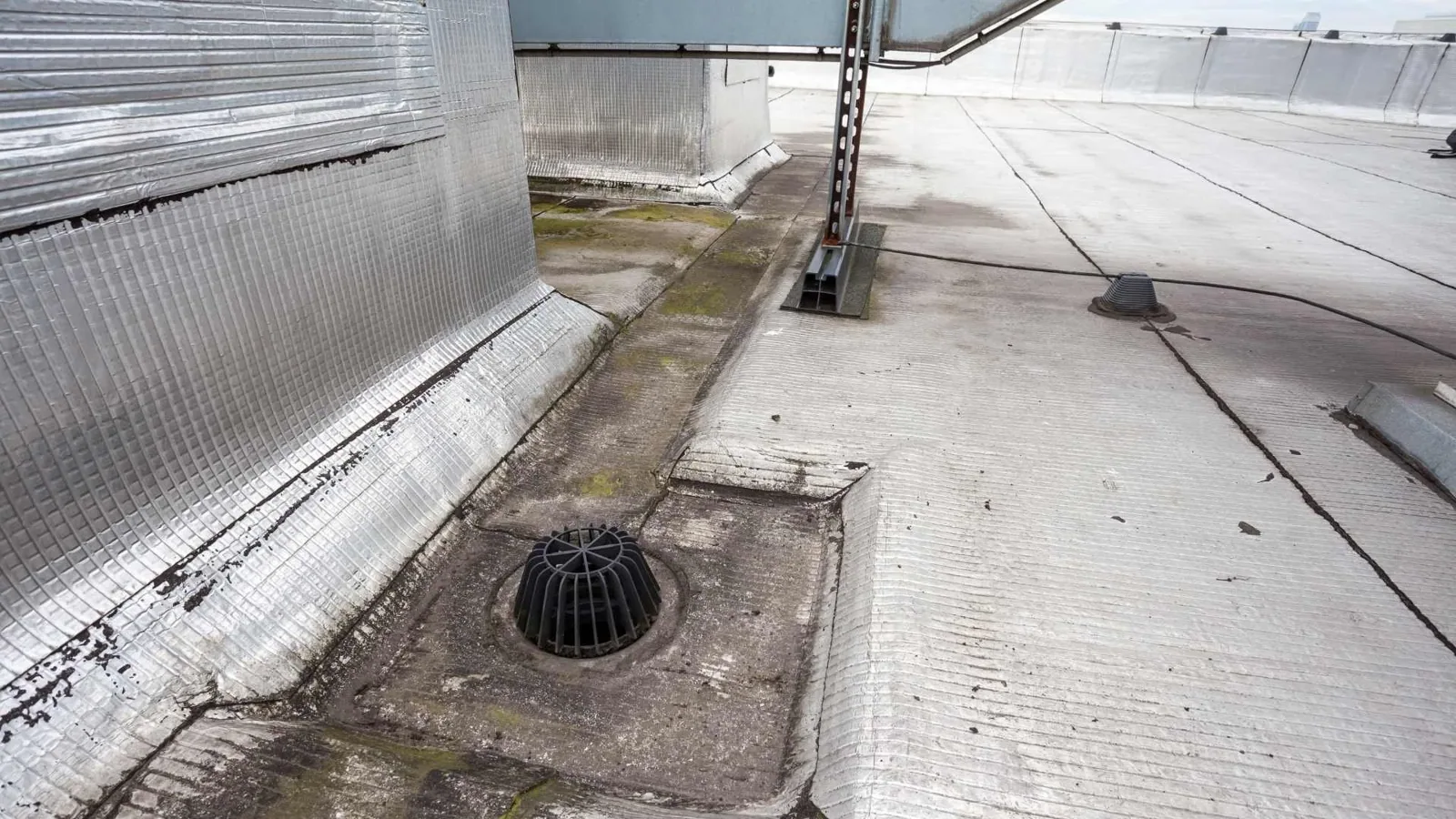
Surface chalking or a worn coating does not tell a facilities lead whether another layer is appropriate. First identify what is on the roof, how it is bonded, and whether water or movement has already affected the underlying assembly. In North Las Vegas, our inspection starts with the roof zones, visible coating condition, drainage path, penetrations, and repair history. We look for blisters, open seams, exposed reinforcement, ponding, and areas where the coating has released, then separate those observations from conditions that need testing.
The National Weather Service describes summer monsoon storms and gusty winds across the broader Las Vegas Valley. That regional context can help schedule access and explain why a leak report followed a storm, but it does not establish the entry point or suitability of a coating on a particular property. Before discussing restoration, we document what the existing system can support and what evidence is still missing. A commercial roof inspection can define that first decision.
Identify the coating and roof assembly
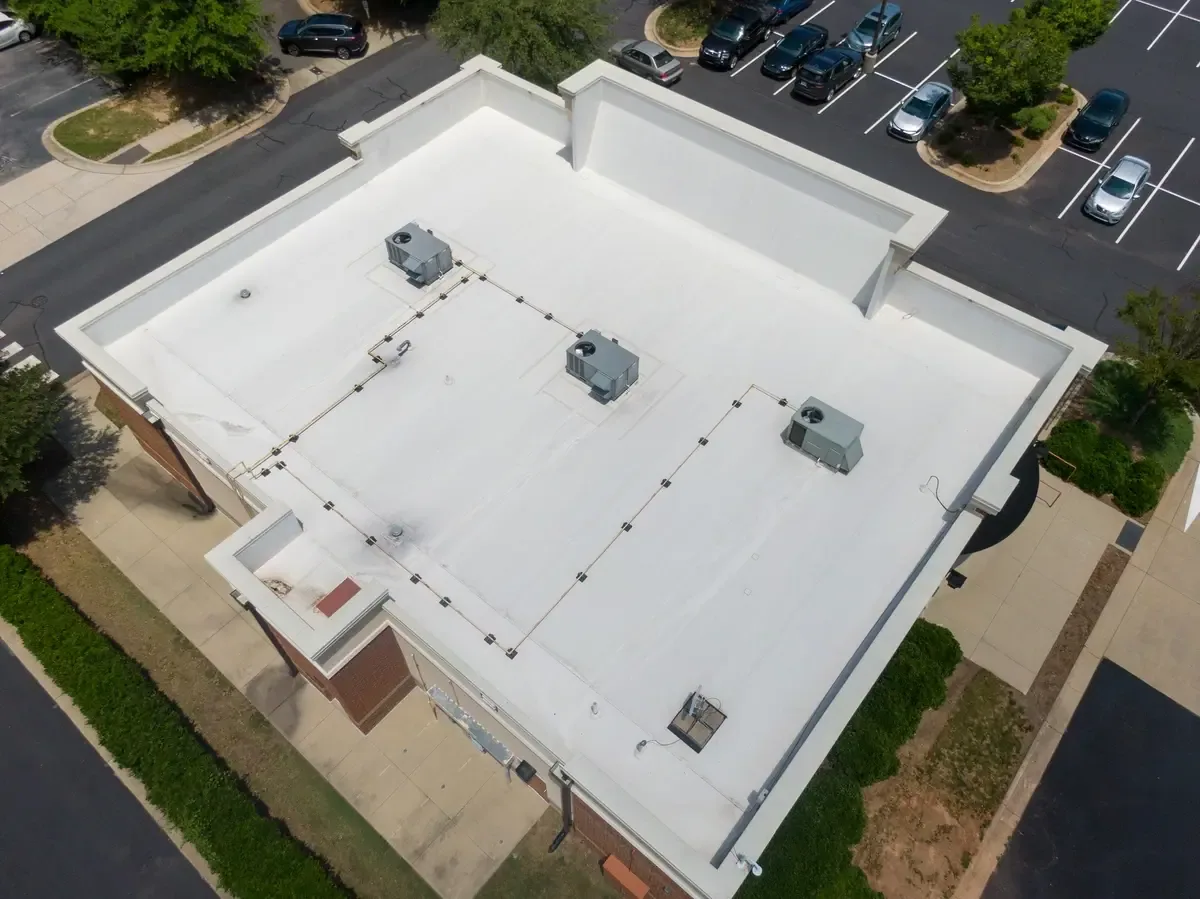
Record the roof type, coating product if it can be verified, approximate application history, prior repairs, and any areas where the surface changes. A coating over a sound substrate presents a different question from one over wet insulation, an unstable membrane, or a deck with movement. Review project records and labels when available. If the material cannot be identified confidently, note the uncertainty rather than select a primer or repair product by color alone.
Walk the roof by zone and map seams, drains, curbs, penetrations, expansion joints, perimeter edges, and equipment traffic. At a coating transition, note whether the bond looks intact, whether fabric or reinforcing is exposed, and whether water collects nearby.
COMMERCIAL ROOFING IN NORTH LAS VEGAS, NEVADA
Trace failures before setting the scope
Look for loss of adhesion, cracks, punctures, pinholes, open reinforcement, surface erosion, and splits around details. Note whether the condition is dry, soft, displaced, or visibly wet, and record what could not be checked from the surface. Do not treat a uniform appearance as proof that the layers below are dry.
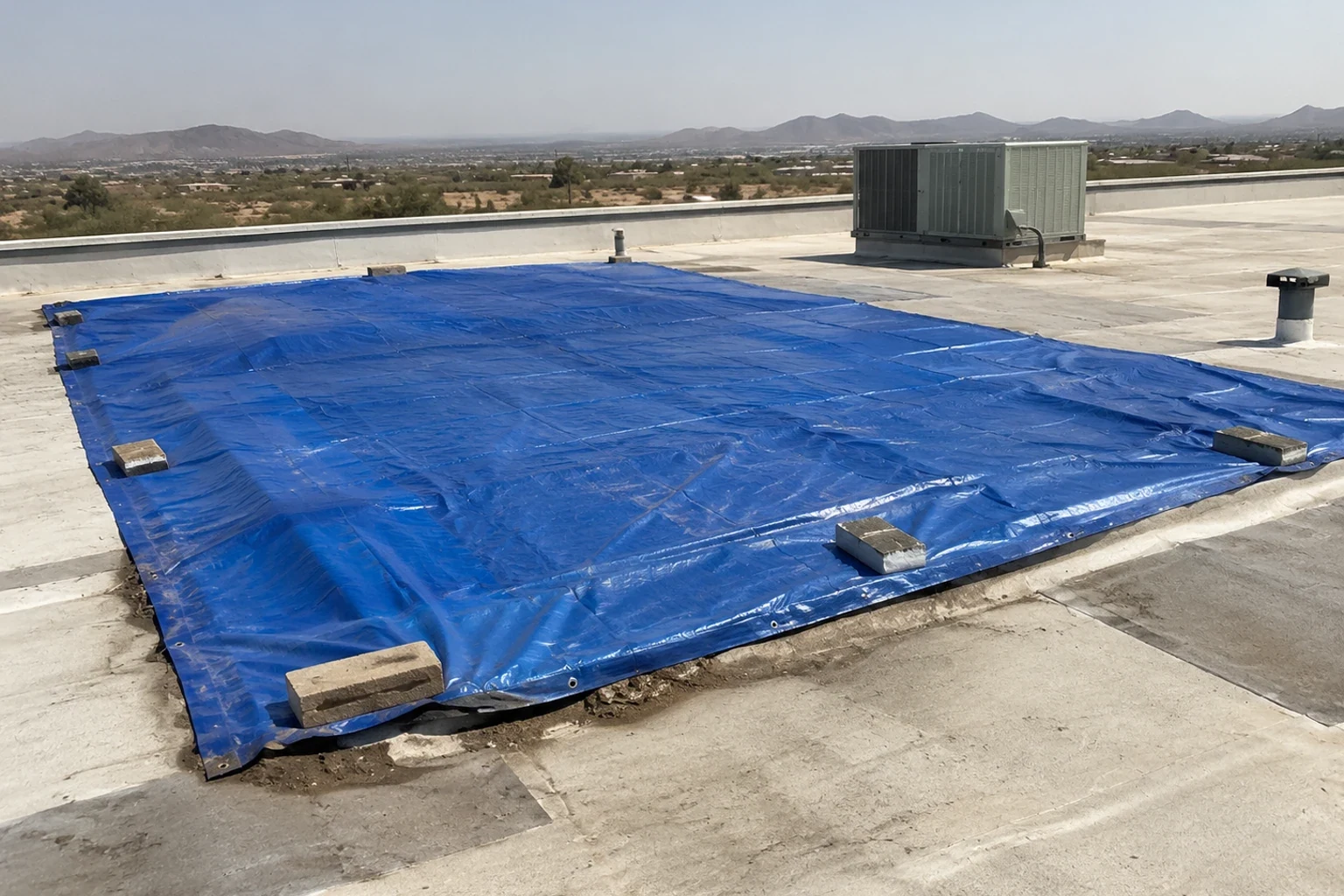
Trace drainage from high points toward bowls, scuppers, gutters, and outlets. Photograph debris or standing water, but distinguish a drainage issue from a coating defect. Check the interior report, leak timing, and recent equipment work against the roof map. Where the evidence suggests active water entry or a failed seam, a focused commercial roof repair may be the immediate need while broader restoration options are evaluated separately.
Confirm preparation and compatibility
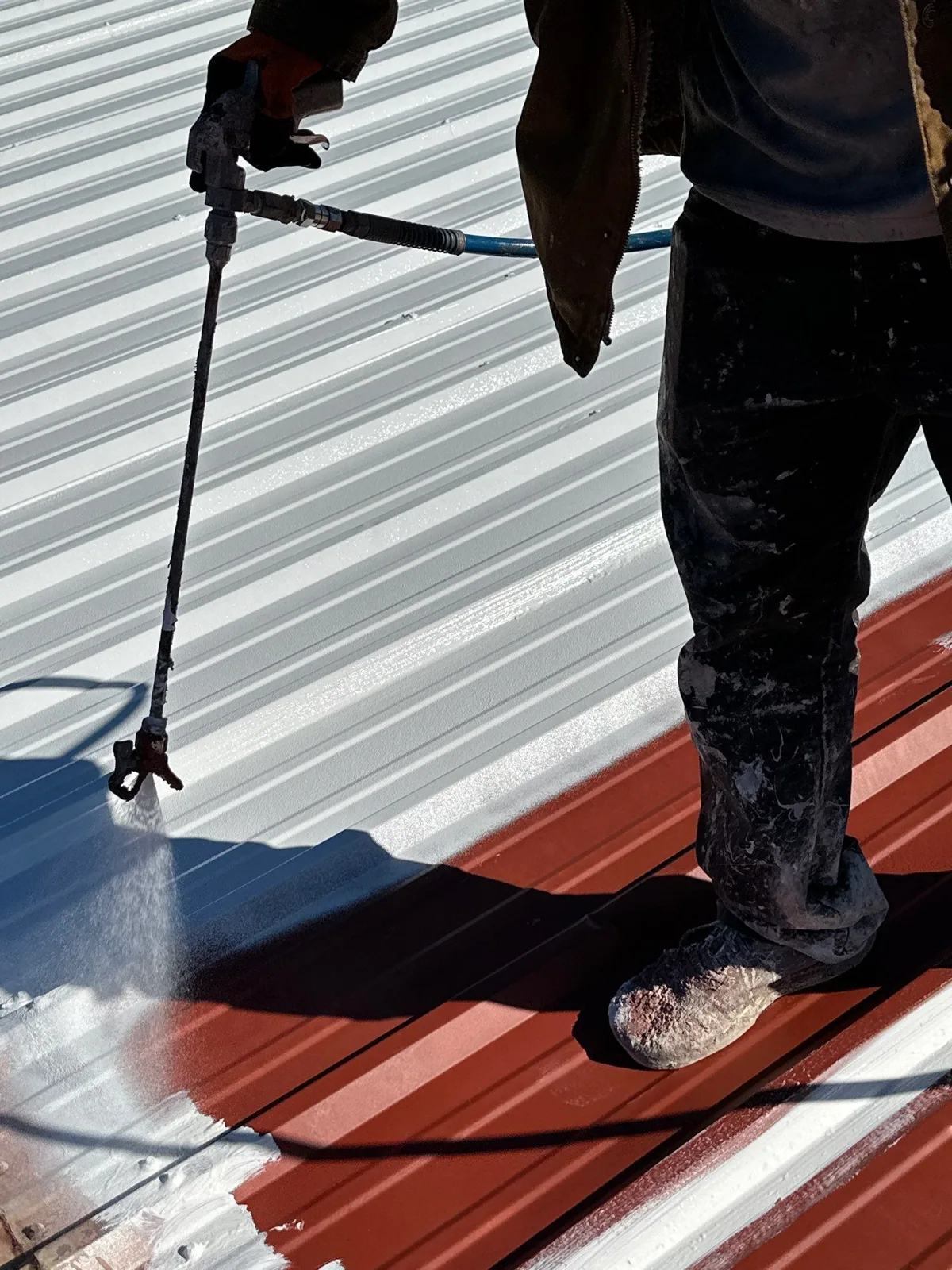
A restoration scope depends on cleaning, surface preparation, adhesion, and compatible materials. Define how loose coating, contamination, corrosion, or failed sealant will be addressed, and identify any area that needs removal or a separate repair before a new coating is considered. Confirm that drains, pitch pockets, penetrations, edge metal, and curb transitions can be prepared and detailed without burying a defect. If a test area is required, record its location, preparation method, product layers, cure conditions, and result.
System selection follows the assembly found on site. A silicone or acrylic product, for example, has its own use conditions and limitations. Review the technical instructions for substrate requirements, application conditions, reinforcement, and maintenance. Do not promise a service life or imply a coating can correct wet insulation, inadequate slope, structural movement, or an unresolved leak path. The silicone coating system and acrylic coating system are separate options to compare against the verified roof condition.
Plan work around heat and site operations
Heat exposure affects safe roof access, crew pace, and the conditions for preparing and applying materials. Wind, dust, and a changing storm window may also require a different work sequence. The Las Vegas Valley's regional climate information is useful for planning context, not a substitute for checking conditions on the scheduled workday. Follow the product instructions for surface and weather limits, and document any delay that changes the sequence or cure window.
Set access, shutdowns, loading, and occupant communication with the facilities contact. In broad areas such as the North Las Vegas Industrial Lands and Downtown North Las Vegas, a contractor may encounter different operating schedules, but district names do not establish conditions at any individual building. Confirm escorts, hatch access, equipment clearances, staging, and protected routes before mobilization. Keep drains and emergency paths open, and coordinate any hot work or rooftop equipment activity under the property's own safety procedures.
Compare restoration with other repair paths
After the assembly and substrate review, lay out the choices in terms of verified condition, work boundary, access, and disruption. Localized repairs may address a defined defect. A coating restoration may be considered when the existing roof and preparation conditions meet the selected system's requirements. A recover or replacement review may be more appropriate where the assembly, moisture condition, attachment, or repeated failures call for broader work. Separate assumptions from confirmed findings so a proposal does not make an unknown layer appear settled.
Compare scopes on the same roof zones and details. Ask each bidder to state preparation, repairs before coating, reinforcement at transitions, treatment of penetrations, drainage work, exclusions, and how finished areas will be checked. A written roof condition report can keep photos and recommendations tied to the same locations. Record why the selected path fits the evidence and which conditions remain unresolved.
Record the work for future inspections
Closeout should list roof zones that received preparation, spot repairs, reinforcement, or coating. Keep product and lot records when supplied, application notes, weather and surface observations, photographs, and any locations excluded from the work. Mark test areas and repairs on the roof plan. If a detail could not be completed because of access or substrate conditions, record the reason and the next step instead of treating the area as finished.
At follow-up, compare the same roof zones and transitions. Look for changes at drains, seams, edges, penetrations, and equipment supports, and document any new work by date and boundary. A maintenance log should distinguish normal surface weathering from adhesion loss or an open detail that needs attention. Share the records with the person responsible for future access so later reviews can follow the installation history without relying on memory.
Prepare a coating assessment
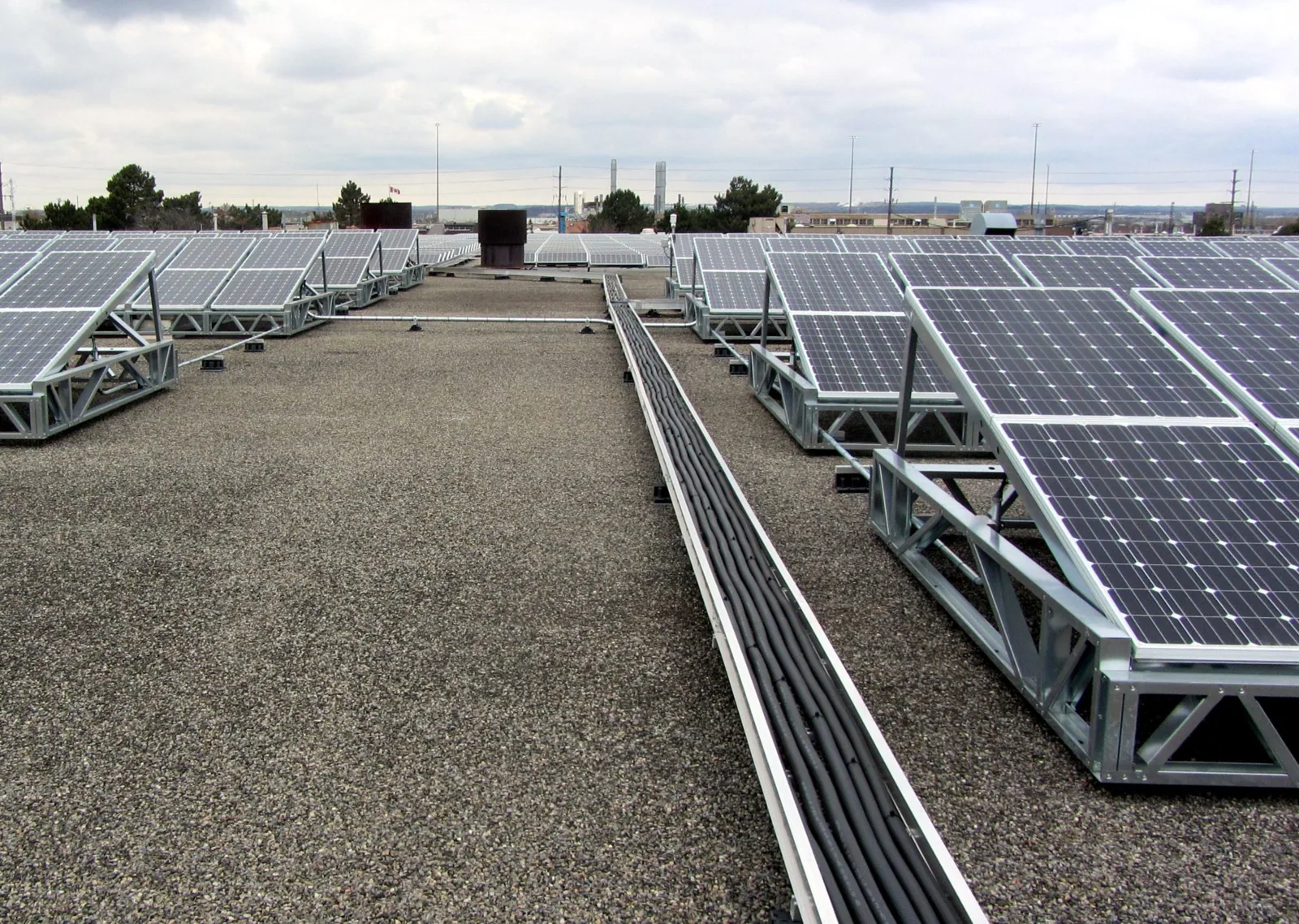
For a North Las Vegas assessment, gather roof plans, coating or membrane records, prior proposals, repair tickets, leak dates, equipment changes, and access instructions. Identify which roof zones are active, where occupants need notice, and whether any areas require escorts or shutdown coordination. We can inspect the visible surface and details, document the repair boundary, and list testing or records needed before a restoration scope is selected.
Share the question your team needs answered: whether a defined defect can be repaired, whether a test area is warranted, or whether coating should be compared with a broader project. If water is entering now, request commercial roof repair first and keep the restoration decision distinct. We work across North Las Vegas, including broad commercial areas such as Industrial Lands and Downtown. The inspection record will tie each recommendation to observed conditions and any remaining uncertainty.
Commercial Roofing Questions
Can a coating be applied over any commercial roof?
No. The existing assembly, surface bond, moisture condition, drainage, and product requirements must be reviewed first. A roof with wet materials, unstable layers, or unresolved defects may need testing or a different scope before coating is considered.
What should an assessment document?
The record should map roof zones, show representative coating and detail conditions, note access limits, and separate observed defects from questions that need testing. Include the repair history and the proposed preparation and work boundary.
Does a new coating correct ponding water?
A coating does not by itself correct slope, blocked outlets, settlement, or a drainage design issue. Trace water toward the outlets, record the conditions, and address drainage needs in a defined scope before selecting a surface treatment.
How should a test area be reviewed?
Record its location, preparation, primer and coating layers, application conditions, cure period, and observed adhesion. Compare the result with the product requirements and confirm the result is relevant to the roof areas proposed for work.
What information helps schedule the work?
Share roof plans, access rules, equipment and occupant constraints, prior repairs, and any required shutdowns. Current weather and product application limits should be checked for the planned work window, with a clear process for rescheduling if conditions change.
More Roofing Detail
Review the roof before coating
Send roof records, repair history, access rules, and the zones your team wants evaluated. We will document visible conditions, define open questions, and outline the next step for a coating or repair assessment.