Review a Holcim roof in North Las Vegas by membrane, flashing, and moisture. We verify the installed system before pricing repair or replacement.
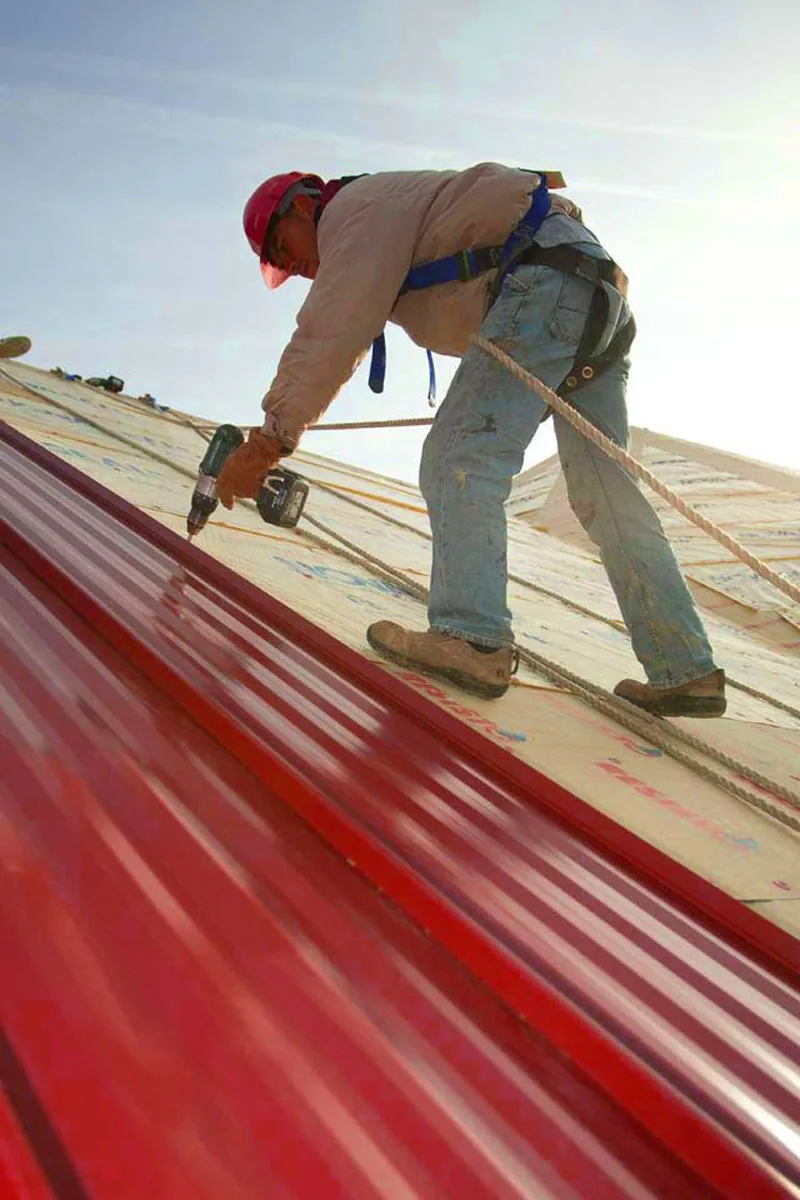
A membrane can look uniform from the hatch and still have a repair boundary hidden beneath old coating or a second layer. Before pricing work on a Holcim roof, we identify whether the installed assembly is EPDM, TPO, asphaltic material, or a later combination. We compare the submittal with seams, flashings, and exposed edges.
Earlier Firestone Building Products records may use a prior label, which can help locate documentation; the roof itself determines the scope. Across the Las Vegas Valley, heat, gusty winds, and summer monsoon rain affect access and temporary closure planning. We record the actual membrane and substrate condition at the building, then separate verified repairs from questions that require an opening or moisture test.
Reconcile Legacy Records With the Roof:
Look at the date and scope of each document. A submittal may describe the original assembly, while a later repair ticket may refer to only one zone. Confirm the manufacturer and product on labels or exposed material where possible, and compare that with the roof plan. If the building contains an older Firestone-branded layer and a newer membrane over it, record both instead of assigning one name to the whole surface.
We map seams, edges, curbs, drains, and material transitions by zone. A recovered roof may have a different repair method than the original system, and an old patch may have crossed into another manufacturer's material. The field check identifies where a sample or test cut would change the decision. A commercial inspection should state what was confirmed and what remains unknown before a proposal names a replacement assembly.
COMMERCIAL ROOFING IN NORTH LAS VEGAS, NEVADA
Distinguish EPDM From TPO Details:
EPDM is a flexible rubber membrane with seams and flashing details that rely on compatible primers, adhesives, or tapes. TPO is a thermoplastic sheet whose field seams are heat-welded. Their repair procedures differ, so material identification comes before preparation. If documentation shows an Holcim EPDM or TPO product, we still verify the actual sheet, condition, and accessories on the building before selecting a tie-in.
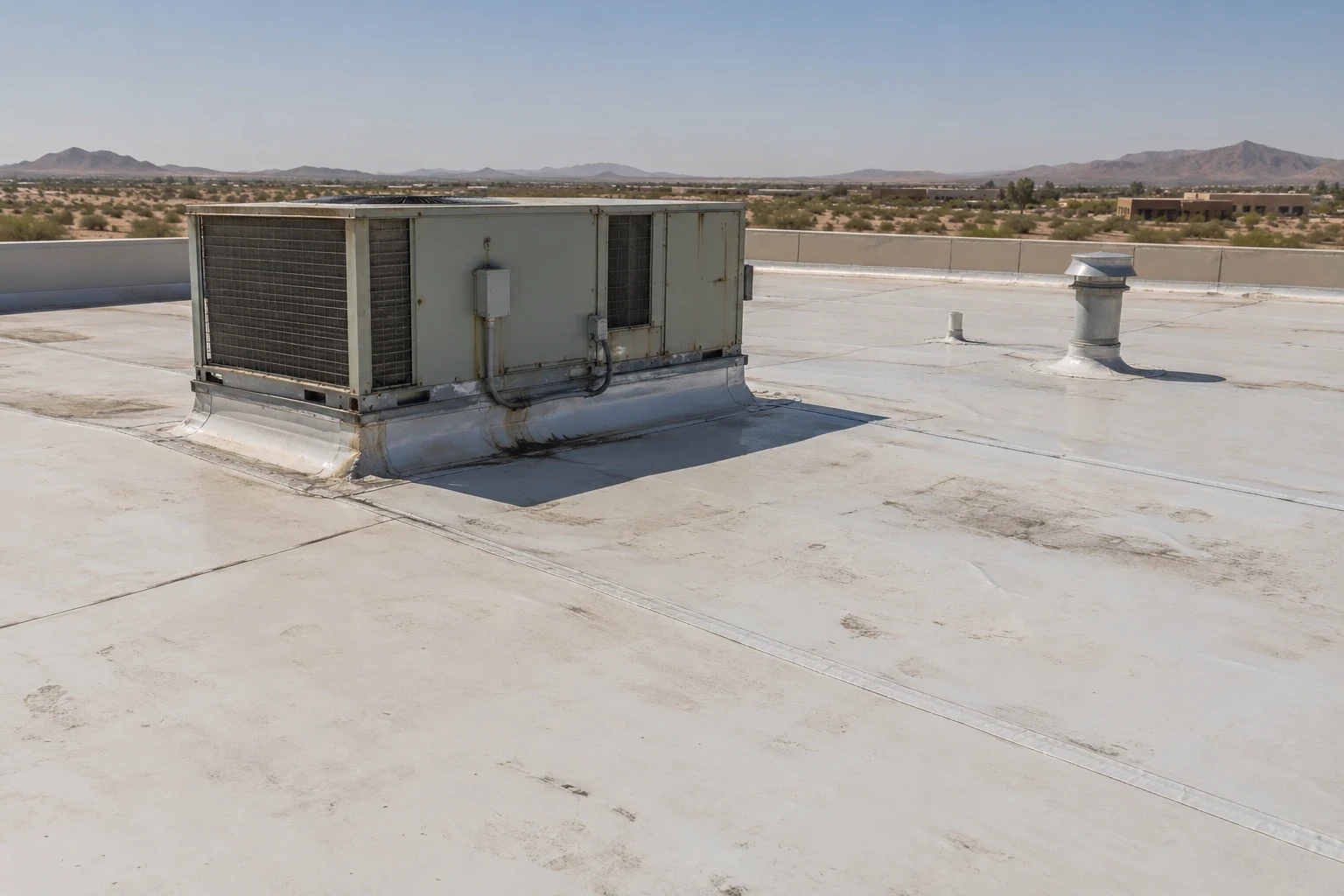
At a seam, check whether separation is isolated or continues past the visible gap. At a curb, inspect the membrane return, corner patches, termination, and unit movement. At a parapet, trace water behind the flashing and check the coping joint above it. An EPDM repair or TPO seam repair must reach sound material and a substrate that can support the new detail. A patch over contamination or loose sheet simply hides the opening until movement tests it again.
Protect the Open Zone During Desert Weather:
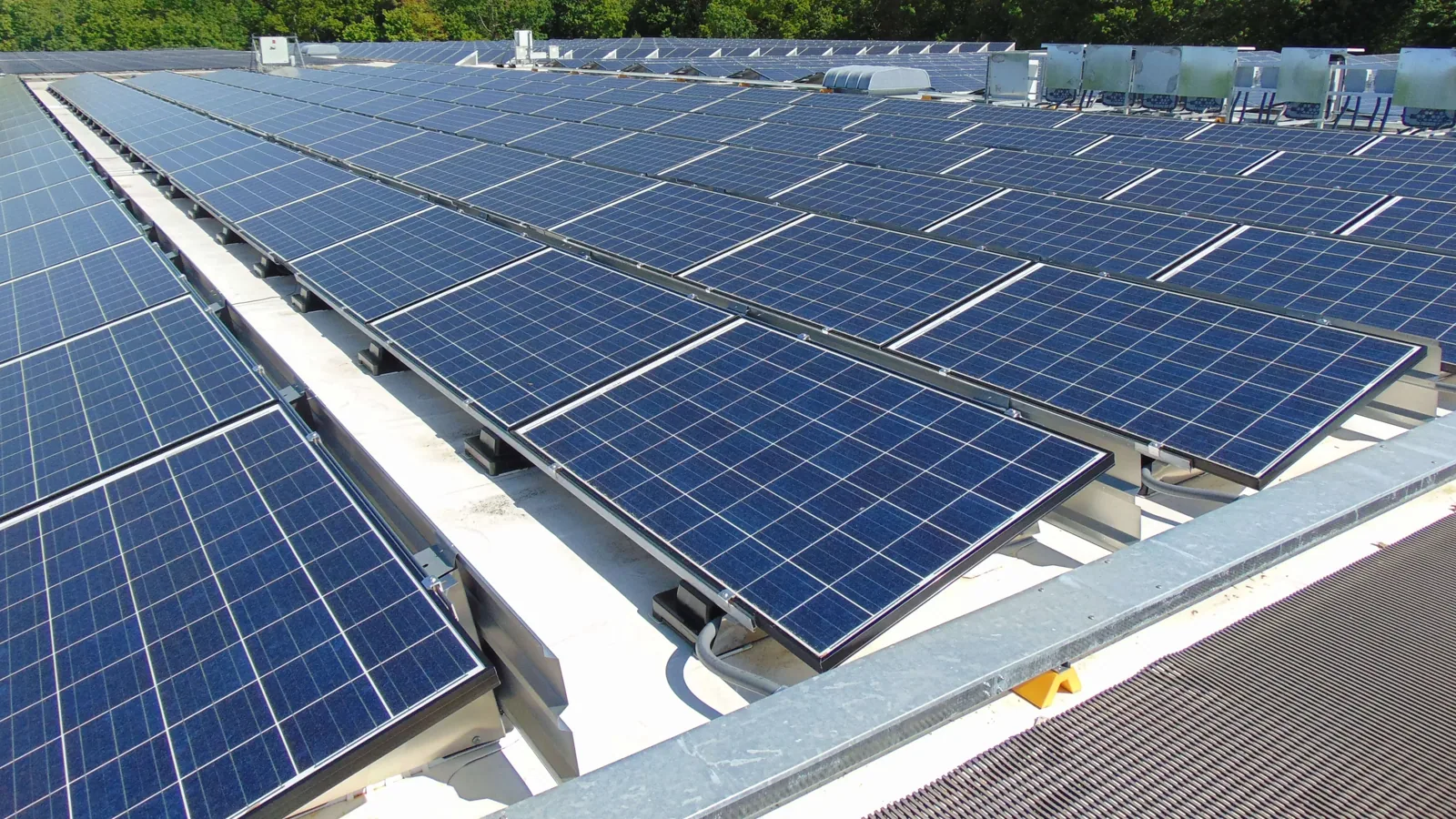
Heat changes the workday and material handling. Regional Las Vegas Valley climate includes hot, sunny conditions, while summer monsoon storms can bring gusty winds and heavy rain. We check current conditions for the planned shift, protect rolls and adhesives as required, and limit exposed removal to what can be closed securely. The forecast affects sequencing; it does not establish the roof's condition or justify a larger repair boundary.
North Las Vegas includes broad areas such as Apex Industrial Area and North 5th Street Transit Corridor. Those names help coordinate a work location but do not identify a roof type or access rule. The site contact confirms staging, vehicle routes, escorts, loading windows, and equipment clearances. That handoff keeps a roof opening from interfering with an operation below and gives the superintendent a clear stop line if conditions change.
Check the Drainage Path Before Coating:
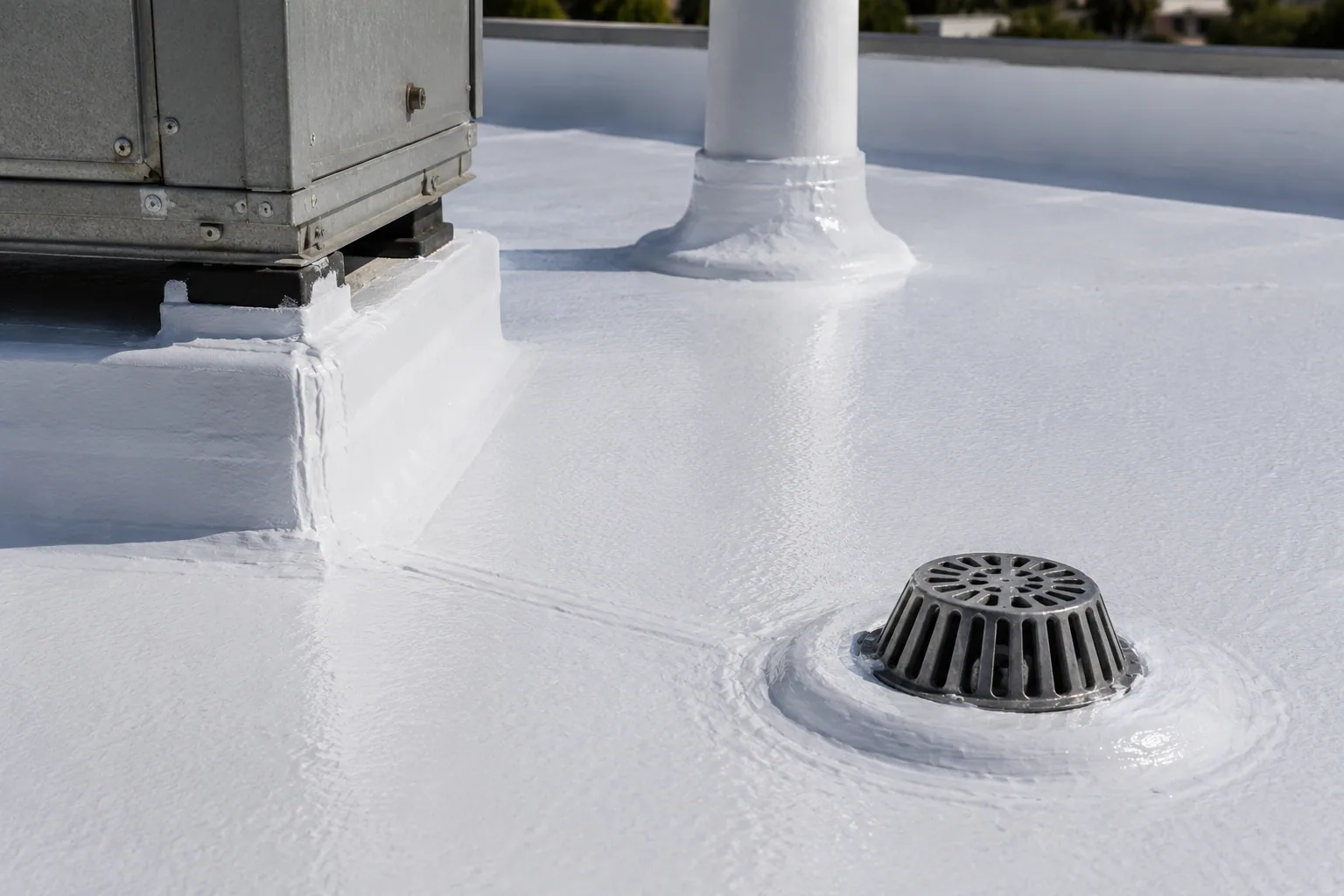
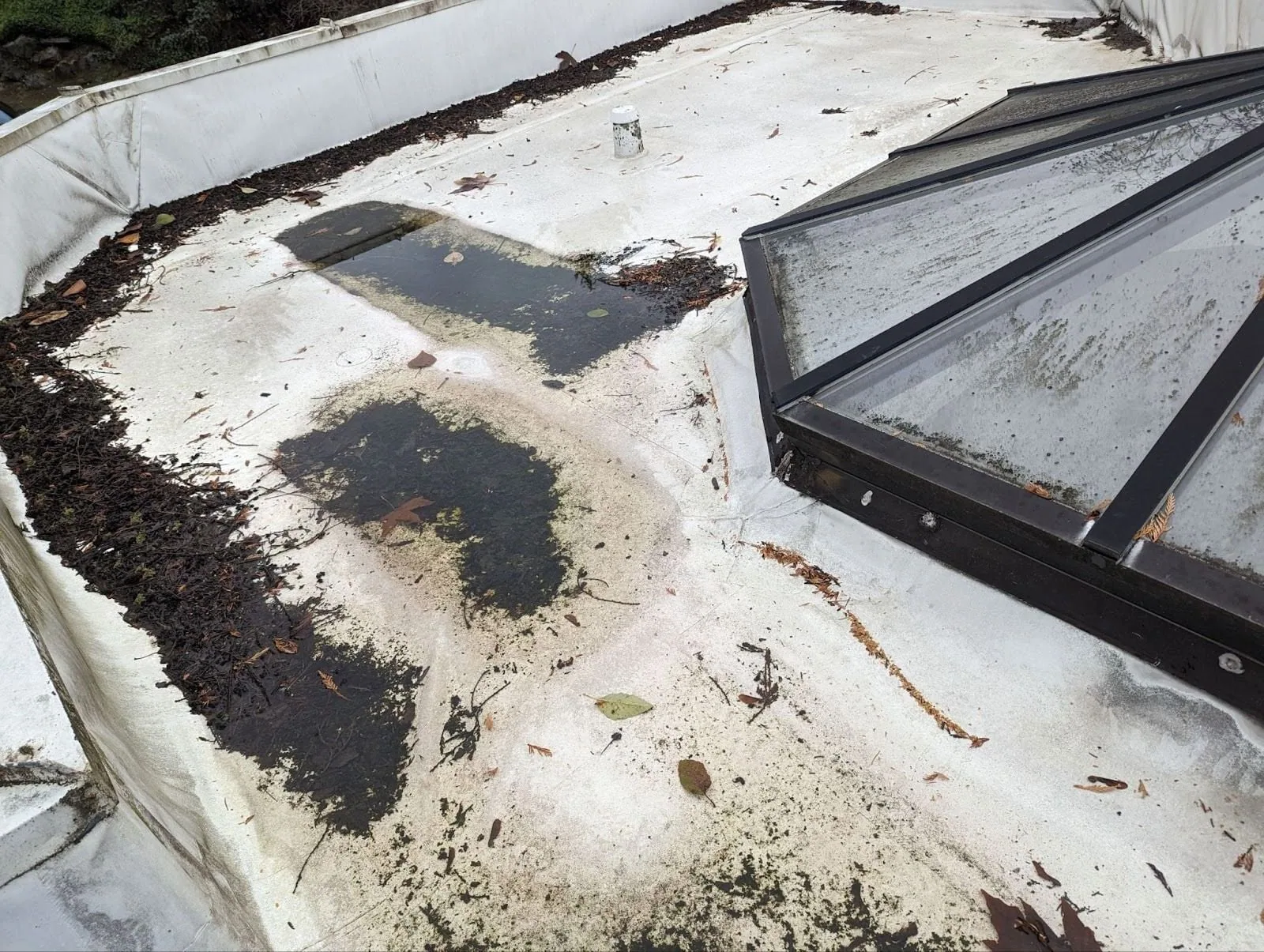
Standing water can indicate a blocked outlet, backfall, settlement, or a membrane problem. We trace the slope into drains and scuppers, check the bowl and flashing, and photograph the size and edge of each low area. If water remains because the roof plane dips, clearing debris will not correct the cause. If the outlet is damaged, a drain repair may be required before any surface restoration is considered.
Moisture beneath the membrane changes the system decision. Infrared readings can help prioritize test openings, but a test cut confirms the sampled insulation and deck. The moisture survey and opening locations should be marked on the plan. If the substrate is wet or unstable, a new coating can conceal an unresolved failure. We separate drainage work from membrane repairs so the owner can see which item controls the water path.
Tie the New Detail Into Sound Material:
A repair scope identifies the preparation, material, edge, and verification method. We remove loose or failed material, expose a sound substrate, and install a compatible flashing or membrane patch. If a curb has moved or the sheet is too short to turn up, the detail may need rebuilding rather than another bead of sealant. The repair boundary is marked on the roof plan and photographed before concealment.
When the field is intact but a finish has worn, a coating may be evaluated after moisture and adhesion checks. It will not correct wet insulation, open seams, or loose perimeter securement. A restoration assessment lists cleaning, repairs, reinforcement, and test area results before application. If those checks point to replacement, we price the broader scope separately and state the layers, insulation, edges, and drainage work included.
Specify the Assembly Before Mobilization:
A replacement proposal should identify the specific Holcim membrane and accessories proposed, deck assumptions, insulation, attachment, perimeter details, and flashing heights. We compare those requirements with the existing substrate, roof layout, wind design, and project criteria. Any equipment that must be lifted or reset is coordinated before material orders are finalized. That avoids cutting a new membrane around a curb that is scheduled to move.
For a phased reroof, show where each shift ends, how the temporary tie-in is secured, and who approves a change when concealed conditions appear. The scope should identify daily cleanup, access, and weather holds. The project team can compare a Carlisle SynTec option or GAF system using the same roof zones and scope assumptions. Manufacturer name alone does not establish compatibility or contractor status.
Keep the Product Trail With the Roof Plan:
At closeout, file the approved submittal, product identification, repair photographs, material and preparation notes, and any test results. Mark the repaired roof zones and distinguish new work from original material. If another trade adds a penetration or changes a unit, update the map and note who altered the detail. This record supports future inspections and makes a later repair easier to compare with the actual installation.
Share roof plans, leak dates, prior repair records, equipment changes, and site access rules before a walk. We will identify the installed Holcim system, inspect its details, and explain whether repair, testing, or replacement is supported. If an active leak is reported, document its time and location, then contact the office to discuss a practical inspection window.
Commercial Roofing Questions
Will older Firestone Building Products records still help identify a roof?
Yes, they may identify the original system or components. We compare the document date and scope with visible material, repairs, and additions. If the roof has been recovered, the older record may describe only a lower layer. A test opening can confirm what remains before new materials are selected.
How do you choose between an EPDM and TPO repair method?
We first verify the installed membrane and its condition. EPDM and TPO use different seam and flashing procedures, so a label or old invoice is not enough if the roof has later repairs. The scope states preparation, compatible material, and the boundary that reaches sound sheet.
Can a coating solve a recurring leak on a Holcim roof?
A coating will not resolve an open seam, wet insulation, poor drainage, or loose attachment. We trace the water entry path and check substrate moisture first. Restoration may be considered only when the assembly is stable and testing supports adhesion; otherwise the repair or removal boundary needs to address the defect.
What should be checked before replacing a membrane?
Confirm the deck, insulation, existing layers, perimeter securement, drains, curbs, and equipment changes. The replacement documents should identify the proposed system, attachment, flashing details, and daily closure. Any test result that changes removal limits should be recorded before the crew expands the work zone.
Which records should be kept after the work?
Keep the approved submittal, product identification, roof-zone map, preparation notes, photographs, and test findings. Mark which areas were replaced and which remain from an earlier installation. That gives the next facilities lead a record of what is present rather than just the former brand name.
More Roofing Detail
Review the Holcim Assembly
Send roof plans, prior Firestone or Holcim records, leak dates, repair history, equipment changes, and access rules. We will verify the installed system and document the next scope.