
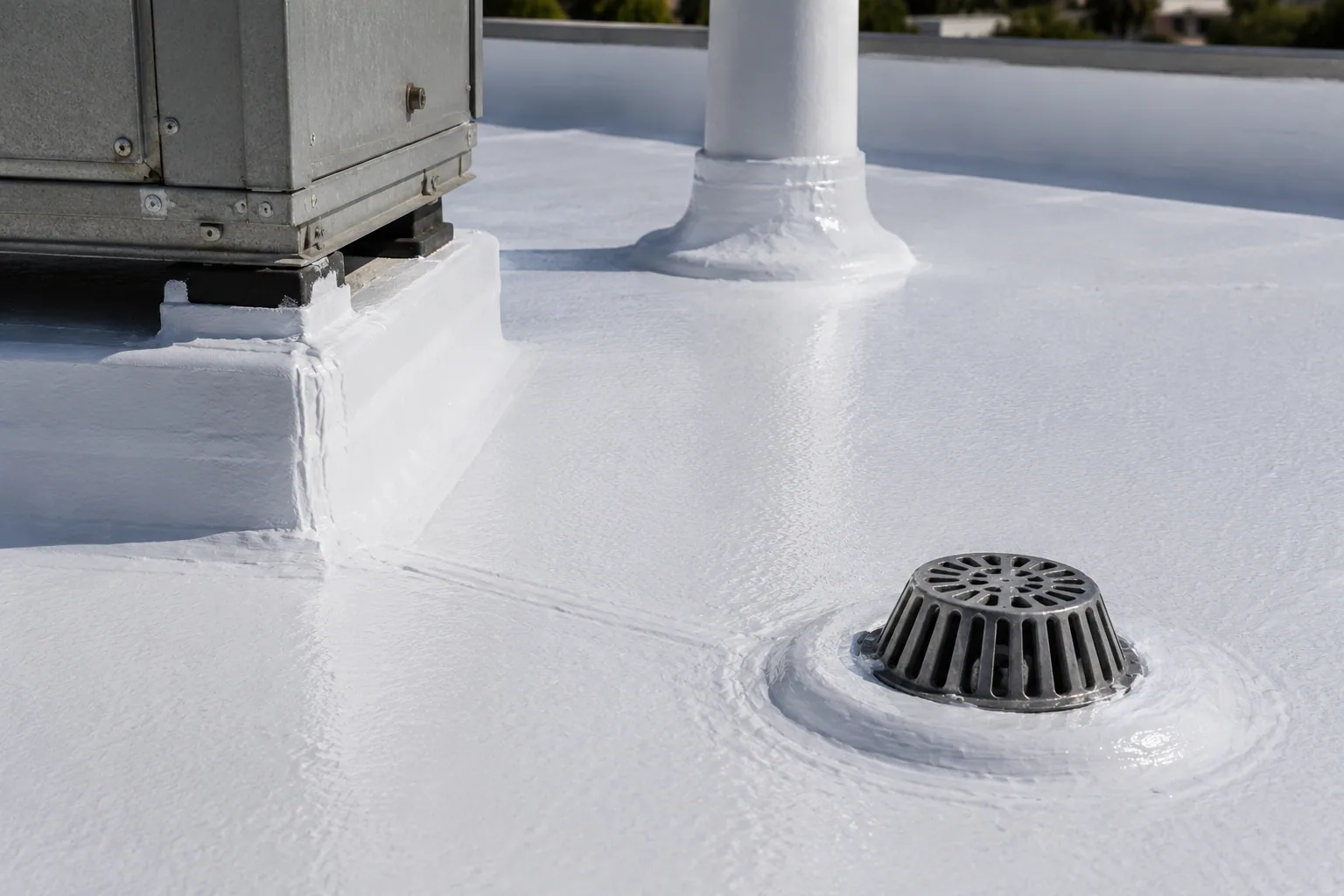
Review a GAF commercial roof in North Las Vegas by assembly, seam condition, and drainage. We document the installed system before setting repair scope.
A lifted edge on a membrane roof is a condition to trace, not a reason to add another strip over the same detail. We first identify the installed GAF system, inspect how the perimeter is attached, and compare the edge with the roof plan and repair history. A product name on an old invoice does not confirm what remains on the building today. A condition map records the membrane, seams, flashing transitions, and substrate in each affected zone before options are priced.
For a North Las Vegas, NV facility, the inspection also needs a safe work window and a plan for short, intense weather changes. Across the Las Vegas Valley, summer monsoon thunderstorms can bring gusty winds and localized flash flooding. That regional exposure helps plan access and temporary protection, but it does not diagnose a roof. We tie every recommendation to observed conditions and the specific installed assembly.
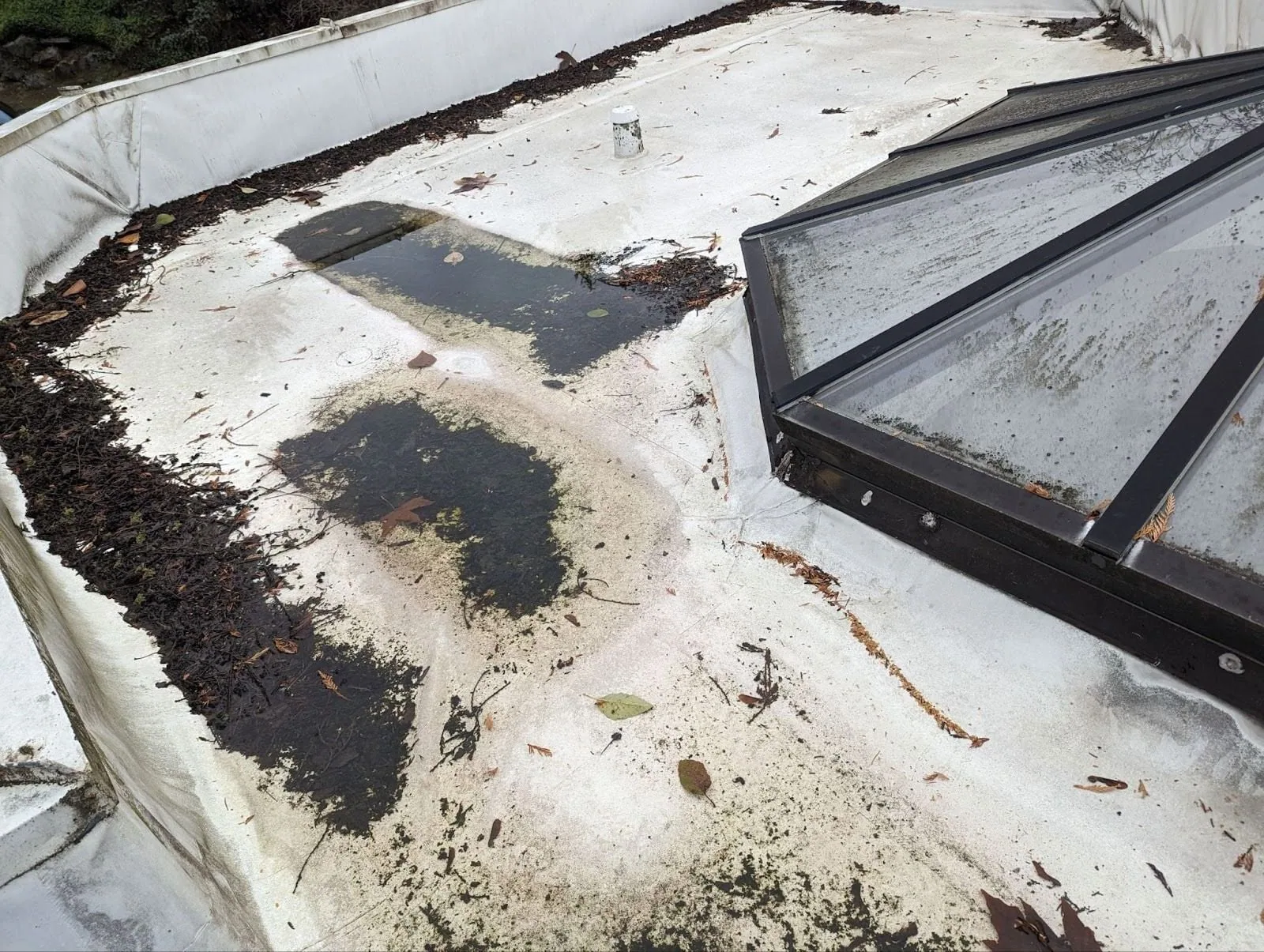
Identify the Installed GAF Assembly
Start with submittals, closeout records, repair tickets, and product labels, then compare them with the roof. We map membrane transitions, insulation, cover board, attachment, edge securement, and penetrations by zone. If a roof has been recovered or modified, the original system name may describe only the layer below. Where paperwork conflicts with an exposed edge or penetration, obtain owner approval for a test cut and record each layer and substrate condition.
GAF is a manufacturer, not a description of the membrane now on a particular building. We do not choose a repair material from the brand name alone. We verify whether the roof is a thermoplastic sheet, asphaltic system, coating, or a combination, then check the compatible preparation and detail. A commercial roof inspection gives the project team a zone map and evidence for that decision. If another system is present, compare the applicable TPO assembly or built-up roof requirements against the actual roof rather than an assumed specification.
Commercial Roofing Questions
Does a GAF label confirm the membrane currently installed?
Not by itself. A roof may have later repairs, a recover layer, or an addition that changed the assembly. We compare records with visible seams and transitions, then use an owner-approved test cut if the layers remain uncertain. Material selection follows what is on the roof now.
Can a loose edge be repaired without replacing the field membrane?
Sometimes, when the field remains attached and the failure is limited to a perimeter detail. We inspect the cleat, fasteners, substrate, and adjacent membrane, then define where the repair can tie into sound material. If attachment loss extends inward or insulation is wet, we show the broader area for testing or replacement review.
What should a proposal identify for a new GAF system?
The exact system and components, substrate assumptions, attachment design, flashing details, insulation transitions, and perimeter treatment should be stated. We also document access, daily closure, and concealed-condition steps. This lets the project team compare the submittal with the roof and the written performance requirements.
When does coating make sense on a GAF roof?
Only when the existing assembly and substrate support restoration. We check moisture, adhesion, drainage, prior coatings, and the condition of seams and flashings. A coating does not correct loose attachment or wet insulation. If tests support the option, the scope describes preparation and the repaired details before the coating is applied.
Which local conditions affect a repair schedule?
Heat, wind, dust, and a short storm window can change roof access and temporary protection. These regional Las Vegas Valley conditions can alter access and temporary protection. We check the forecast for the planned work and keep exposed areas limited, while the repair extent remains tied to inspection evidence.
More Roofing Detail
COMMERCIAL ROOFING IN NORTH LAS VEGAS, NEVADA
Check Seams, Edges, and Penetrations
On a single-ply field, we inspect seams for incomplete welds, contamination, fish-mouths, and movement at changes in direction. At a curb or pipe, the field sheet must connect to flashing that remains secure against the vertical surface. A patch can fail if it bridges a loose edge or bonds to a weathered coating instead of sound membrane. We mark the repair boundary on a roof plan and photograph the tie-in before removal, after preparation, and at closeout.
Perimeter details deserve their own pass. Wind uplift concentrates at corners and edges, where attachment patterns and flashing laps matter. We check the securement method, metal cleats, fasteners, and the substrate supporting them. If a roof has a metal edge tied into a wall assembly, a coping and edge-metal inspection may need to be coordinated with membrane work. A sound field with a loose perimeter is not a complete repair, and a perimeter patch will not resolve wet insulation farther inside the roof zone.
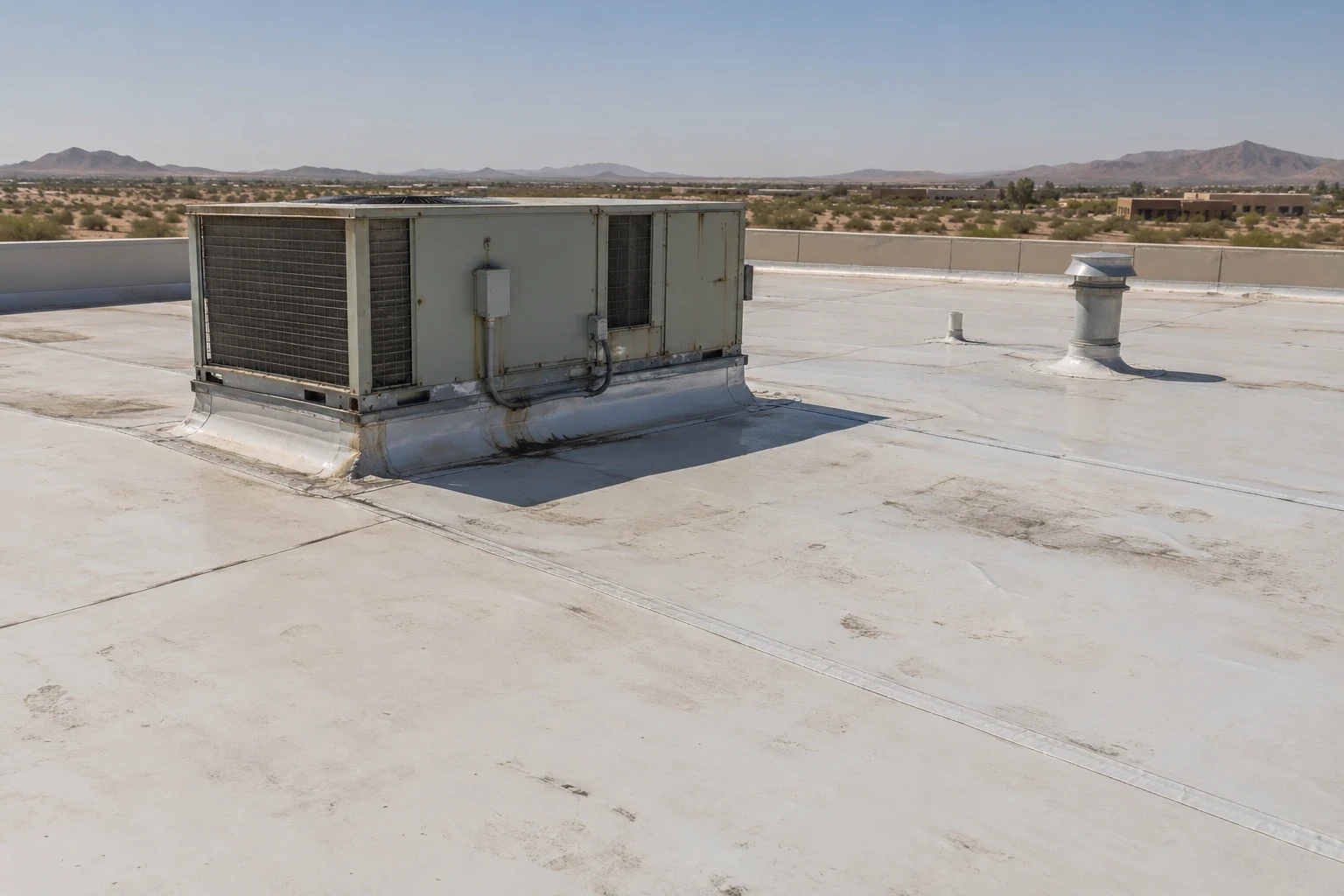
Sequence Around Regional Heat and Storms
Surface temperature affects access and material preparation in the desert. Hot, sunny conditions and summer monsoon storms can change the work sequence in the Las Vegas Valley. We check conditions, protect materials, and keep an open roof area small enough to secure before leaving. A forecast does not establish the roof's condition or justify a broader replacement.
North Las Vegas includes broad areas such as the Apex Industrial Area and the Cheyenne Technology Corridor. Those place names do not identify a building's roof system, but they help a portfolio manager locate work and coordinate access. At either address, the superintendent confirms the site rules, equipment clearances, staging point, and route to the roof before mobilization. This keeps a repair sequence connected to the building's operations rather than to a map label.
Set the Repair Boundary Before Applying Material
Once the defect is identified, mark where removal begins and ends. We prepare the membrane to a sound, compatible surface, replace failed flashing, and tie the new material into the existing assembly using the appropriate detail. If the substrate is soft, wet, or contaminated, the patch boundary may need to expand to include the affected layer. We record that change with photographs and measurements before concealed work is closed.
A coating is a separate option, not a substitute for correcting a seam, drain, or attachment failure. Before considering restoration, we check adhesion, moisture, drainage, and whether the existing membrane can support another layer. The coating assessment should state preparation, repair work, reinforcement, and test-area results. If the system cannot be identified or the repair material is uncertain, we test compatibility or document the limitation instead of promising a tie-in that the evidence does not support.
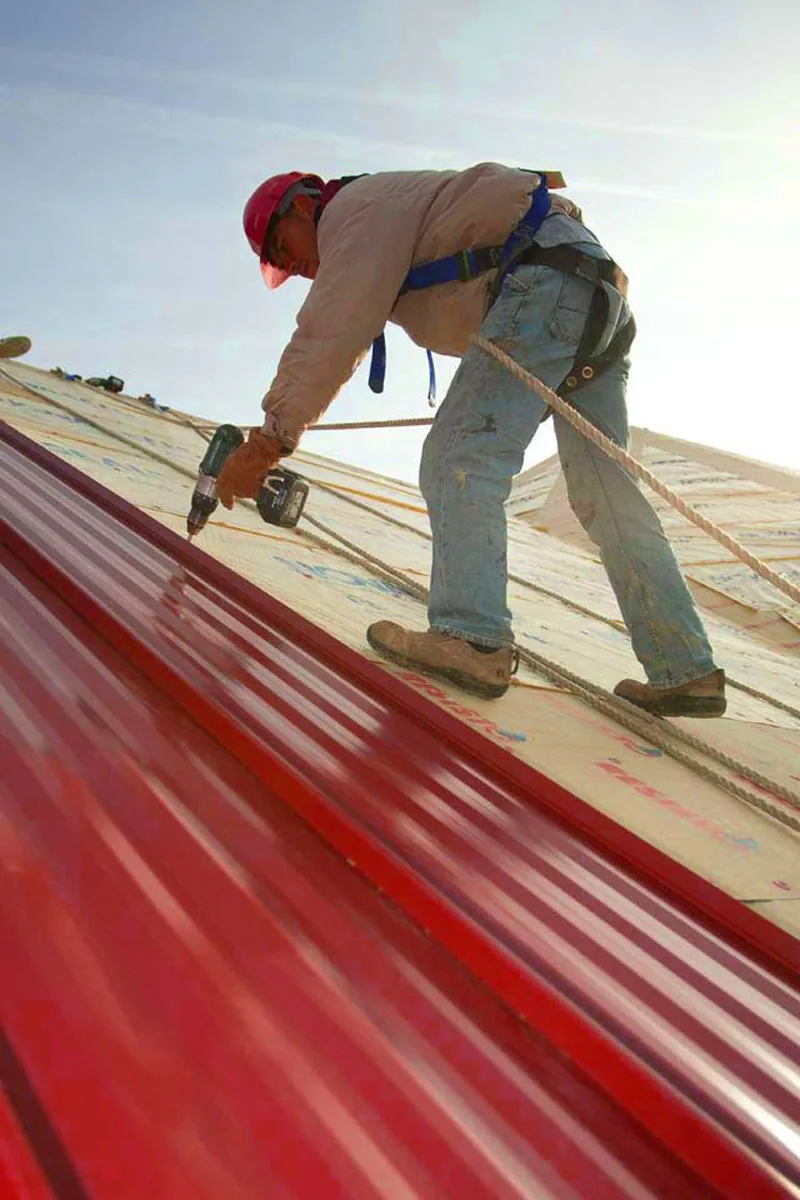
Compare Repair With a Full System Scope
Repeated failures across multiple zones, widespread moisture, or a substrate that cannot hold attachment may move the decision from repair to replacement. We map the affected area, verify the assembly layers, and show what remains unknown. A replacement proposal should identify removal depth, insulation and cover-board transitions, perimeter securement, drainage corrections, equipment curbs, and the weather-tight stopping point for each shift. The manufacturer's name alone does not settle those details.
When plans call for a new GAF system, the submittal should identify the specific membrane and accessories, attachment design, flashing details, and applicable technical requirements. We compare those documents with deck conditions and project criteria before ordering materials. The owner can also review a phased replacement scope alongside a repair alternate, with exclusions and concealed-condition procedures stated separately. A Carlisle system or Johns Manville system should be compared on the same substrate, wind, drainage, and access assumptions.
Keep the System Record With the Roof Plan
Closeout should identify the roof zones, installed materials as recorded, repair limits, and photographs of seams, curbs, edges, and drains. We note the preparation and test results, list any open condition, and mark areas that were not accessible. That file helps the next inspector distinguish the completed repair from an adjacent condition that was only observed. It also gives the facilities lead a basis for planning maintenance without treating a product label as proof of present performance.
Share roof plans, leak dates, repair history, equipment changes, and access-hour constraints before the first walk. We will inspect the installed assembly, explain what the evidence supports, and outline repair, testing, or replacement options. If water is entering now, call to discuss access and timing; keep people clear of the affected area and record where it appears. That information helps the crew begin at the right roof zone.
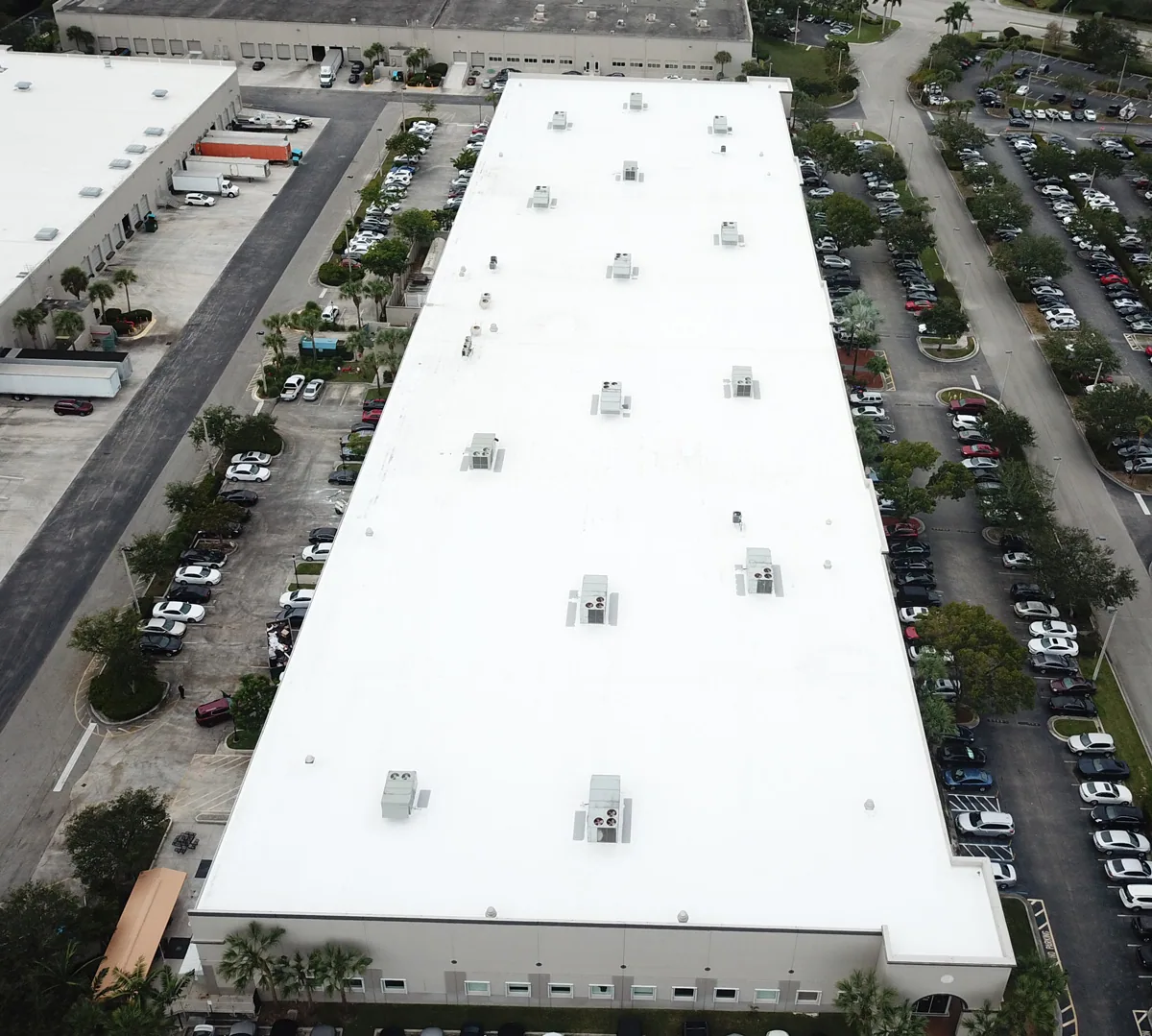
Review the Installed GAF Roof
Send the roof plan, repair history, leak dates, equipment changes, and site access rules. We will map observed conditions and separate confirmed repairs from questions that need testing.