
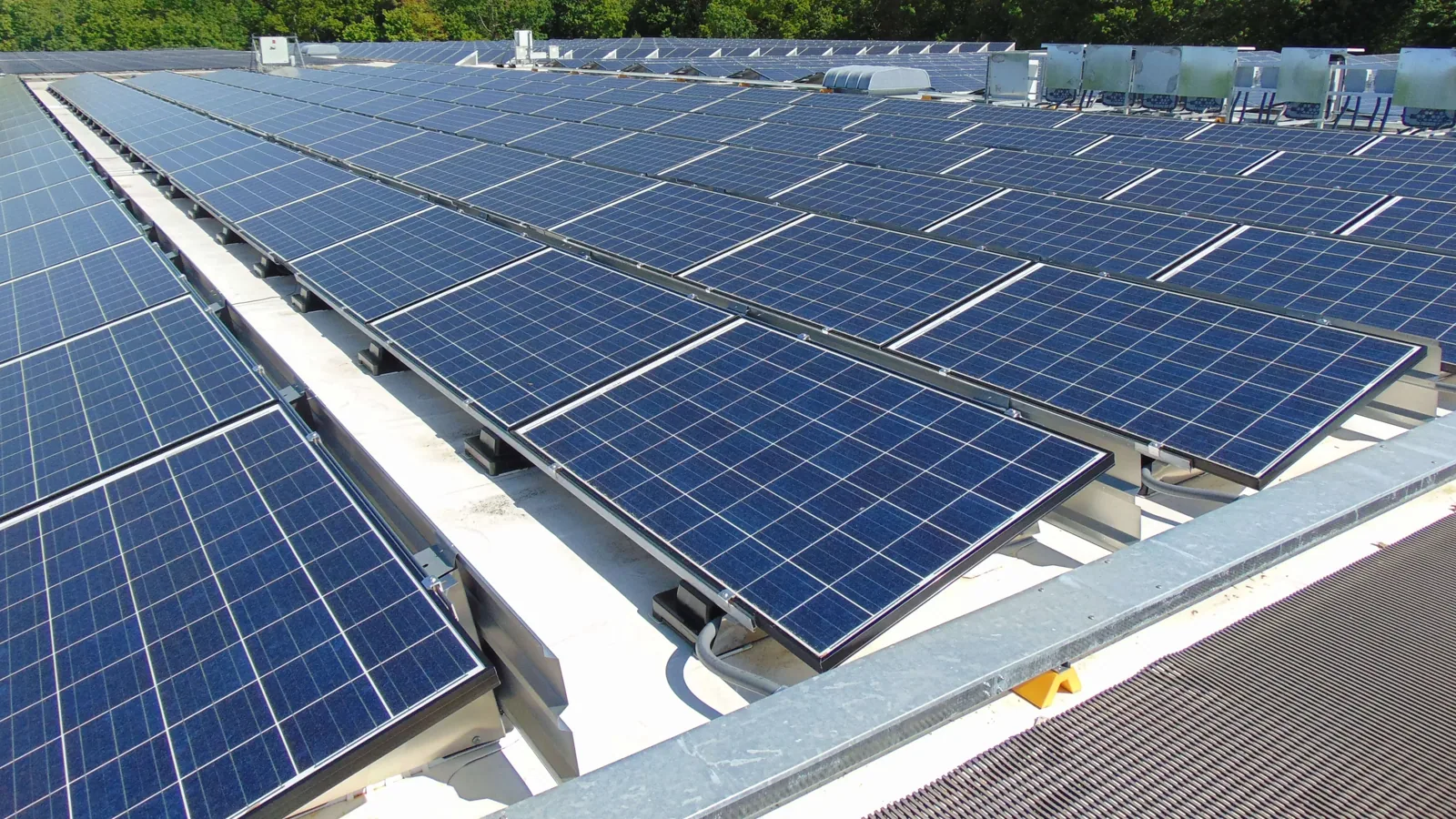
Assess a Sika Sarnafil roof by seam condition, flashing, drainage, and moisture before choosing a repair, restoration, or replacement scope in North Las Vegas.
A single-ply roof can appear simple from the ladder, but the assembly is a set of connected details. The field sheet, welded seams, perimeter attachment, curbs, drains, and old repairs all affect whether a Sika Sarnafil system can be repaired in place. We begin by identifying what is installed and where the observed condition changes. A product name in a file is a useful lead, not a substitute for checking the roof.
That first walk should separate what is visible from what needs a closer test. We photograph seam intersections, corners, pipe supports, and areas where water tracks toward an outlet. The review records access limits and equipment that could interfere with the work. This gives the owner a clear repair boundary and prevents a localized leak from turning into an unsupported system-wide conclusion.
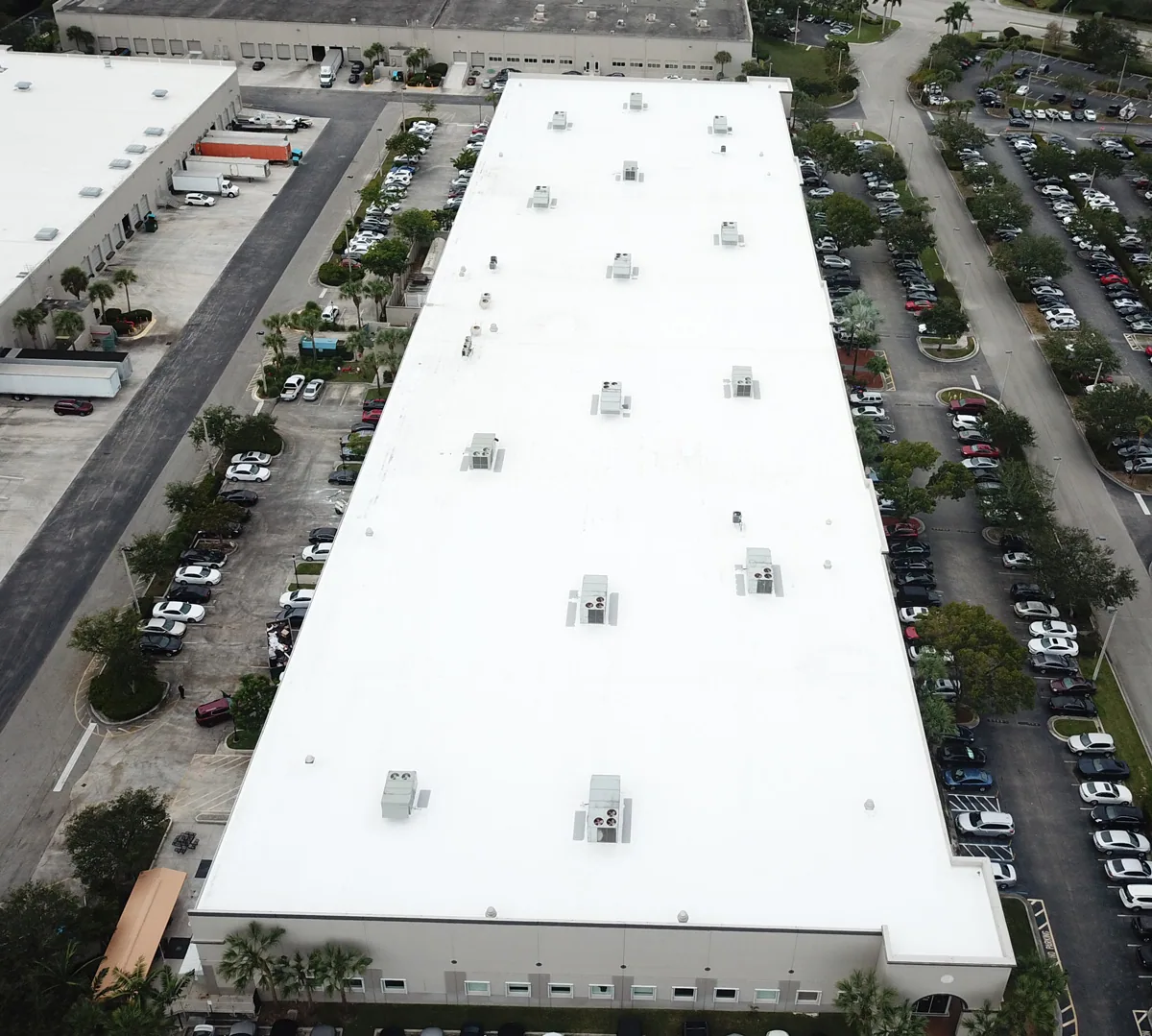
Map the Sheet and the Welded Seams:
Sarnafil systems are associated with PVC roofing, whose field seams are heat welded. The inspector checks whether the sheet surface is clean enough to evaluate, whether a weld is continuous, and whether the seam edge has separated or lifted. A probe can help locate a weak spot, but it does not explain why the seam failed. Movement, contamination, poor preparation, or a prior repair may each require a different response.
We mark findings by roof zone rather than describing the whole surface as good or bad. At a T-joint, the detail can hold water or separate under movement. At a curb, the membrane return, corners, and top termination need to be read together. A PVC roof inspection should describe the seam, substrate, and attachment that were actually observed, then state what remains concealed. Where a repair is appropriate, the preparation and weld verification belong in the scope.
Commercial Roofing Questions
How do you verify a Sika Sarnafil seam?
We identify the sheet and examine the weld under suitable surface conditions. The inspection records whether separation is isolated, continues along the seam, or appears at a junction. If the edge is contaminated or coated, cleaning and closer evaluation may be necessary before a repair plan is chosen.
Can an older PVC roof be patched with new sheet?
Possibly, but age, surface treatment, prior coatings, and the available material determine the preparation. We test the detail and define a patch boundary that reaches compatible, sound sheet. If the roof has layered repairs, an opening may be needed before selecting materials.
Does a moisture scan prove that insulation is wet?
No. A scan helps target investigation, while an opening or other suitable test confirms the sampled assembly. The report should identify scan limits, test locations, and the findings at each opening. Those details guide whether restoration, repair, or removal deserves further evaluation.
What should a replacement comparison include?
Use the same roof zones and assumptions for each option. Compare deck and insulation scope, attachment, edges, drainage, flashing, equipment work, and daily closure. List unknown concealed conditions separately so the price and schedule do not imply that untested areas were confirmed.
What information should I provide before an inspection?
Roof plans, leak dates, prior repair records, access rules, and known equipment changes help prepare the visit. Identify active water entry and any area that cannot be accessed. The field review can then focus on the relevant roof zones and the evidence needed to set a clear scope.
More Roofing Detail
COMMERCIAL ROOFING IN NORTH LAS VEGAS, NEVADA
Confirm the Repair Materials Before Work:
A repair patch must be compatible with the existing sheet and the condition at the opening. Confirm the membrane type, thickness when known, surface treatment, and available product information before ordering material. Do not assume a PVC patch will bond to an older coating or to an unidentified membrane simply because the color is similar. If the surface cannot be prepared to a sound edge, the scope may need a larger removal area.
Near a penetration, inspect how the membrane rises, where the flashing terminates, and whether the pipe or support has shifted. At a parapet, check the top edge and coping connection as well as the field sheet. Our commercial roof repair plan identifies removal, cleaning, patch layout, and the method used to check the finished weld. If opening the detail reveals wet insulation, the change is documented before extending the repair into adjacent bays.
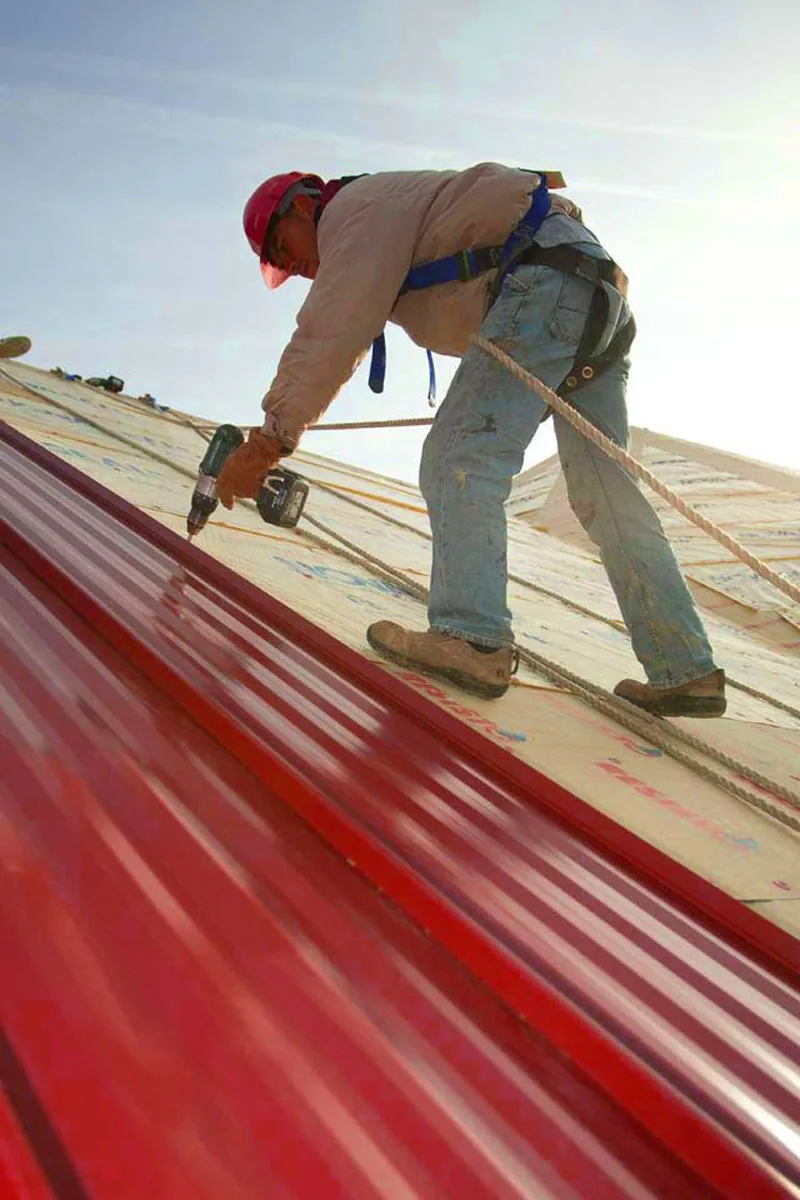
Plan the Shift Around Valley Conditions:
Heat affects handling, surface temperature, and the time available for open work. Regional Las Vegas Valley conditions also include occasional summer monsoon storms and gusty winds. We check the forecast and roof conditions for the planned shift, protect material from contamination, and limit removal to an area that can be closed securely. A weather hold should be built into sequencing instead of relying on a temporary edge that cannot withstand a change in conditions.
The planning map identifies broad areas such as Cheyenne Technology Corridor and Apex Industrial Area. They help orient a service discussion, but do not define parcel rules, current access hours, or roof conditions. Before mobilization, the site contact confirms staging, loading, escort requirements, and routes around active operations. We include those constraints in the work plan so the crew knows where material can be staged and which doors or drives must remain open.
Trace Drainage Before Calling for Restoration:
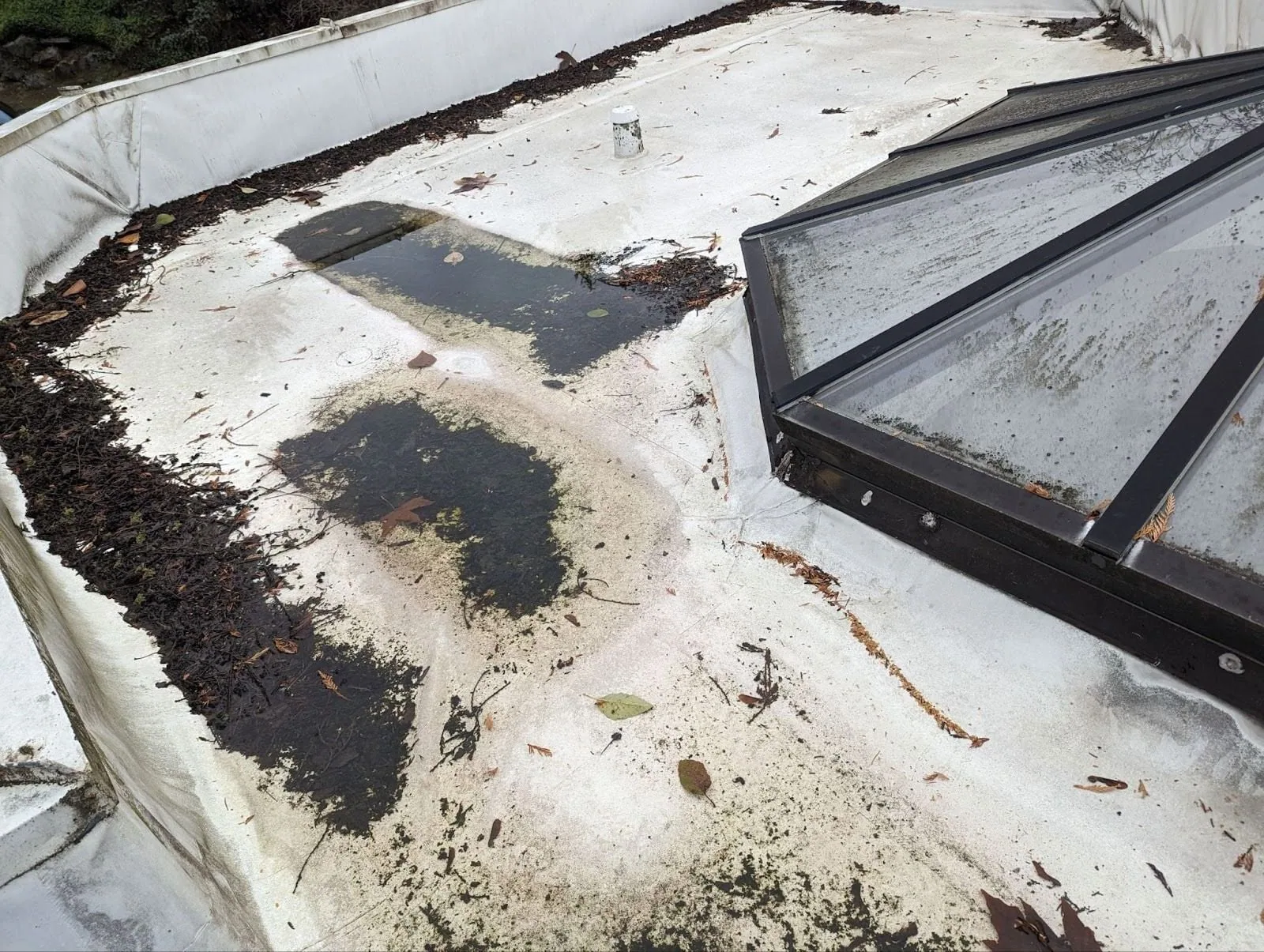
A leak at a seam may be distant from the place where water appears inside. Follow the slope to the drain or scupper, inspect the bowl and surrounding flashing, and look for a blocked outlet or a low area that holds water. A membrane repair will not correct backfall, a loose drain connection, or wet insulation. The inspection notes the water path and whether a test opening is needed to distinguish surface water from concealed moisture.
Infrared readings can help prioritize where to investigate, but the map is not proof that every marked area is wet. A moisture survey should explain the limits of the scan and identify any test cuts used for confirmation. Record the roof zone and date so later work can be compared with the same location. If the substrate is unstable, coating over the surface may hide rather than solve the failure. We keep drainage correction, membrane repair, and any removal scope visible as separate decisions.
Compare a New Assembly on the Same Basis:
When repair is no longer the durable choice, a replacement proposal needs more than a product name. It should state the roof areas, deck assumptions, insulation, attachment method, perimeter details, flashing heights, drainage work, and equipment coordination. Existing layers and test results can affect the removal limit. We identify those assumptions so the owner can compare options without treating concealed conditions as known.
A phased project needs a secure tie-in at the end of each shift and a clear route for changes if the deck or insulation differs from expectations. A replacement assessment describes daily closure, cleanup, and weather holds. For comparison, the team can review a Versico option or Soprema system against the same roof plan and performance requirements. That keeps the decision focused on the building and scope rather than assuming one brand resolves every condition.
Keep Inspection Findings With the Roof Plan:
Closeout should record which zones were repaired, what materials were installed, and how the seam or flashing was checked. Include photographs before and after the work, preparation notes, any test results, and the approved product information. Mark new penetrations and equipment changes so the next inspection can distinguish original details from later work. A simple roof map with consistent zone labels is more useful than a folder of unlocated photographs.
Share leak dates, earlier repairs, access rules, and roof drawings before a visit. We compare the documents with the visible assembly and flag any disagreement for confirmation. For water entry in progress, call with the affected area and site rules; keep the space below clear and arrange an inspection when access allows. That record helps the field team connect an interior symptom to the roof detail without promising a repair method before inspection.
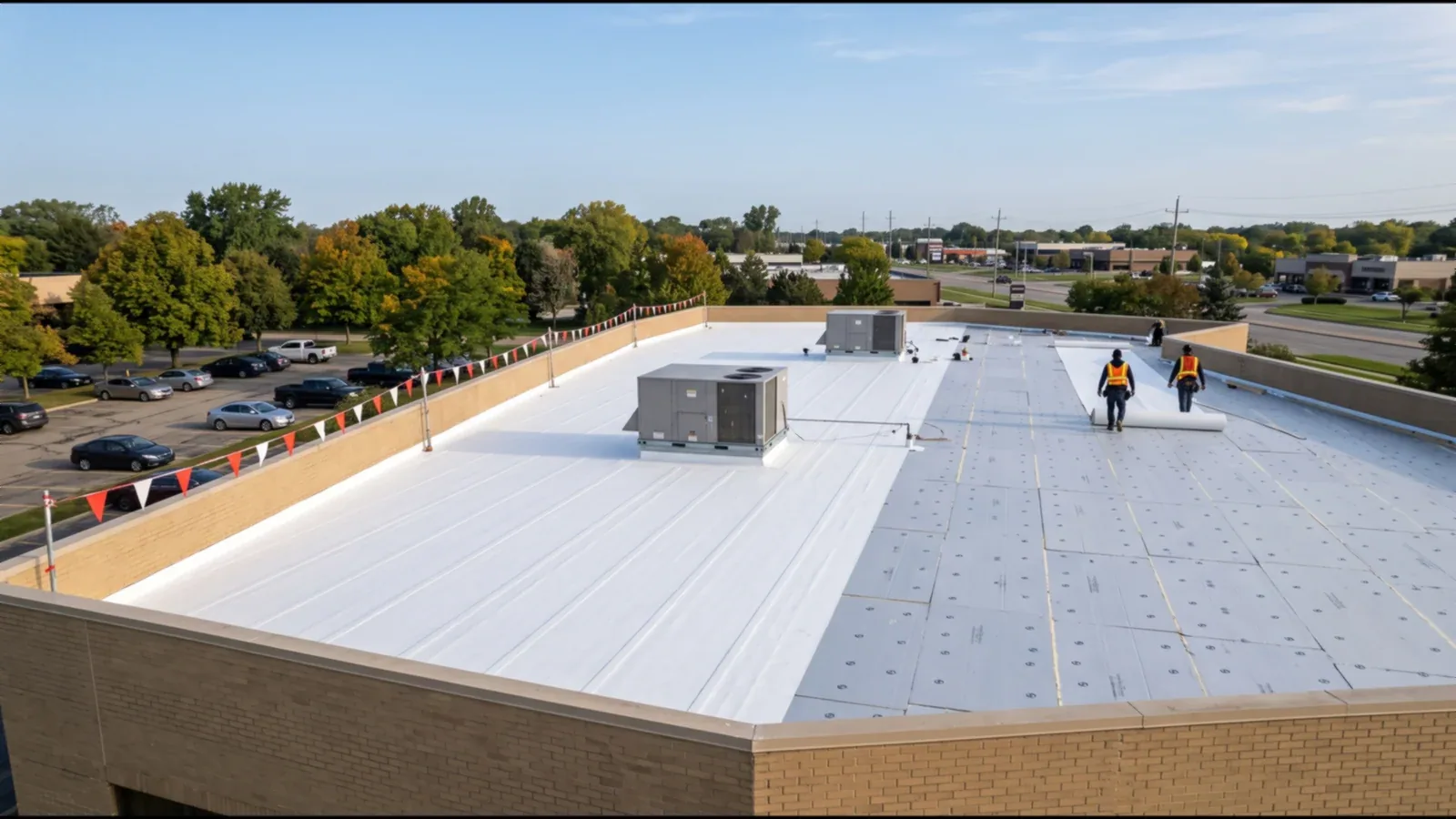
Review the Installed PVC Assembly
Send the roof plan, leak history, repair records, and site access requirements. We will inspect the sheet and details, then explain the next supported repair or replacement step.