
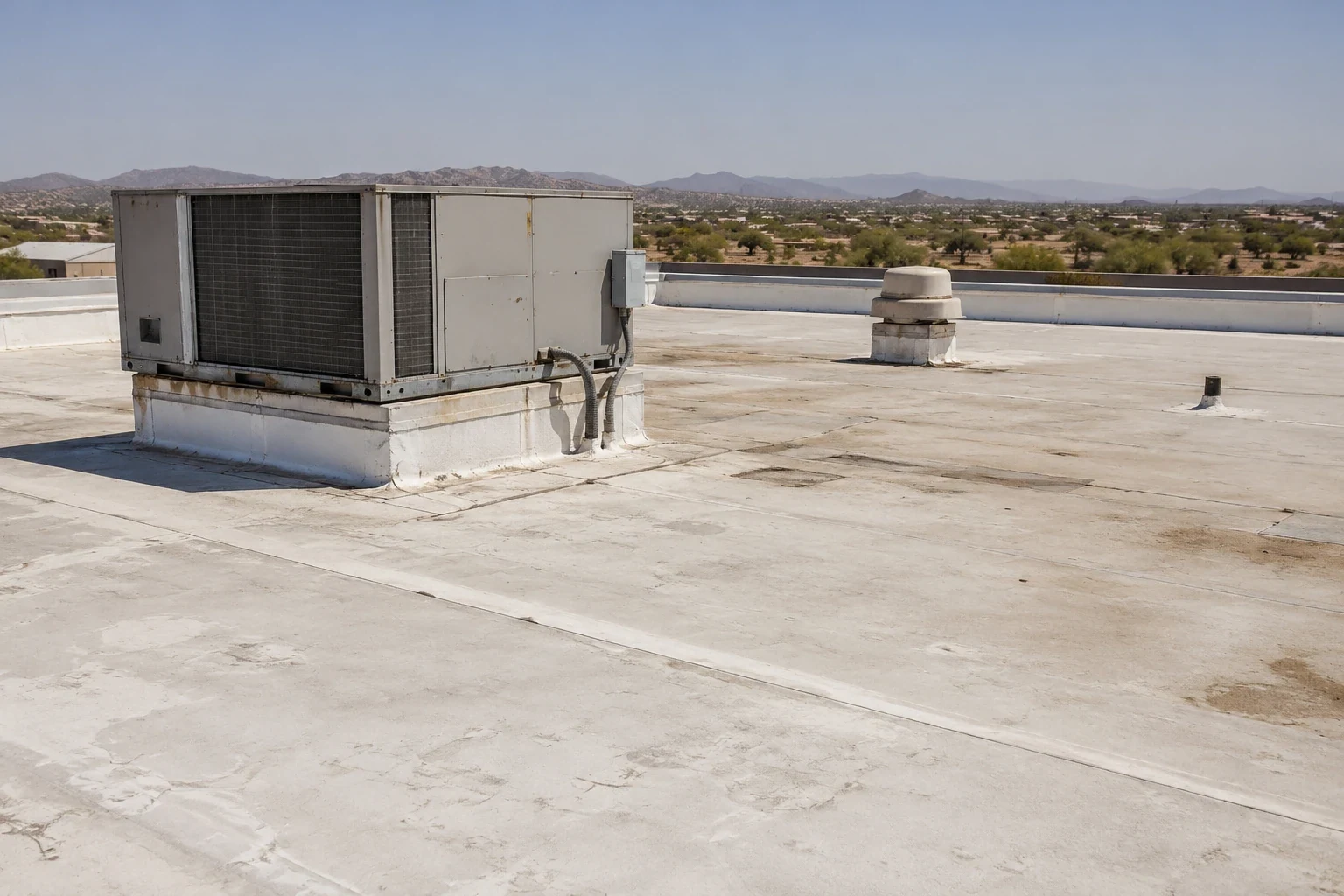
Review a Soprema commercial roof by assembly, substrate, drainage, and tie-ins. Get a field-based repair or replacement scope for North Las Vegas properties.
A Soprema roof can refer to more than one type of assembly. The property may have a modified bitumen surface, a single-ply membrane, liquid-applied work, or a combination added over time. Before recommending a repair, we identify the layers and the condition that controls the decision. A record or product label can guide the inspection, but it does not establish which materials remain at every roof zone.
We start at transitions: drains, edges, curbs, expansion joints, and areas where a later repair changes the surface. The inspection records what can be seen and what remains concealed. If an opening or test would affect the removal limit, the report identifies why it is needed. That step keeps an assembly-specific recommendation from turning into a generic coating or replacement proposal.
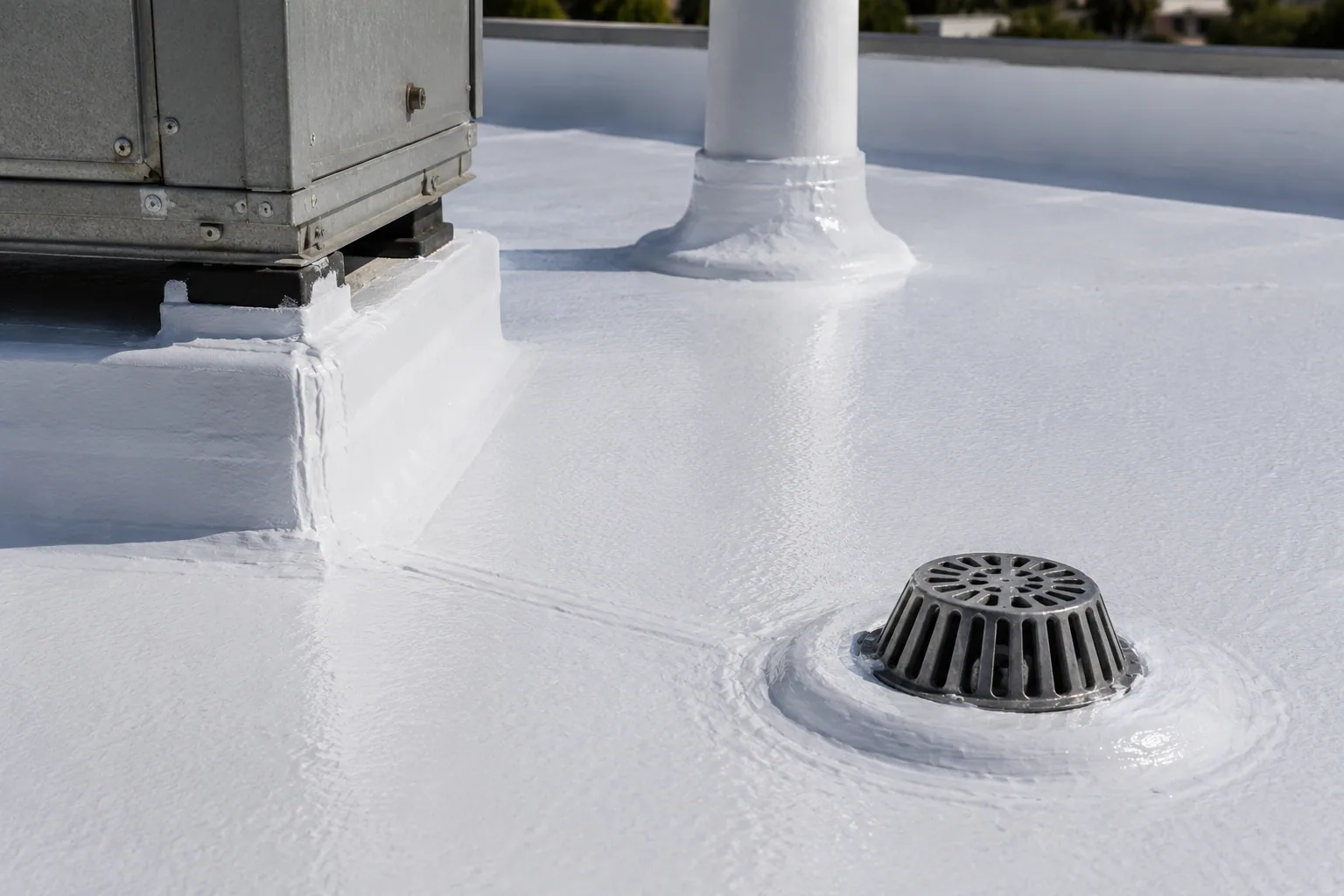
Separate the Roof Layers Before Pricing Work:
At an exposed edge or existing penetration, note the visible surfacing, reinforcement, membrane, insulation, and deck where accessible. A modified bitumen assembly may include multiple plies and surfacing that are not present on a single-ply roof. A liquid-applied layer may sit over an older system. Record each known layer and avoid calling the entire roof by the latest product name if the section shows more than one assembly.
We compare the roof plan with the field, then mark transitions and prior patches. If the material cannot be identified without disturbing it, state that limitation. A modified bitumen evaluation should describe the ply condition, laps, surfacing, and the substrate at the proposed repair. For a membrane area, the single-ply inspection follows the sheet and its seams. The repair method depends on the assembly actually present, not just the system listed on an old invoice.
Commercial Roofing Questions
How do you identify which Soprema assembly is on a building?
We compare records with exposed edges, penetrations, seams, and prior repair areas. If the roof contains more than one layer or material, the map shows those changes by zone. Where documents and visible conditions disagree, we identify the test needed before selecting a repair material.
Can a liquid-applied restoration go over an older roof?
That depends on the existing surface, moisture, adhesion, and movement. We inspect the substrate and perform a test area when it will inform the decision. The proposal should identify preparation, reinforcement, repairs, and exclusions. Wet insulation or failed attachment needs a separate corrective scope.
What should be included in a modified bitumen repair?
Define the affected ply area, surfacing removal, preparation, material tie-in, flashing, and inspection method. The repair boundary should reach sound material. If concealed layers control how far removal extends, record the test location and pause for approval before expanding the work.
Why might a leak appear away from the roof opening?
Water can travel along the deck or insulation before it reaches an interior surface. We record the interior location and trace likely paths to drains, seams, penetrations, and transitions. The inspection reports what was observed and avoids treating a ceiling stain as proof of a specific roof failure.
How should I compare restoration with replacement?
Use defined roof zones and list the deck, insulation, drainage, edges, flashing, and equipment assumptions for each option. Include test findings and unknown conditions separately. This makes clear whether the existing assembly can support restoration or whether removal addresses the controlling defect more directly.
More Roofing Detail
COMMERCIAL ROOFING IN NORTH LAS VEGAS, NEVADA
Follow Water Through the Detail:
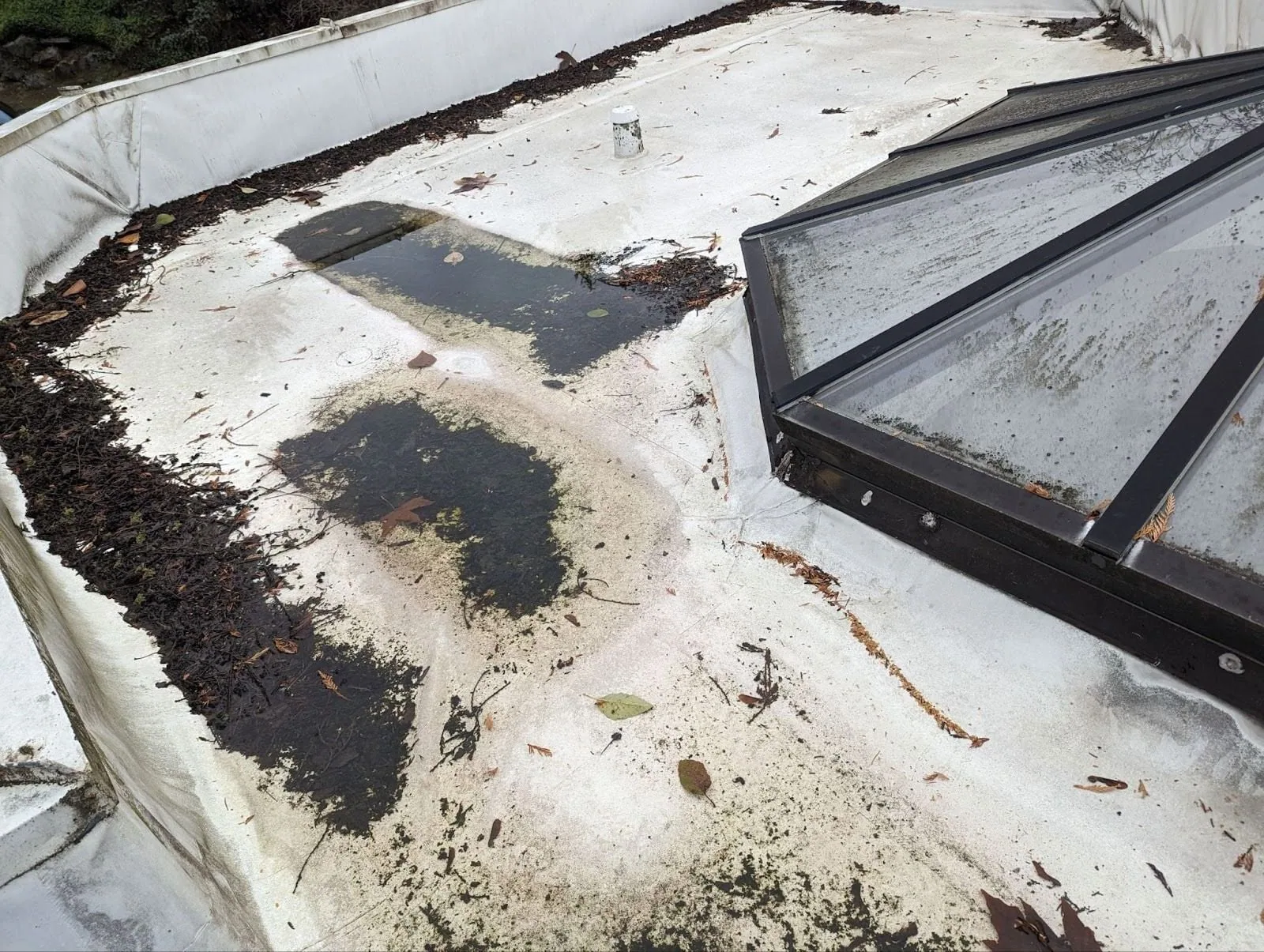
Water entry may begin at a split lap, an open flashing, a failed termination, or a drain connection. Trace each path from the interior report toward the roof detail, noting slope, low areas, and nearby penetrations. At a curb, check how the membrane rises and turns at the corners. At a drain, examine the bowl, connection, and surrounding material. At an expansion joint, inspect the cover and the movement allowance rather than sealing only the visible gap.
A repair scope should name the preparation, material, and boundary. On a bituminous surface, identify whether loose surfacing or wet layers must be removed before a new ply can be tied in. On a membrane, define the sound edge and compatible patch. The leak repair visit documents the observed path, but does not claim that an interior stain marks the exact entry point. If test openings are required, show their locations and explain how the result changes the scope.
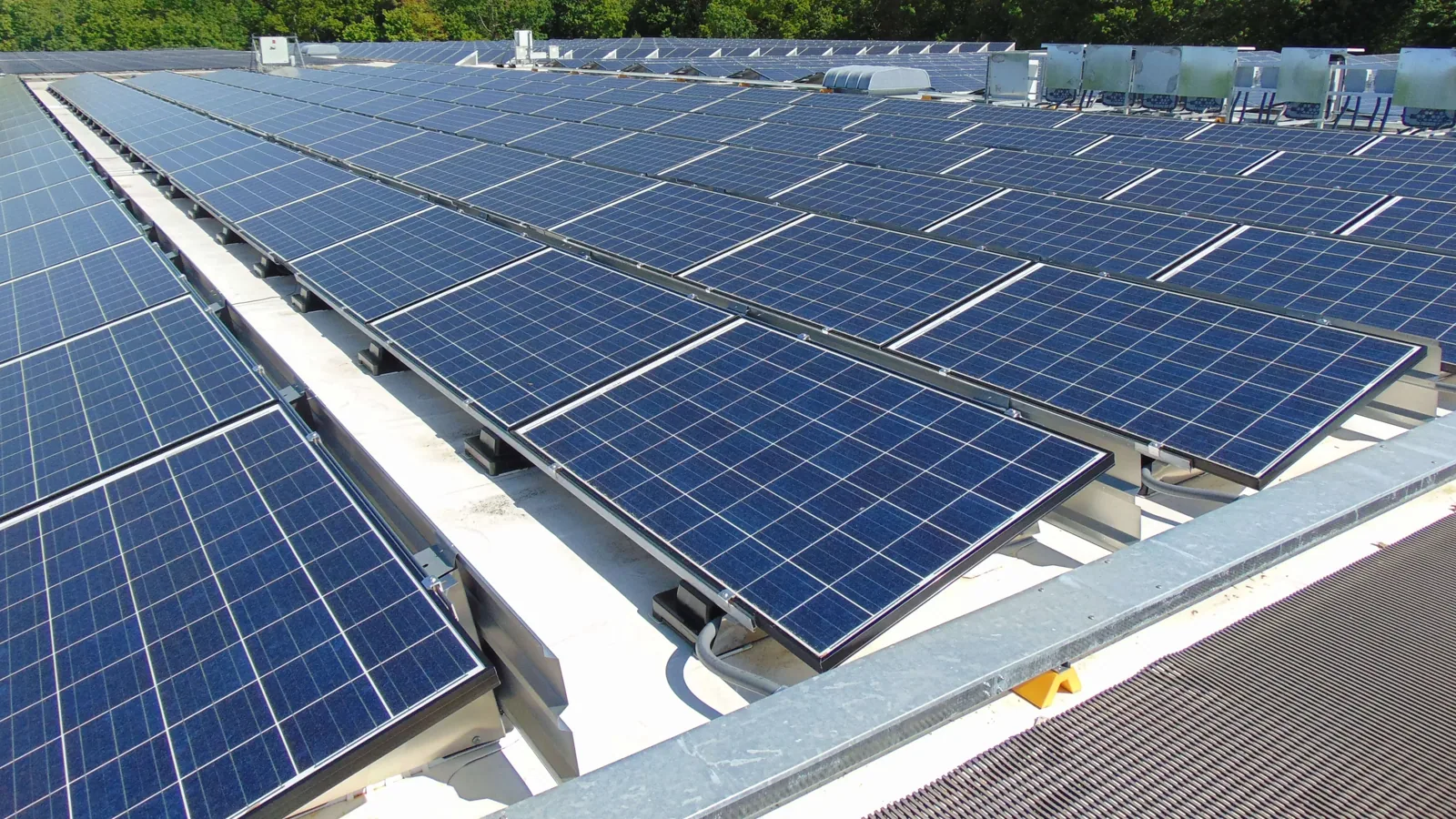
Treat Liquid-Applied Work as a Tested Scope:
Liquid-applied restoration can be considered only after the existing surface and substrate are evaluated. The coating must have a suitable base, adequate adhesion, and a defined reinforcement plan at seams or transitions. Dirt, moisture, incompatible prior coatings, and active movement can undermine the result. A small test area can reveal preparation or adhesion concerns before larger application is approved.
We identify the areas for cleaning, repairs, reinforcement, and application thickness in the proposal. Wet insulation, open seams, and failed attachment are separate defects that a surface treatment will not correct. The restoration assessment records its test area, preparation, and exclusions, while a replacement review sets out the alternative if the assembly is not a sound base. That comparison lets the owner choose based on observed conditions rather than assuming a coating is suitable because it is available.
Sequence the Work for Valley Weather and Access:
The Las Vegas Valley has hot, sunny periods and occasional summer monsoon storms with gusty winds. Those regional conditions affect material handling and the time a roof can remain open; they do not diagnose a particular roof. We check current conditions before mobilization, store materials as required, and plan secure closure at each shift boundary. A defined stop point gives the crew a practical response if wind or rain arrives earlier than expected.
Two broad North Las Vegas planning areas, Apex Industrial Area and Cheyenne Technology Corridor, can help orient a discussion about where a project is located. They do not establish a parcel's zoning, operating schedule, or roof access. The site contact confirms staging, roof entry, escorts, loading routes, and equipment clearances. We include these constraints so the crew can stage materials without blocking active doors or leaving an assembly exposed while moving around rooftop equipment.
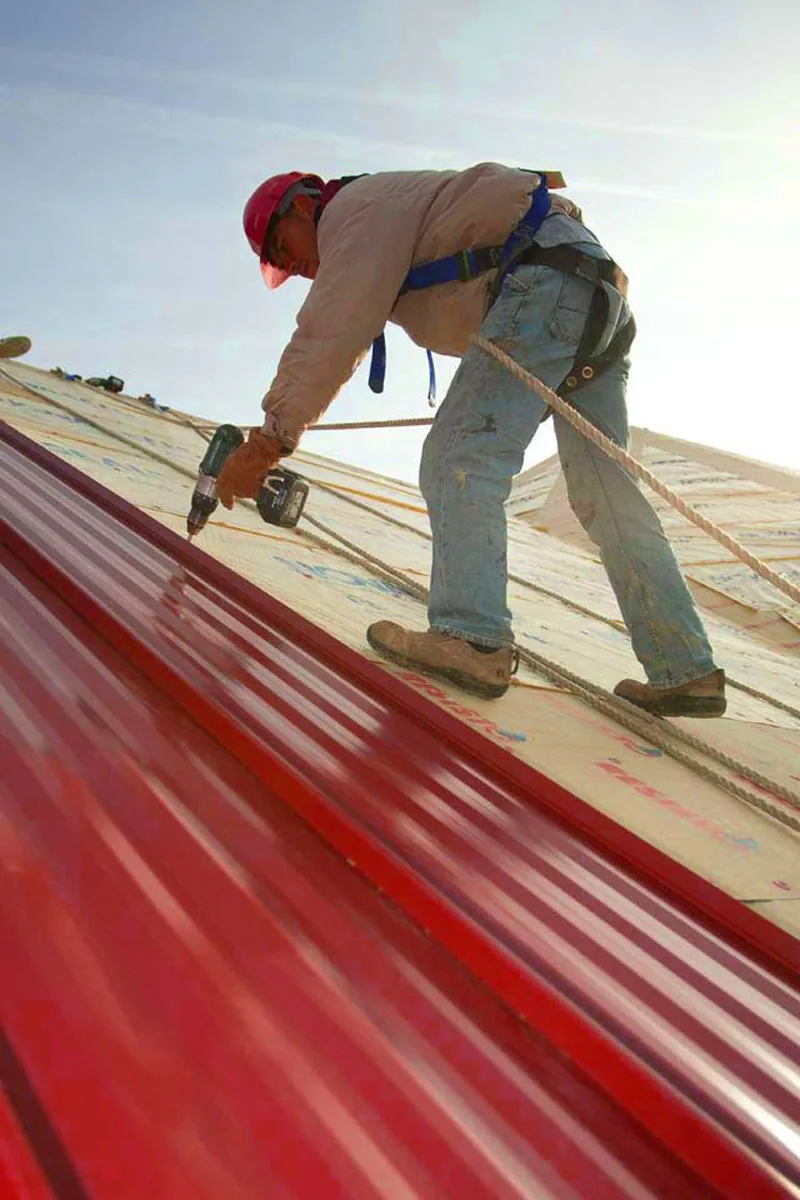
Compare Restoration and Replacement on Defined Areas:
When restoration is not supported, replacement planning starts with a clear area schedule. Identify which sections will be removed, the deck and insulation assumptions, edge details, drains, penetrations, and equipment work. If an assembly changes across the roof, separate the areas rather than assigning one material to the whole surface. Test findings and unknown conditions belong in the scope notes so the owner can see which assumptions may affect price or duration.
A phased job should state daily tear-off limits, temporary tie-ins, cleanup, and how a concealed issue is approved before work expands. The replacement scope should also show how drains and perimeter details are addressed. A comparison with a Carlisle SynTec assembly or Sika Sarnafil system should use the same deck, insulation, attachment, and flashing assumptions. The useful comparison is between defined systems and scopes, not a brand name against a general allowance.
Document Each Repair and Transition:
At closeout, mark repaired zones on the roof plan and keep dated photographs of the preparation, concealed conditions, and finished details. Record materials used, test area results, and any change from the original scope. If equipment is relocated or another trade adds an opening, note its location and the party responsible for the change. That makes the next inspection more useful because the roof's repair history can be compared with its present condition.
Before a visit, provide prior repair records, leak dates, roof drawings, access rules, and any known layer changes. We will verify what is visible and identify any opening or test needed to confirm the assembly. For an active leak, provide the time, affected room, and site contact so an inspection can be arranged around current conditions. The resulting scope can distinguish a confirmed defect from an untested area and explain what the owner should decide next.
Get an Assembly-Based Roof Review
Share the roof plan, known layers, repair history, and access requirements. We will inspect the transitions and define a supported repair, restoration, or replacement scope.