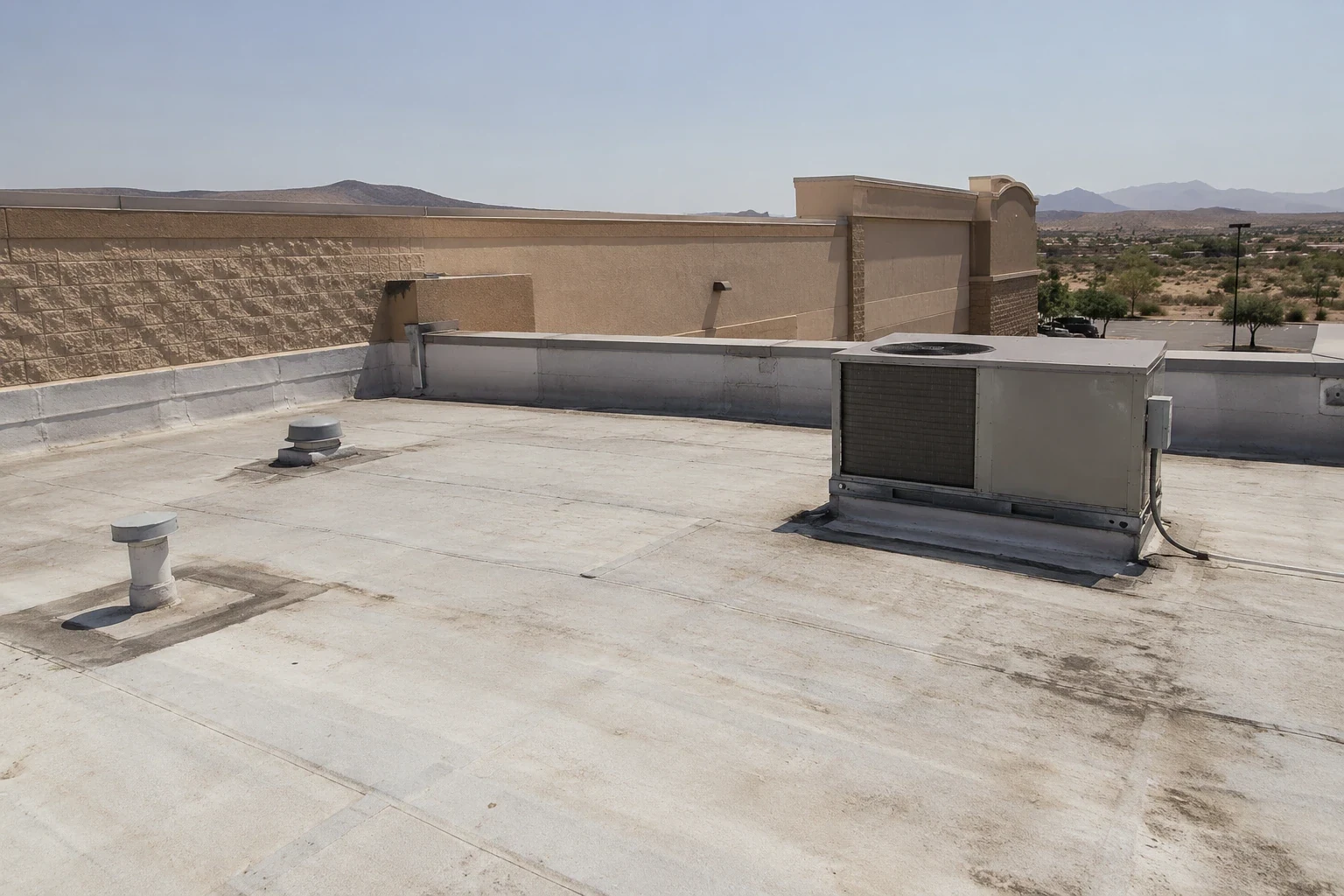
Inspect grocery-store roofs around refrigeration equipment, receiving access, drainage, occupied sales areas, leak records, and protection of daily operations.
A grocery roof must protect sales areas, back-of-house rooms, refrigeration equipment, and the receiving side while the store stays usable. A leak report should lead to a defined inspection, not an immediate assumption about the entire membrane. Record where water appeared, when it started, recent equipment work, and prior repairs. Then map that interior report to the roof zone above it, tracing possible movement along a deck, insulation layer, curb, seam, drain, or wall before setting a repair boundary.
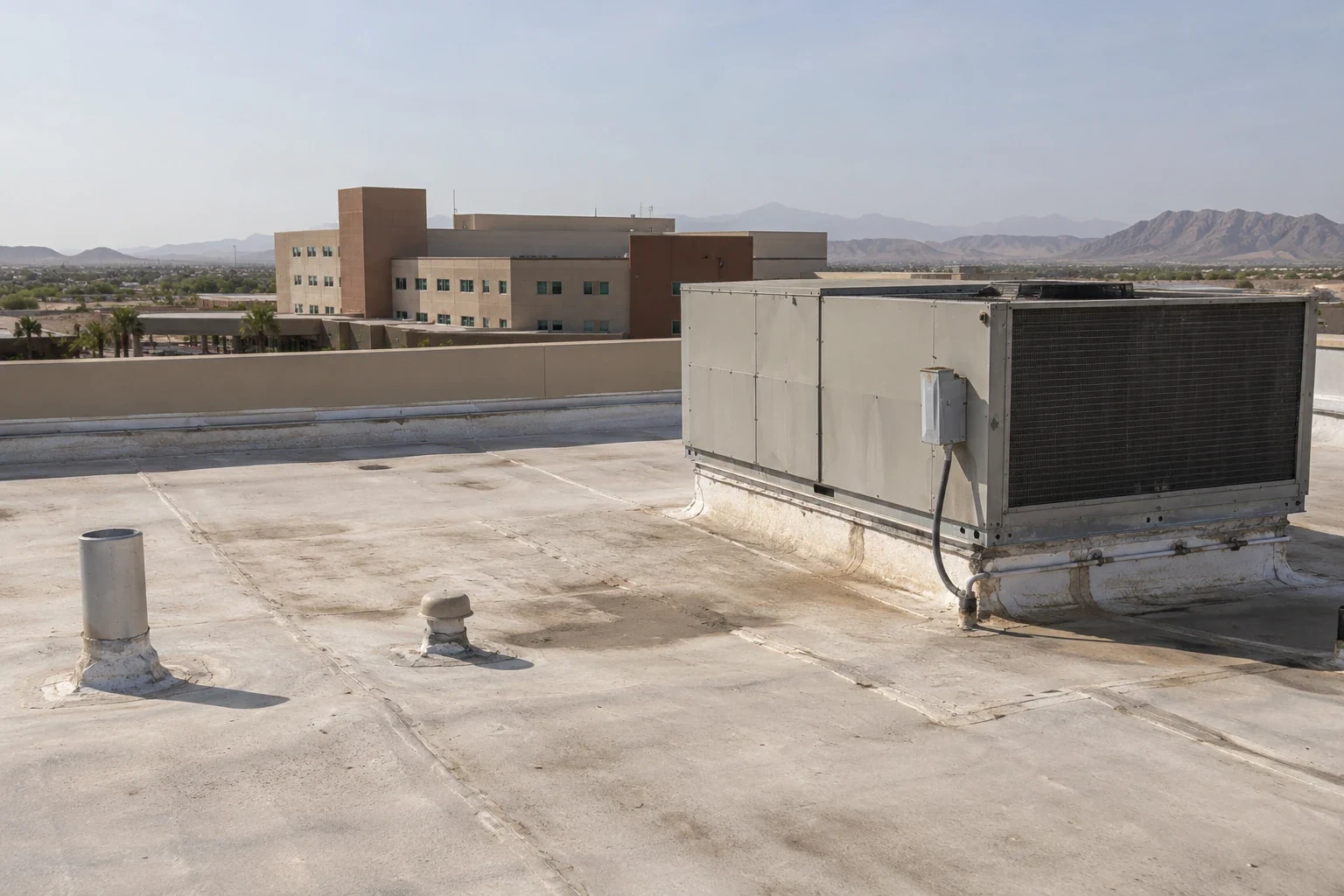
Map water reports to the relevant roof field
Ask the store contact for the department or room, date and time, photos, weather at the time, and whether the area is still wet. Note merchandise, electrical equipment, and customer paths that may need temporary protection. The roof review should identify the field above, drainage route, nearby penetrations, and any earlier patch. If the source cannot be confirmed visually, document the uncertainty and determine whether moisture testing or a controlled opening will change the scope.
Coordinate access with the person who controls roof entry and receiving. Confirm delivery windows, refrigeration service activity, roof-hatch access, lift locations, staging, and any area that must remain clear for fire or emergency routes. The store manager can also identify restricted rooms and the person authorized to approve customer routing, so the inspection note captures operating limits along with roof details. The commercial roof inspection record can capture observations by zone. A shopping-center roof review covers tenant-facing coordination, while a grocery property may also have refrigeration-specific roof penetrations to document.
Commercial Roofing Questions
How should a grocery store handle an active roof leak?
Protect people, products, and electrical areas first, then record the room, time, weather, and visible conditions. Contact the authorized facilities person and restrict roof access to trained personnel. A contractor should trace the water route and document the repair boundary before selecting permanent work.
Can refrigeration equipment cause a roof leak?
A curb, penetration, service route, or recent equipment change can be an inspection point, but equipment alone does not prove the source. Compare the work history with the roof zone and interior report. If the entry path is unclear, document what testing or access would resolve the uncertainty.
When should roofing work be scheduled?
Use the store's opening, receiving, food-handling, refrigeration service, and emergency-access rules to select a window. The work plan should state how noisy tasks, staging, lift movement, and customer routing will be controlled. Every shift also needs a weather-tight closeout plan.
Does one recurring leak mean the whole roof must be replaced?
No. Identify whether the problem is limited to a defined detail or connected to broader moisture, seam, flashing, drainage, or substrate conditions. Compare the repair record with inspection and test results. A larger evaluation may be warranted, but it should be tied to evidence and a clear scope.
What records should a store keep after roof work?
Keep roof-zone identification, repair dates, materials, photos, equipment changes, concealed conditions, and the person who accepted the work. Note temporary protection and any unresolved area. Those records help connect later reports to actual work without assuming that every leak has the same cause.
More Roofing Detail
COMMERCIAL ROOFING IN NORTH LAS VEGAS, NEVADA
Review refrigeration curbs and service penetrations
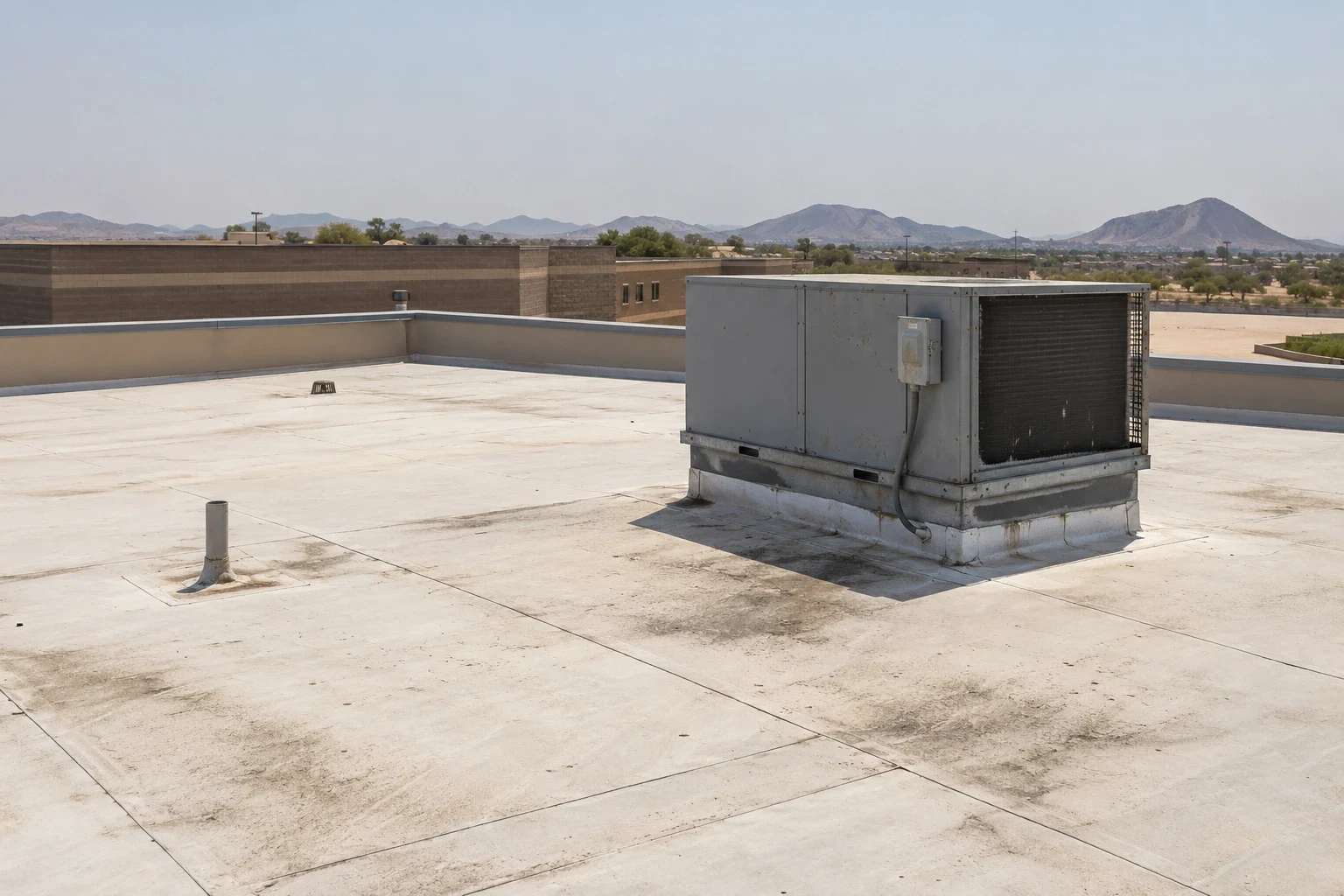
Refrigeration and mechanical equipment can be serviced, replaced, or altered over the life of a building. Compare installed units and curbs with drawings and maintenance records where available. Inspect flashing around penetrations, abandoned supports, conduit, pipe stands, and routes used by service personnel. Look for a repair edge, open lap, damaged sealant, or movement that can be confirmed safely. Do not infer a leak from equipment alone; a wet interior may originate elsewhere on the roof.
When a trade opens or disturbs a roof detail, record who is responsible for temporary protection, how the opening is closed, and who verifies the final condition. Keep a photo with a roof-zone marker and date. A documented TPO roof may warrant the seam and transition checks in the TPO system review; a different assembly calls for different inspection points. For a separate building type with kitchen exhaust conditions, see how restaurant roof coordination differs without assuming its equipment or roof layout is identical.
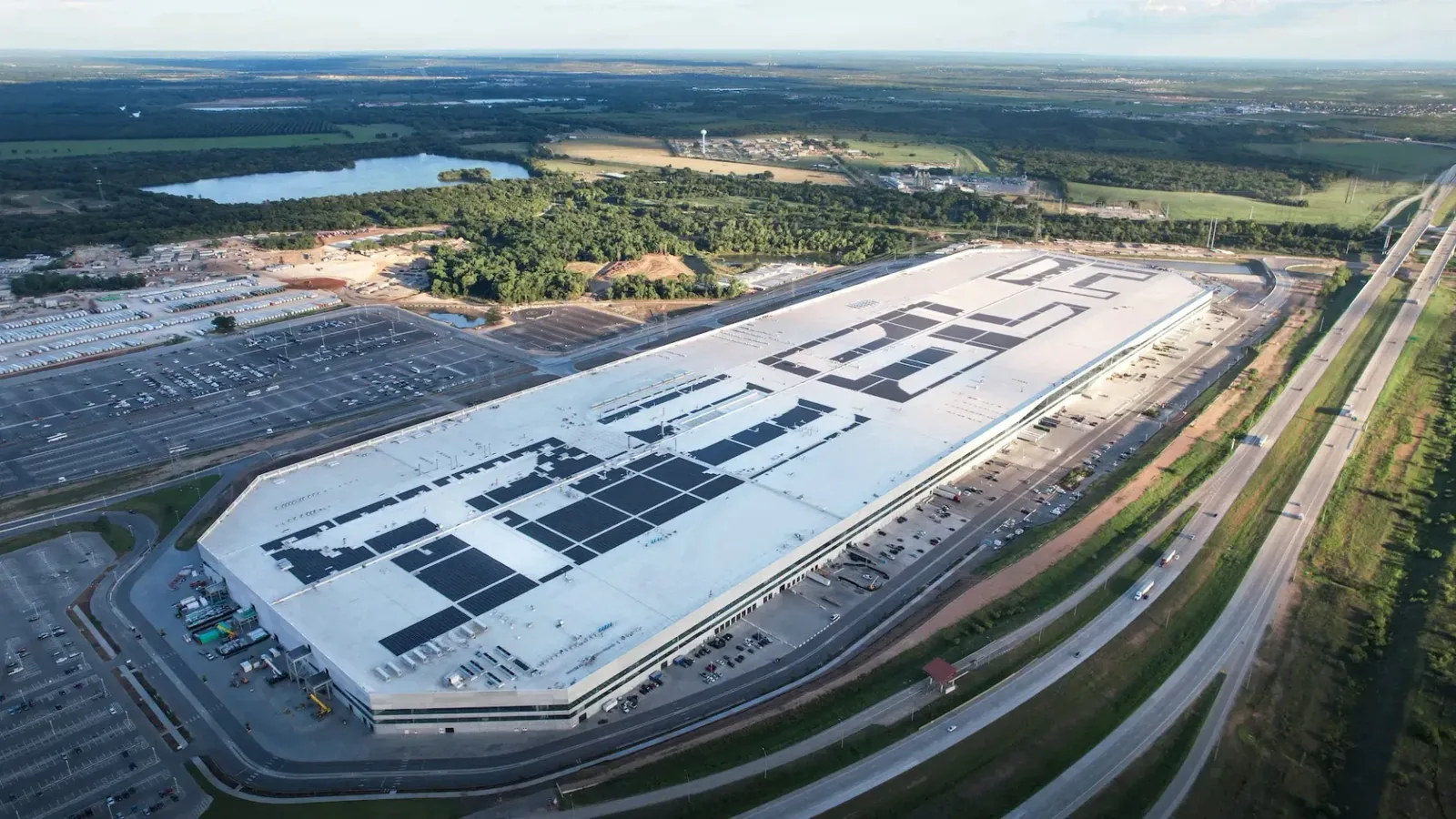
Protect refrigeration, merchandise, and customer access
Schedule work around receiving, opening hours, refrigeration service, and areas where a temporary closure would affect food handling or customer movement. The store contact should identify sensitive rooms and decide how equipment, merchandise, and interior finishes are protected. Define whether noisy or disruptive work requires an off-hours period, who posts access notices, and how a crew reaches the roof without crossing restricted areas.
For larger scopes, name each roof phase and the point when it will be weather-tight before the next shift. The daily closeout should confirm that penetrations are sealed, temporary materials are secured, drains remain open, and debris has been removed. Confirm that temporary covers do not redirect water toward an entrance, refrigeration intake, or vulnerable interior area. Regional heat and monsoon thunderstorms are part of the broader Las Vegas Valley context; the forecast for the actual work window must guide dry-in and wind protection. A commercial replacement plan should explain the protection strategy for every open zone and any assumptions about receiving access.
Use local business figures only as broad context
Census QuickFacts reports $3.796 billion in North Las Vegas retail sales and $794.934 million in accommodation and food-services sales for 2022. Those citywide values are not a count of grocery stores, refrigeration systems, roof areas, or building condition. They are broad economic context only. The service plan for an individual store still comes from its own access requirements, operating schedule, equipment records, roof plans, and leak history.
The city's 2006 framework map labels the North 5th Street Transit Corridor and Cheyenne Technology Corridor as planning areas. That historical planning material is not current zoning, transit data, or proof of any store's boundary. A grocery roof near the North 5th corridor or elsewhere is scoped from its own plans, refrigeration load and access routes. If water reaches a sales or stock area, commercial roof leak repair should locate the entry path and set interior protection before permanent repair work is chosen.
Set a repair limit and identify what could change it
A local repair can be effective when the failure point is found, the surrounding roof remains serviceable, and the detail can be restored without trapping moisture or leaving an incomplete transition. If reports recur after repairs, seams or flashings fail across several zones, moisture is suspected, or substrate evidence is concerning, test and evaluate a wider area. Those findings call for an informed comparison; they do not automatically establish that replacement is required.
Write down the repair boundary, materials, access hours, receiving limits, temporary protection, disposal, testing, and exclusions. For a capital choice, separate urgent water control from a longer-term condition review. A roof condition report can preserve photos and next steps by zone, while a big-box retail roof planning raises other large-footprint access issues. Keep the property facts separate from general market assumptions.
Maintain an equipment and repair history
After work, retain the affected zone, repair date, product details, before-and-after photos, concealed conditions, and the name of the person who accepted closeout. Record any temporary protection left for a later visit and who owns the follow-up. When an equipment contractor changes a curb or penetration, add that event to the building record so future leak reports can be compared with a known change.
Routine reviews can check drainage, edge details, roof traffic paths, sealant condition where applicable, rooftop debris, and new interior symptoms. Safe access remains limited to trained personnel. A preventive maintenance inspection can prioritize active water, open details, and unresolved repair items before they affect store operations.
Coordinate the roof with store operations
Send roof plans, leak locations, equipment changes, receiving hours, and access rules so the inspection can map a clear repair boundary.