
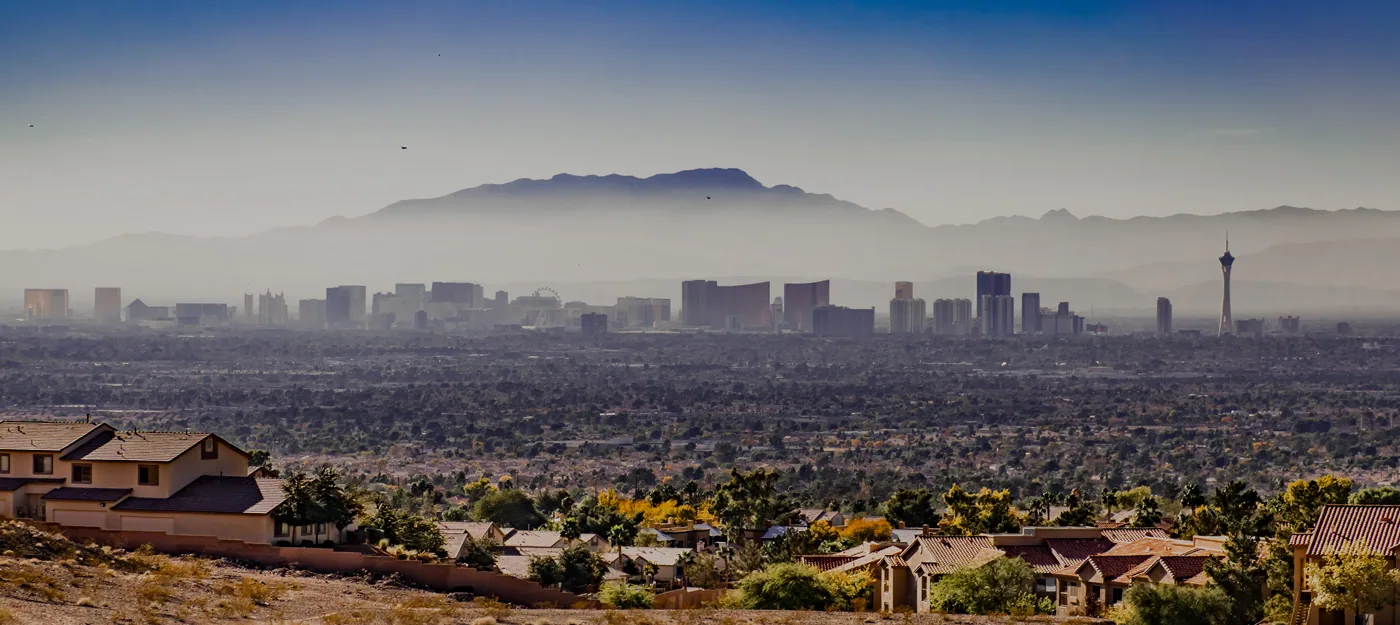
Commercial roof replacement, system selection and repair planning in the Founders District of Las Vegas, NV, matched to heat, UV and monsoon wind exposure.
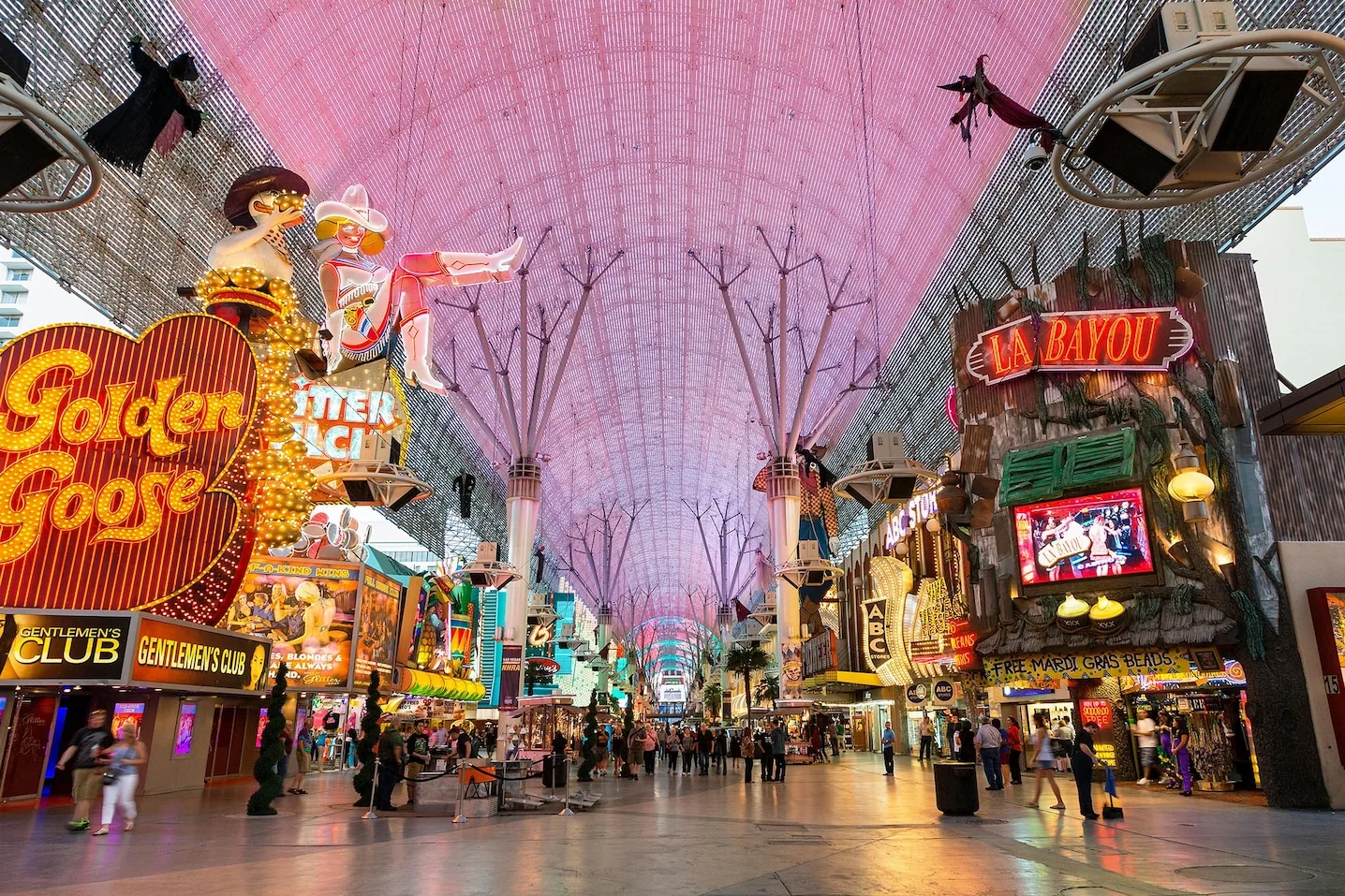
Choosing a roof system for a building in the Founders District comes down to what the existing roof can accept and what the summers ahead will ask of it. Founders is one of the twelve named districts in the City of Las Vegas downtown master plan, and a commercial owner with a worn low-slope roof there has the same decision list as anyone else in the valley: repair, recover, restore or replace. We begin with a test cut, a moisture check and a sketch of the roof zones, then lay out each option with the work it includes, so the owner can compare a full replacement with a lesser step on the same terms.
Existing roof: what it can accept
The first filter is the roof already in place. A recover needs a dry, firm substrate with enough bond and a deck that can carry the added weight. A tear-off is called for when insulation is wet, the deck is damaged or earlier recovers have already stacked layers on the roof. A test cut in each roof zone answers these questions, and a moisture survey widens the answer across the whole surface.
We also look at how the old roof was attached, because a ballasted, adhered or mechanically fastened assembly each demands different handling. Gravel or ballast must be removed and stored, adhered systems need a compatible surface, and fastened sheets need pull tests. The cost of a recover versus a tear-off follows from those findings, and it is a number the owner can read in the proposal.
Drainage is part of the same review. A roof that has settled over the years may hold water in new places, and a new membrane laid over the same low spots inherits the same problem. If the slope to the drains is poor, tapered insulation can be added to the scope. Edge conditions get equal attention: the parapet height, the wall flashing and the coping decide how the new membrane terminates, and a recover that cannot meet the wall flashing height is a reason to tear off.
Commercial Roofing Questions
Which test findings decide between a recover and a tear-off?
Dry, firm insulation with a bonded membrane and a sound deck allows a recover. Wet or crumbled insulation, a damaged deck or layers already stacked on the roof send the job to a tear-off. We take a test cut in each roof zone and add a moisture survey, so the decision rests on readings across the whole surface instead of one sample.
How does PVC differ from TPO for a sun-exposed roof?
Both are heat-welded, reflective single-ply membranes. PVC tends to resist grease and many chemicals better, which matters near kitchen exhaust or process vents. TPO is widely used where a light, reflective surface and cost are the priorities. The right one depends on what is on the roof and what the owner expects from its service life.
What does a metal roof retrofit avoid?
It avoids full tear-off of a sloped steel roof whose fasteners or panel laps are leaking. New framing or purlins carry new panels over the old, and the building keeps operating. It adds weight and changes the edge details, so the structure and drainage are checked first, and the existing panels must be sound enough to support the new layer.
Why does the Nevada energy code come up when a roof is replaced?
A replacement can trigger insulation requirements, under the energy code Nevada adopted for 2024. The city's permit office states the exact requirement, which is why we look up the address early. We list insulation thickness and cover board on the proposal as separate lines, so the reviewer sees what the roof will contain and what each item adds.
How should an owner phase work across two or more roofs?
Rank by active leaks first, then exposed details, then remaining membrane life. Survey the properties in one trip so conditions compare directly. Place the first order for the roof with the worst water path, and schedule the second for a steadier weather window. A capital plan then spreads the remaining work over budget cycles.
More Roofing Detail
COMMERCIAL ROOFING IN NORTH LAS VEGAS, NEVADA
System choice: matching membrane to exposure
Single-ply thermoplastics such as TPO and PVC have heat-welded seams and reflective surfaces, which suits a sunny desert market. PVC resists many chemicals and cooking residues, which can matter near kitchen exhaust. TPO is common where a lighter, reflective surface is the priority. A modified bitumen roof adds redundancy in layers and tolerates foot traffic well, but its installation method and weight differ.
Metal is a separate branch. Where a building has a sloped steel roof that leaks at fasteners, a metal roof retrofit can add a new weathering surface without a full tear-off. Each choice has trade-offs in price, install time, repair method and expected service life, and we state them without pushing one product.
Heat and UV: what the surface faces every day
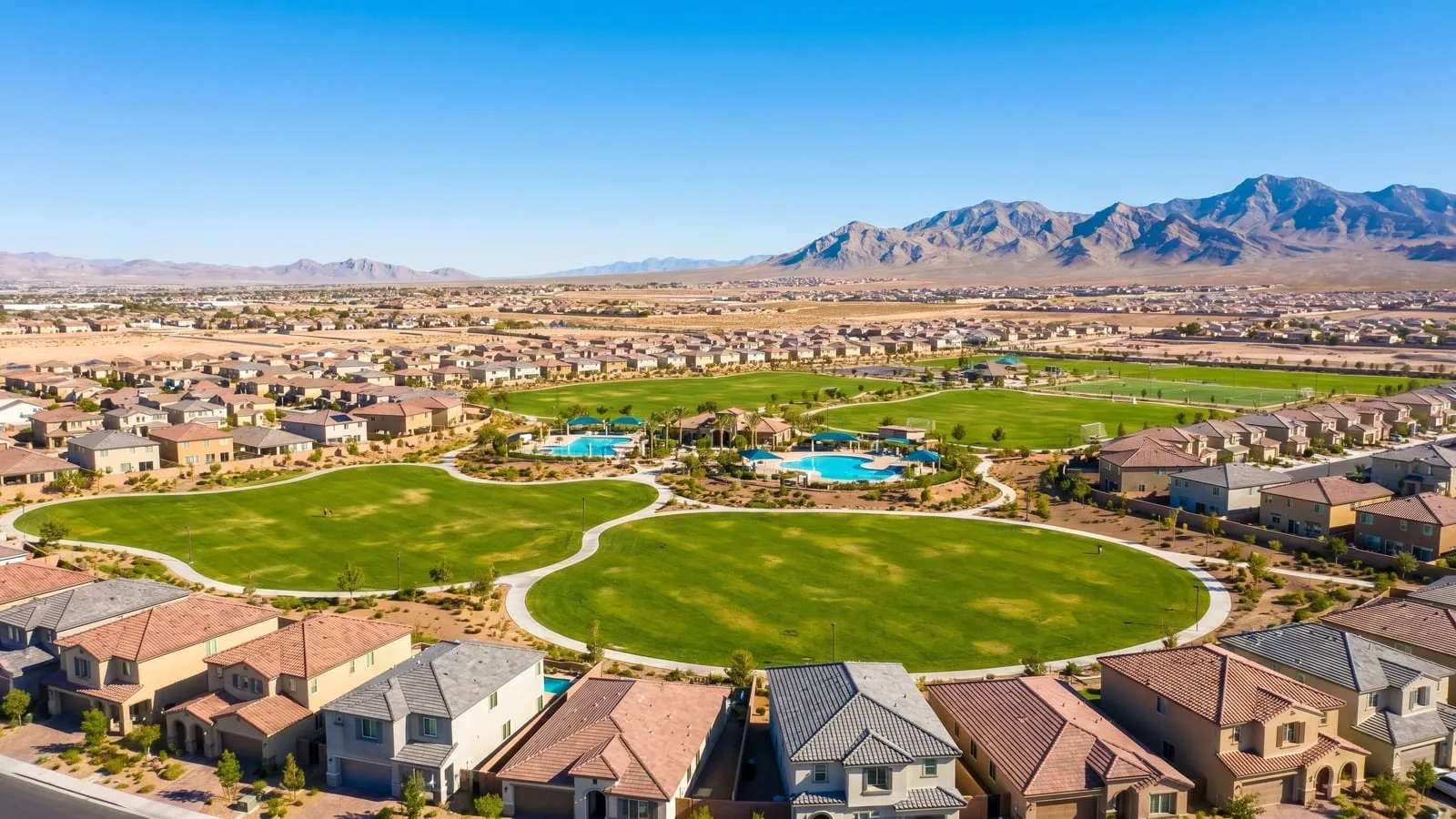
Roof membranes in the valley's desert setting absorb ultraviolet light and heat for most of the year, and plasticizers, binders and sealants slowly degrade. A dark roof surface can run far above the air temperature on a summer afternoon.
A reflective surface lowers that load, and The statewide energy code raises the insulation question on any replacement. We put insulation thickness, the cover board and the reflectivity of the finished surface on the proposal as separate lines, so a reviewer can check them quickly.
Owners sometimes ask whether a coating can stand in for a new roof. A coating can restore a sound, dry membrane, and a Cashman District owner and a Founders District owner would both be told the same thing: coating does not replace insulation that has gone wet. The moisture survey comes first, and the coating decision follows its result.
Attachment and wind: how the new roof stays put
A new membrane is only as good as its attachment. Even occasional strong gusts load the edges and corners hardest. We specify a fastening or adhesive pattern with extra density along the perimeter and at corners, and we confirm that the edge metal is fastened to match.
On the day of install, the work protects what is open: boards and rolls are staged for that shift only, loose sheets are tied down and the crew closes up before the end of the day. Blowing dust and sand can contaminate a bond surface, so substrates are swept and checked right before adhesive or welding. For a roof damaged by an earlier gust, our wind damage repair work records the lifted areas first and fixes the attachment before the new surface goes down.
Lead time and sequencing: what sets the calendar
The calendar for a replacement is set by four things: the permit path, material lead time, the availability of tenants and the summer storm season. Permits depend on the jurisdiction, so the address is confirmed first. Material lead time varies by system and by order size, so we place orders as soon as the scope is approved. Tenant constraints set the working hours, and the summer storms tend to break up large open sections.
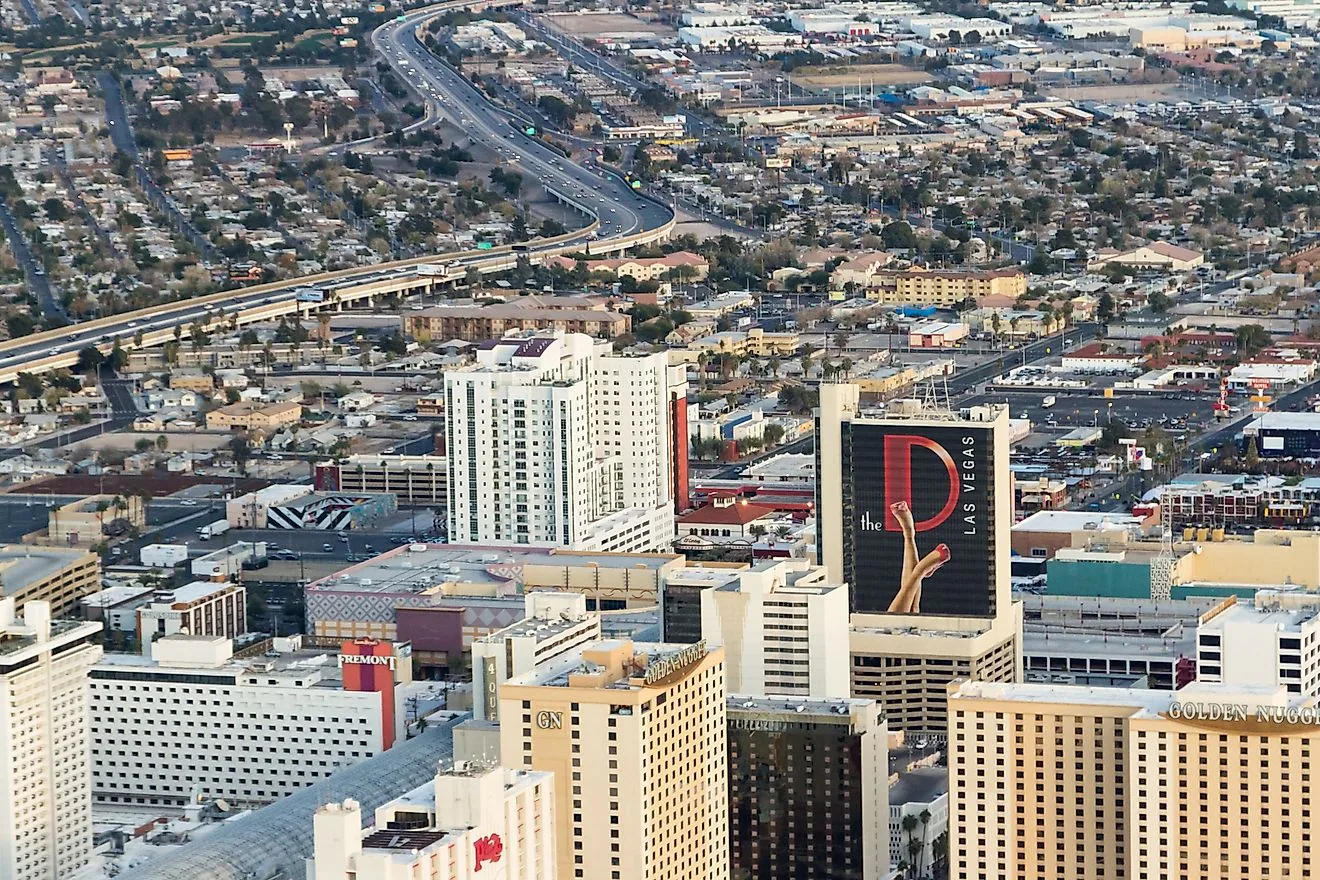
We schedule the largest tear-off areas for steadier weeks and use small sections during storm months. Owners with several properties, such as one in Founders District and one in the Market District, can ask us to line up the surveys in one trip and phase the work by priority. A roof capital plan turns those findings into a multi-year budget.
Start with a test cut and a moisture reading
Send the roof plan, repair records and the dates of past leaks, and we will take test cuts and readings that show which options the roof can accept before a system is chosen.