
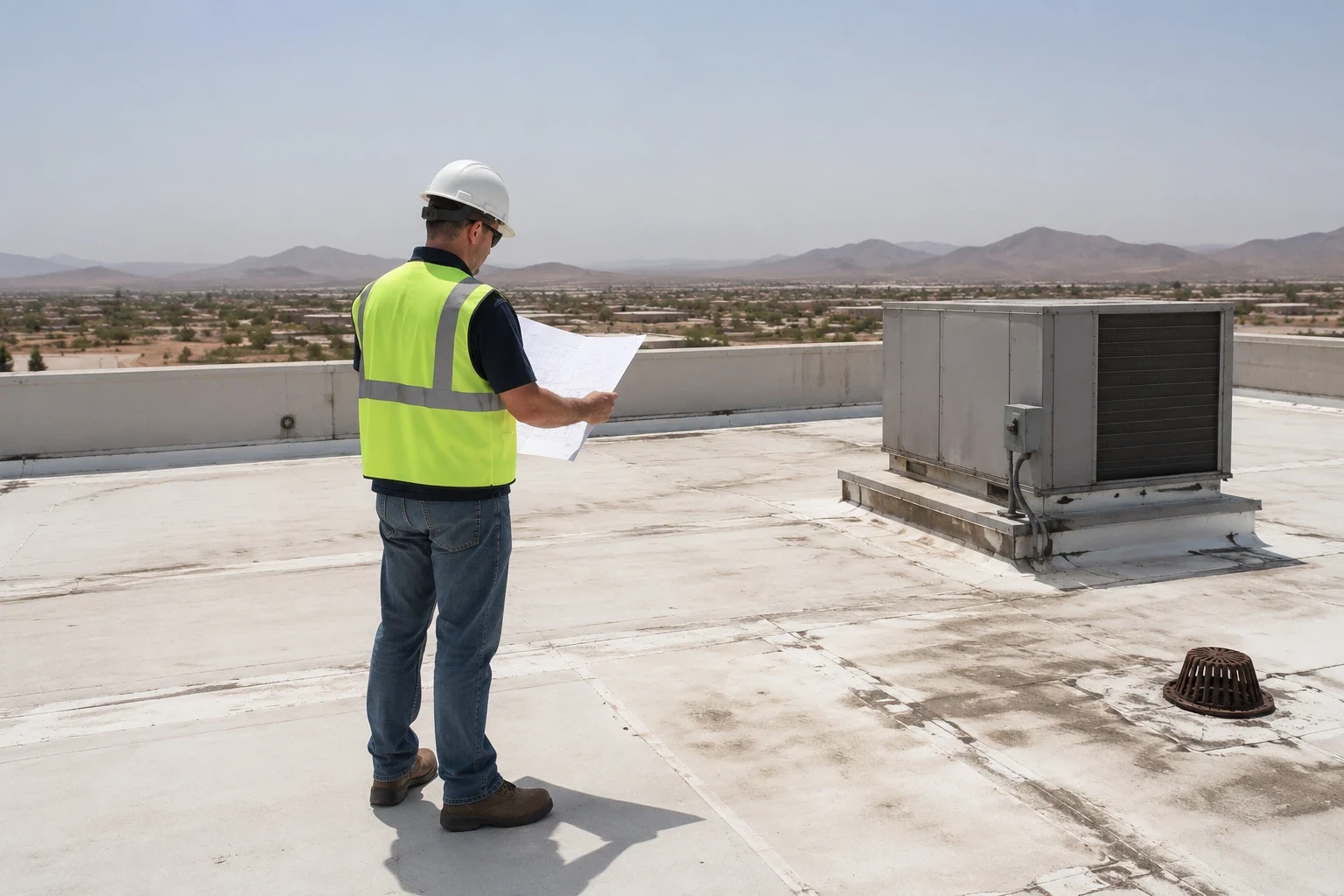
Build a North Las Vegas commercial roof budget from verified conditions, repair history, operating constraints, and clear assumptions for each project option.
A capital plan should explain why a roof project belongs in a particular budget year, what evidence supports the scope, and what could change the recommendation. We begin with the current roof condition, repair history, access constraints, and the owner’s operating horizon. For North Las Vegas properties, the regional setting informs inspection timing, but the budget remains tied to the actual assembly and field record. A useful plan separates confirmed work from allowances, unresolved testing, and long-range monitoring so a portfolio summary never turns uncertainty into a construction promise. The linked roof-condition report supplies the dated observations behind each decision.
Set the budget from verified roof areas
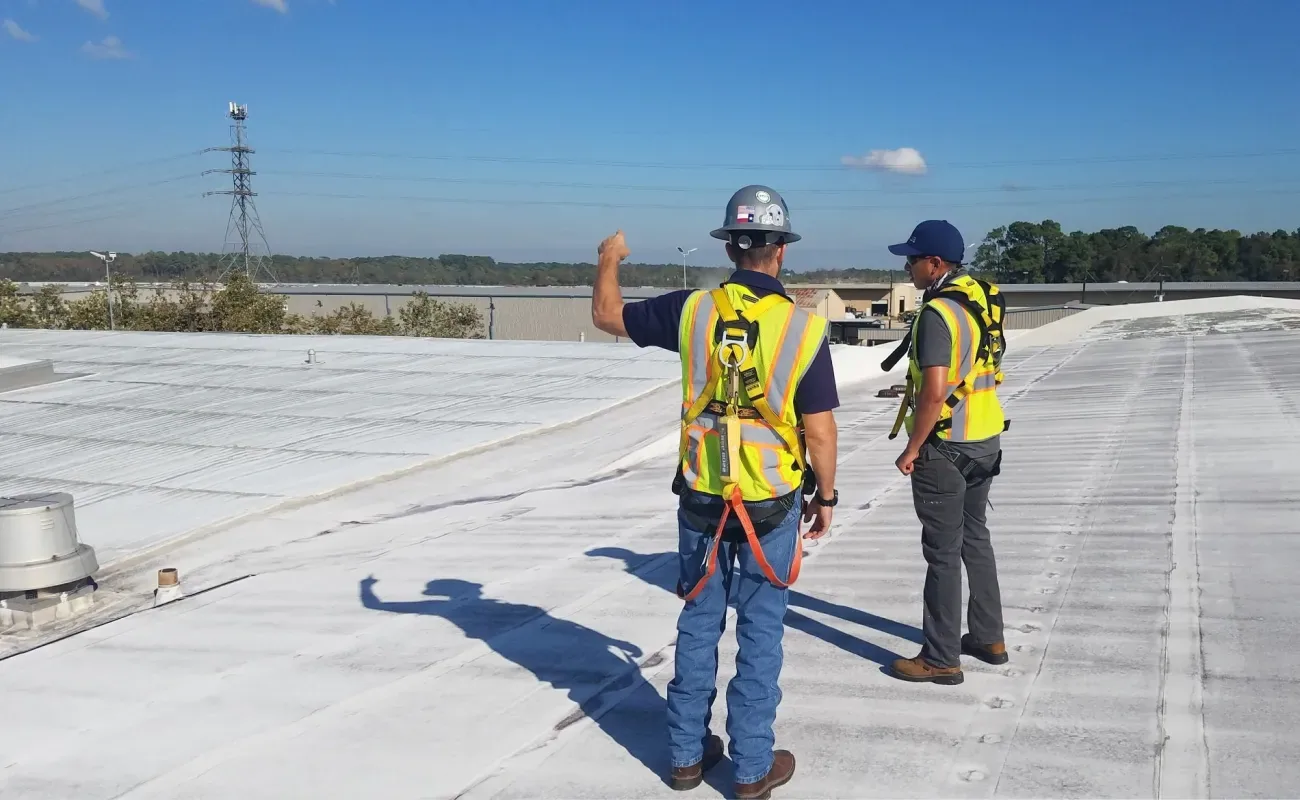
First, reconcile the roof plan with what can be reached and inspected. Divide the property into roof areas, record the apparent assembly, note access and equipment constraints, and map photographs to stable identifiers. Then compare prior repairs, recurring leak locations, warranty files, and available closeout documents. If a drawing does not match the field condition, mark that discrepancy rather than carrying the old area total into a bid package. A qualified commercial roof inspection can establish the missing baseline, while a consistent asset record preserves the observation date and confidence level.
Quantities should follow measured boundaries, not a broad allowance copied from another building. Record whether a roof-area total came from a current plan, field measurement, or an estimate awaiting verification. Separate membrane, edge, drain, curb, and flashing conditions where the distinction changes access, sequencing, or scope. A coating or recover option needs substrate and moisture review before it becomes a priced assumption. Where the existing assembly is uncertain, identify the exploratory work needed and carry the cost as a visible planning item rather than blending it into a firm replacement number.
Commercial Roofing Questions
What should a commercial roof capital plan include?
It should identify roof areas, observed conditions, repair history, scope assumptions, budget ranges, operational constraints, and the next evidence or approval needed. Separate confirmed quantities from allowances and name the event that would change the timing.
Can roof age alone determine replacement timing?
No. Age is one planning input, but current assembly condition, recurring repairs, moisture evidence, drainage, tie-ins, access, and the owner’s operating horizon affect the decision. Use inspection findings to set a review window rather than promise a failure date.
When is repair a reasonable budget alternative?
A repair may fit when the defect is localized, adjacent materials can accept a sound tie-in, and the surrounding assembly has been reviewed. Document the repair boundary and follow-up check, and keep concealed conditions as unresolved until they are tested.
How should several buildings be prioritized?
Use shared fields for urgency, evidence quality, unresolved testing, budget range, and next action, then preserve each property’s own assembly and scope. A portfolio score should explain its ranking instead of replacing the field record.
What changes after the capital budget is approved?
Before solicitation, reconcile the scope, area schedule, photographs, and assumptions. During work, record authorized changes and discoveries. At closeout, return marked-up plans, relevant documents, photographs, and remaining actions to the asset file.
More Roofing Detail
COMMERCIAL ROOFING IN NORTH LAS VEGAS, NEVADA
Compare repair, restoration, and replacement
Budget alternatives should use the same roof boundary and disclose their different assumptions. A repair path can address a localized defect when surrounding materials and tie-ins are suitable; the plan should identify the repair limit, temporary protection, and follow-up check. A restoration path requires adhesion, moisture, drainage, and compatibility review, plus a clear account of what remains outside the treatment. Replacement can address broader assembly concerns, but the budget should state what is included at penetrations, edges, insulation, and disposal. The replacement scope should not be compared with a repair allowance that omits testing or access. The owner can compare those costs against current priorities while retaining the basis for each number and the investigation that could change it.
For each option, list expected near-term cash needs, future inspection points, operational interruptions, and conditions that would change the choice. A product label alone does not establish suitability; even a familiar TPO assembly must be matched to the verified substrate and project details. We keep unknown deck conditions, wet insulation, or concealed deterioration as explicit contingencies. That makes the comparison useful to finance and facilities teams without implying a specific service life or a precise failure date.
Choose timing around condition and operations
Replacement timing is a planning decision, not a countdown based on age alone. We look at the recurrence and spread of repairs, the condition at transitions and drains, documented moisture findings, and the amount of roof area still unverified. Then we set a decision window and define what evidence should move the project forward or defer it. If a limited repair is proposed for the next budget year, specify what would trigger earlier escalation, such as a newly confirmed leak path or a failed tie-in. Preventive work can fit between major projects when the field record supports it; a planned preventive maintenance visit each season is the usual way to do.
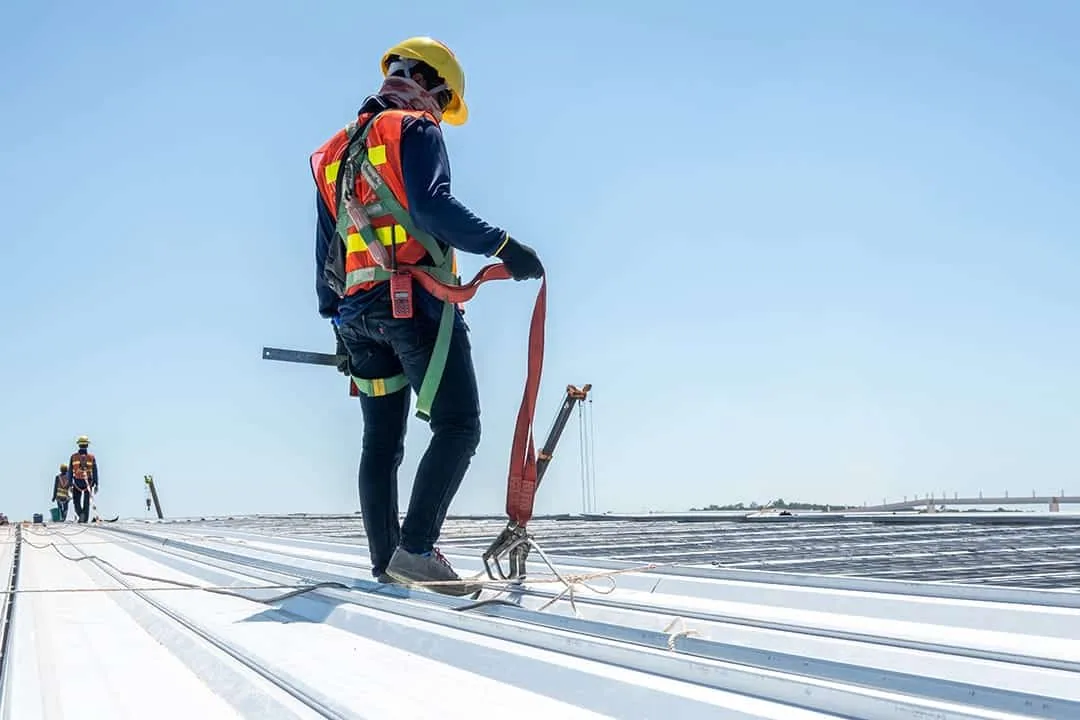
North Las Vegas sits in a hot, sunny desert region, and the National Weather Service describes occasional summer monsoon thunderstorms, gusty winds, and localized flash-flood risk as regional conditions. Those observations are context for scheduling safe access and reviewing drainage; they are not property-specific roof measurements. The plan should identify the inspection window, weather hold points, tenant or production constraints, and the person who can approve a change in sequence. For portfolios near the broad Apex Industrial Area planning label, field access and site rules still need direct confirmation.
Make portfolio priorities comparable
When several buildings compete for the same capital pool, use common decision fields without forcing unlike roofs into one ranking formula. A portfolio summary can show inspection recency, urgent water-entry controls, unresolved testing, budget range, and next decision date. Keep each property’s assembly, photographs, and repair boundaries in its own record. A regional planning reference such as the Cheyenne Technology Corridor may orient a conversation about where a facility sits, but a broad planning-map label does not define a parcel or establish current zoning.
Rank work by documented consequence and readiness. A roof with active interior exposure may need immediate protection, while another with incomplete records may first need a survey. A third may be suitable for a planned capital package after design and procurement review. Do not let a color-coded score hide the reason for the ranking. Pair each priority with the evidence, risk if deferred, assumptions, and next owner action. A coordinated multi-site program can standardize reporting while leaving each building’s scope distinct.
Turn the budget into a controlled project handoff
Before a budget item becomes a solicitation, check that the scope narrative, roof-area schedule, photographs, and estimate use the same identifiers and revision date. State which investigations are complete and which remain allowances. Confirm whether occupied operations require phased access, interior protection, after-hours work, or coordination with other trades. Where the owner needs third-party review, attach the dated field record and note who accepted the assumptions. Do not represent an early planning range as a contractor proposal or final bid.
After approval, preserve a change log. Record revised quantities, discoveries after opening, approved substitutions, and the person authorizing each adjustment. Closeout should return marked-up plans, product and warranty documents where applicable, repair photographs, and unresolved items to the asset file. For a warranty-sensitive project, compare the proposed work with the governing documents and manufacturer requirements before procurement. This sequence helps a facilities lead carry a defensible decision from the budget meeting to the roof without losing the basis for the original scope.
Put the next roof decision on a clear footing
Share current roof plans, inspection records, repair history, and operating constraints. We can review the evidence, identify open questions, and outline the next field step.