Track North Las Vegas roof conditions, repairs, and capital items with zone-based inspections, documented priorities, and property-specific maintenance records.
A portfolio spreadsheet can show a repair date without showing where the repair stopped. Before setting the next scope, we compare the roof plan, inspection record, and current field condition by roof zone. In North Las Vegas, that matters when an owner manages properties with different access rules, equipment, and work histories. Our asset-management record connects a finding to the location, evidence, repair boundary, and next decision instead of reducing the roof to a single condition label.
The City’s 2006 comprehensive-plan framework labels broad areas including the Apex Industrial Area and Cheyenne Technology Corridor. Those names can help group a local portfolio, but they are not current zoning or parcel records. Each building remains a separate asset with its own roof assembly and verified condition.
Build the roof-area inventory
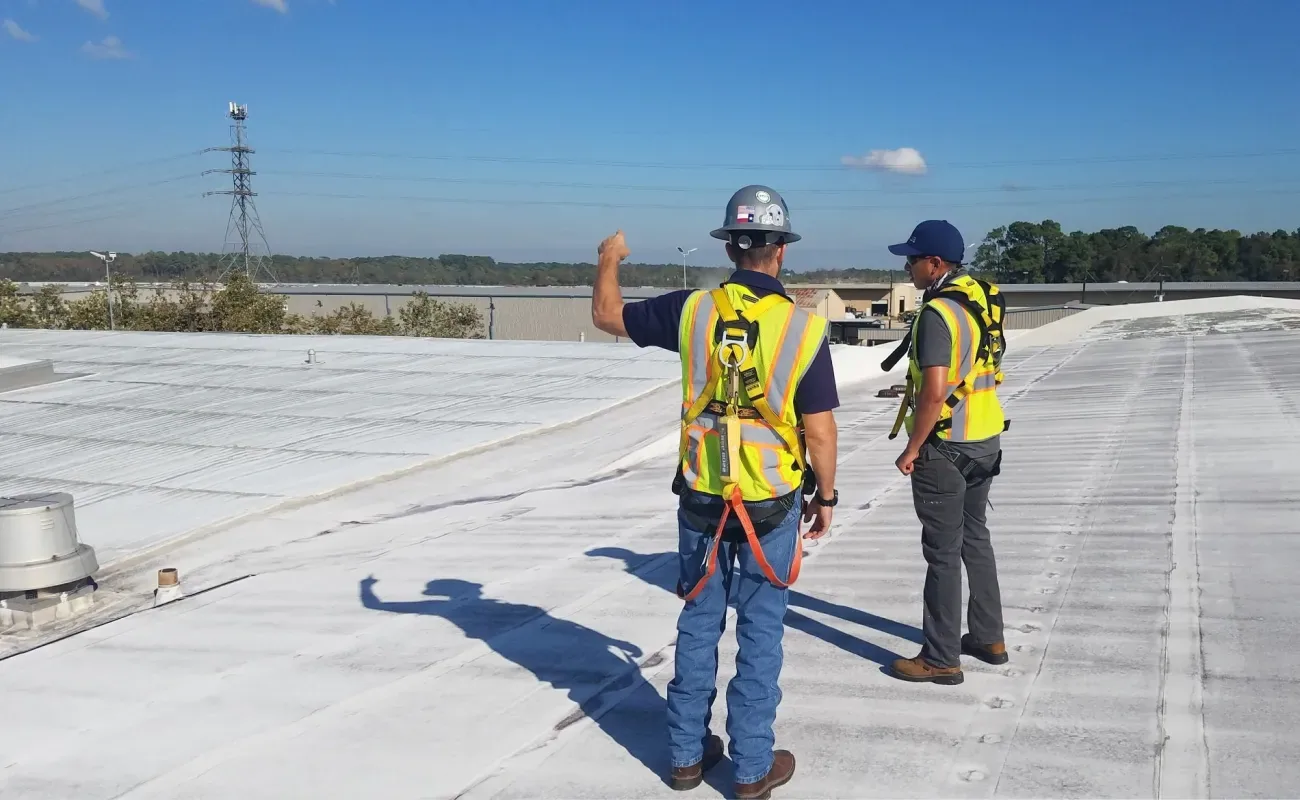
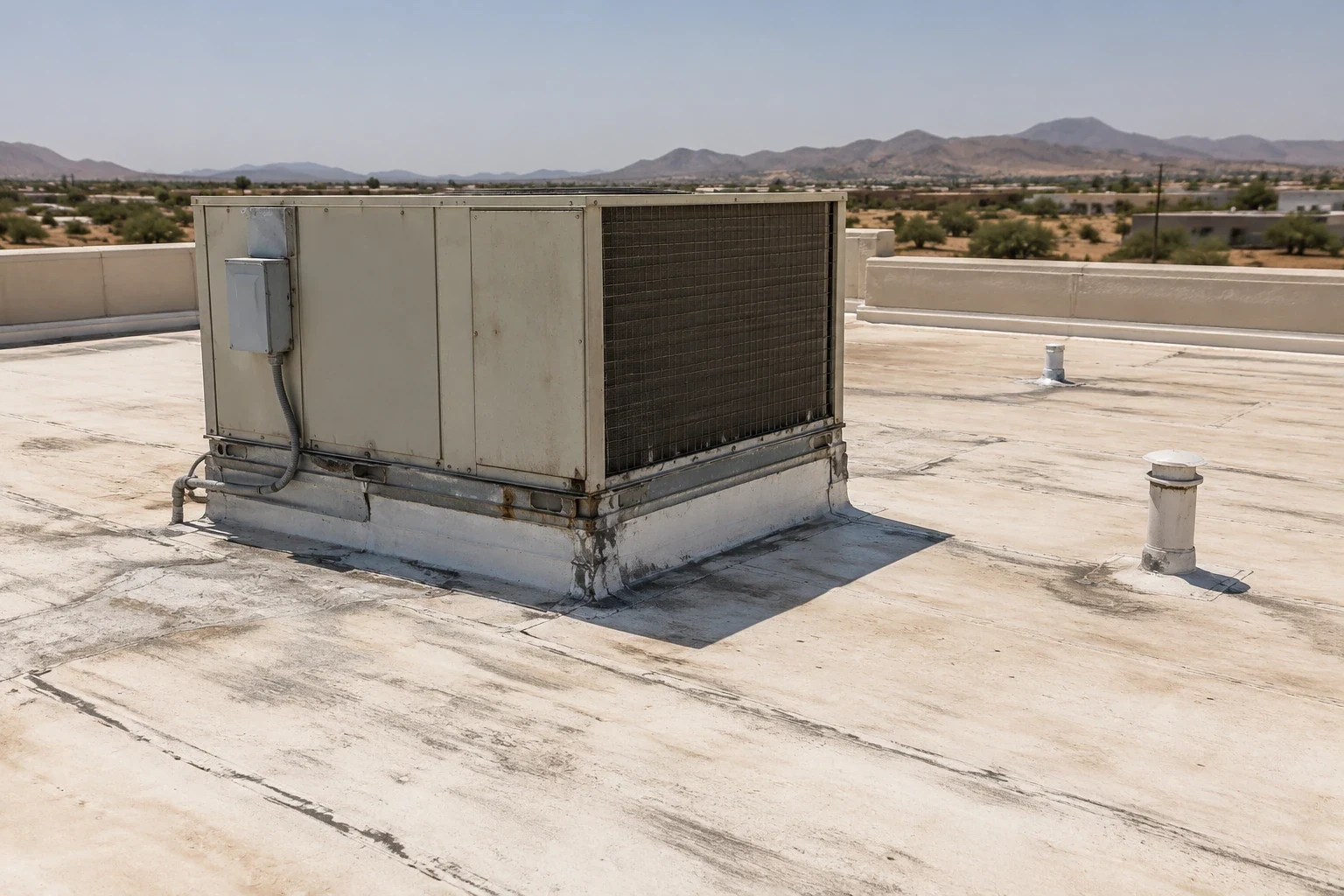
We start with roof plans, prior reports, warranty documents, leak dates, and equipment changes. During the walk, we identify accessible roof areas, seams, drains, edges, curbs, and known repairs. For work near the Apex Industrial Area, we verify the actual property access plan and roof records rather than treating a broad planning-area label as a site boundary. Each photo receives a zone reference, and each open item has a status: confirmed defect, maintenance, monitoring, or testing required. If the plan is incomplete, we note the location reference used so a later visit can compare the same area without guessing.
A condition report gives the manager a dated view of the field. A commercial roof inspection checks visible details, while an infrared survey may help select locations for direct moisture testing. We keep the scan interpretation separate from a confirmed wet-insulation finding.
Commercial Roofing Questions
What belongs in a commercial roof asset record?
Keep the roof plan, assembly notes, dated photographs, inspection findings, repairs, warranty documents, access limits, and open tests together. Each item should name its roof zone and next action.
Can one condition score represent every building in a portfolio?
No. A portfolio summary can compare properties, but each roof needs its own evidence, assembly, and repair history. We keep property findings separate and explain what the status means.
How do you distinguish a maintenance item from a capital need?
We note the failure boundary, recurrence, substrate evidence, and operational effect. A clear maintenance task can be scheduled; repeated defects or uncertain layers may need testing and capital comparison.
Does a roof scan confirm wet insulation?
A thermal pattern can guide where to test, but it does not prove moisture by itself. We list the scan area and any test cut needed before the repair scope relies on that conclusion.
What should I provide before the first portfolio review?
Send roof plans, past reports, repair tickets, leak dates, equipment changes, warranty records, and site access rules. We will identify missing records and prepare a field route around those constraints.
More Roofing Detail
COMMERCIAL ROOFING IN NORTH LAS VEGAS, NEVADA
Rank findings by the decision they affect
Not every item needs the same response window. Active water entry or an open tie-in may need prompt protection; a drain with debris may fit a maintenance visit; a soft area may require testing before price or scope can be set. We record the condition, its likely effect on operations, and the evidence needed to close the question. That lets a facilities lead sort a roof list by urgency without treating an untested area as a confirmed failure.
Summer thunderstorms in the valley arrive with gusty wind and a sudden volume of rain, which is why the drain history belongs in the asset record. This regional weather context can inform a pre-season drain and edge review, but it does not establish a defect at a property. A maintenance visit records accessible drains, seams, and flashing; a storm review documents observed damage after an event.
Connect inspection history to capital timing
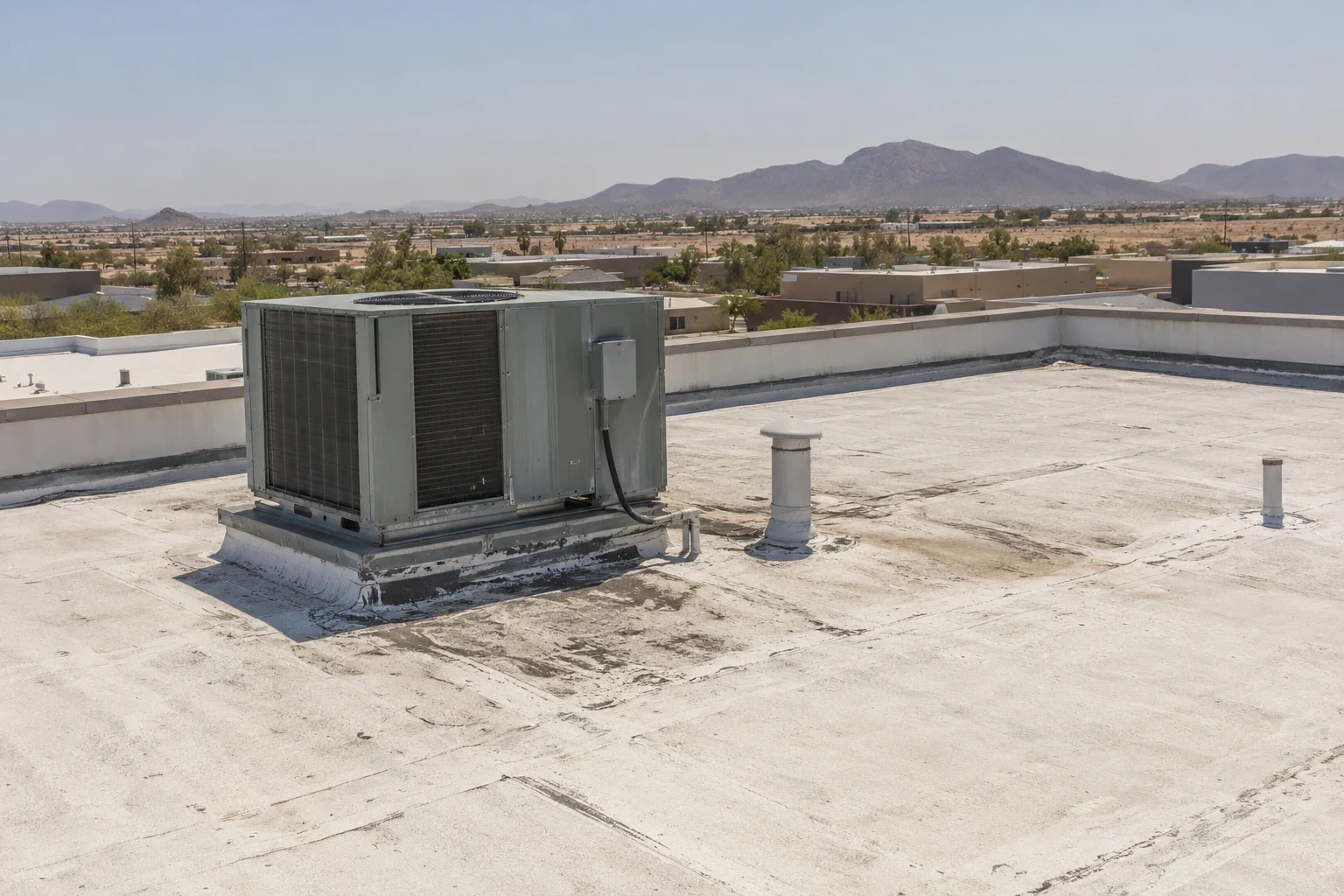
Replacement timing should follow the assembly evidence and the owner’s planning horizon. We track recurring repairs, expanding boundaries, substrate concerns, and the remaining areas that have not been inspected. The capital plan can compare near-term repair with restoration or replacement, while keeping the assumption behind each option visible. If the recommendation changes after testing, the record shows which result moved the decision.
North Las Vegas’s framework also labels the North 5th Street Transit Corridor as a main-street and transportation planning area. The historical label is context, not a current access schedule or property rule. For an asset along a named corridor, we verify roof access, tenant impact, and work hours with the actual site contact before scheduling inspection or capital work.
Keep multiple buildings comparable
For owners with several buildings, a multi-site roof program uses common status definitions while preserving each property’s distinct assembly and open conditions. The summary can show which reports are current, which repairs are complete, and where testing remains. It should not imply that a finding at one address exists at another. Separate roof plans and photo logs keep the evidence attributable.
Warranty requirements and repair records also belong in the asset file. Our warranty management tracks the applicable documents, approved maintenance steps, and service records supplied for that assembly. We do not infer a warranty term or coverage from a membrane name. The document and project history control what can be represented.
Plan the next field visit
The next inspection is more efficient when the record lists access windows, roof keys, escort requirements, operating hours, and equipment changes. We confirm those items with the facilities lead and identify any interior access needed to trace water entry. If another trade will open the roof, the plan names who owns temporary dry-in, the tie-in detail, and the closeout check before work begins.
Share the roof plans, repair history, leak dates, warranty documents, and operating constraints. We will update the zone record, identify immediate work and open testing, and give the owner a clear next action for each roof area. A due-diligence roof survey can use the same evidence structure when a property is being evaluated for acquisition or refinancing.
Keep each property decision traceable
Keep each property decision traceable
A useful asset record is more than a list of roofs and dates. It should let a facilities team move from an observed condition to the next decision without guessing which photograph, repair, or estimate applies. We keep the roof-area identifier consistent across the inspection notes, annotated plan, photo log, work order, and closeout record. When a contractor returns, the team can compare the same drain, seam, curb, or edge instead of relying on a general description such as “north roof.” If an area cannot be located confidently, that uncertainty stays visible in the record and becomes a field-verification item.
The 2006 city map gives a regional frame for facilities teams discussing northern employment areas, but its labels are not parcel-level guidance. We refer to the Apex Industrial Area and Cheyenne Technology Corridor as orientation only; current project rules and site access require direct verification. The record also separates what was observed from what remains an assumption. A visible split at a seam can be documented directly; the condition below an insulated membrane may require a test cut or other approved investigation before a repair allowance or replacement quantity is firm. We identify the decision owner, evidence needed, and timing for each open question. That prevents a budget spreadsheet from turning an unverified condition into a promised scope. When the owner accepts a repair, the log records the agreed boundary, temporary protection, permanent detail, and the inspection used to confirm completion.
For a portfolio with properties in different parts of North Las Vegas, the same status labels make reporting easier while individual roof plans retain their own access controls and construction history. A reference to the Cheyenne Technology Corridor or another broad planning area can help teams orient a regional discussion, but it does not establish current zoning, ownership, service availability, or a particular roof condition. The asset record stays tied to the verified property and its approved documents. We review the portfolio summary with the facilities lead, flag records that are outdated or incomplete, and leave a clear next action rather than carrying stale assumptions into the next capital cycle.
Update the roof record from the field
Share roof plans, prior reports, repair history, warranty documents, and access rules. We will map findings by roof zone and return the next actions for each property.