
Organize North Las Vegas roof warranty documents, service history, repair notices, and property follow-up in one usable file for facilities teams.
A roof warranty file is useful only when the owner can connect its terms to the roof that was installed and the work being considered now. We organize available warranty documents, product and installation records, roof plans, service history, and open questions by property and roof area. Before scheduling a repair, the facilities lead can see what the file says, what remains unverified, and which party should be consulted. For North Las Vegas properties, regional weather context may help with inspection planning, but it does not replace the property’s actual warranty terms or field evidence. A dated condition report can document the current condition without making a coverage determination.
Build the record from the governing documents
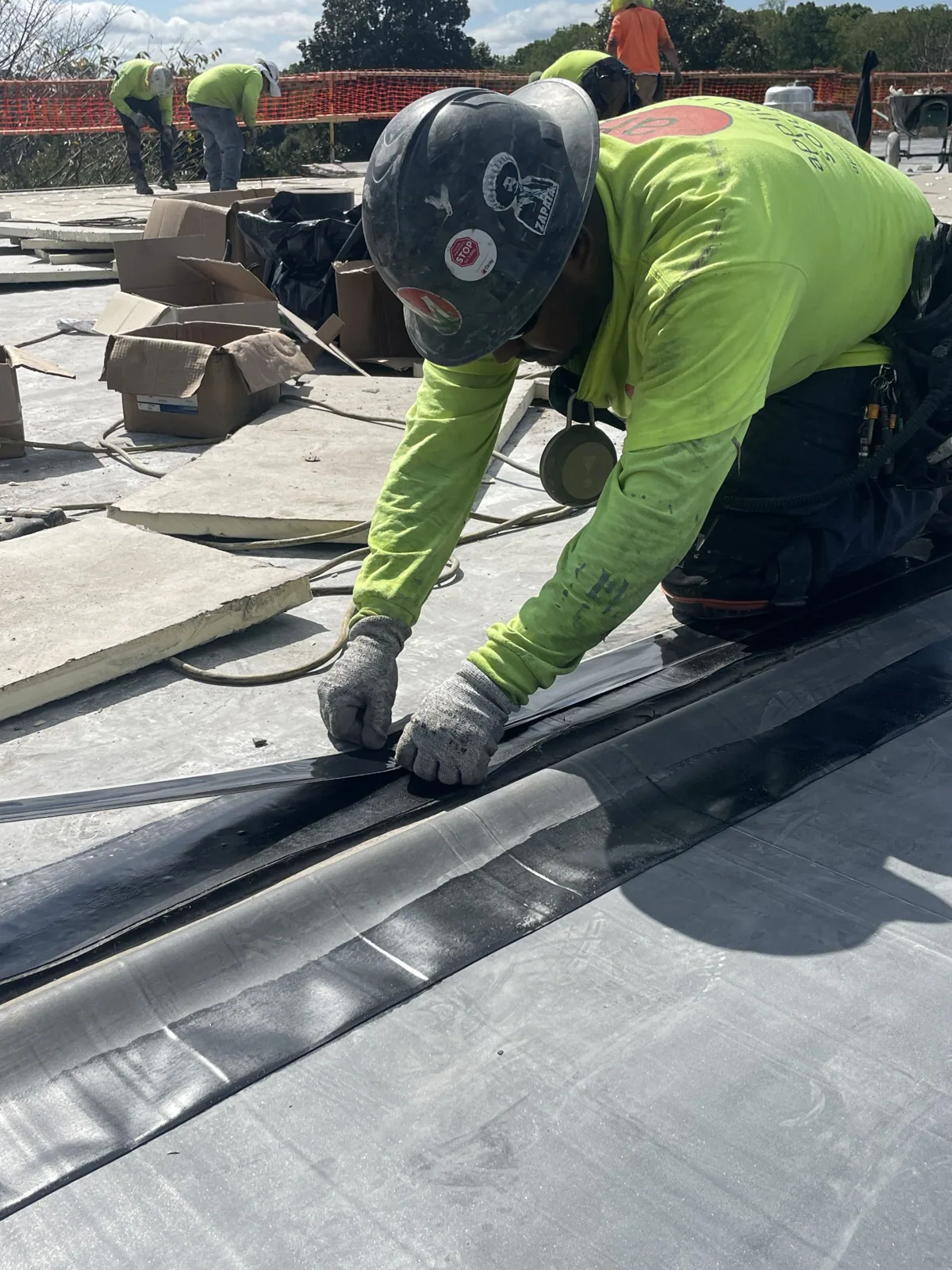
Start with the executed warranty and its amendments, the installation or closeout package, product identifications, contractor information, and any required inspection or maintenance records. Confirm the covered building and roof area, effective dates, stated exclusions, notice method, and contact path from the documents themselves. Keep a note when a copy is missing, unsigned, or inconsistent with the roof plan. A product data sheet alone does not establish that a particular assembly is covered. The organized file should make it straightforward to find manufacturer documents and the records tied to the installed work.
Record the roof-area identifier used in the plan and match it to service notes, photographs, repair orders, and replacement history. If a building has multiple additions or assemblies, keep them distinct rather than attaching one warranty record to the whole property. An roof asset record can track those differences and flag areas where the documents do not yet reconcile. The owner can then assign a records request or field confirmation instead of assuming the coverage applies uniformly.
Commercial Roofing Questions
Does routine maintenance automatically preserve a roof warranty?
The governing document controls. Review its actual maintenance, inspection, notice, and recordkeeping terms, then keep dated evidence of the work performed and areas not reached. Do not assume a generic maintenance checklist satisfies a specific agreement.
Should a repair wait for warranty review?
Follow the agreement’s notice and approval process when it applies. If temporary action is needed to reduce active water entry, document why, what was done, and its limits, then use the required notification path as soon as practical.
Does a manufacturer product sheet prove coverage?
No. Product literature describes a product, while coverage depends on the executed warranty and associated project records. Match documents to the building, roof area, installation, dates, and applicable amendments.
Can a roof inspection determine whether damage is covered?
An inspection can document visible conditions and recommend further investigation. The warranty holder or issuing party applies the actual terms to the evidence; a field report should not represent itself as a coverage decision.
How should records be organized for multiple buildings?
Keep each property and roof area identifiable, with its own plans, warranty documents, maintenance history, photographs, and open actions. Shared index fields can support portfolio review without merging separate assemblies.
More Roofing Detail
COMMERCIAL ROOFING IN NORTH LAS VEGAS, NEVADA
Check the process before authorizing work
When a roof issue arises, document the date, location, visible condition, interior evidence if available, and any immediate protection. Review the warranty’s actual notice and maintenance requirements with the responsible owner or manufacturer contact before undertaking non-emergency work where the documents call for prior review. Do not infer an approval from silence, an informal conversation, or the presence of a contractor on site. If conditions require temporary protection to reduce active water entry, record the reason, materials, limits, and photographs, then follow the documented notification path as soon as practical.
For a proposed permanent repair, assemble the affected roof area, proposed method, material compatibility information, and work sequence for the required review. Confirm who can authorize the scope and whether an inspection or closeout submission follows. The commercial inspection can record the visible condition; the warranty holder or issuing party determines how its terms apply. Keep a copy of correspondence and the approved repair limits in the property file so later work can distinguish accepted scope from a contractor recommendation.
Keep service history complete and property-specific
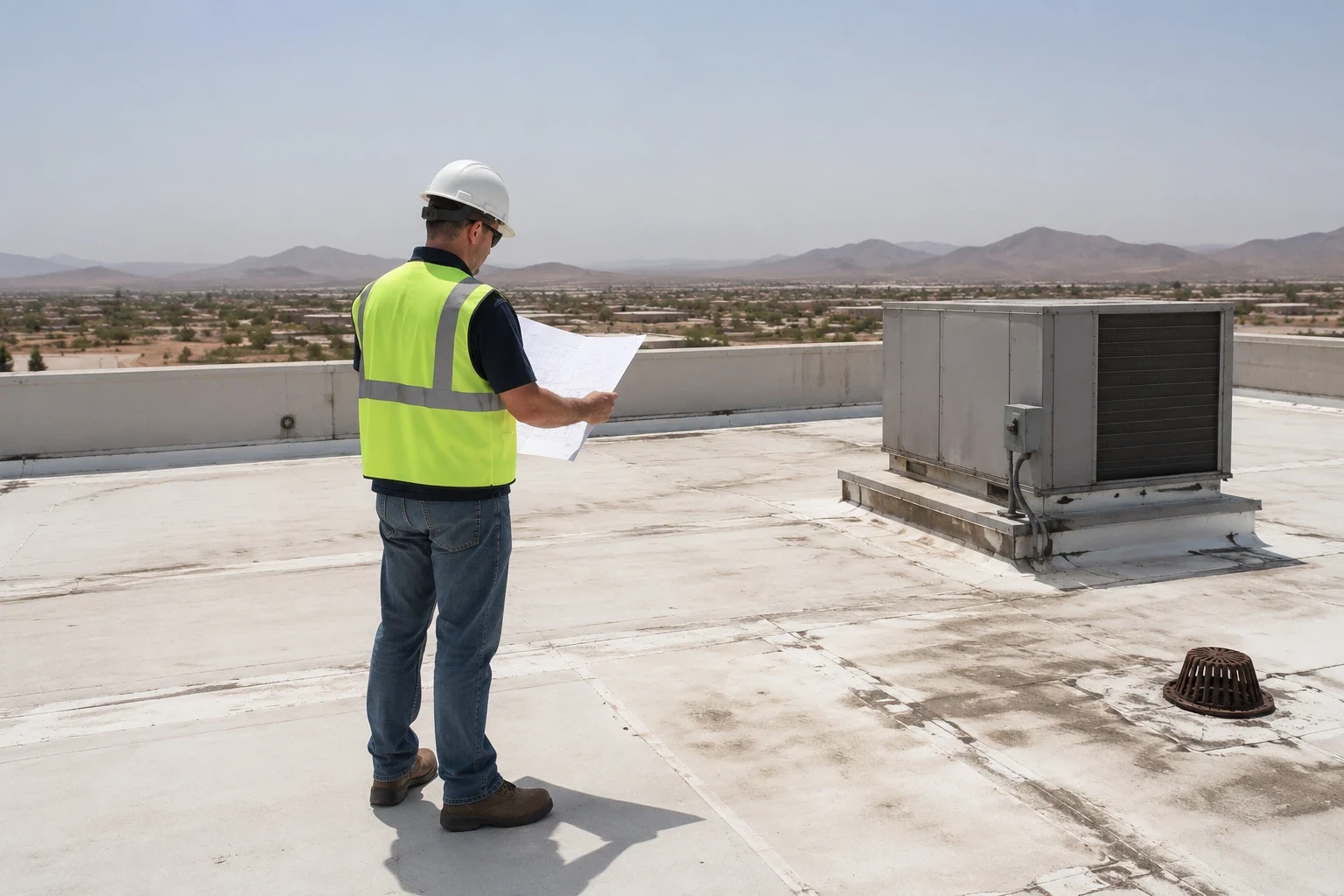
Use the maintenance record to show what was examined, what was cleaned or repaired, which roof areas were inaccessible, and what should be revisited. Date each visit, identify the person or company performing it, and attach contextual photographs to their roof-area references. A maintenance visit should leave a clear account of observed conditions rather than a generic statement that the roof was checked. If a drain, edge, penetration, or prior repair needs follow-up, assign the task and retain the closeout evidence.
Do not rewrite old notes when a later visit changes the assessment. Preserve the earlier observation and add the newer finding with its date and basis. This chronology can help a reviewer understand when an issue appeared and what action followed, but it is not by itself proof of a warranty claim or a coverage outcome. Where the assembly is uncertain, verify the installed components before selecting a repair material. A record associated with a TPO roof assembly should describe the actual observed system and details, not rely on a general product category.
Use regional references carefully
For field scheduling, account for the possibility of summer storms and gusty winds across the Las Vegas Valley. The weather service also notes localized flash-flood conditions. Those regional observations can inform an access plan or a post-event review, but they do not demonstrate damage at a particular North Las Vegas roof. Keep the owner’s event report, inspection findings, and any later test results associated with the property and date under review.
A city framework map from 2006 assigns broad planning names including Apex Industrial Area and Cheyenne Technology Corridor. The map is not a current zoning source or a warranty boundary. If a facility is discussed by one of those labels, confirm its address, access rules, and governing roof records separately. Place references help with orientation; the executed agreement and property documents determine which roof areas the warranty file describes.
If a portfolio file uses the Apex Industrial Area as a location cue, match it to the covered building and agreement.
Make the file ready for the next facilities lead
Maintain a simple index with document name, date, issuing party, affected roof areas, and the next action. Mark whether each item is original, revised, or awaiting confirmation. Include a calendar reminder for required maintenance or notice steps only after checking the governing documents; do not invent deadlines from a generic checklist. When staff changes, hand over access instructions, open repair items, contacts, and the location of the roof plans alongside the warranty file.
If an acquisition or refinancing is underway, identify gaps for counsel, the seller, insurer, or manufacturer to resolve. A survey can record visible conditions and compare available documents, but it should not promise that a warranty transfers or remains valid. Keep the source record and the field condition side by side, note unresolved inconsistencies, and assign an owner for each follow-up. That gives the next facilities team a usable history while leaving coverage interpretation with the party responsible for the actual agreement.
Before a sale or refinance, a due-diligence survey can compare accessible roof conditions with the records provided, while listing inaccessible areas and document gaps. Keep that work separate from a legal opinion on transferability or coverage. The findings can prompt a records request or follow-up with the issuing party, but the executed agreement and its authorized interpretation remain controlling. Add the response and any revised documents to the property index so the next reviewer can follow the record. This helps ensure that the warranty file reflects the actual building and roof area under discussion.
Bring the roof records into one usable file
Share the warranty documents, roof plans, service history, and open maintenance questions. We can organize the record and identify which items need confirmation.