Review North Las Vegas commercial roof conditions, supplied records, access limits, and unresolved tests in a dated survey for acquisition or refinancing.
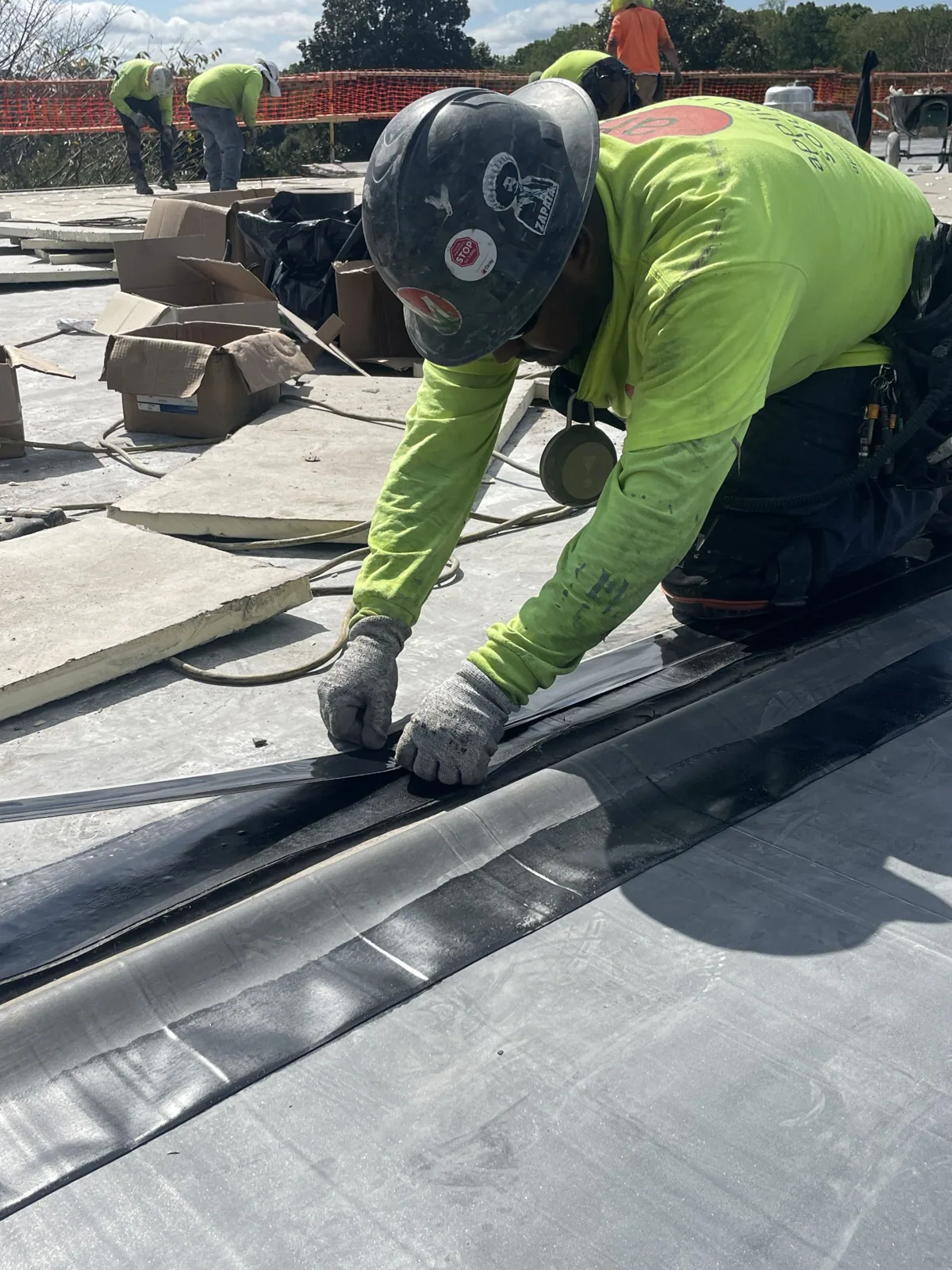
A roof survey for an acquisition or refinance should answer a defined set of questions within a clear access window. The buyer or lender needs to know which roof areas were reached, what visible conditions were documented, what records were reviewed, and which questions remain open. We begin by agreeing on the property list, available plans, prior repair history, occupancy constraints, and reporting date. For a North Las Vegas asset, a broad regional climate reference can inform safe scheduling, but the survey must describe the inspected property rather than infer its condition from the region. A focused field survey creates the field evidence for a readable diligence record.
Define the survey boundary before the walk
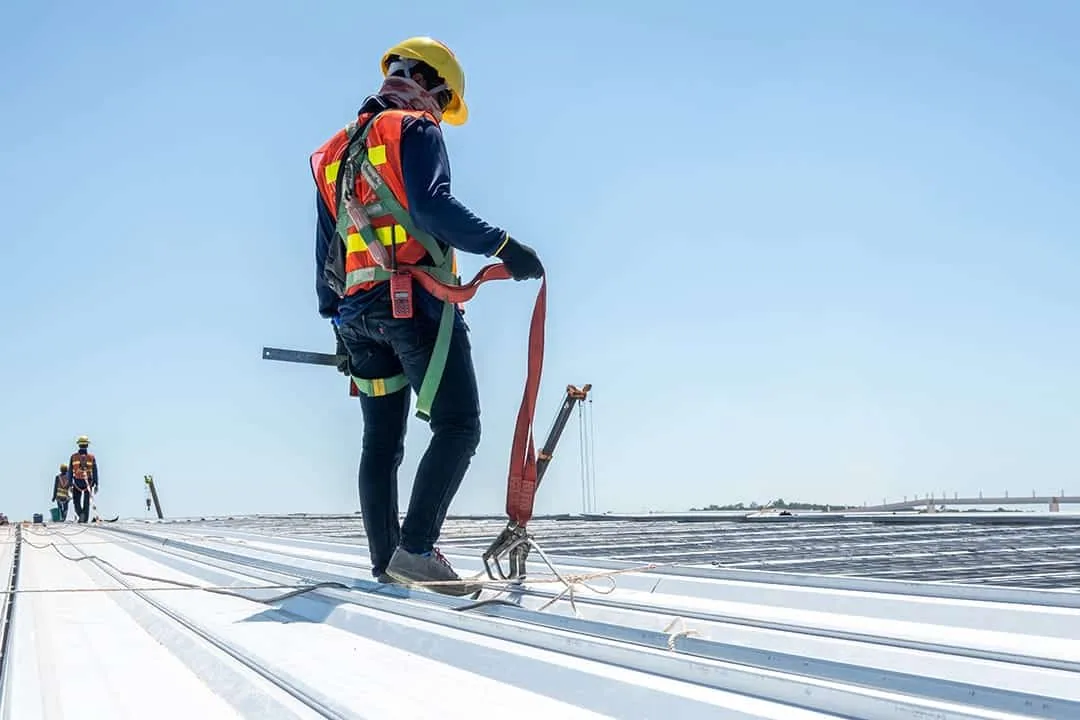
Confirm the buildings and roof areas included, expected access method, escort requirements, interior areas available for review, and the time allowed. List exclusions in the work plan, including inaccessible roofs, covered assemblies, areas under equipment, or documents not furnished. Check that the latest roof plan aligns with the property set and separate additions or different assemblies. A survey should not imply complete coverage when a portion could not be safely or practically examined.
Where an owner supplies prior reports, warranty records, leak logs, or repair invoices, record their dates and affected areas. Compare them with current field observations without assuming each record is complete. A prior roof condition report can inform the walk, but the current inspection date and limits still matter. Keep an issues list for contradictions, missing plans, and suspected changes since the last inspection. The diligence team can then assign a seller request, follow-up test, or post-closing verification rather than leaving an undocumented assumption in the summary.
When a seller or property manager provides a large document set, log the file name, issue date, property reference, and whether it appears final or draft. Ask who prepared it if the record is unclear. Keep a copy of the source with the survey notes, and flag when the plan, repair invoice, or warranty schedule points to a different roof area. The roof asset file can retain those distinctions for the facilities team after the transaction. This simple chain of reference helps a later reviewer trace a budget assumption back to the document and field observation that supported it.
Commercial Roofing Questions
What does a commercial roof diligence survey cover?
The agreed buildings and accessible roof areas, visible conditions, supplied records, inspection limits, and follow-up questions. Confirm the scope and exclusions before the walk so the report does not imply that inaccessible areas were inspected.
Can a roof survey certify remaining service life?
A field survey can describe current observations and identify factors for further evaluation. A precise life prediction requires evidence and assumptions beyond a visual walk, so the report should explain its limits and avoid presenting a date as certain.
Is a roof survey the same as a warranty review?
No. The survey can organize available warranty documents and field observations, but the agreement and its issuing party govern coverage. Transfer, compliance, and legal interpretations should be handled by the responsible parties.
What if roof plans are missing?
Record the missing documents and use stable field identifiers for accessible areas. State where dimensions or assembly details remain unverified and request the records or testing needed before firm quantities are used.
Can a survey include a repair budget?
It can include a planning range when requested, provided the report identifies measured quantities, assumptions, access, testing, and exclusions. A survey-stage range is not a contractor bid or final scope.
More Roofing Detail
COMMERCIAL ROOFING IN NORTH LAS VEGAS, NEVADA
Document visible condition and limits
Use repeatable roof-area identifiers for photographs and notes. Record visible membrane or surface condition, drainage, edges, penetrations, curbs, repairs, and any observed opening or displacement. Provide context images so another reviewer can locate the close-up. Note weather or access conditions only as observed, and distinguish a visible defect from a suspected water path. If a stain is reported indoors, identify whether the interior was inspected and what evidence was available. A weak or wet area may need approved testing before the survey can estimate extent or recommend a repair boundary.
Diagnostic work needs a defined purpose and limitation. For example, infrared testing may help identify areas for confirmation when conditions are suitable, but image patterns alone do not establish wet insulation or a source. Do not describe concealed attachment, deck capacity, or remaining service life as verified unless the scope and evidence support that conclusion. The survey report should list testing needed, who must authorize it, and how its result could affect the transaction review.
Separate observations from transaction implications
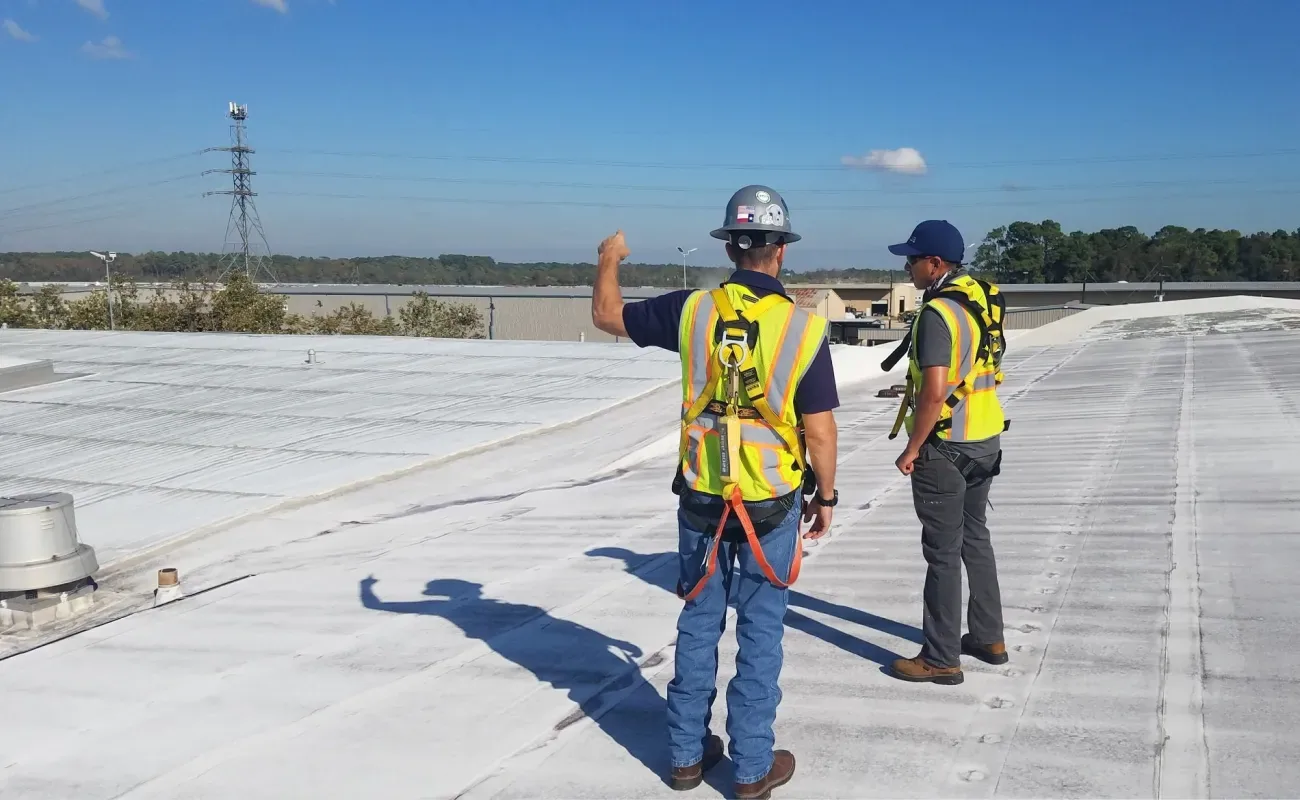
A roof survey can identify observed conditions, likely maintenance needs, and questions that may affect a capital discussion. It should distinguish these from legal, insurance, valuation, or warranty conclusions outside the field scope. For each material finding, state the roof area, evidence, potential operational consequence, recommended next step, and urgency basis. If a cost range is requested, state what quantities and assumptions it uses, and flag investigation or access costs that remain unknown. A capital-planning review can carry verified needs forward, but a survey-stage allowance is not a bid.
Keep repair, restoration, and replacement alternatives distinct when the evidence supports comparing them. Describe the prerequisites for each path: substrate review, moisture confirmation, drainage correction, compatibility, tie-in detail, or design. A known TPO systems category still needs confirmation against the installed assembly and proposed scope. Do not let a transaction deadline convert a preliminary observation into a firm construction quantity.
Keep place references at the right scale
Weather belongs in the background section of an acquisition review. The weather service’s Las Vegas Valley account includes summer monsoon conditions, gusts, and localized flood risk, but that regional description cannot establish what happened at the property. Record the event history supplied by the owner, inspect accessible roof and interior areas, and state what further confirmation is needed. A station elsewhere in the valley is not a substitute for roof-level evidence at the subject asset.
North Las Vegas’s comprehensive-plan map is dated 2006 and uses labels such as Apex Industrial Area and Cheyenne Technology Corridor. Treat those names as historical geographic context, not current zoning or parcel limits. For a property near either label, verify the address and obtain current access and roof records from the responsible party. The diligence conclusion should follow those documents and the field survey, not a broad planning designation.
A transaction file that references the Apex Industrial Area still needs an address-level match to the subject property.
Deliver a record the transaction team can use
Provide a dated summary, scope and exclusions, roof-area schedule, photographs, prioritized observations, record review, and unresolved questions. Identify who supplied each key document and note when its date or coverage is uncertain. If multiple properties are included, maintain a separate set of plans and findings for each while using common headings for comparison. A multi-site program can standardize status reporting without combining separate assemblies or treating one location’s defect as a portfolio-wide condition.
At closeout, list the actions that belong before closing and those that may be scheduled after access changes. Preserve the original survey and issue a clearly dated addendum if new evidence arrives. The asset record should retain the report, source documents, open tests, and the decision owner for each item. This makes the survey useful to facilities staff after the transaction while preserving its inspection limits and avoiding a broader warranty or engineering conclusion than the evidence supports.
Set the diligence questions before roof access
Share the property list, roof plans, prior reports, and transaction timing. We can define the accessible scope, document visible conditions, and identify open questions.