
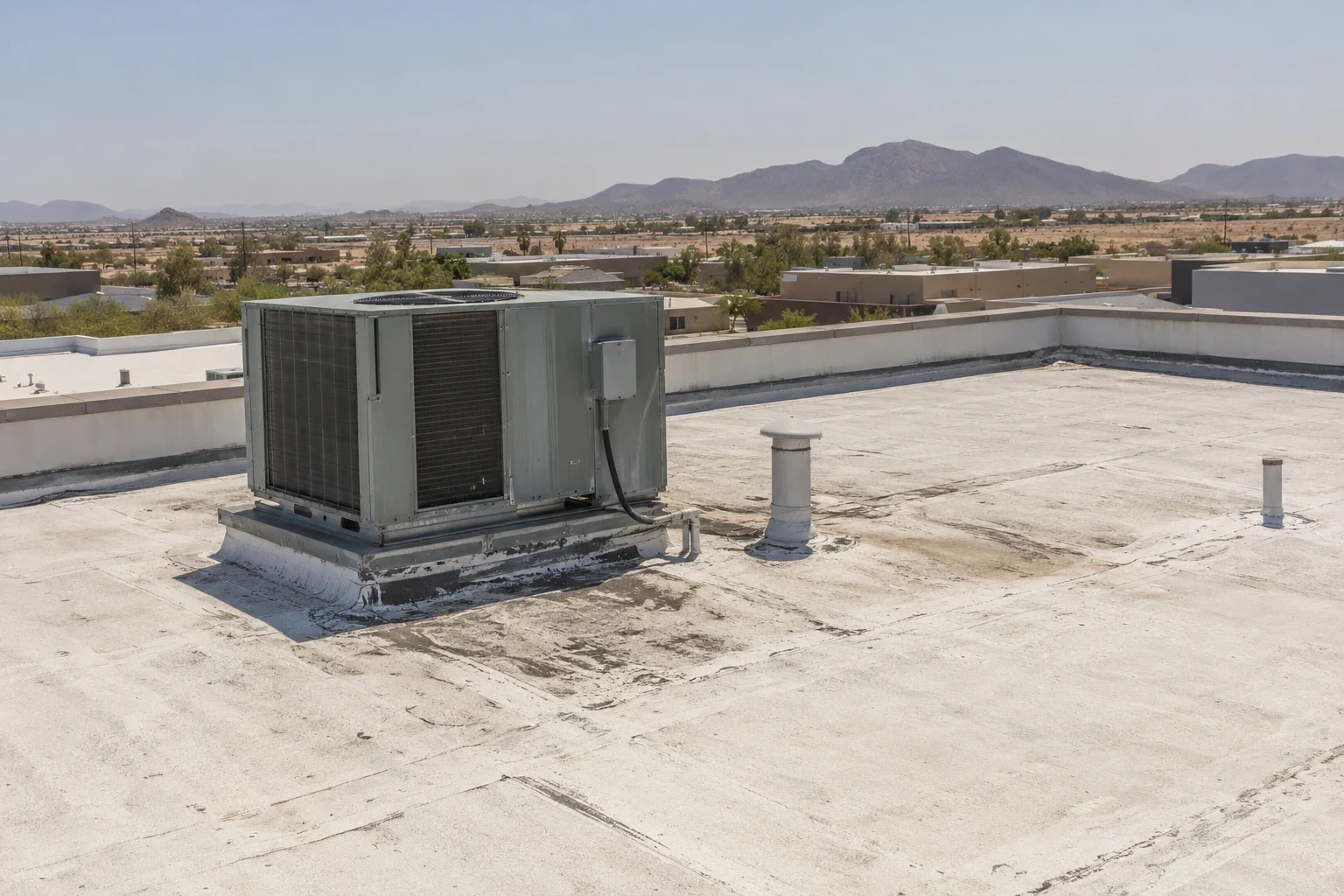
Coordinate North Las Vegas commercial roof inspections, maintenance, repairs, and capital priorities with shared reporting and property-specific records.
A multi-site roof program should make portfolio decisions easier while preserving the differences between buildings. One property may need a prompt leak investigation; another may be waiting on records; a third may be ready for a planned scope. We create a shared reporting structure for status, evidence quality, next action, and decision date, then keep each roof plan, assembly, repair history, and access requirement attached to its own property. For a North Las Vegas portfolio, regional weather context can guide scheduling, but it does not replace site inspection or prove a condition at any address. A consistent roof asset register gives the team a common reference without flattening those distinctions.
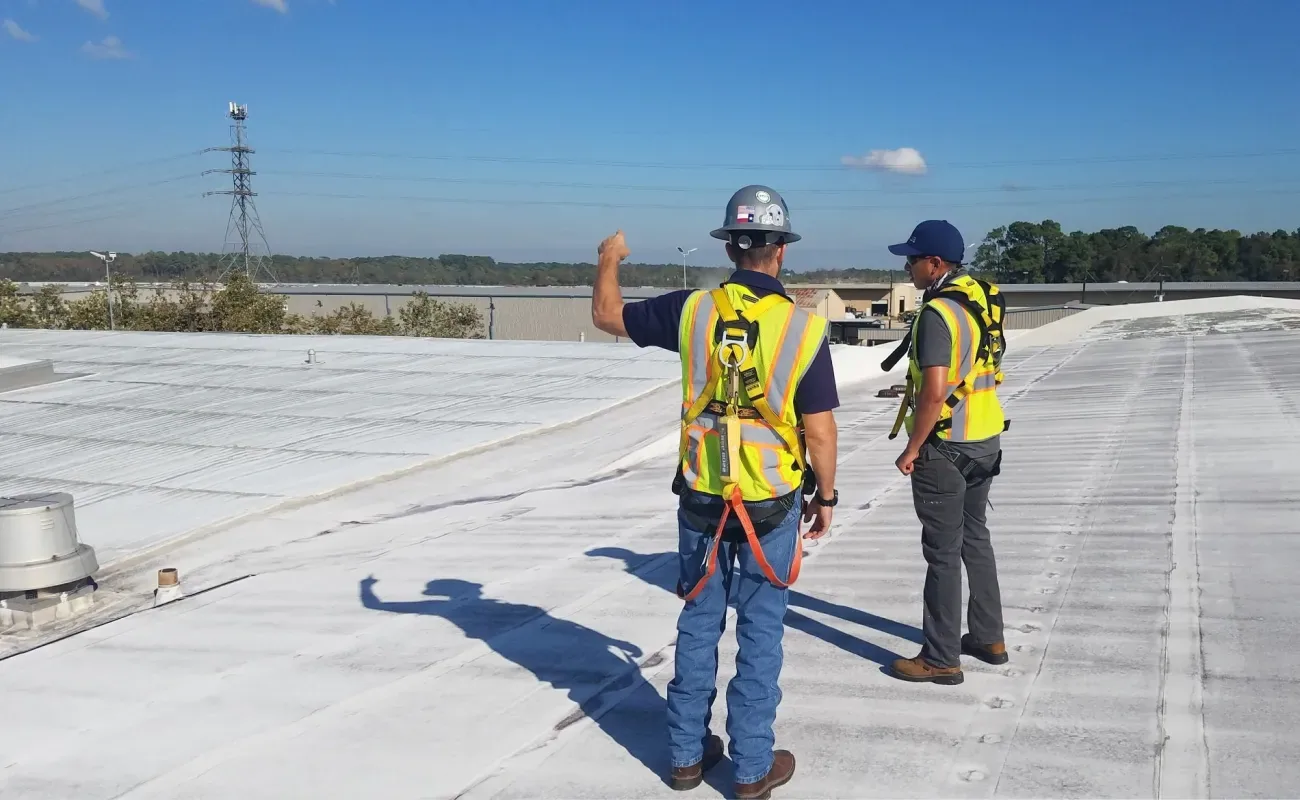
Set shared fields and local ownership
Agree on the minimum record before comparing properties: verified address and building identifier, roof-area plan, apparent assembly, inspection date, access status, open findings, approved repair work, and person responsible for the next action. Define status terms so “needs testing” does not get reported as “repair approved.” Every item should retain its source, date, and confidence. A portfolio view can roll up overdue inspections or unresolved questions, while the detailed condition reporting remains tied to the observations and photographs at that property.
Assign a facilities contact for access, interior coordination, and approval routing at each location. Record site operating hours, keys or escorts, roof restrictions, active equipment projects, and emergency contacts separately. A shared procedure can make scheduling more predictable, but it cannot assume that one building permits the same access or work window as another. Keep the escalation path clear when a roof opening, active leak, or safety condition changes the planned sequence.
Commercial Roofing Questions
What makes a roof program multi-site?
It uses shared processes and reporting across multiple properties while keeping each roof plan, assembly, history, access rule, and scope separate. Portfolio comparisons should not imply that a condition at one address exists at another.
How should sites be prioritized?
Use documented consequence, evidence quality, urgency, and readiness for each site. Keep the reason visible beside any score and identify who owns the next action or test.
Can one maintenance schedule fit every property?
A common calendar can support coordination, but inspection timing and access should reflect each roof’s condition, records, operating needs, and recent work. Record exceptions by property.
How do you standardize reports without losing detail?
Use common fields and status definitions, then attach property-specific photographs, plans, findings, warranty documents, and work boundaries. This supports comparison without combining distinct assemblies.
What should a portfolio review produce?
A current list of decisions, dependencies, owners, and due dates, linked to the evidence behind each item. Record changes and preserve prior assumptions with their dates and sources.
More Roofing Detail
COMMERCIAL ROOFING IN NORTH LAS VEGAS, NEVADA
Prioritize without letting the score hide the reason
Use a transparent triage approach that combines consequence, evidence, and readiness. Active water entry may call for immediate protection and a targeted inspection. A routine drain or edge item may be planned maintenance. An assembly with incomplete records may need a survey before its budget can be compared. A common score can help sort the work list, but pair it with the observation and owner action that produced it. The capital plan should show which assumptions are confirmed and which remain allowances.
Separate urgent controls from capital projects and from monitoring. For each project, record the roof area, scope boundary, access constraints, procurement status, and dependency such as testing or design. Do not copy one site’s quantity, condition, warranty, or expected schedule to another property. A repair closed at one address is not proof that a similar roof at another has the same issue or remedy. This preserves useful common reporting while leaving technical decisions grounded in each building’s record.
Coordinate inspections and service cycles
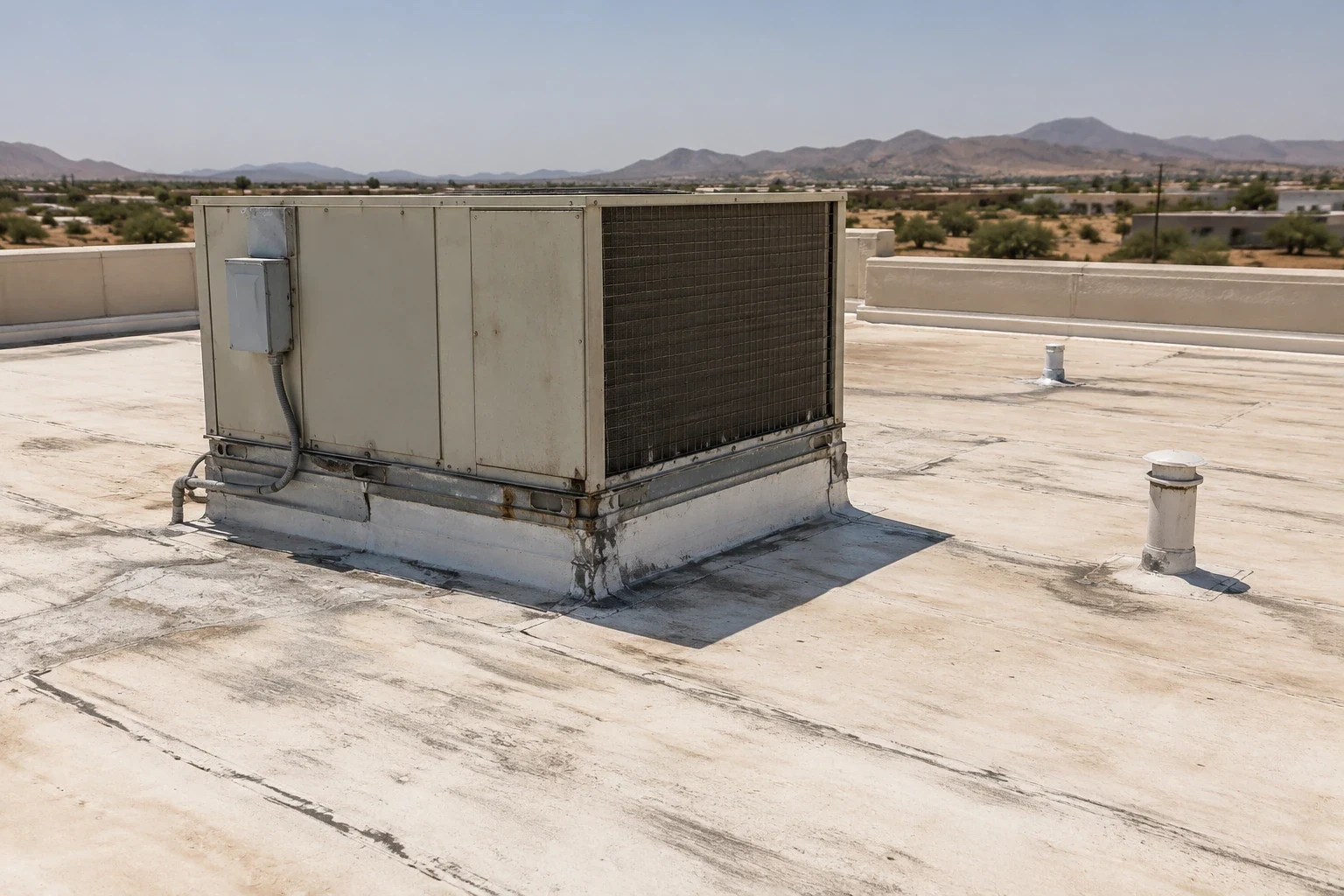
Plan inspection cycles around condition, recent work, accessibility, and the value of current information. A new acquisition, repeated leak, material roof alteration, or unresolved warranty question can change a site’s priority. The inspection visit should update the same roof-area identifiers used in earlier records, note areas not reached, and return photographs that can be found again. For recurring work, a preventive maintenance can create a consistent service record while listing site-specific deficiencies and follow-up dates.
Use the same work-order fields across the portfolio: location, observed condition, approved boundary, temporary protection, permanent repair detail, and closeout evidence. Confirm who authorizes scope changes and who receives the marked-up plan, photographs, and relevant product documents. Maintain separate warranty records and requirements for each property. A warranty file can make document gaps visible, but does not determine coverage. The program tracks the request and response while the issuing party applies the governing terms.
Keep North Las Vegas references precise
Summer access planning should account for regional storms and gusts, and the weather service notes flash-flood potential in localized areas of the valley. Use this only as a scheduling consideration. A report of weather at one facility does not establish impact across other portfolio addresses. Keep event notices, inspection results, and follow-up tests in the record for the affected site, with a clear date and roof-area reference.
North Las Vegas’s 2006 comprehensive-plan framework contains broad employment-area labels, including Apex Industrial Area and Cheyenne Technology Corridor. They are not parcel boundaries or current zoning determinations. Use a place label only to orient a regional review; verify each property with current address-level records and its site contact. Each building keeps a separate access plan, assembly history, and findings even when the portfolio uses common reporting fields.
For a facility discussed under the Apex Industrial Area label, retain the verified property record in its own site folder.
Run a portfolio review that leads to action
At a regular review, group items by next decision rather than presenting a long undifferentiated defect list. Show which roofs need field confirmation, which have approved repairs awaiting closeout, and which are ready for budget or procurement. Include the date of the latest supporting evidence and a named owner for every open action. For financing or ownership changes, a diligence survey can assemble current records and inspection limits without merging one property’s findings into another’s.
Close the meeting by recording decisions, dependencies, and dates. If an assumption changes, update the site record and retain the prior value with its source rather than silently overwriting it. The portfolio dashboard should link back to the underlying report and plan so field staff can verify a summary before mobilizing. This keeps executives informed while leaving crews with the property-level detail required to perform the approved work.
Use the review to test the quality of the underlying record, not only the count of open items. Check whether each high-priority finding has a current photograph, a known roof-area reference, and a specific next step. An old observation without follow-up should remain visible as stale evidence, not appear current because it still sits in the dashboard. When a contractor closes work, compare the approved boundary with the closeout photographs and note any portion that was deferred. If the evidence is incomplete, keep the item open for documentation rather than marking the whole roof complete.
Portfolio reporting can also track recurring access or procurement constraints so the owner can plan mobilization more efficiently. Keep those constraints separate from condition ratings: a delayed escort or material lead time changes readiness, not the observed roof condition. Record who can release access, whether interior coordination is needed, and which records must arrive before a scope is priced. This helps the next review distinguish a technical priority from a scheduling dependency.
Bring the portfolio work into one review
Share your property list, current roof records, access requirements, and open decisions. We can establish a consistent reporting structure and identify the next site-level actions.