Commercial roof inspection, repair and replacement planning for properties in Ranch Estates, North Las Vegas, NV, with heat, wind and monsoon exposure in mind.
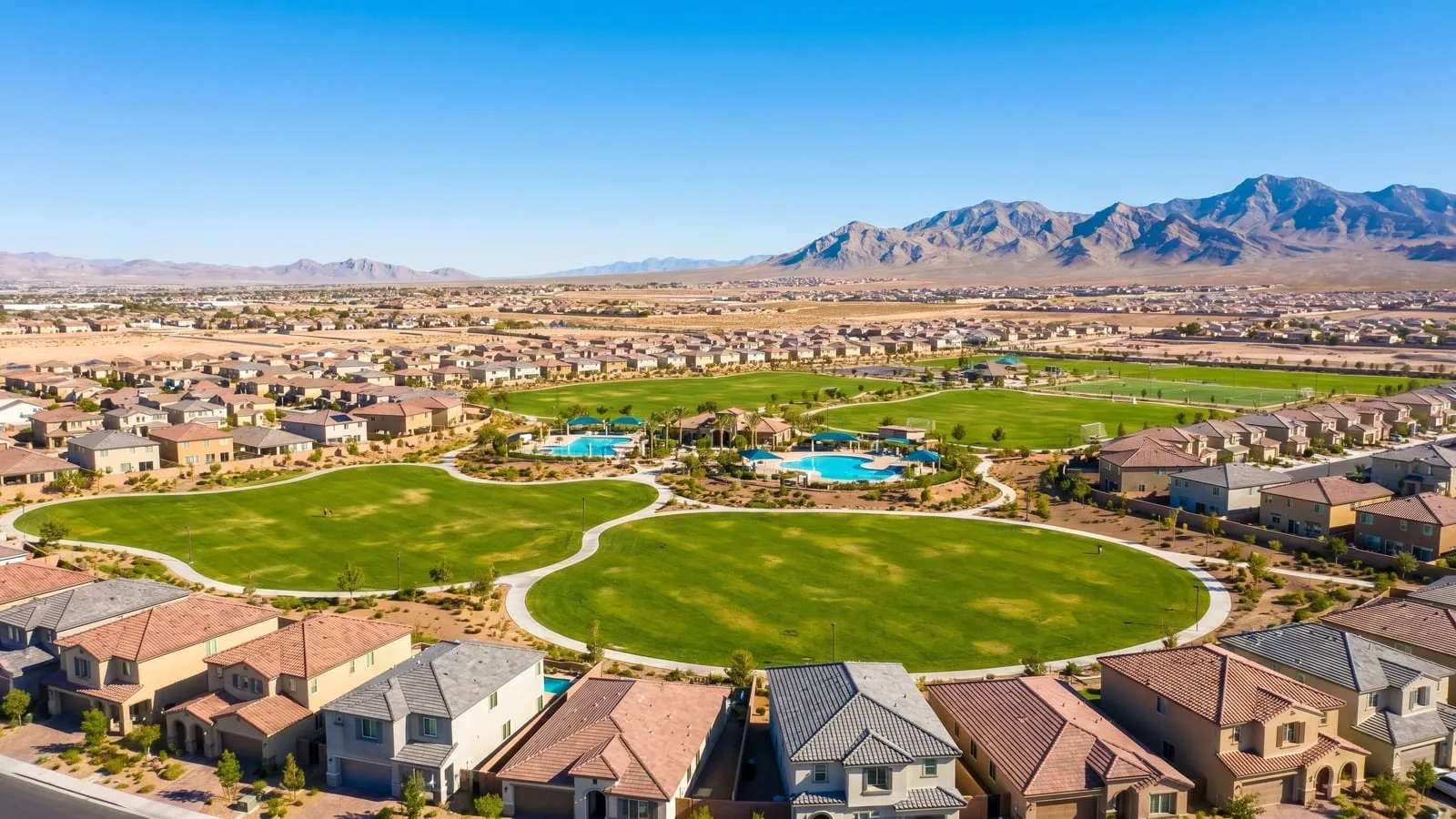
A commercial roof near a master-planned community is usually asked to do more than one job: shed a sudden summer downpour, take months of direct sun, and stay quiet over tenants who open at the same hour every day. Ranch Estates is marked on the city's historical planning map as an existing master-planned community, and that label is where our reading of the area stops. It tells us nothing about any one building, so the first task on a Ranch Estates roof is to establish the facts the label does not supply: what the assembly is, where water goes, and what condition each roof zone is.
We inspect, repair, recover and replace low-slope and metal roofs for facility leads and general contractors in North Las Vegas, NV. Send the roof plan, access rules, leak dates and repair history, and the inspection will answer a defined question instead of surveying everything.
Area label: what it supports and what it does not
The city's planning map sorts its labels into several kinds of place, from employment districts and activity centers to residential neighborhoods and gateways, and it calls the result area-level context and not a parcel-level zoning ruling. For roof work that distinction is practical. A property manager looking at a Ranch Estates address should not assume a roof type, an age or a use from the district name, and neither should we. We ask for the roof plan, the last repair record and any equipment changes, then confirm the rest by walking the roof.
If a building has several roof levels, we treat each one as its own roof zone with its own notes. A parapet that rises above a lower roof, a canopy over an entrance and a main field with rooftop units each behave differently under sun and rain, and a single note on the whole building would hide those differences. The zone map becomes the reference for every later conversation about price, access and sequence.
Commercial Roofing Questions
Does the Ranch Estates label tell you what roof a building has?
No. The label places the area on a planning map and nothing more. The roof type, age and condition come from the roof plan, the repair record and a walk across each roof zone.
What decides whether the work can wait for cooler months?
Whether water is entering. An active leak or wet insulation moves the schedule up, while a worn but dry surface can wait for a cooler window when adhesives and coatings cure under better conditions.
How is a monsoon leak traced?
We start at the interior mark, identify the roof zone above it and follow the likely path to a drain, seam, curb or edge. Moisture testing then confirms whether the insulation took on water.
When does a roof recover make sense?
When the substrate tests dry and sound and the surface is the only part that has aged. Wet insulation or a damaged deck removes that option and points toward replacement of the affected area.
What should the facility lead send before the inspection?
The roof plan, access rules, leak dates, repair history, recent equipment changes and operating hours. With those items the inspection can answer a specific question and not survey the whole building.
More Roofing Detail
COMMERCIAL ROOFING IN NORTH LAS VEGAS, NEVADA
Heat exposure: what sun does to the surface
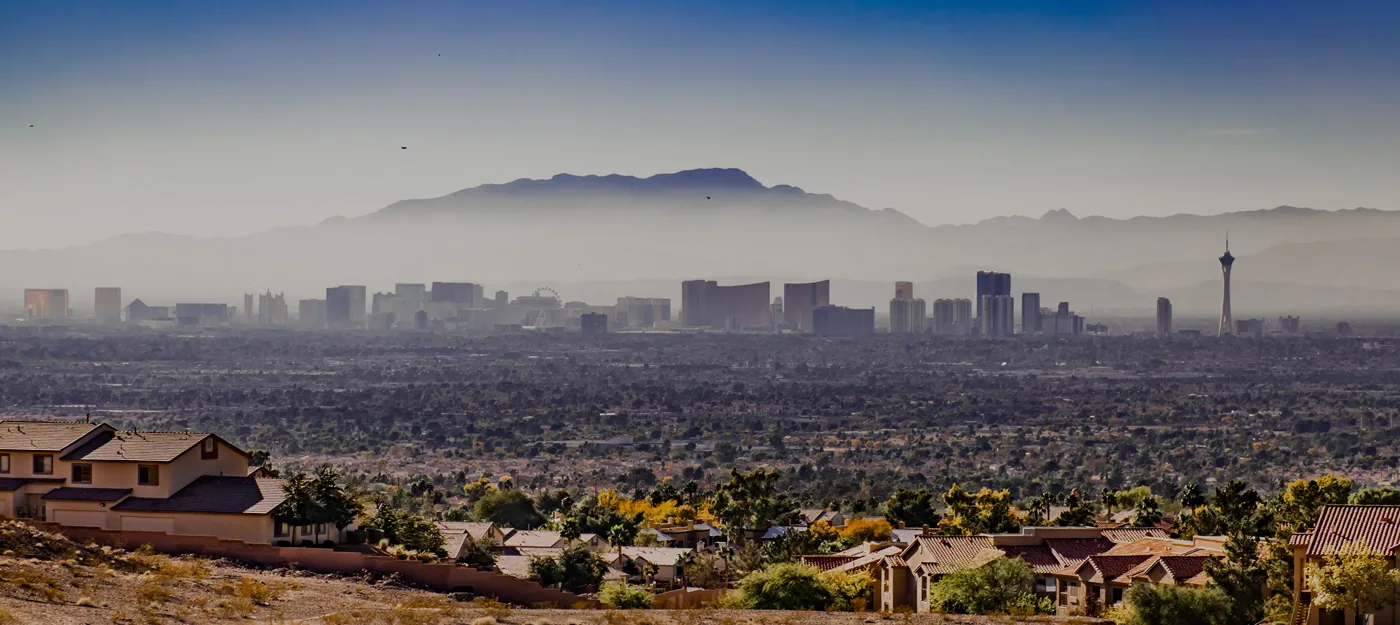
Forecasters call the valley a hot, sunny desert, and the Las Vegas station at Harry Reid International Airport, in the south valley, lists an annual mean temperature of 70.1°F in the 1991 to 2020 normals. That is a regional station reading and not a Ranch Estates measurement, but it frames the exposure. Sustained sun hardens sealants, chalks coatings, dries out membrane surfaces and drives the daily expansion and contraction that tests seams and flashings.
On a first walk we look for surface chalking, crazing, shrinkage at wall bases, hardened sealant at penetrations and fasteners that have backed out of metal panels. Each is a heat symptom with its own next step. Chalking alone may be a recoating question. Shrinkage that pulls a membrane off a wall base is a flashing repair. Backed-out fasteners on a metal roof are a re-fastening and sealing job. We record which symptom sits where, so heat exposure becomes a list of items with locations rather than a general worry.
Monsoon and wind: tracing the water entry path
July and August are when monsoon moisture usually arrives in the Mojave Desert, per the Weather Service, and the thunderstorms that come with it can mix gusts with downpours heavy enough to flood dry washes and low ground. Windier spells cluster in spring and fall in the valley, while gusts above 50 mph are rare. Those conditions are regional context for Ranch Estates, and they tell us what a roof should be ready for: a short, intense rain with little warning, and wind that tests edges more often than it tests the field.
After a storm, the inspection follows the water. We locate the interior mark, identify the roof zone above it, and trace the likely path toward the nearest drain, scupper or edge. We check membrane seams, curb transitions, penetrations and the drain bowl itself. A pond that remains after the sky clears points to a drainage path problem. A seam that has lifted points to uplift or movement. A dry surface the day after does not prove the insulation below is dry, which is why moisture testing is a separate step.
Access window: planning around the tenants
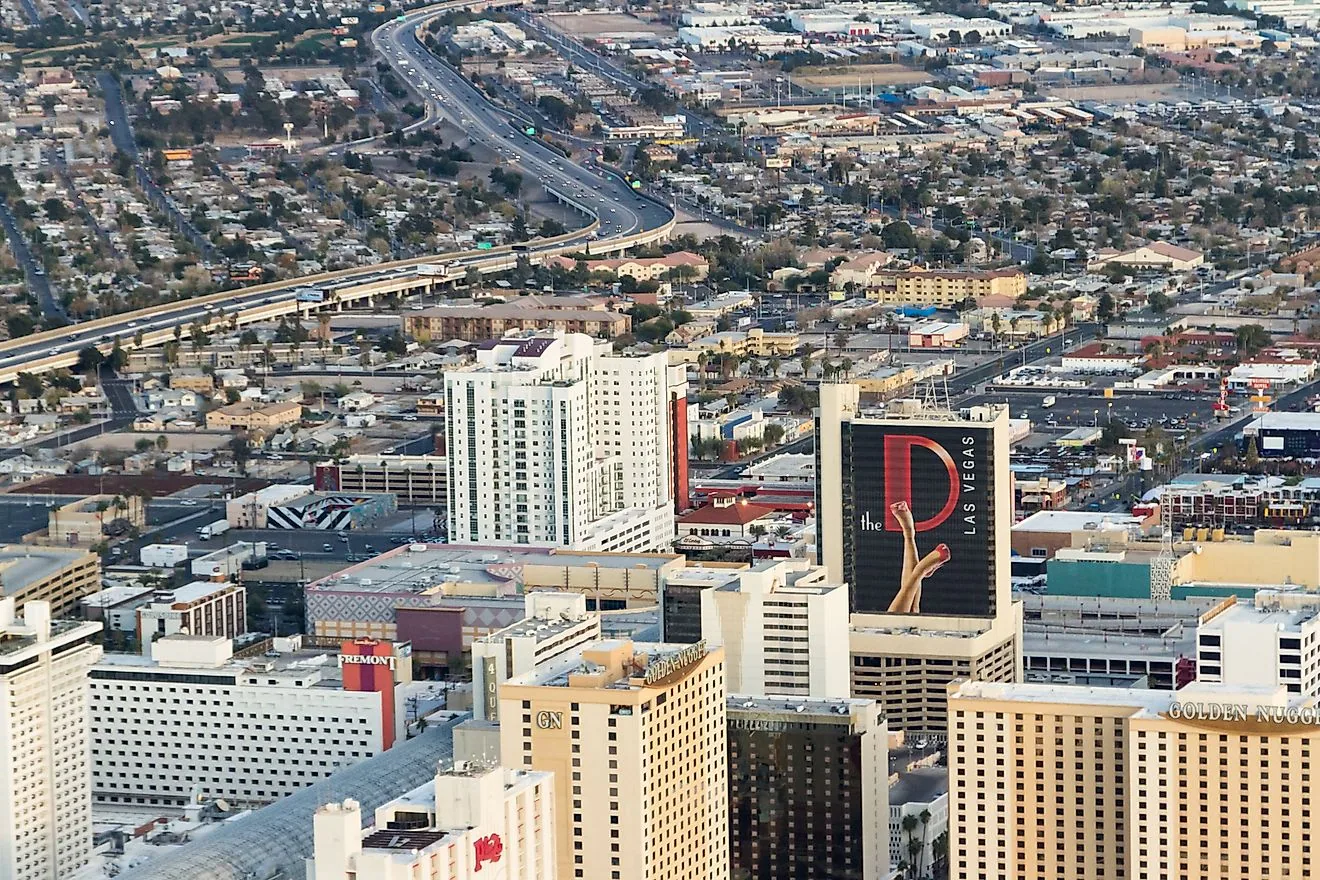
The roof is only one constraint on a schedule. Retail sales in North Las Vegas reached $3.796 billion in 2022 according to Census QuickFacts, with another $794.934 million in accommodation and food services, and those citywide totals point to varied commercial use. For a roofing crew the lesson is practical: tenants in retail, food service and similar occupancies keep fixed hours, and noise, dust and loading access all have to fit around them.
Before mobilizing we agree on an access window with the property manager. That includes where a lift or crane stands, how material reaches the roof, which entrances stay open, what hours loud work is allowed and who gets the call if water appears inside. In hot months we plan the heaviest roof work for early hours, when surfaces are cooler and adhesives and welds behave better. Work near the North 5th Transit Corridor or the Cheyenne Technology Corridor is scoped the same way: confirm the real conditions at the property, then write the sequence.

Repair boundary: patch, recover or replace
Once the inspection record is complete, the decision falls into three groups. A focused commercial roof repair suits a roof with isolated seam, flashing or puncture defects and dry insulation. A roof recover suits a sound, dry substrate whose surface has aged. A commercial roof replacement is the answer where moisture testing shows wet insulation across large areas, or where the assembly has reached the end of its service life.
The boundary is drawn on substrate evidence. We probe soft areas, take cores where the scan suggests moisture, and mark the wet limit on the roof. An infrared moisture survey narrows where to cut. If testing shows moisture limited to one zone, the repair can be limited to that zone. If it shows moisture spread across the field, a larger evaluation is the next step, and we say so before pricing. A coating over trapped water blisters, so coatings are considered only after the substrate has tested dry.
Code questions travel with the scope. Nevada adopted the 2024 International Energy Conservation Code, and owners should confirm the applicable local building and energy requirements before design or permit, so we flag any insulation or reflectance item early.
Maintenance and next steps: keeping the record usable
A roof file is useful when it can be compared from one visit to the next. After the work, we hand over photographs by roof zone, the final scope with any change noted, drain verification and the product data for what was installed. A preventive roof maintenance visit before monsoon season and another after it keeps the drains clear and the seams checked, and a note on each visit lets the facility lead see a trend before it becomes a leak. A multi-building owner can line the files up in a roof asset management record.
Set a Ranch Estates roof inspection window
Share the roof plan, access rules, leak dates, repair history, equipment changes and operating hours. We will map the roof zones and return a written repair or testing sequence.