
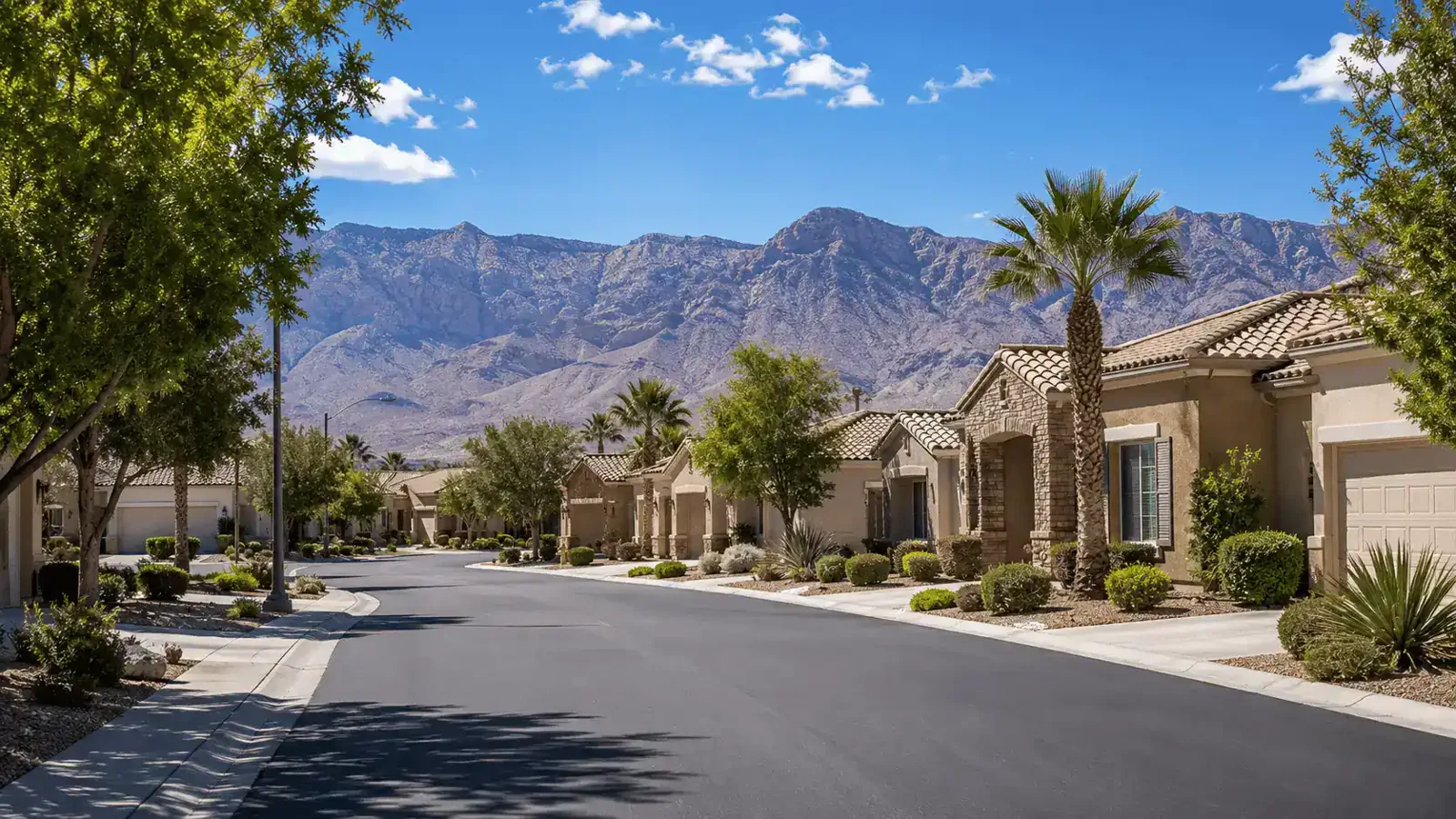
Commercial roof repair, flashing and replacement in Spring Valley, NV, with attention to rooftop equipment, curbs, penetrations and trade coordination.
Rooftop equipment is where most commercial roof leaks begin, because every unit, curb, line set and conduit run is a place the membrane has been cut and rebuilt. Spring Valley is an unincorporated town that Clark County administers in the western Las Vegas Valley, with a planning area near 36 square miles. We do not assume a roof type from the address. We walk the roof, count every opening on it and judge each by its condition. For a commercial building in Spring Valley, NV, that count shapes the repair, because a roof with a dozen penetrations is a different job from a clear field with a few drains. A rooftop equipment curb and support review is often the right first step.
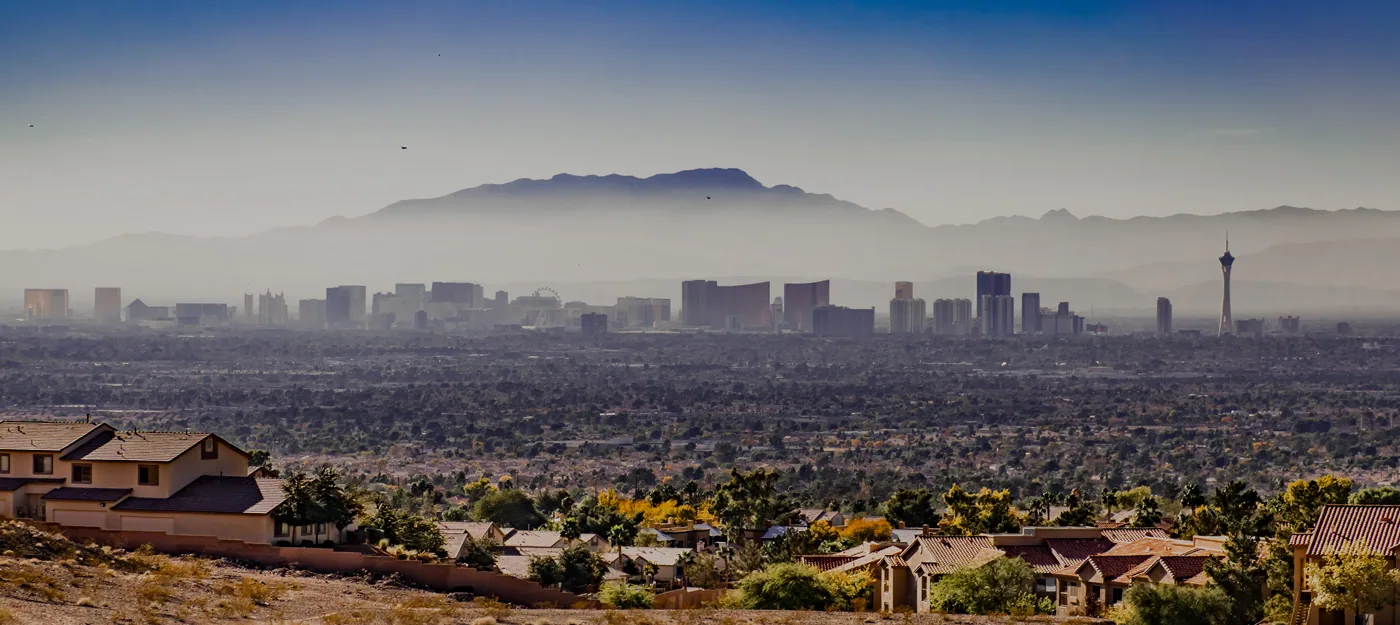
Equipment: curbs, pads, stands and line sets
Equipment sits on a roof in several ways. A curb is a raised frame flashed into the membrane. A pad or sleeper rests on the surface. A stand lifts a unit above the roof on legs. Each has its own failure mode. Curb flashing opens at corners. Pads crush insulation and chafe the membrane. Stands punch through the surface with small footings that need their own flashing. Refrigerant and gas lines enter through boots that dry out in the sun.
We check each support for movement, rust and fastener condition, and each flashing for cracks, gaps and lifted edges. We look beneath equipment for ponding, because a unit parked across a flow line acts as a dam. Where a unit has been replaced, we confirm the curb height and flashing still suit the new frame.
Walking paths matter too. Technicians who service equipment cross the roof several times a year, and repeated foot traffic wears the membrane. Walk pads along those routes cost little and save a lot of patching.
Commercial Roofing Questions
How many penetrations are too many on one roof?
There is no fixed count. The question is whether each opening is flashed correctly, accessible for maintenance and placed clear of drainage. A roof with many sound details can outlast one with few poor ones.
Why do leaks return at the same curb after a patch?
The patch usually covers failed material instead of replacing it, or it uses a product that does not bond to the old flashing. We remove the loose layer, clean the base, rebuild with compatible parts and record the detail.
Should the roof be checked when a rooftop unit is replaced?
Check it at the same time. A new unit may sit on a different footprint, and the curb height and flashing have to match. We coordinate with the mechanical contractor so that check happens before the crane leaves.
Can condensate cause roof leaks?
Yes. A clogged condensate line or overflow tray can wet the roof near a unit and look like a flashing leak. We check those sources before cutting into the membrane.
Do walk pads really make a difference?
They do on routes that technicians use often. The pads spread the load and shield the membrane from scuffing and punctures, which keeps patching down.
More Roofing Detail
COMMERCIAL ROOFING IN NORTH LAS VEGAS, NEVADA
Trades: coordinating with mechanical and electrical crews
Roof work near equipment touches other trades. The mechanical contractor may need to shut down, lift or disconnect a unit. An electrician may need to move a whip or a disconnect. A controls vendor may need access to a sensor. We agree on the order of work before the roof opens, so no trade waits on another and no flashing is finished against equipment that is about to move.
The handoff records who did what. When we flash a curb, the record states the curb height, the flashing method and the date. When the mechanical contractor sets a unit, the record states the clearances. A later leak call can then be traced to the right detail without finger-pointing.
For roofs with solar arrays, antennas or signage supports, the same coordination applies. Any new attachment is a new opening, and each one gets its own flashing and a place in the roof plan.
Water entry: following the path from unit to ceiling
Summer monsoon storms in this hot desert valley bring gusts and brief heavy rain. Those are regional conditions around Spring Valley, not a finding about any roof. At an equipment curb, they mean wind-driven rain can reach the vertical face of the flashing, and a short burst can push water through any opening in the seal.
We trace leaks from the interior mark back along the likely path: across the insulation, along the deck and to the nearest curb, penetration or drain. A stain below a unit does not always mean the unit is leaking; condensate lines, overflow trays and clogged drains near the equipment can wet the area too. We check those items before cutting into the roof.
If the source is a failed flashing, a flashing failure repair removes loose material, cleans the substrate and rebuilds the detail with compatible components. A smear of sealant over the old material is not a repair.
Heat: what summer does to flashings and seals
Flashing material takes the hardest sun on a roof because it faces upward and outward. Rubber boots crack. Mastics shrink and pull away. Single-ply flashing can lose pliability. Metal flashings expand and contract, working on fasteners and sealant at every joint.
We probe these materials by hand and look for the early signs: hairline cracks, gaps at the top edge of a counterflashing, sealant that no longer bonds and fasteners backing out. Catching them early means a small repair. Waiting until water enters means wet insulation, interior damage and a larger scope.
Compatibility is key when the repair is made. A TPO roof takes heat-welded flashing when the membrane is clean and sound, while other systems need different details. Using the wrong sealant on a given membrane can damage it, so we match materials to the roof or test a small area when the surface is unknown.
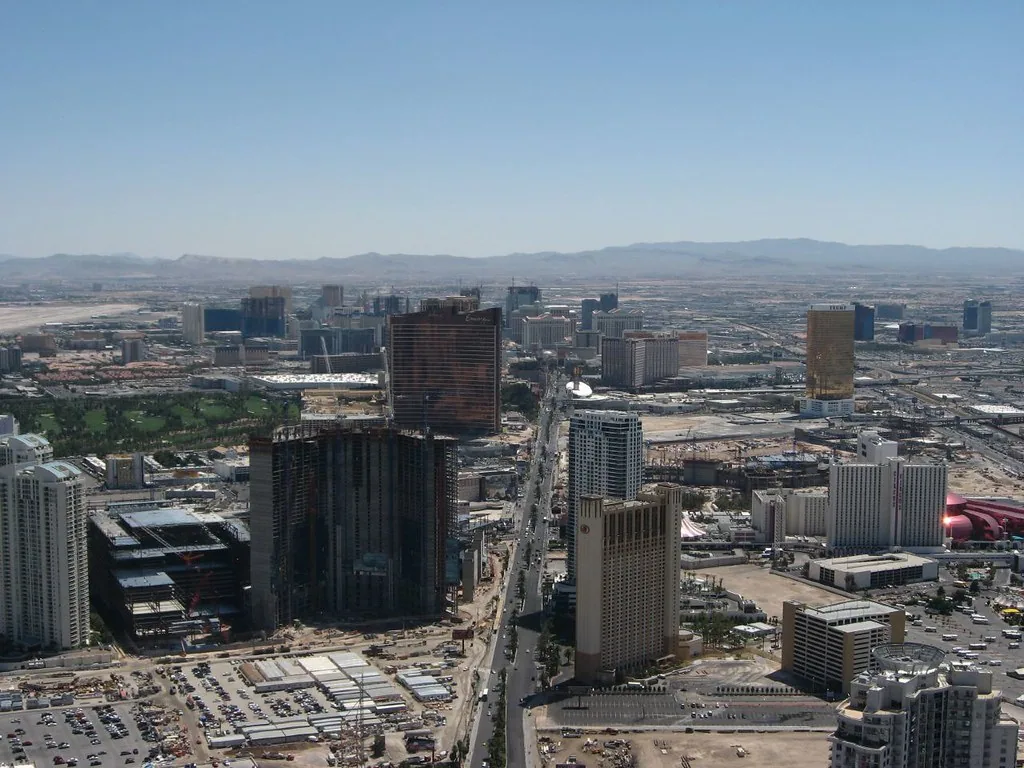
Access: working around operating equipment
Equipment that serves tenants cannot always stop. We ask which units must stay running, which can be shut down briefly and which hours are off limits. Then we sequence the roof work around those answers, opening the zone away from critical units first when possible.
Roof access itself needs planning: hatch or ladder rules, fall protection, escort needs and the staging area for tools and materials. Where a crane or hoist is needed, the owner confirms clearances and permits before mobilization. Each day ends with the open zone sealed and photographed.
County rules may apply to larger scopes. For a replacement, the owner should check the county's current land-use map for the project address and confirm who has jurisdiction before the design is drawn.
Decision: repair, rebuild the details or replace the roof
When a roof has many penetrations, the options split three ways. Repair the failing details only. Rebuild all the details in a planned program. Or replace the roof and rebuild every detail as part of the new system. Cost and risk differ for each.
Repair is the lowest first cost and fits a sound field with a few failing details. A detail rebuild fits a roof where the field is dry but the flashing is aging across the board. Replacement fits a roof where moisture or membrane failure runs beyond the details. A commercial roof replacement also lets the owner reduce openings by grouping supports and relocating lines.
Owners who hold more than one property can compare buildings through the same report format. Those with roofs in Lone Mountain or Winchester and Paradise receive the same ranking, so spending follows condition.
Book a Spring Valley Roof Walk
Send the roof plan if you have one, a list of rooftop equipment and any leak dates. We will count the openings, rate each detail and give your team a sequence for repair.