Commercial roof inspection, repair, recover and replacement in the Civic and Business District of Las Vegas, NV, planned around occupied buildings.
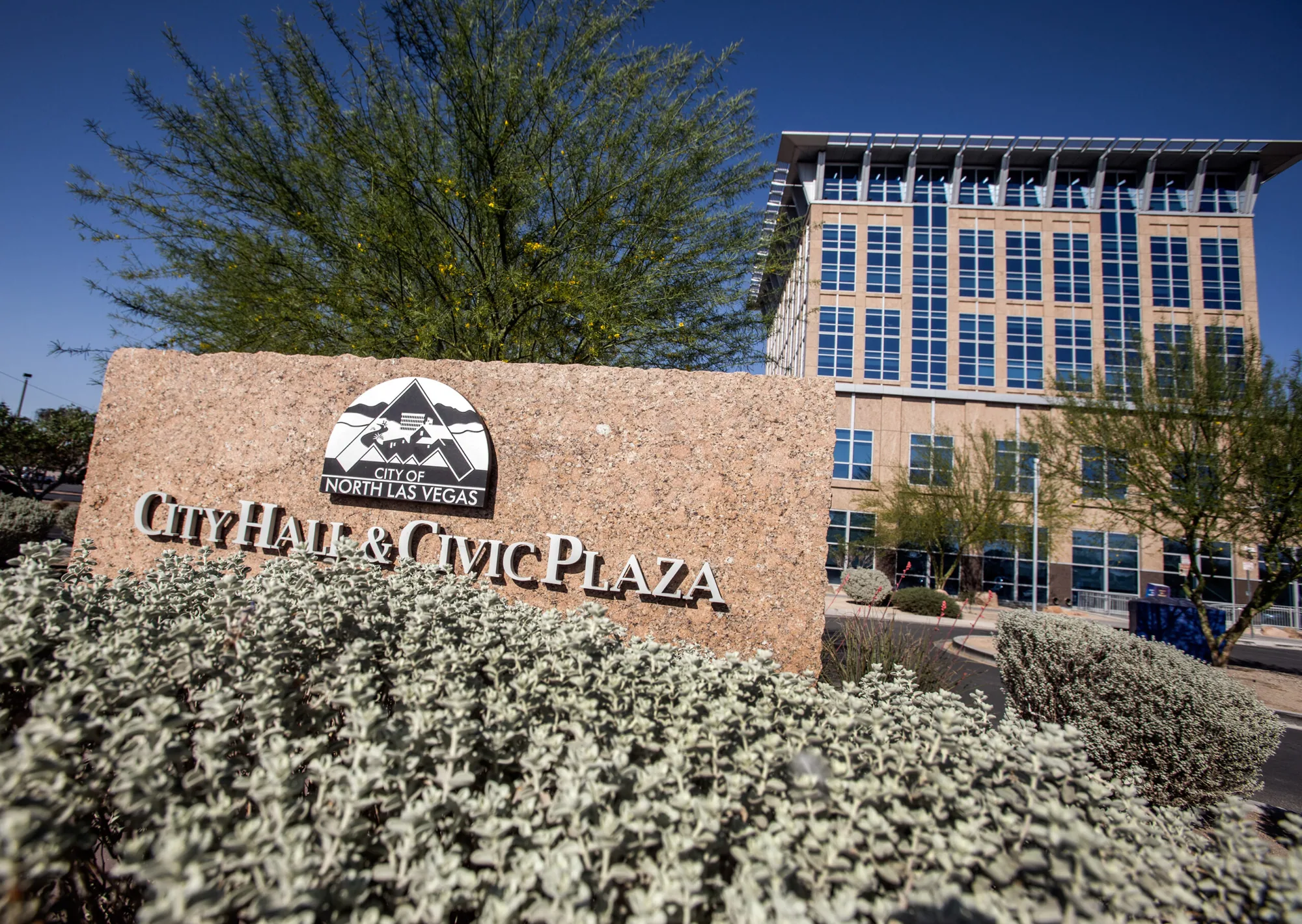
The first thing to settle on a roof in the Civic and Business District is which city's permit desk will review the work, because the answer changes the drawings, the lead time and the inspection steps. Las Vegas lists Civic and Business among the twelve districts of its downtown master plan, and North Las Vegas, the market we work out of, borders that city. For a manager with an office building roof, a bank branch or a mixed-use building under a low-slope membrane, the job begins with the address, the roof plan and the leak history. We walk the roof, mark each zone, record the seams, drains and curbs, and then say whether the building needs a focused repair, a recover over sound insulation or a full replacement.
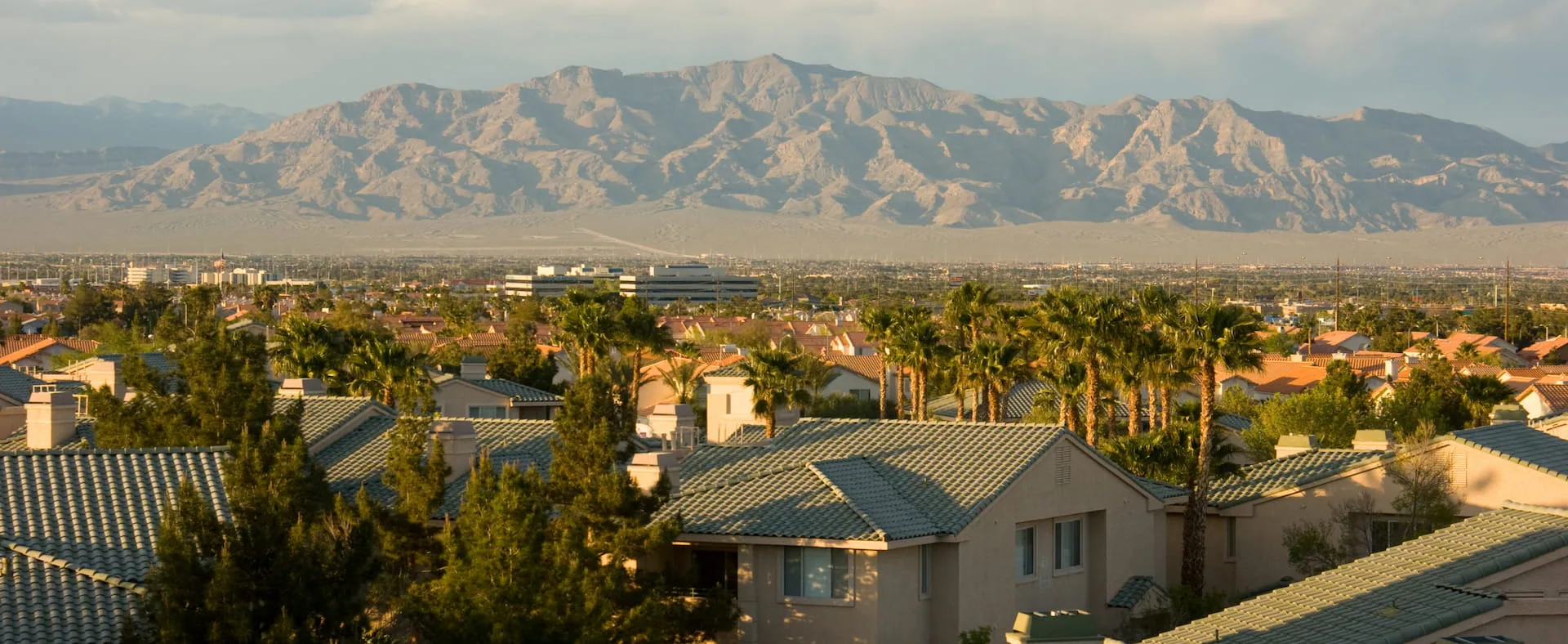
Jurisdiction: confirm the permit desk before the design
A planning label is area-level. It tells a reader where a district sits in a city's plan and it does not decide the permit path for one parcel. The district name belongs to the City of Las Vegas downtown plan, so the project address is checked with that city before the scope is priced, the same way we check a parcel in downtown North Las Vegas with its own city. On a replacement, insulation values and assembly requirements come from the energy code, which the state of Nevada adopted in its 2024 edition, and the city's building department tells us how it applies at the address.
That check matters most when the work is more than a repair. A replacement or a recover can pull in energy-code insulation, edge-metal requirements and drainage questions, and each item changes the material list. We put those assumptions on the proposal as separate lines, so a reviewer, a lender or a landlord can read what is included.
A repair to a small area usually carries a lighter record, but the same photographs and notes apply. The file stays with the building when management changes.
Commercial Roofing Questions
Which city reviews a roof permit in the Civic and Business District?
The district is named in the Las Vegas downtown plan, so the address is confirmed with the City of Las Vegas building department before the design is final. North Las Vegas sits next door, which is why we verify the parcel and do not rely on the district name. Once the jurisdiction is known, we list insulation, edge metal and drainage assumptions on the proposal so the reviewer can compare them with local requirements.
Can a leak in an office ceiling come from a roof zone far from the stain?
Yes. Water follows deck flutes, ducts and conduit, so the opening in the membrane may lie far from the ceiling stain. We trace the path from the interior up to the roof level, then inspect the seams, curbs and drains along the route. Where a surface looks intact, an infrared survey shows wet insulation that the naked eye misses. The repair goes where the water enters, not where it drops.
How do you keep tenants working during a reroof?
We divide the roof into sections that can be opened and dried in within one shift, and the loud steps go into hours that management approves. Ceiling covers and equipment shields go in before tear-off where the space below needs them. Staging space, lift use and parking are settled in writing first, so the crew's presence on the property is predictable for everyone in the building.
Is coating a better choice than replacement for an aging office roof?
A coating suits a roof whose membrane is still bonded and whose insulation tests dry. If moisture readings show wet areas, those areas are cut out and replaced first, and the coat goes over the rest. Coating over saturated insulation traps the water and shortens the life of the repair. The test cuts and moisture map make the call, not the age of the building.
What does a monsoon storm change about the schedule for summer roof work?
Monsoon moisture commonly reaches the Mojave Desert in July and August, and the storms bring gusts and heavy rain over a short period. Sections stay small during those months, tarps and sealing materials are staged, and the forecast is checked before any membrane is opened. Larger sections are saved for stretches of steadier weather, when adhesives and seams have a wider working window.
More Roofing Detail
COMMERCIAL ROOFING IN NORTH LAS VEGAS, NEVADA
Roof zones: separating the levels before pricing
Office and business buildings often carry more than one roof level, with a main field, a stair or machine-room penthouse roof, and lower additions that were put on at different times. We treat each level as its own roof zone with its own drain, its own membrane condition and its own access point. A single price for the whole building hides the fact that one zone may be sound while another holds wet insulation.
On the first walk we sketch the zones, number them and photograph each seam, flashing and penetration. Where a surface looks intact, a pass with an infrared moisture survey can show trapped water below the membrane that no one sees from above. The result is a scope that matches each zone to a treatment, so the owner pays to replace what has failed and to protect what has not.
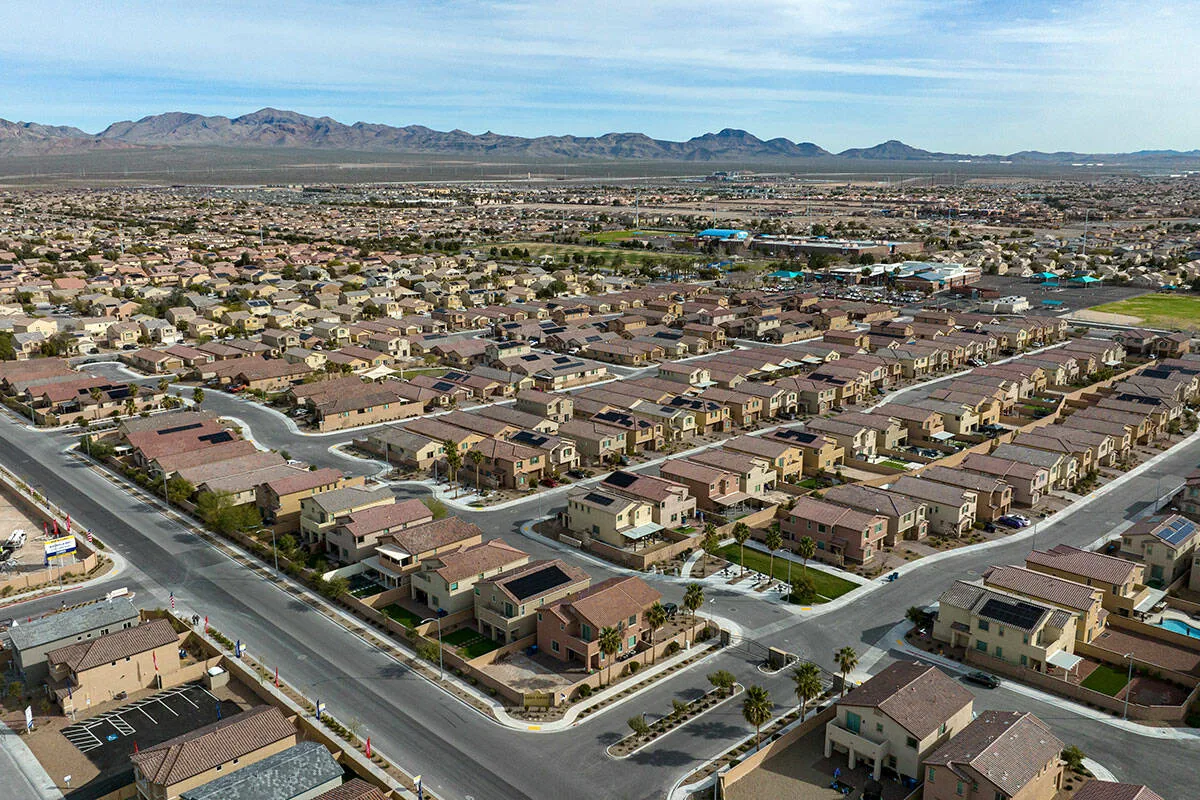
Water path: from the ceiling mark back to the roof
A stain on a conference room ceiling rarely sits under the opening. Water can travel along a deck flute, a duct or a conduit before it drops, so the first job is to trace the path backward from the interior to the roof level above it. We check the nearest drain, the membrane seams along the route, and any curb or pipe that was added after the original roof went.
Summer monsoon storms bring short, heavy rain onto a roof that has been baking for weeks, and the Las Vegas station at Harry Reid International Airport records about 4.18 inches of precipitation in a normal year. That is not much water, but it arrives in bursts, so drains and scuppers are tested for debris and slope before the season. A drain that sits slightly high leaves a standing pool at the edge of every storm, and a pool is where seams and patches age fastest.
Access: working above people who keep working
Business buildings run on a schedule that the roof crew has to learn. Tenants keep desks, phone lines and meeting rooms in use, and some floors have records or equipment that cannot get wet. Before mobilizing, we ask for the roof access route, the lift or ladder rules, parking and staging space, and the hours when noise is acceptable.
Tear-off, fastening and torch or hot-air work are the loud, disruptive steps, so they go into windows that management approves. We keep to a simple rule for occupied space: never open more roof than can be dried in the same day. Materials are staged only for that shift, and sheets or boards are secured before gusts arrive. The plan for an occupied building reroof lists each section, its date and the protection below it.
Decision: repair, restore or replace
Three choices usually sit on the table. A repair closes a known entry point such as a lifted seam, a split flashing or a failed pipe boot. A restoration cleans and coats a membrane whose field is still sound, using a coating system that suits the substrate. A replacement removes a roof whose insulation or membrane has reached the end of its life.
The inspection record picks among them. If moisture readings are clean and the seams hold, a repair or a coat may carry the roof for years. If insulation is wet across a zone, coating over it only seals the water in. Cost follows the size of the wet area, the number of penetrations, the amount of edge metal and the access difficulty, not the label on the district map. Heat matters too, since a membrane in strong sun loses plasticizer and surface bond over time, and the same sun exposure applies in Symphony Park and the other downtown districts.
Send the roof plan and the leak dates
Share the address, the roof plan, any leak history and the access rules for the building, and we will schedule a walk that answers a defined question about the roof before a scope is chosen.