
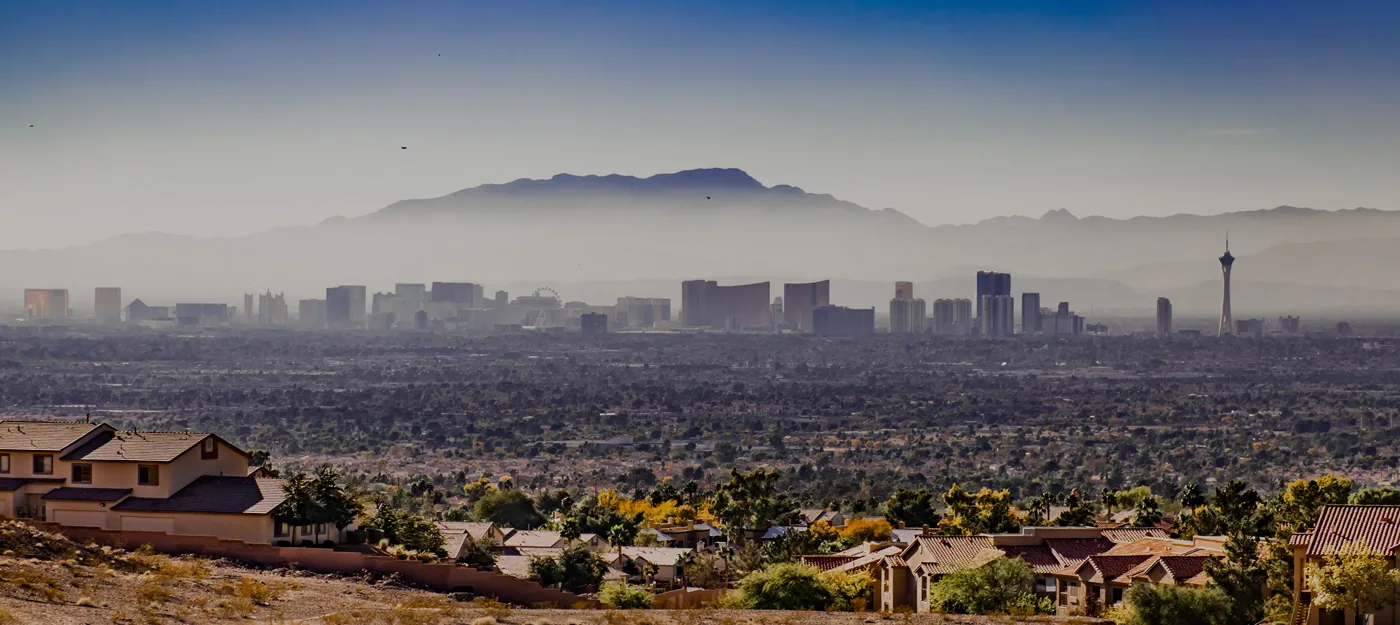
Storm damage response, insurance documentation and permanent roof repair for commercial buildings in the Gateway District of Las Vegas, NV.
After a monsoon cell passes, the useful hour for a building manager is the one before the roof dries, because that is when the water path is easiest to see. Gateway is a named district in the City of Las Vegas Vision 2045 Downtown Master Plan, and a commercial building there faces the same summer storms as the rest of the valley: gusts, short and heavy rain, and runoff that finds every low point. We respond to storm calls around the clock, photograph the entry points, make the roof watertight with a temporary repair and write the record an insurer will want to read.
First response: stopping water before measuring anything
The first visit has one goal: stop water from entering. We find the entry point, protect interior equipment, tarp or seal the opening and set up drains so that water leaves the roof instead of pooling. Measuring the full extent comes second, once the building is dry and safe.
Photographs are taken before any temporary work. They show the condition as found: displaced edge metal, lifted membrane, blocked drains, torn flashing or debris on the surface. The photographs carry a time and a location on the roof plan. A temporary repair is built to last until the permanent scope is approved, and it is removed or integrated when the permanent work begins. Tarps are fastened to a solid edge or a weighted batten, not to the membrane, so the cover does not tear the roof it protects. Where a deck is wet or soft, we keep traffic off it and report the area so that no one steps through a weakened spot on the next visit. For urgent cases, emergency roof repair is available every hour of every day.
Commercial Roofing Questions
What should a manager photograph before the roofer arrives after a storm?
Interior stains with the date, any water on floors or equipment, and the roof edge from the ground if it can be seen safely. Do not climb onto a wet roof. Those images help us trace the entry path and match it to what we find above. We take our own photographs on the roof before any temporary work begins.
How does wind damage differ from age-related wear?
Wind leaves a direction and a pattern: peeled edge metal, lifted corners and debris pushed to one side. Age-related wear shows as chalking, cracked sealant and shrinking seams spread across the roof. A roof can show both, and we separate them in the scope so a claim covers the storm items and the owner plans for the rest.
Why is a temporary repair done before the permanent scope?
Water entry does damage every hour it continues, to insulation, ceilings and equipment. A temporary seal stops it while the permanent scope is priced, approved and scheduled. The temporary work is photographed and recorded so it can be removed or folded into the final detail without leaving a hidden weakness.
Who decides what an insurer pays for roof damage?
The insurer decides coverage. We document the roof as found, describe the temporary work and write a scope split into storm-related and pre-existing items. That record answers the reviewer's questions about methods, materials and quantities, and it keeps the conversation focused on what the storm did to the roof.
What if a pond stays on the roof for days after rain?
We check the drain and scupper first, since debris or a high outlet is the most common cause. If the outlet is clear, we measure the depth and look for deck deflection or a low area. Corrections range from cleaning to adding tapered insulation or another scupper, and the cost is far less than repeated leaks.
More Roofing Detail
COMMERCIAL ROOFING IN NORTH LAS VEGAS, NEVADA
Wind evidence: what gusts leave behind
Strong winds above 50 mph are infrequent in the valley, but when one arrives it can carry blowing dust and sand, and summer storm cells bring gusts of their own. Wind leaves clear marks: edge metal peeled back, coping joints open, membrane lifted or fluttered near corners, loose gravel pushed to one side and debris from nearby roofs lodged against curbs.
We record where the marks are, because uplift pressure is highest at corners and perimeters. A lifted membrane may have been loosely attached before the storm, and that matters for the repair design as well as for the claim. The work of a wind damage repair restores the attachment first and the surface second. A punctured sheet, from flying debris or a dropped tool, is repaired as a membrane puncture with a patch that is welded or adhered to match the system.
Water path: runoff, ponding and drains
Rain is rare in this climate, so roofs are designed for rare rain, and a short, heavy storm can overload drains, force water under flashing and leave ponds that last for days.
After a storm we check each drain and scupper for debris and flow, look for stain rings that show where water stood and press along seams in the pond area. Standing water adds weight and finds small defects, so we record its depth and drying time. If a pond persists, the cause may be a clogged outlet or a drain set above the surface. The fix is often cheaper than a new membrane, and a clear drain and scupper path prevents the next storm from repeating the damage.
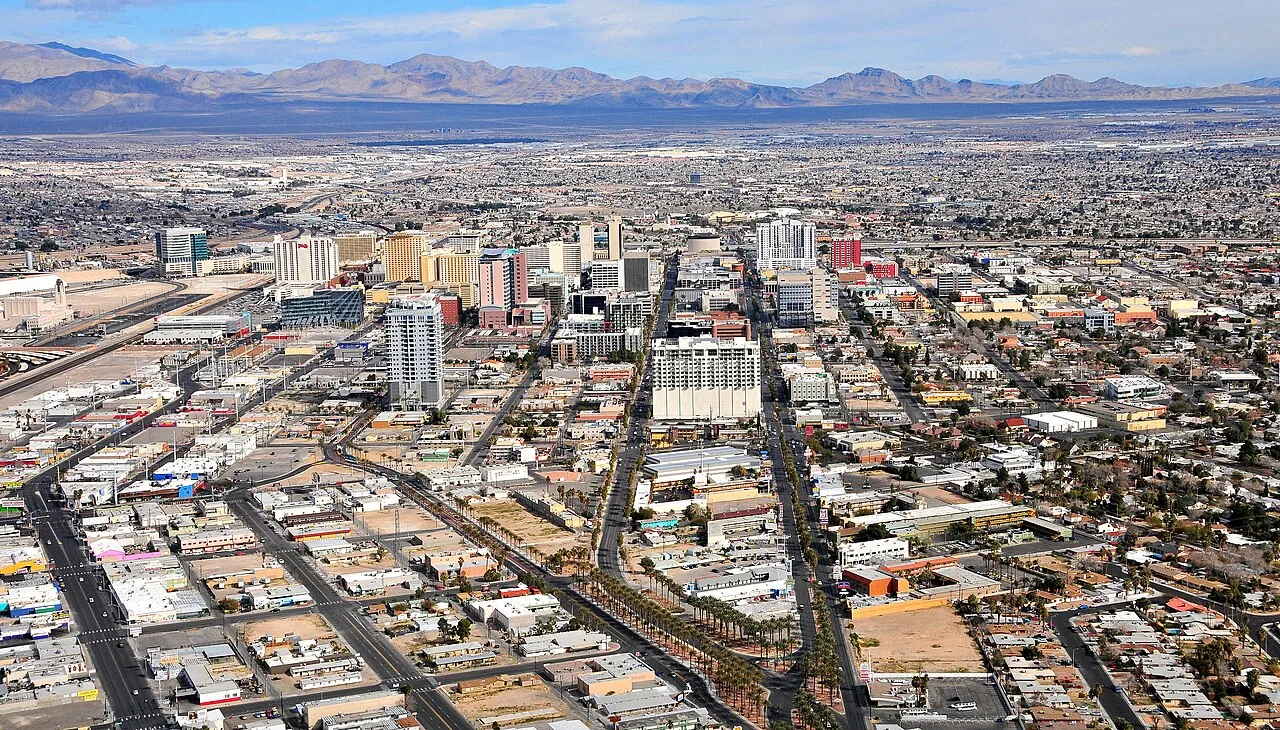
Neighboring roofs matter too. A building in the Market District or the Gateway District may collect debris that blows off a next-door roof, and a drain that clogs with that debris overflows first. We note what is blowing onto the surface and where it lodges, and we recommend guards or a cleaning interval when the pattern repeats.
Claim documentation: records an insurer can use
An insurance reviewer reads photographs, dates and scope. We provide a dated set of images of the damaged areas, a sketch with the locations marked, a description of the temporary work and a written scope for the permanent repair, split into storm-related items and pre-existing conditions. That split helps both sides, since a fair claim pays for what the storm did.
We do not decide coverage; the insurer does. Our role is to document the roof as it stood and to describe the repair needed to restore it, in the plain terms an adjuster uses: location, extent, method and material. Dates matter, so each photograph carries a time stamp and each visit is logged. Our roof insurance claim assistance work keeps the records organized and answers the reviewer's questions about methods and materials. Owners who manage several roofs, including those in the Las Vegas Medical District, can use the same documentation format on each property.
Permanent scope: restoring the roof, not just the spot
Once the building is stable, the permanent scope addresses the cause. If a flashing failed because of age, replacing the flashing prevents a repeat. If edge metal peeled because fasteners backed out, a new pattern with sealed joints replaces the old. If the insulation under a breach is wet, it is cut out and replaced before the membrane is patched, because a patch over wet insulation traps the water.
A roof that suffered several breaches may need more than patching. In that case we compare a section replacement with a storm damage repair across the surface and give the owner the numbers on both. Whether insulation upgrades apply is a permit-office question, and we ask it at the start of the permanent scope.
Call when the storm passes, with photos in hand
Send interior photographs, the time of the storm and the roof plan, and we will respond with a temporary repair and a documented scope that supports the claim.