
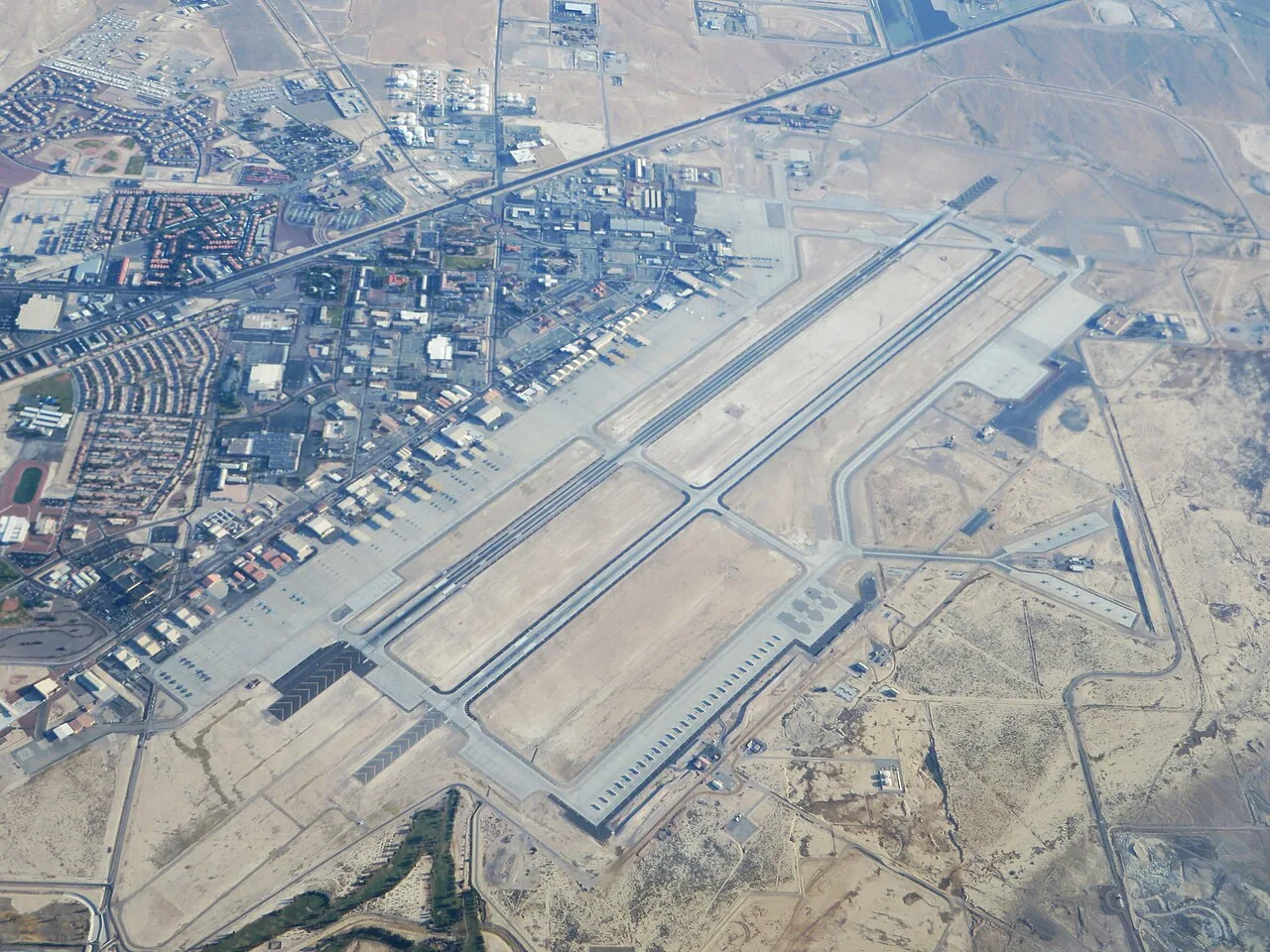
Military installation roofing near North Las Vegas, NV: base access, escorts, Unified Facilities Criteria roofing, and work around mission schedules.
A roof on a military installation reaches the roofer as paperwork before it reaches the roofer as a building: an access request, an escort assignment, a work window, a list of vehicles and tools, and a criteria document the design must meet. A roof leak may be small, but the path to the roof is long, and a scope that ignores that path will miss its schedule before a single fastener is driven.
For installations in the Las Vegas Valley, including the area around North Las Vegas, NV, the inspection has to establish what the roof is, who controls access to it, when work is allowed, and which criteria govern the repair or replacement. Only then can a scope and a price be set. We plan for those steps from the first call.
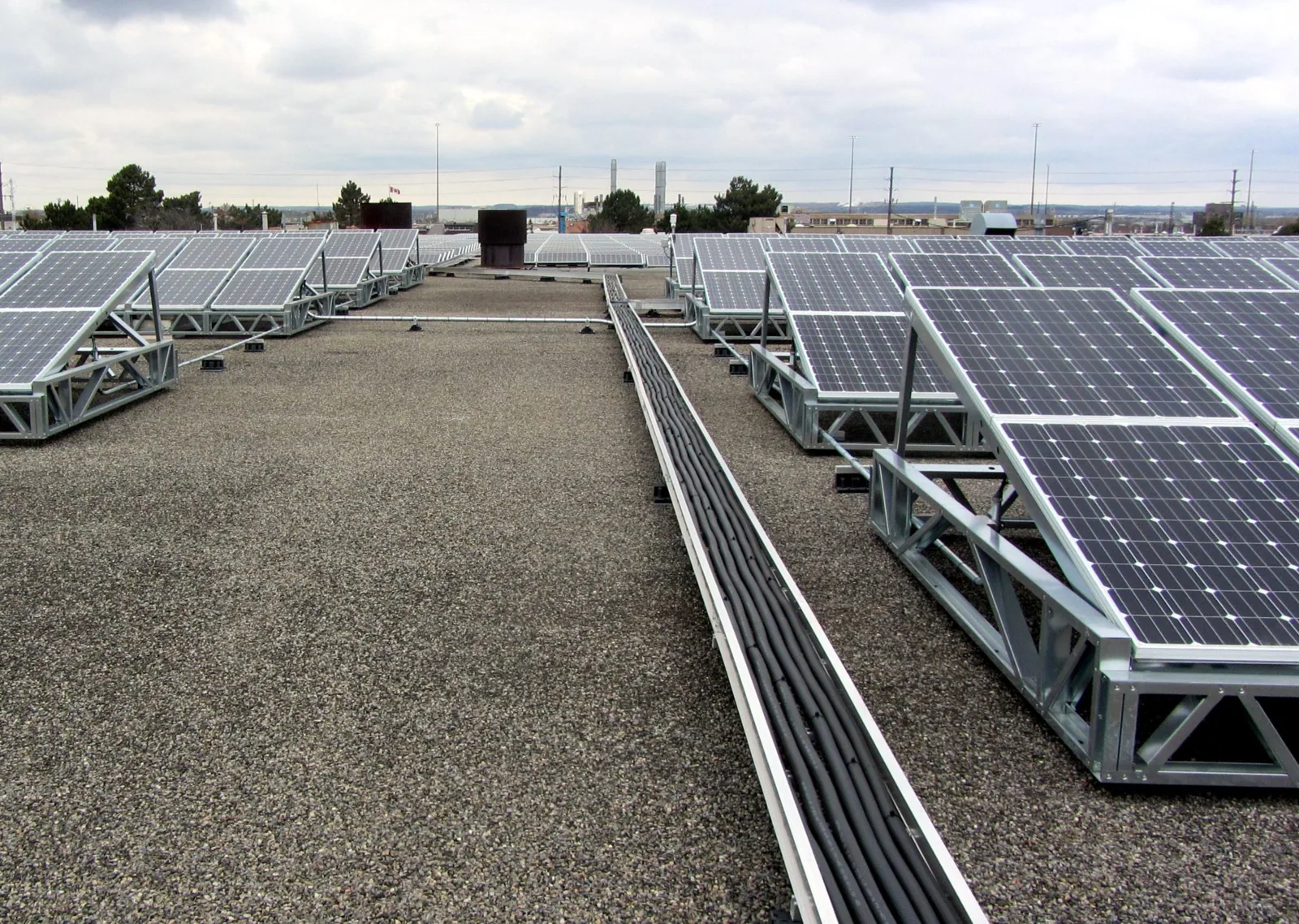
Condition and Decision: Define the Question Before the Gate
Installation roofs include maintenance buildings, hangars, barracks, offices, and storage buildings, and each has its own operating pattern. The first question the facilities lead should write down is specific: a leak over a work bay, a failed seam over an office, wind damage after a storm, or a planned replacement. A defined question lets the access request describe what the crew will do and where.
We then match the question to the right inspection. A hands-on inspection establishes membrane condition, seams, flashings, and drainage. An infrared moisture survey checks for wet insulation where the installation allows the equipment. Findings are sorted into repair, restoration, or replacement, and the record carries the dates and photographs the installation's engineers will want to review.
Urgent leaks are handled differently from planned work. A temporary repair that stops water is often permitted quickly, while a permanent repair waits for approvals. Emergency response here means the crew is ready to mobilize at any hour once access is granted, with materials on hand for a temporary seal and photographs for the record.
Commercial Roofing Questions
What should a facilities lead prepare before a roofing inspection on an installation?
A defined question, the roof location, building use, any known leak dates, and a point of contact for the access office. Add the roof plan or as-built drawings if they exist, and the repair history. Those items let the access request name the work and the crew. A request that says only roof inspection invites delay, while one that names the building, the problem, and the dates moves faster.
Can a drone survey be flown over a military roof?
Only with explicit permission from the installation, and often not at all. Airspace over bases is controlled, and drone use may be limited by flight operations and security rules. Where it is not allowed, the roof is inspected on foot, with the access plan accounting for fall protection and time. If permission is granted, the flight plan, times, and image handling are set in writing first.
How do escorts affect the crew size and schedule?
Escort availability sets how many people can work at once and when. If one escort can cover only one work area, the crew divides into a single group, and tasks that could have run in parallel run in sequence. We ask the access office early about escort ratios and hours, then size the crew and the daily scope to match what the escort can cover.
Which records help most when a base roof is repaired or replaced?
Photographs of the existing assembly within the permitted rules, moisture survey results, test cut locations, material submittals, and daily logs of work. A contracting officer or engineer reviewing the work will look for evidence that the roof was built to the specified criteria. Records that tie each repair to a roof zone and a date make that review quick and leave less room for dispute.
More Roofing Detail
COMMERCIAL ROOFING IN NORTH LAS VEGAS, NEVADA
Base Access: Badging, Escorts, and Vehicle Inspection
Access control is the schedule. Workers are generally screened and badged before they enter, vehicles and tools are inspected at the gate, and many areas require an escort for the full time on site. Requests can take time to process, and a name that is missing from the list on the day means the crew waits outside. We plan crew rosters early and keep the same people on a project where possible.
Material delivery follows its own rules, with delivery windows, inspection of loads, and sometimes restrictions on where trucks may park. Photography is often restricted, so inspection records are produced within the permissions the installation gives. Cranes and lifts may need advance notice. For a facilities lead, the practical tool is a short access checklist covering badges, escorts, vehicles, deliveries, and photo rules, agreed before mobilization.
Tool control matters too. Cutting tools, adhesives, and fuel are counted in and counted out, and anything lost on a roof becomes a stoppage until it is found. A numbered tool list and a daily count keep the crew ahead of that rule and give the escort a simple check at the end of each shift.
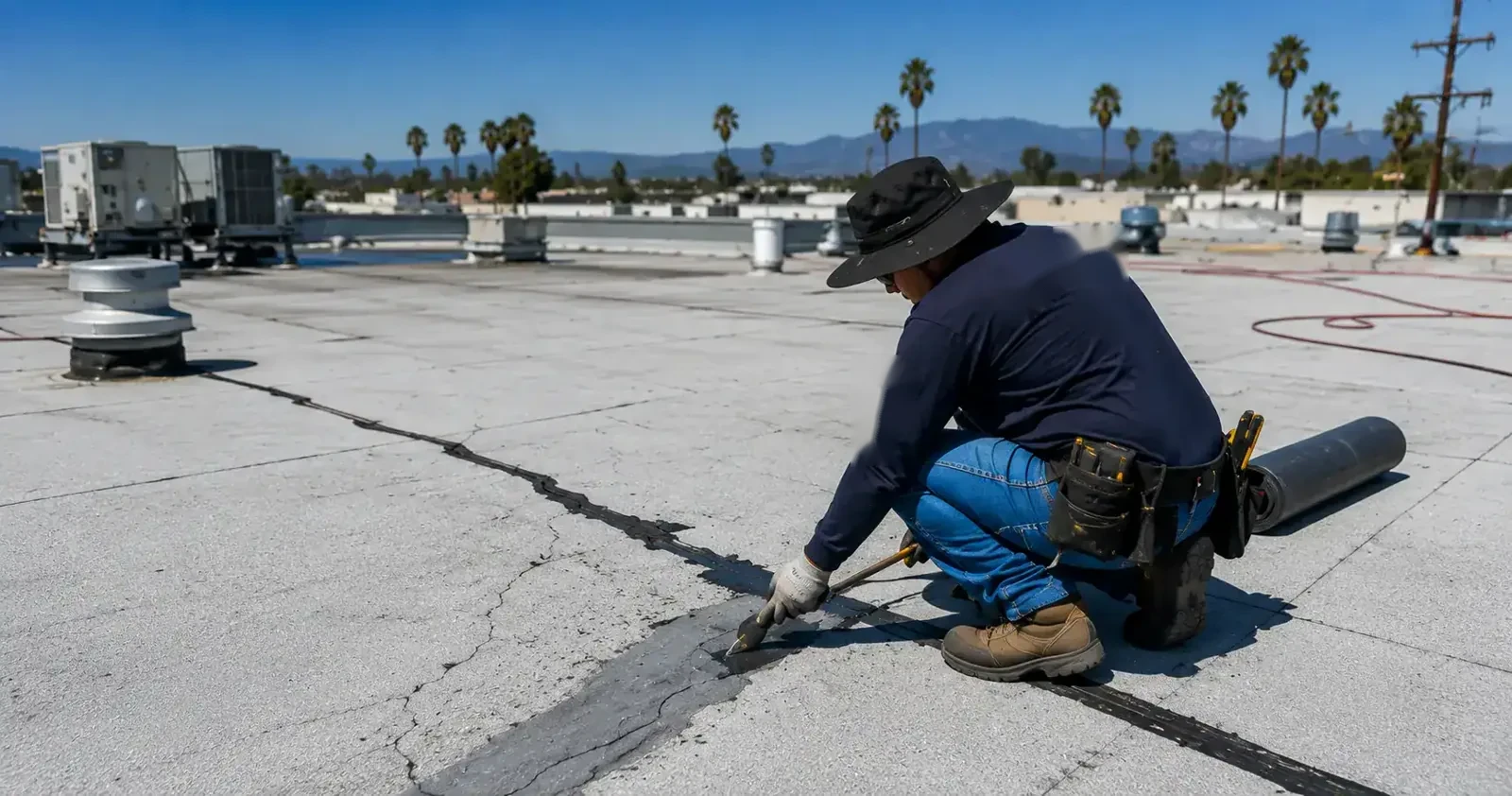
Criteria: Roofing Built to the Unified Facilities Criteria
Federal roofing work is typically designed to the Unified Facilities Criteria for roofing, which set requirements for system selection, wind uplift, drainage, insulation, and fire performance. A replacement scope on an installation is checked against those provisions and against the contract specification, which may add its own conditions. Submittals for materials and methods are reviewed before work begins.
In practice, that means the repair method has to be justified, not just performed. A patch that suits a commercial building may not be acceptable on a federal roof if the contract calls for a specific assembly. Our approach is to document the existing assembly, compare it with the stated criteria, and flag the gap in writing. For roofs that need broader work, the same record supports a commercial roof replacement scope that matches the project's criteria.
Wind uplift and drainage are the two areas where criteria most often change a scope. A roof that was adequate when built may fall short of current edge-securement or slope-to-drain expectations, and the replacement then includes tapered insulation, upgraded edge metal, or added drains. We list each of those items with its reason so the engineer can accept or revise them.
Mission Schedules: Working Around Operations
Operations set the work windows. A roof beside a flight line, a training area, or a maintenance bay may be off limits during certain hours, and noise, lifting, and height may all be restricted. Loose materials are a hazard where aircraft or vehicles operate, so debris control and securing of sheet and insulation take priority on windy days.
Buildings like aircraft hangars, military barracks, and maintenance facilities each carry different constraints, from occupied sleeping quarters to large clear-span spaces with sensitive equipment below. We plan around those uses, work in zones, and keep a contact on site who can stop the work if the installation asks. Where a drone would help, permission must come first, since airspace over installations is often controlled.
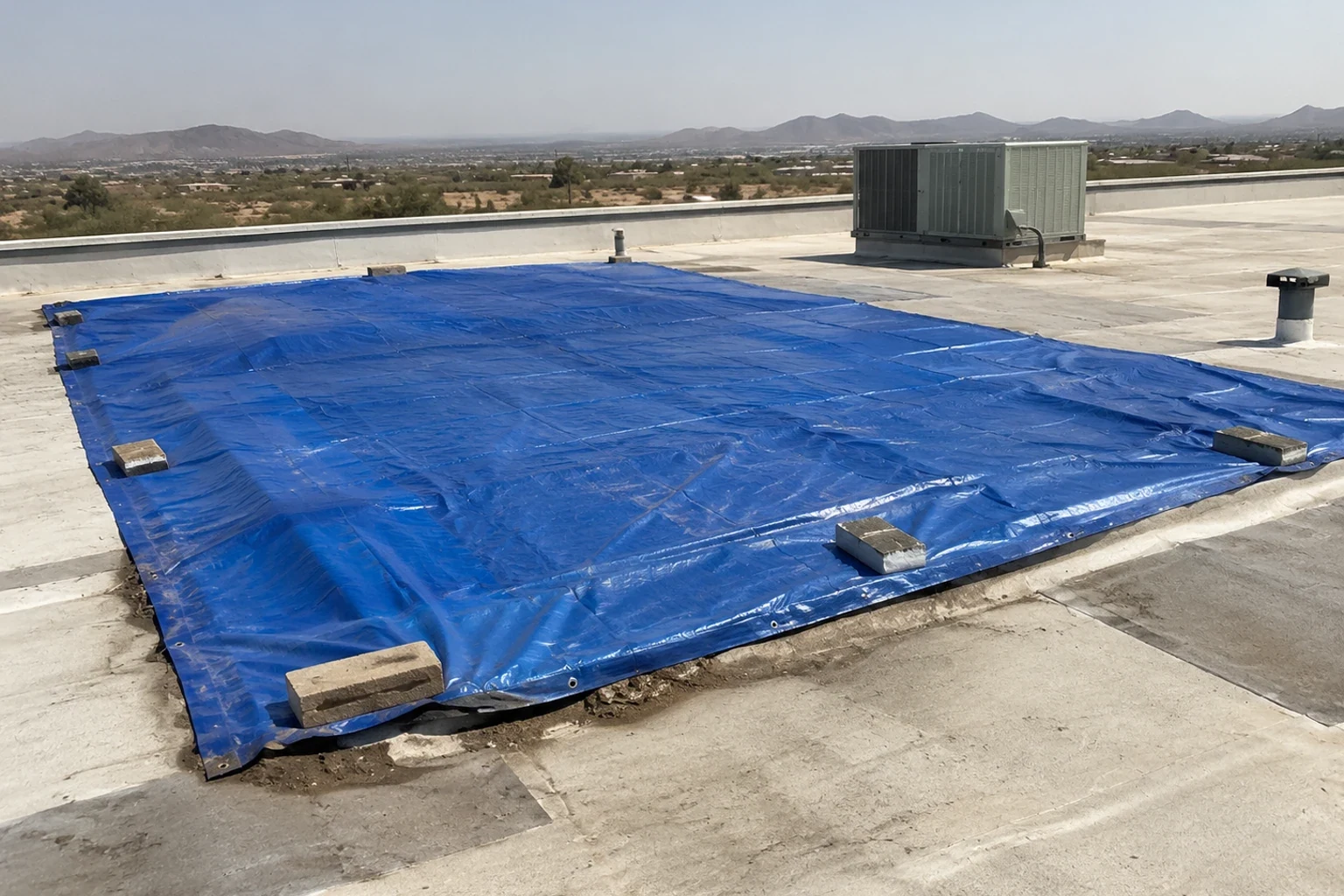
Desert Exposure: Heat, Wind, and Monsoon Rain
Installations share the climate of the valley around them. The National Weather Service describes the Las Vegas Valley as hot, sunny desert with occasional summer monsoon thunderstorms, gusty winds, and localized flash flooding, and says monsoon moisture commonly reaches the Mojave Desert in July and August. Those conditions apply to a base roof just as they do to commercial districts such as the Central District or the Apex Industrial Area on North Las Vegas's planning map, though access rules do not carry over.
The Weather Service also notes that spring and fall wind events are more common and that winds above 50 mph, though infrequent, can carry dust and sand. Those events drive the attention to edge metal and loose material, and they set the maintenance calendar for preventive maintenance: clear drains and check edges before the monsoon months and again after the windy seasons.
Tell Us the Question and the Access Rules
Share roof plans, access rules, leak dates, repair history, equipment changes, and operating-hour constraints. We will help define the inspection so the access request, escorts, and schedule line up.