Roof inspection, repair and multi-location programs for retail and restaurant chains in North Las Vegas, NV, scheduled around store hours and kitchen equipment.
A bucket on a sales floor and a closed dining room are the two outcomes a chain wants to avoid, and both start with a roof detail that was small the month before. For retail and restaurant chains with locations in North Las Vegas, NV, our inspection begins with what the store operator can report: where the drip showed, which equipment was running, what the weather was doing and when the last roof visit happened. We then decide what the walk must establish before a repair, a program or a replacement is priced.
North Las Vegas retail sales reached $3.796 billion in 2022 in Census QuickFacts, alongside $794.934 million in accommodation and food services. Those citywide figures indicate varied commercial use and say nothing about a particular store roof. A chain's locations here may sit in a strip center, a freestanding pad or an older building, and each has its own roof system, equipment and landlord arrangement. We record every location on one format, so the chain can compare stores and act in order of risk.
Kitchens: protect the membrane near exhaust and condensate
Restaurant roofs take heat, grease and moisture from the kitchen below. Exhaust fans discharge hot, greasy air; makeup air units draw in dust; walk-in refrigeration and hood systems drain condensate onto the roof. Grease softens some single-ply membranes and clogs drains, and constant condensate keeps one patch of membrane wet.
We check discoloration around fans, softened or swollen membrane, grease in drains and gutters and the condition of curb flashings. Containment, cleaning and drain routing come first, and a membrane that has lost strength is replaced in that zone with a material suited to the exposure. A restaurant roof scope also schedules a recurring grease check, since the problem returns unless the source is managed.
Commercial Roofing Questions
Who pays when a leak starts at a tenant's rooftop unit?
The lease answers that, and the roof record helps apply it. We document the flashing condition and whether the unit was added after the roof was installed. The chain and landlord then see which conditions predate the equipment.
How can a chain keep grease from damaging a roof?
Contain the discharge, clean the area on a schedule and keep drains clear. Where the membrane has softened, replace that zone with a grease-tolerant material. We include a recurring check in the maintenance plan.
What does a multi-location report look like?
It lists each store with its condition, priority, recommended action and cost drivers, using the same photograph layout everywhere. A summary page ranks all locations, and each store manager receives a short sheet for their site.
Can the roof be replaced while the store stays open?
Usually, with sectional work, protected entrances and a plan for noise and odor. Restaurants avoid meal peaks and keep hood and fan systems protected. The schedule names a site contact who can pause the work.
Do you take emergency calls from stores after hours?
Round-the-clock emergency response includes holidays. We protect the opening, document the damage and report to the facilities lead.
What should a service technician do after working on a rooftop unit?
Photograph the area before and after, report any damage to the facilities lead the same day and keep tools and panels off the membrane. A roofing crew can then repair anything disturbed before water finds it.
More Roofing Detail
COMMERCIAL ROOFING IN NORTH LAS VEGAS, NEVADA
Stores: separate tenant equipment from shared roof
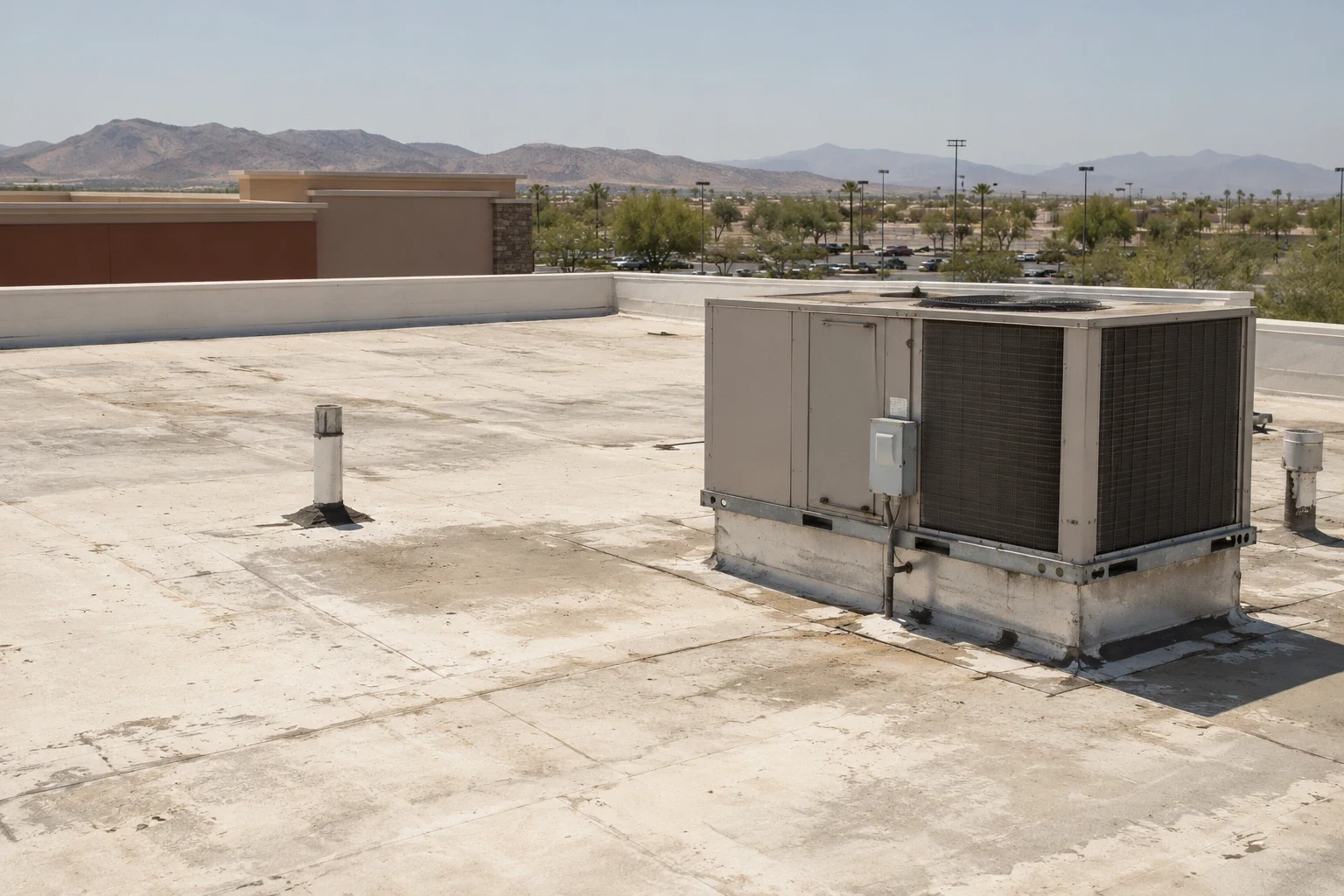
Retail roofs collect equipment: rooftop units, exhaust, refrigeration condensers, signage supports and antenna mounts. Each penetration is a flashing to maintain, and each added unit changes drainage and foot traffic. In multi-tenant buildings, the landlord owns the roof and the tenant owns its equipment, so a leak at a curb raises a responsibility question as well as a repair question.
We map each store's equipment, record the flashing condition at every curb and photograph the drainage path beneath. The record lets the chain and the landlord see which conditions come from the roof's age and which from added equipment. For a big box retail roof or a grocery store roof, the refrigeration load and the number of units add to the list. Store hours drive the schedule, so the access window, noise limits and parking staging are agreed in writing before the first delivery arrives.
Landlords: agree on who documents what
Most chain locations sit in buildings owned by someone else, and the roof conversation runs through a property manager. Delays begin when each side waits for the other to start. We solve that by producing the same record for both: photographs, roof zones, the condition seen and the decision it supports, with tenant-owned equipment marked separately from base building roof.
That clarity speeds approvals. A landlord who sees dated photographs of a failed pipe boot and a record of the last visit can authorize the repair without a site meeting. A tenant who sees that a leak starts at the landlord's seam can send the report with the repair request. Where a roof is under warranty, we confirm what repairs and coatings are allowed before work starts, so an urgent patch does not void coverage. The record then goes into the location file for the next store manager.
Chains also benefit from a simple rule for service companies: anyone who works on rooftop equipment reports damage to the facilities lead the same day and photographs the area before and after the visit.
Program: one standard across many locations
A chain with dozens of stores cannot treat each roof as an isolated event. A multi-site roof program sets a common inspection checklist, a common photograph format and a common priority ranking. Stores with active leaks go first, stores with early warning signs get maintenance and stores with sound roofs are checked on a schedule.
The program also tracks warranty terms and landlord obligations by location, since a repair that is the landlord's job at one store may be the tenant's at another. Reports go to the chain's facilities lead in one format, with a short summary for each store manager. Over time the record shows which locations leak repeatedly and which equipment causes problems, which informs both repair and lease decisions.
Store hours: schedule the noise and the access
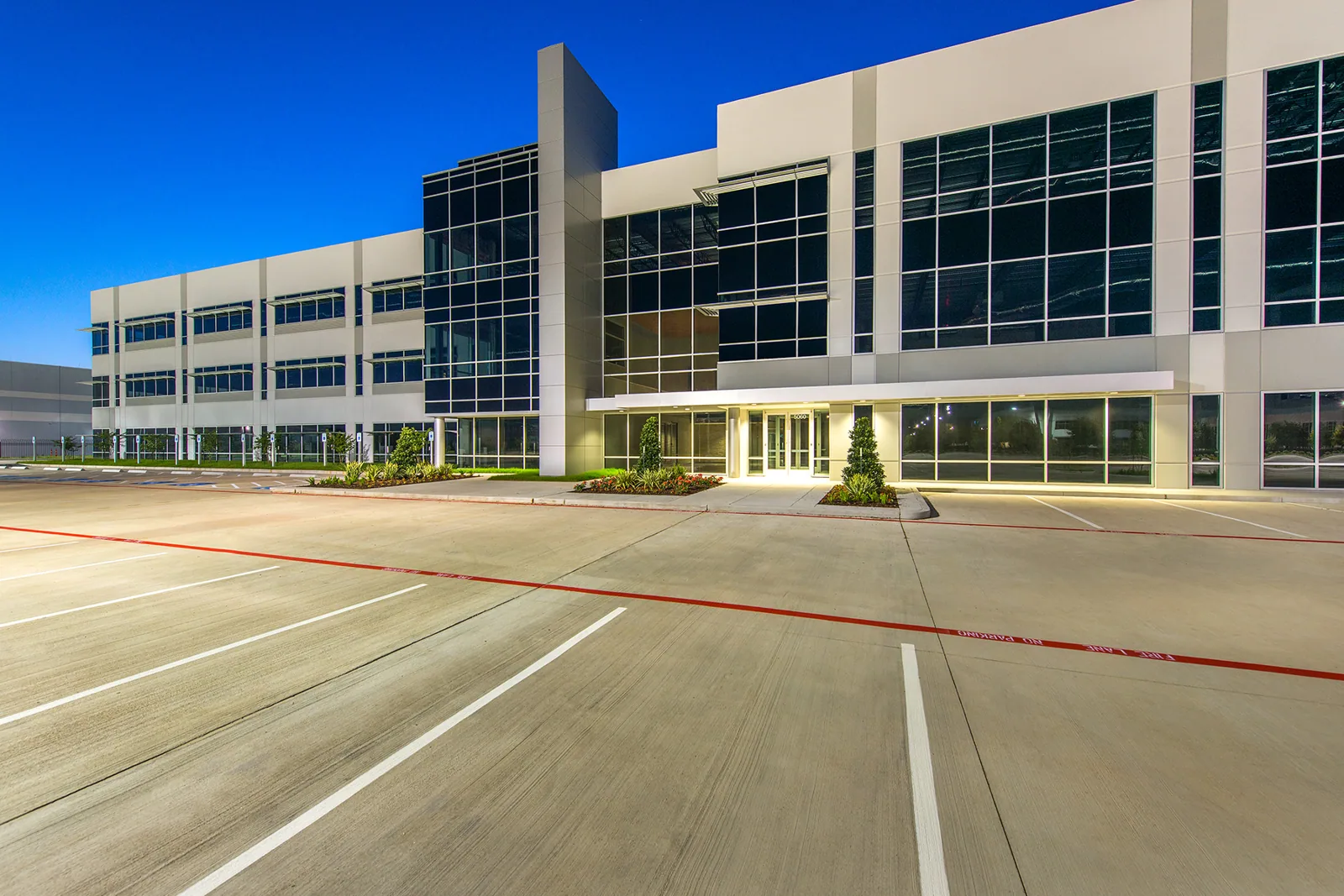
A store's roof is above its customers and its staff. We plan access routes that avoid the front entrance, place ladders and hoists away from customer paths and schedule noisy tasks for hours the store identifies. Dust, odor and vibration are controlled where they might reach the sales floor or dining room.
For restaurants, the roof work avoids meal peaks and keeps fan and hood systems running or protected. Retail operators with seasonal peaks tell us which weeks are off limits, and we hold the heavy work for the quieter periods. An occupied building reroofing plan lists the sequence, the open area at each stage and the contact on site, so the store manager is never surprised by a crew on the roof.
Weather: prepare drains and edges for the valley's storms
Hot, sunny desert weather runs into July and August monsoon moisture, with thunderstorms, gusty wind and heavy rain that can flood low areas. Spring and fall bring the wind events.
For stores along corridors like the North 5th Transit Corridor or in master-planned areas such as Craig Ranch, the same pre-season checks apply: clear drains and scuppers, check parapet flashing and edge metal and photograph conditions. Lodging operators run the same pre-season checks with different access rules, which matters to hospitality groups that own both kinds of property.
Send the location list and the store hours
Share roof plans, lease roof responsibilities, recent leak reports and each store's busy periods. We will organize the inspection program around keeping your locations open.