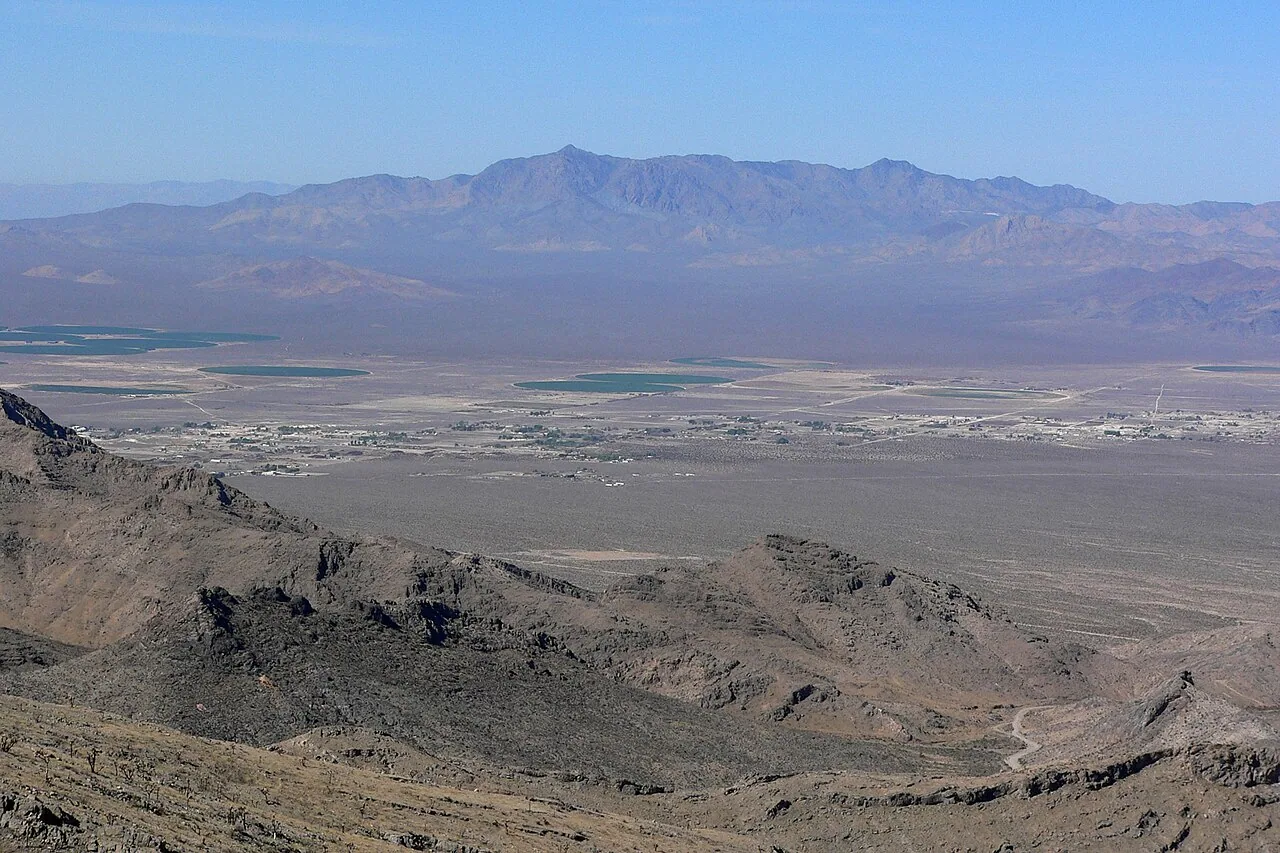
Review Sandstone District roof drainage, heat exposure, access, and repair limits in North Las Vegas before selecting a commercial roofing scope.
Dry-weather heat leaves a roof surface to inspect before the next short storm tests its drains and seams. In Sandstone District, North Las Vegas, NV, we begin with the building's roof plan, access rules, and reported condition. The district name is a broad planning-area label on the city's framework map, not a parcel boundary or statement about current building use. We inspect the actual assembly, map roof zones, and photograph observed details before pricing repair or replacement. A commercial roof inspection gives the owner a defined record and next decision.
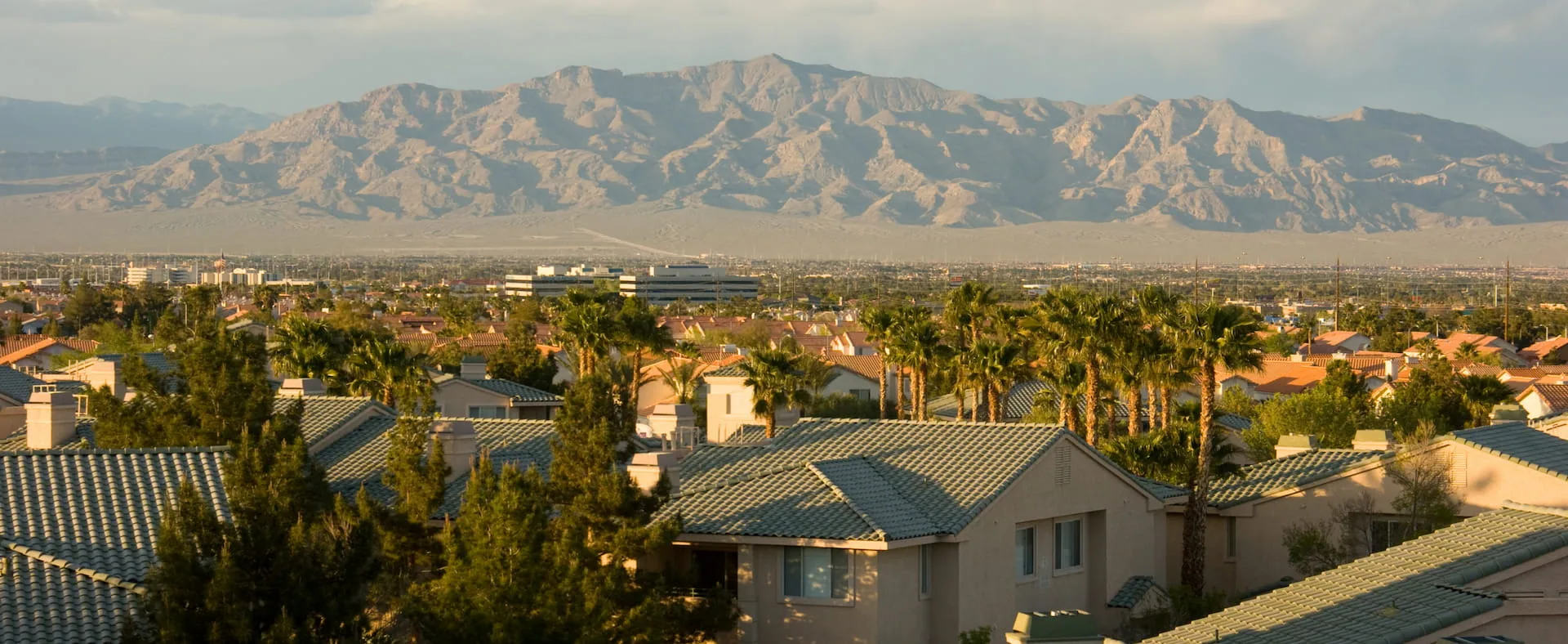
The Las Vegas Valley has hot desert conditions with seasonal monsoon storms and gusty winds, according to regional weather context. A district name does not establish property-specific exposure or damage. We check the roof's water path, attachment, edges, and outlets on site, then set a work window that matches current conditions.
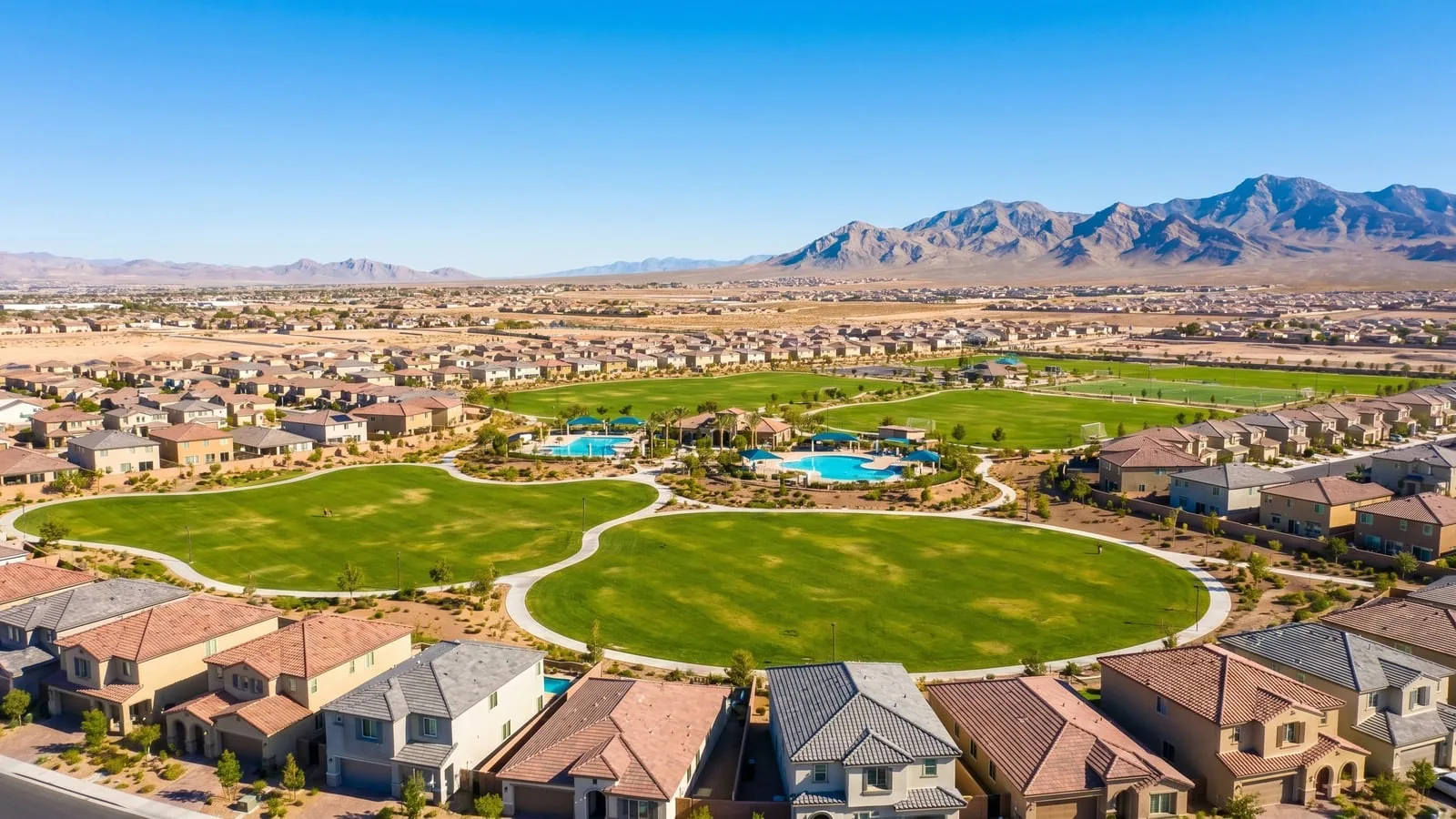
Sandstone label and site verification:
The city framework identifies Sandstone District as a broad planning area. It also groups map labels across planning areas, employment districts, activity centers, residential neighborhoods, and gateways. That classification helps orient the city map, but it does not identify a parcel's current zoning or tell us the roof type. Before a project starts, the owner confirms the property address and jurisdiction through current records. Our scope describes the building we inspected, not every property within a map label.
A roof plan can show additions, drainage lines, curbs, and past repairs. We compare it with field conditions and mark any mismatch. If the property has no current plan, the first walk creates a roof-zone sketch and notes where access stopped. The Future Industrial Lands roof review follows the same discipline: confirm the specific building before connecting an area label to a work scope.
That record supports an owner's review of a focused repair or larger capital work. A roof condition report can keep photos, observations, and test results together for later decisions. It does not convert the dated framework into present-day land-use guidance.
Commercial Roofing Questions
Does Sandstone District's map label describe current parcel zoning?
It is a broad label on the city's 2006 framework map. Confirm current jurisdiction and parcel information with the city before relying on it for design or permitting.
How do you determine the roof's assembly?
We compare available plans with visible seams, laps, edges, insulation clues, and previous repairs. If a layer remains concealed and affects the scope, we identify a test location and approval point.
What should happen after a short, heavy rain?
Record the time and interior location, then arrange an inspection of likely water paths, drains, and roof transitions. We separate a reported symptom from the opening confirmed in the field.
Can a roof recover be considered in this district?
The map area does not answer that. We review the building's existing layers, moisture, attachment, load, and finished height at drains and edges before comparing a recover with removal.
What records help the next roof visit?
Keep roof plans, zone maps, leak dates, photos, repair details, test results, and access rules together. Each note should identify the property and the area inspected.
More Roofing Detail
COMMERCIAL ROOFING IN NORTH LAS VEGAS, NEVADA
Surface condition under desert sun:
Regional weather observations describe the Las Vegas Valley as hot, sunny desert country. Those observations are not a temperature reading at a Sandstone District roof. On the building, we look for chalking, open seams, split sealant, exposed reinforcement, loose fasteners, and surface wear. We record each item with a roof-zone location and photograph before recommending material or scope. A weather pattern informs the inspection sequence, while the actual assembly establishes what can be repaired.
Heat can affect access timing, material handling, and the hours available for a safe tie-in. We check the surface and product requirements before setting the work window. Staged rolls, adhesives, and sheet material need protection appropriate to the system. If a test opening is authorized, the crew identifies who approves the sample and how the roof will be closed before leaving the zone.
Different membranes do not share the same seam method. A compatible EPDM repair requires the right preparation and transition detail; a thermoplastic membrane has its own welding and flashing requirements. We identify the installed system first, then write a repair boundary that fits it.
Monsoon runoff and low points:
Short-duration heavy rain can put water through a low point before a building contact has time to clear an outlet. We trace the roof drainage path to each bowl, scupper, overflow, and edge. The walk checks debris, strainers, standing water, drain flashing, seams, and signs of movement near curbs. We distinguish routine cleaning from a damaged connection so a maintenance item does not become a larger repair by assumption.
When a leak is reported after a storm, we log the timing and interior area, then compare it with roof details above and along the likely travel path. Water can move below the surface before it becomes visible. If moisture may extend into insulation, an infrared moisture survey may help choose test points. The record labels what is a reading and what has been confirmed by a test opening.
A recover or replacement raises finished height at drains and perimeter transitions. We measure sumps, overflows, curbs, and edge metal before recommending a build-up. A drain and scupper scope can identify outlet work separately from membrane replacement, keeping plumbing coordination visible.
Access and daily closeout:
Before staging a lift or materials, the property contact identifies the roof access route, gate schedule, equipment clearance, and any operating area that must stay open. We define the active zone and the boundary that can be protected before the shift ends. The sequence includes a temporary closure and a field check at the tie-in. If the owner limits roof access to a short window, work is divided around the part that can be made weather-tight.
Price and timing depend on roof height, lift position, access distance, tear-off, disposal, wet insulation, equipment moves, and how many details need replacement. Those are property-specific inputs, not values inferred from Sandstone District. We document them in the scope before comparing options. A phased occupied-roof sequence sets zone-by-zone protection and a closeout record.
For a different mapped area, a South District roof walk establishes that property's route and conditions. The geography can guide where a service request is filed, while inspection and current property records determine the job.
Repair boundary and next decision:
A localized seam opening, puncture, or flashing split can support repair when the adjacent membrane and substrate remain stable. Repeated water entry, widespread wet insulation, weak attachment, or broad surface deterioration may support replacement. A recover depends on the retained layers, drainage height, load, and moisture evidence. We compare options by roof zone and identify what each one leaves in place.
A written proposal lists preparation, membrane, insulation, cover board, flashing, edge work, drainage changes, protection, and closeout. It separates measured work from concealed-condition allowances. If a test reveals a layer that changes the removal limit, the crew records it and requests authorization before extending the scope. That gives the owner a decision point while the roof remains protected.
When an active opening needs immediate attention, emergency service is available at any hour, including holidays. We can secure the opening and follow with a fuller inspection when access and conditions allow. The field record connects that stabilization to any later repair or replacement, so temporary work is not mistaken for a completed renewal.
Roof record for future maintenance:
The closeout lists the inspected roof zones, identified assembly, photographs, drain and edge conditions, repair boundary, and any area not accessed. It notes what was completed, what remains open, and which approval or test would answer the next question. The manager can compare the same details at a later visit instead of relying on a general area description.
Sandstone District is one mapped place label within North Las Vegas. The district-wide context stays separate from each building's system, moisture, and repair history. A maintenance visit can revisit seams, drains, and curb transitions with the same zone labels. Share plans, leak dates, repair invoices, equipment changes, access rules, and the work-hour limits; we will return a sequence tied to the roof evidence.
Arrange a roof-zone inspection
Share the property roof plan, leak history, access rules, and operating window. We will document the assembly, water path, and repair boundary before the next decision.