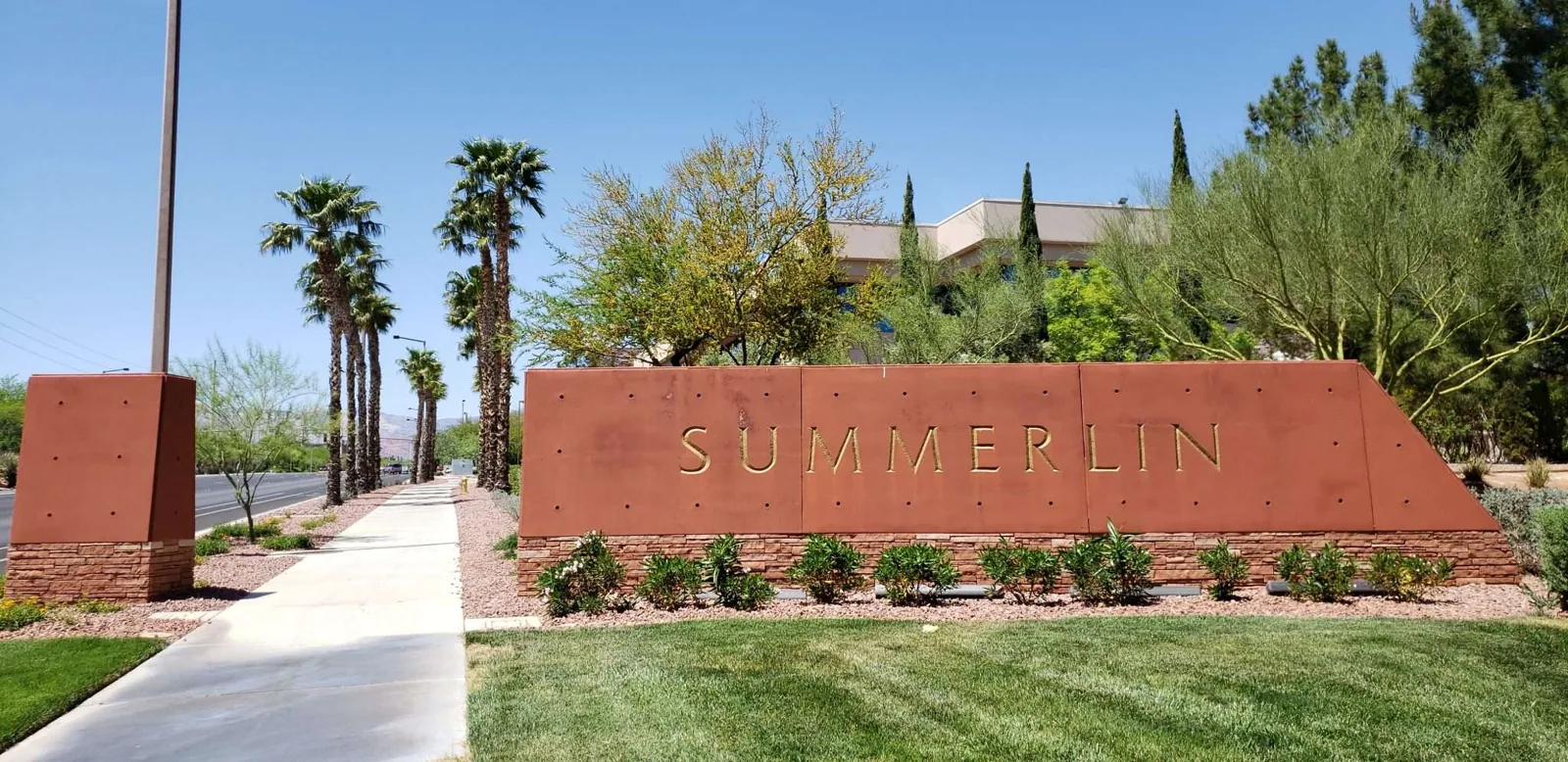
Plan a South District commercial roof inspection in North Las Vegas around heat, drainage, roof access, and a clearly defined repair boundary.
A low roof drain can set the repair sequence before a crew touches the membrane. In South District, North Las Vegas, NV, we confirm the property, inspect its drainage path and roof zones, and compare current field conditions with available plans. The city's 2006 framework uses South District as a broad map label; it is not current parcel zoning. A commercial roof inspection records what the building needs and what remains unknown before price or removal limits are selected.
Regional weather in the Las Vegas Valley combines hot desert sun with summer storms that can bring gusts and brief heavy rain. Those conditions help set staging and temporary closure decisions. We check the property's actual drains, edges, seams, and water path rather than infer a defect from its place name.
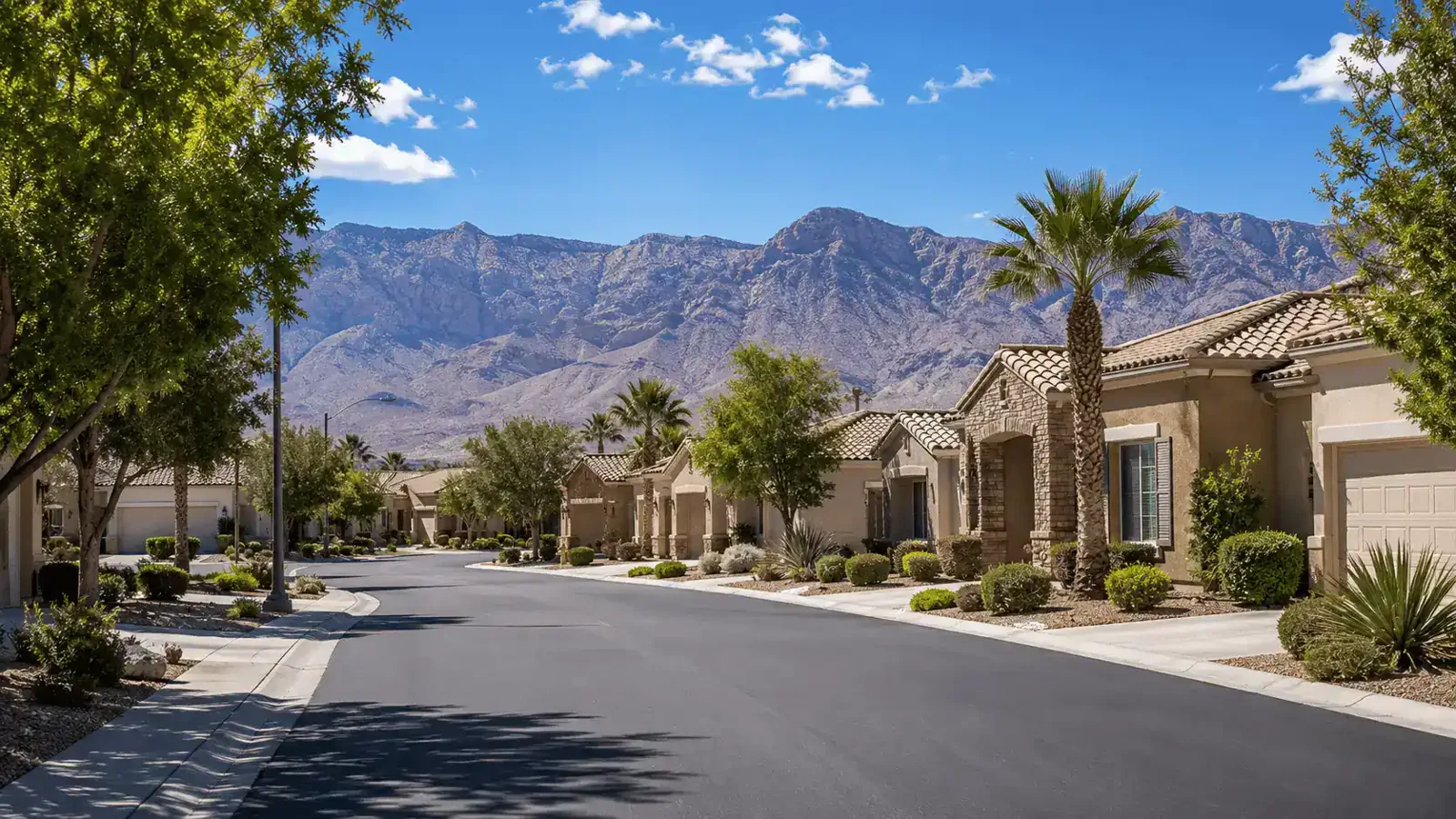
Map context and current property records:
South District appears in the city's planning framework as a named area. That dated map supports broad geographic orientation, not a present-day development claim or a parcel-level designation. A project still needs the current jurisdiction, roof plan, access contact, and operating rules for the property being inspected. We record those details separately from the district name.
The city's framework sorts its labels into planning areas, employment districts, activity centers, residential neighborhoods and gateways. That explains why a broad place label cannot tell an owner whether the roof is metal, membrane, layered, or recently repaired. We confirm assembly and access from drawings and field evidence. A Future Industrial Lands roof review uses its own map and property facts, with no transfer of conditions from South District.
When a building's record is incomplete, the first walk notes visible materials, seams, curbs, drains, and inaccessible areas. A condition report organizes those observations into a map and photo set, leaving unverified items clearly identified for the next decision.
Commercial Roofing Questions
Does South District's 2006 map label tell me the property's current zoning?
No. It is broad historical planning context. Check current parcel records with the city and confirm the property's jurisdiction before a project depends on zoning or permitting requirements.
How do you find the source of a roof leak after a storm?
We trace the reported location toward drains, seams, curbs, penetrations, and edges. The report distinguishes the interior symptom, suspected path, and roof detail confirmed during inspection.
What is needed before a repair price is set?
We need roof access, available plans, leak history, identified system, photos of visible conditions, and the work window. Testing may be required when concealed layers affect the repair boundary.
Can a recover be compared with replacement?
Yes, after reviewing retained layers, moisture, attachment, load, and final height at drains and edges. We document those conditions and compare options against the same roof-zone map.
How do you close a roof section at the end of a shift?
The sequence defines the temporary protection and tie-in before the area is opened. We record the closed zone and any remaining step at daily closeout.
More Roofing Detail
COMMERCIAL ROOFING IN NORTH LAS VEGAS, NEVADA
Drainage path and storm timing:
Short, heavy monsoon rain can load roof drains before water has time to clear a low area. We inspect strainers, bowls, scuppers, overflow routes, drain flashing, and nearby seams. The Diligence Notes shows where water travels and whether a low point is a maintenance issue, a damaged connection, or a condition that needs measurement. A stain inside the building helps locate the concern but does not identify its entry detail by itself.
The National Weather Service describes the broader Las Vegas Valley as hot and sunny, with occasional monsoon storms, gusty winds, and localized flash flooding. These are regional conditions, not roof-specific measurements. We use them to plan material protection and review outlets, then check the actual building's slope and edge details. If a test reveals wet insulation, the report records the extent and whether neighboring layers were opened.
A drain and scupper correction can be priced separately from membrane repair when the outlet is the principal issue. If moisture evidence is incomplete, an infrared survey can help choose test points. We distinguish survey readings from conditions confirmed at an opening.
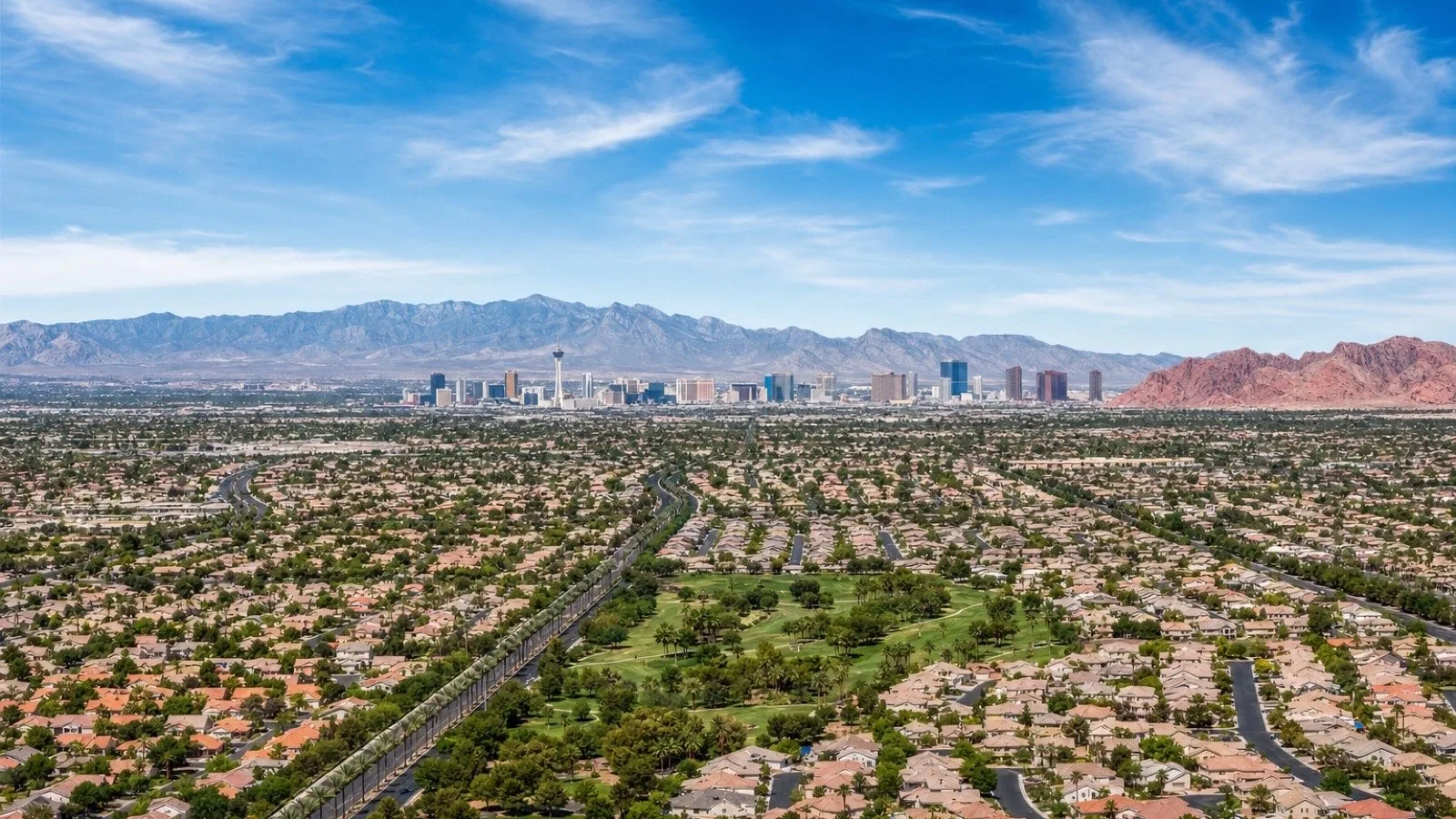
Heat, surface changes, and tie-ins:
Desert sun can change surface condition and narrow the installation window. On the roof, we check membrane chalking, open laps, brittle sealant, loose fasteners, exposed reinforcement, and metal movement. Those observations are tied to the installed system and roof zone. A surface change is a reason to inspect the detail, not proof that insulation or deck below it has failed.
Before selecting a repair material, we identify whether the assembly is TPO, PVC, EPDM, modified bitumen, built-up, metal, or another system. A modified-bitumen repair uses different preparation from a heat-welded sheet. The proposal names the patch limit, seam or flashing treatment, and tie-in. If material compatibility is uncertain, we identify what record or test would resolve it.
Equipment curbs, pipes, vents, and roof edges interrupt the field. We photograph corners, terminations, supports, and prior repairs. Where an equipment move is required, the mechanical contact and access window go into the sequence before the roofing crew opens the zone.
Work window and temporary protection:
The property contact confirms roof access, gate timing, lift placement, material staging, and equipment clearance. We define the active area and the amount of roof that can be made weather-tight by the end of a shift. A short window may require smaller sections or a separate test visit before permanent work starts. The daily closeout records the temporary tie-in and the route that is returned to service.
Cost and duration depend on roof height, access distance, material removal, disposal, insulation replacement, equipment coordination, and edge or drain changes. Those inputs are measured on the building; the map label does not set them. An occupied-building reroof sequence can lay out work-zone handoffs when staff or tenants remain present.
For a roof request near the Sandstone District, we make a separate inspection and confirm that property's current records and access.
Repair, recover, or remove:
A local seam or flashing failure can support repair when nearby membrane, attachment, and insulation remain sound. Repeated water entry, broad wet areas, failed attachment, or deteriorated layers can shift the choice toward replacement. A recover depends on moisture, existing layers, load, and finished height at drains, curbs, and edges. We list the evidence for each roof zone and compare the work limits so the owner can choose a defined next step.
The written scope separates measured quantities from concealed-condition allowances. It identifies preparation, insulation, cover board, membrane, flashing, edge metal, drains, equipment work, access, and temporary protection. If an opening shows a hidden layer that changes the boundary, we document it and request approval before widening removal. That keeps the field sequence aligned with the approved scope.
Waiting on a confirmed opening may allow more water to reach the roof assembly or interior. Emergency response is available around the clock, including holidays, to stabilize an urgent condition. Permanent repair or replacement still follows inspection and approval, with photographs and the final boundary recorded for the owner's files.
Inspection record and follow-up:
At closeout, we list the roof zones inspected, system identified, drain and edge findings, photographs, completed work, temporary closure, and outstanding questions. We state which areas were not accessible. The property manager can use those labels for future service and compare a later leak report with the prior water path and repair limit.
South District is a broad North Las Vegas planning label on a historical map. A property-specific roof record is what supports maintenance or capital planning. A maintenance visit can revisit drains, seams, and curbs using the same map. Share plans, repair history, leak dates, operating constraints, and access instructions; we will return a sequence tied to what the roof shows.
Set the property roof walk
Share the roof plan, leak dates, access route, and operating window. We will map drainage and roof-zone conditions before returning a defined repair or testing scope.