
Commercial roof coating, restoration, repair and replacement in Whitney, NV, with adhesion testing, moisture mapping and a documented scope for owners.
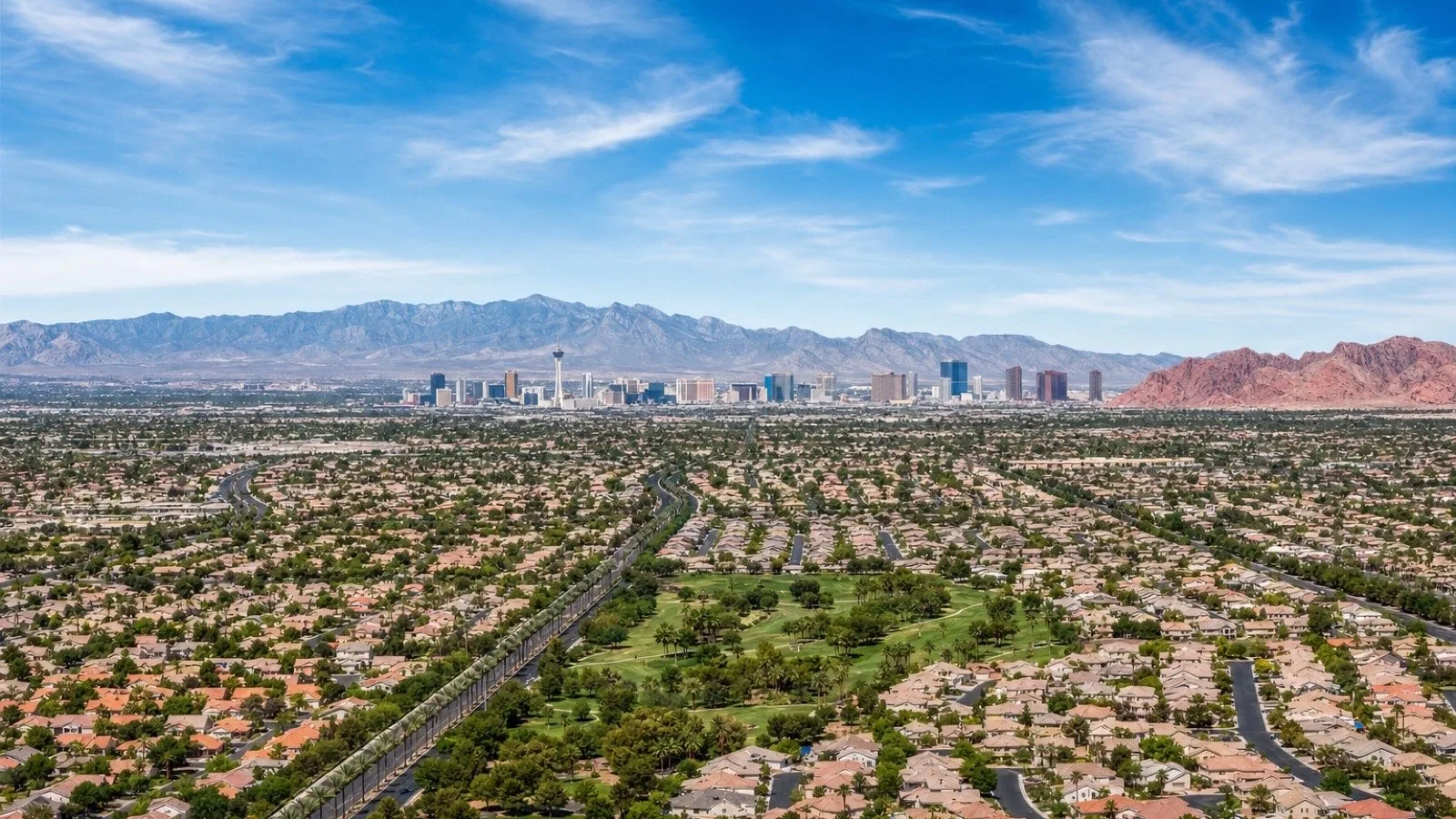
The choice between coating a worn roof and replacing it comes down to a handful of tests, and none of them can be run from the parking lot. Whitney is an unincorporated Clark County town in the eastern Las Vegas Valley, with a planning area the county puts at about 22 square miles. Commercial owners in Whitney, NV who see a chalked, cracked or patched surface want to know how much life is left and what it costs to extend it. We answer with evidence: adhesion tests on the existing membrane, moisture mapping of the insulation, a seam and flashing survey and a drainage review. The results sort the roof into one of three paths. A roof coating restoration fits only one of them.

Tests: what the roof has to pass before a coating
A coating is a surface treatment. It seals and protects what is already there, so the roof underneath must be sound. Four tests tell us whether it is.
First, moisture. An infrared scan and test cuts show whether insulation is wet. Coating over trapped water locks the moisture in and shortens the life of the whole assembly. Second, adhesion. We clean a small test area and check how a sample of the coating bonds to the existing surface. Third, condition. Seams, laps and flashing must be intact or repairable, because a coating cannot bridge open joints. Fourth, drainage. Ponded areas wear coatings quickly, so low spots need correction first.
If the roof passes, the owner has a restoration path with a clear scope: clean, repair, prime, coat and detail. If it fails one test, we explain which and what it takes to fix. If it fails several, replacement is likely the better value.
The results go into a one-page summary: what passed, what failed, what each failure would cost to correct and which path the roof supports. The owner can then compare a coating program against replacement on the same facts, including the maintenance each one asks for over the following years.
Commercial Roofing Questions
Which test most often rules out a coating?
Moisture. Wet insulation under a membrane means the roof needs section repair or replacement before any coating goes on. Surface condition alone cannot show that, which is why we scan and cut.
Silicone or acrylic, how is the choice made?
By drainage and the existing surface. Roofs that hold water tend to favor silicone. Well-drained roofs can use acrylic. Compatibility with the current membrane decides the rest.
How much service life does a coating add?
It extends the service of a sound roof, but the extension depends on preparation, thickness and maintenance. We describe the expected scope of service in the proposal without promising a number of years.
What happens if it rains during coating work?
Wet coating can wash out or fail to cure, so we watch forecasts and stop before an approaching cell. Applied areas are checked for cure before the crew leaves.
Can a roof be coated more than once?
Often yes, if the earlier coating is still bonded and the surface is clean. Adhesion tests decide, and thick buildup from repeated coats can create its own problems.
More Roofing Detail
COMMERCIAL ROOFING IN NORTH LAS VEGAS, NEVADA
Coating types: silicone, acrylic and what each suits
Silicone and acrylic coatings behave differently. A silicone roof coating sheds standing water well and holds up where ponding cannot be avoided, though it attracts dirt and needs the right primer on some surfaces. An acrylic roof coating is reflective and economical on roofs that drain well, though it is not meant for standing water. Neither is the answer for every roof.
Compatibility with the existing membrane matters. Some surfaces need a primer or a specific coating chemistry, and an incompatible product can blister, peel or fail early. When the surface is unknown, we test a small area before specifying the system.
Coating thickness drives performance. A coating applied thin to save cost wears fast and fails at the details first. We specify the coverage and verify it in the field, and the record notes it so the owner knows what was installed.
Edges and penetrations get extra attention. A fabric-reinforced base coat at seams, curbs and drains adds strength where movement is greatest, and the finish coat goes over it. Skipping reinforcement at those points is a common reason coated roofs leak first at the details.
Sun and reflectivity: what the surface does all summer
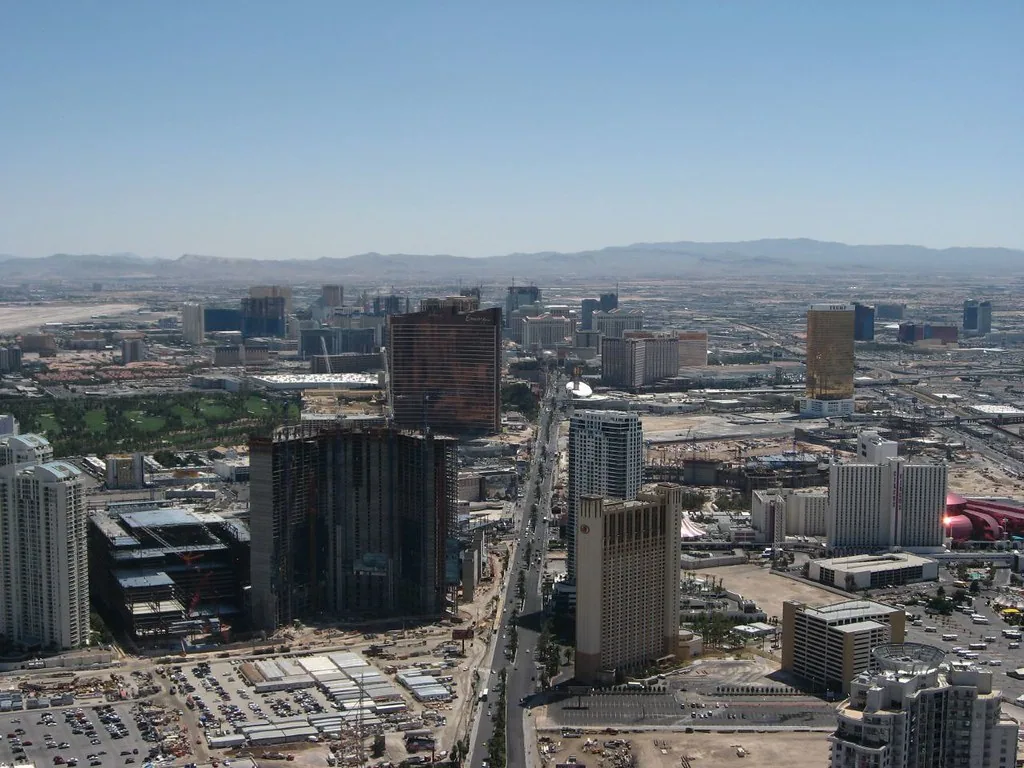
Long stretches of sun define the valley, and summer monsoon storms add wind and fast, heavy rain on top. Those are regional conditions around Whitney, not findings about any one roof. They do point to how a coating earns its keep. A reflective surface runs cooler than a dark one, which reduces thermal movement at seams and flashing and can ease the load on cooling equipment below.
Reflectivity fades. Dirt, dust and weathering reduce it over time, and a restoration plan should include periodic cleaning and an inspection of the coating for thin spots. Where energy performance matters, a cool roof installation may be the better choice at replacement time, since a white membrane starts reflective and needs no coating to achieve it.
The decision is partly financial. A coating extends the existing roof at a lower cost than replacement, but it adds maintenance, and the clock on the underlying membrane keeps running.
Preparation: the repairs that come before the coat
Preparation is most of the work. The surface is cleaned, often by pressure wash, and allowed to dry. Loose material is removed. Seams are repaired or reinforced. Flashings are rebuilt or sealed, and penetrations are detailed. Open cracks and blisters are cut out and patched. Rusted metal is treated and primed.
Skipped preparation shows up quickly, with peeling at the seams, bubbling over wet spots and failure at the flashing. That is why proposals that price only the coating by the square foot miss the real cost. We list preparation items separately so the owner can compare bids on the same basis.
Drainage corrections belong here as well. Where a pond holds water, a cricket, a new drain or a scupper may be needed before the coat goes on. Skipping that step leaves the coating to carry a load it was not meant to bear.
Schedule: weather windows and tenant hours
Coatings need dry surfaces and suitable temperatures, and monsoon season can interrupt a schedule. We plan the work for a stable window, order materials in advance and keep a day-by-day sequence that can shift when a storm cell approaches. Each shift ends with the open area coated, cured enough to resist water and photographed.
Tenant hours shape the sequence. Odor, noise and traffic on the roof are scheduled with the property manager. Rooftop equipment shutdowns are agreed in advance, and fresh-air intakes are protected during application.
County permits may apply to larger scopes. Before the scope is final, owners should look up the project address on the county's current land-use map and confirm which agency reviews work there.
Record: a restoration file for the next review
At closeout, the owner receives photographs of each stage, the materials and coverage installed, the test results and a list of items to watch. The file also sets an inspection interval, since a restored roof deserves a schedule: a check after the first storm season and then at regular intervals. Owners with roofs in Sunrise Manor or Winchester and Paradise receive the same file format.
To start, share the roof plan, past repair records, the coating history if known and the access rules. We will run the tests and tell you which path the roof supports.
Find Out If Your Whitney Roof Can Be Coated
Share the roof plan, repair history and any prior coating details. We will run the moisture and adhesion checks and tell you whether coating, repair or replacement fits the roof.