

Roof repair, coating and replacement in the 18b Las Vegas Arts District, NV, with skylight, equipment and drainage checks for low-slope commercial buildings.
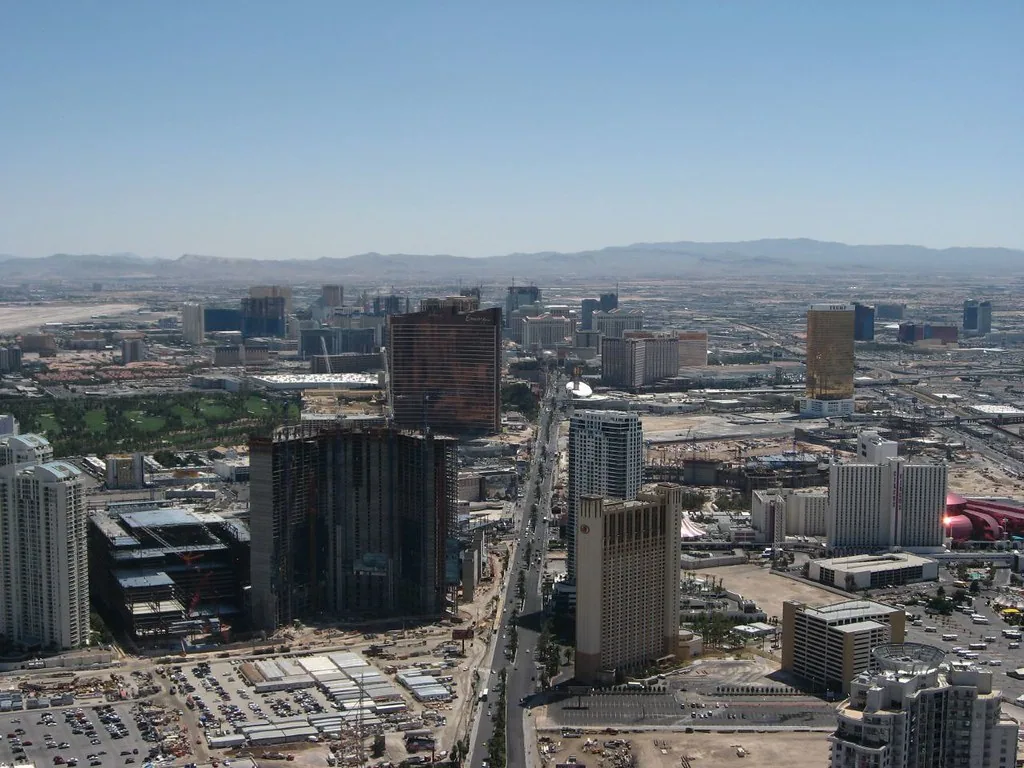
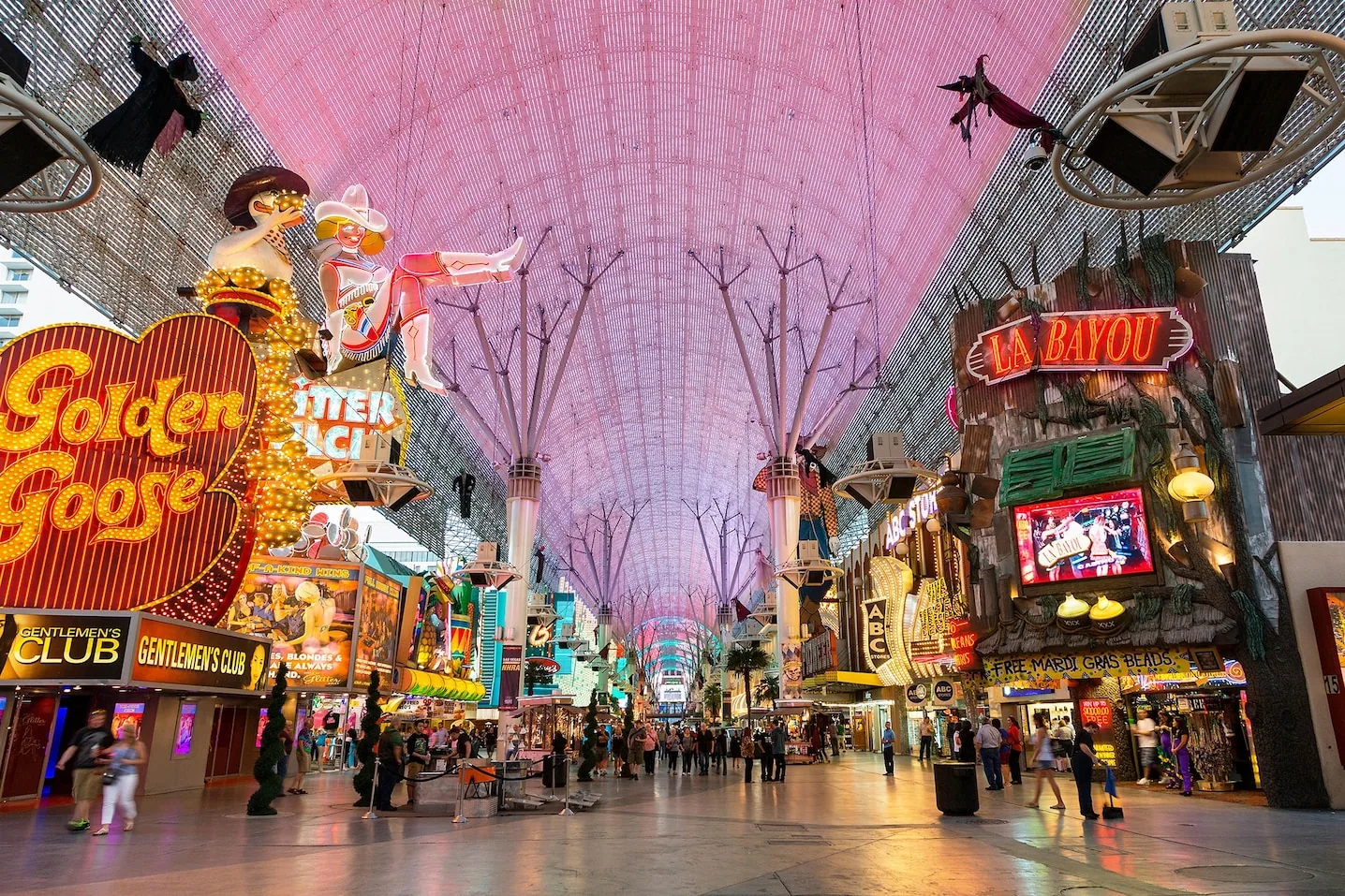
Skylight curbs, rooftop condensers and a single drain at the low corner decide more leaks than the field of the membrane does, and that is where a walk on any low-slope building in the 18b Las Vegas Arts District should start. The City of Las Vegas names 18B Las Vegas Arts as one of twelve districts in its downtown master plan, and city visitor guidance still lists the Arts District as a downtown destination. A building that draws visitors has a roof with penetrations, public-facing hours and neighbors on every side. We map those penetrations, record the seams and flashing around each, and then say whether the owner needs a leak repair, a coating or a new assembly.
Skylights and openings: where the roof is cut
Every opening in a roof is a place where the membrane stops and a manufactured detail takes over. A skylight, a hatch, a vent stack or a smoke vent sits on a curb, and the curb is flashed with a counterflashing, sealant or a liquid-applied resin. Heat and ultraviolet light break those materials down faster than they break down the field, so the details age ahead of the roof around them.
On the walk we press on sealant lines, look for open laps in flashing, check that curb caps shed water away from the opening and see whether the glazing frame has pulled loose from its curb. A weeping skylight can look like a membrane failure from inside, so the interior mark is traced back before any patch goes on. Our skylight and penetration flashing work rebuilds the detail instead of smearing mastic over it, because mastic cracks under repeated heat cycles and leaves the same opening behind.
Commercial Roofing Questions
Why do skylight and curb leaks show up before field leaks on a low-slope roof?
The curb flashing and sealant take the full load of sun and movement, and they are made of materials that age faster than the membrane beside them. Water finds the first opening in that detail and runs inside. We rebuild the flashing with proper laps and counterflashing, because a coat of mastic over a cracked detail only lasts until the next hot stretch.
How do you separate a membrane failure from an equipment penetration leak?
We trace the interior mark back along the deck to the nearest unit, pipe, drain or curb, then examine that detail under magnification and with a water test where the roof allows it. The membrane field is probed only after the details clear. Treating the wrong source costs the owner a second repair and a second ceiling stain.
Does a chalky white membrane need to be replaced?
Not by itself. Chalking is a surface symptom of years of sun. What matters is whether seams are tight, flashing is intact and the insulation tests dry. If those hold, a wash and a restoration coat can extend the roof's service. If the insulation is wet in places, those areas are cut out first and the coat goes over the rest.
What can a building owner prepare before the first roof walk?
Roof plans, past repair invoices, leak dates, photographs of interior stains and a list of equipment changes shorten the walk and sharpen the scope. Access details matter as well: who holds the roof hatch key, whether a lift can stand near the building and when the property is quietest. With those in hand, the inspection can answer a specific question.
How does the July and August monsoon change when roof work should be scheduled?
Storms in those months bring gusts and heavy, short rain, so sections stay small and open areas are dried in every shift. Larger tear-off sections are better placed in the steadier weeks of spring and fall, although those seasons have their own wind events. The forecast is checked each morning and materials are staged only for that day.
More Roofing Detail
COMMERCIAL ROOFING IN NORTH LAS VEGAS, NEVADA
Equipment and supports: weight, curbs and line sets
Rooftop units and exhaust fans change over the life of a building. A unit gets replaced, a larger one lands on the old curb, a refrigerant line is added across the membrane, and nobody updates the roof plan. Each change is a possible water path, so we compare what is standing on the roof with what the plan shows.
The checks are practical. Does the curb have a continuous flashing that laps up the sides? Are the pads and pipe supports bearing on a protection layer, or are they sitting directly on the membrane and wearing it through? Do condensate lines drain onto the roof surface and stain or soften it? Where support points are wearing, we fit walk pads and sleepers. The wider scope is covered by equipment curb and support work, and any change to a curb is photographed before and after for the building file.
Surface and reflectivity: reading what summer has done
A white or light membrane in the Las Vegas Valley is working against heat all day. Over the years the surface chalks, dirt collects in low spots and seams grow dark where grime is trapped. We rub the surface, look at how the lap edges have held and probe seams near the drains. Chalking by itself does not mean failure. A membrane with chalk but tight seams and clean flashing can often be washed and recoated.
When the owner wants lower roof temperatures, a cool roof surface is one route, and a restoration coat is another. Which one fits depends on the substrate, the condition of the insulation and the remaining life of the membrane. A coat over wet insulation seals moisture in, so a moisture survey comes ahead of any restoration decision.
Access and public exposure: planning around visitors
A building in a destination district may have customers at the door, delivery vehicles at the back and neighbors close on the side. Staging a crew in that setting takes thought. We ask where a lift or hoist can stand, which sidewalk or alley stays open, what hours the loud work can run and where debris can be dropped and hauled out.
Fall protection and clear ground below the roof edge matter more when people pass beneath. Perimeter work, such as edge metal and coping, goes into a window when foot traffic is lightest. Event days, deliveries and tenant hours are written into the schedule, and any day that conflicts is moved. The crew leaves the roof closed up each evening, so a late storm does not find an open section.
Material handling needs the same care. Rolls of membrane, insulation boards and pails of adhesive are heavy and flammable, so they are lifted in the early hours, stored away from public ways and tied down against the gusts that sweep the valley in the shoulder seasons. One loose board can travel a long way in a gust, and blowing grit fouls an adhesive surface when a seam is left uncovered. A clean, dry, covered substrate is a condition of every bond we make.
Record: what the building keeps after the visit
The deliverable from a first walk is a set of photographs tied to a sketch of the roof zones, a list of defects by location and a plain statement of what each costs to fix, sorted into repairs that stop water now and items that can wait for a budget cycle. Owners of several properties, such as those near Fremont East or Symphony Park, can lay one report beside another and compare condition by building.
That file also supports preventive maintenance. Drains are cleared before monsoon season, sealant lines are checked before the peak of summer heat and the roof is walked after any large storm. The record shows which items were finished, so the next manager does not start from nothing.
Send the plan, the stain photos and the access rules
Share the roof plan, repair history, equipment changes and visitor-hour constraints for the building, and we will walk the roof to answer one defined question before any scope is priced.