
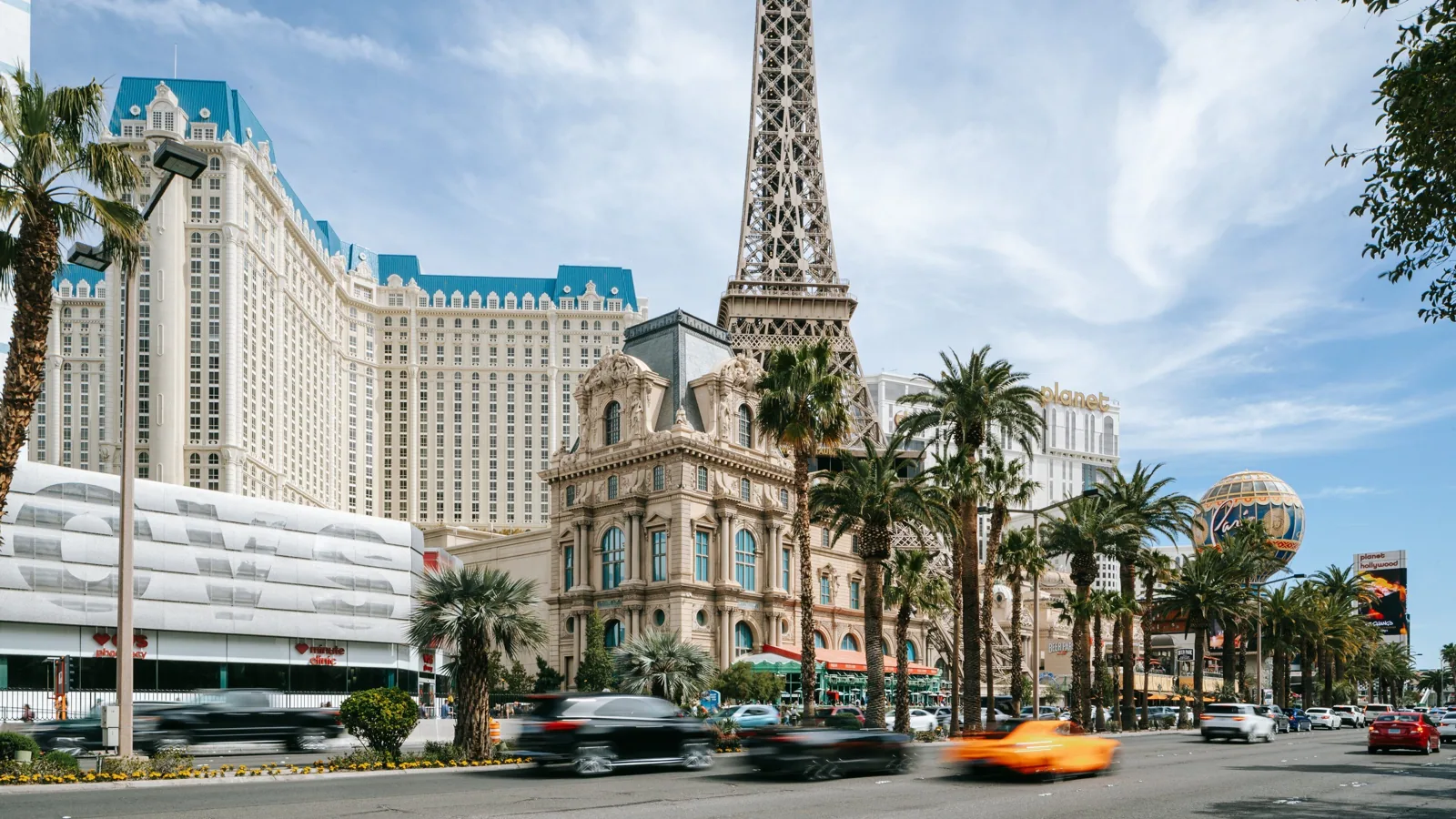
Commercial roof inspection and repair planning for buildings in the Resort and Casino District, Las Vegas, NV, with heat, wind and monsoon exposure in view.
Roof work above a building that never fully closes starts with the clock, not the membrane. The Resort and Casino District is named as one of the downtown districts in the City of Las Vegas Vision 2045 plan, and a name like that raises a fair question about operating hours before any roofing question. We treat the label as geography only. It does not tell us which buildings sit in the district, what their roofs are made of, or how they are holding up, so the inspection has to establish the roof zones, the water entry paths and the access rules before anyone picks a scope or a price.
Facility leads and general contractors across the Las Vegas Valley, including North Las Vegas, NV, bring us low-slope and metal roofs for inspection, repair, recovery or replacement. A roof plan, access rules, leak dates and the repair history are what turn the inspection into an answer to a defined question.
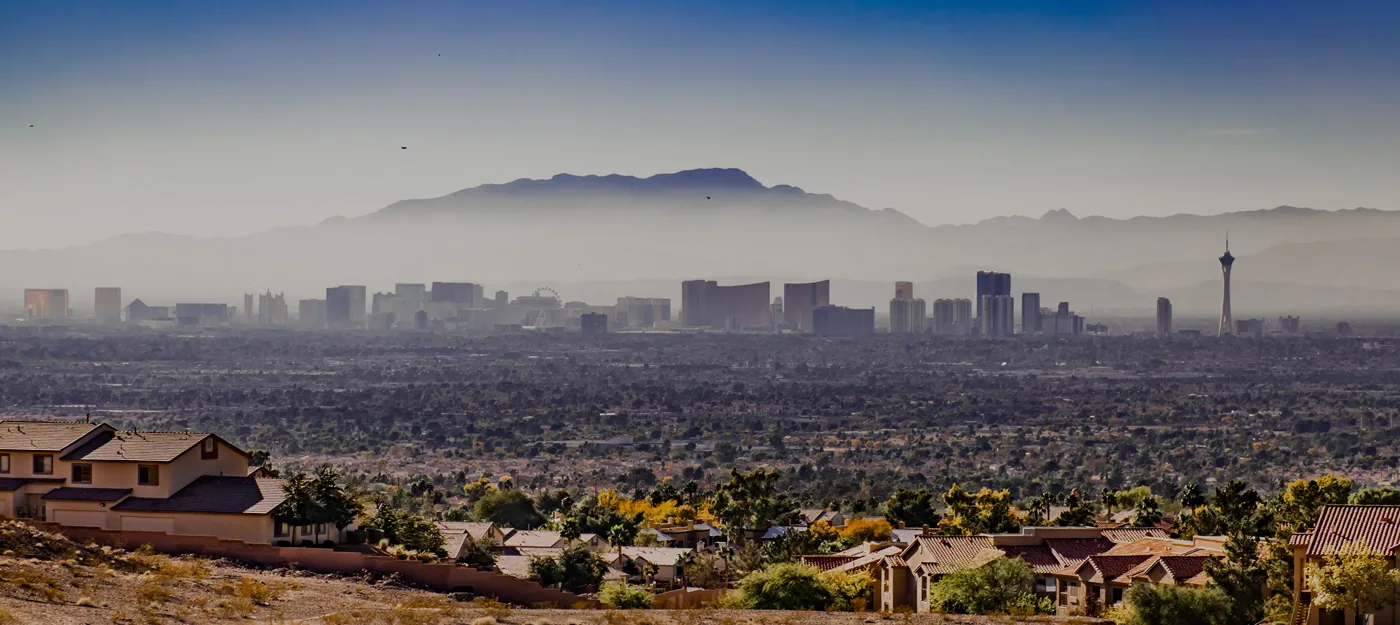
District label: geography without a roof diagnosis
The district belongs to the City of Las Vegas downtown planning vocabulary, not to North Las Vegas, and we use it the same way a facilities team would use a neighborhood name: to locate a property in conversation. North Las Vegas planning material, which sorts place labels into planning areas, employment districts and gateways, is explicit that its labels are area-level context and not parcel zoning. The same caution applies here. A district name does not confirm current zoning, building age, roof type or ownership.
What the name can reasonably prompt is a list of questions that apply to any large commercial building with continuous operations. Are there several roof levels? Is rooftop equipment running around the clock? Do guests or occupants sit directly beneath the work area? Is there a loading route that must stay clear? We ask those questions at the start and answer them from the property, not from the label.
Commercial Roofing Questions
Does the district name tell you what roofs are there?
No. A district name puts a property on a downtown planning map and stops there. What the roof is, how old it is and what shape it is in come from drawings, repair history and a walk over every zone.
Can roof work happen while the building stays open?
Often it can, with phased openings, approved noisy hours, protected entrances and a leak response line. The access window decides how much of the roof can be opened at one time.
What decides whether wind damage is a repair or a bigger problem?
The attachment evidence. A lifted coping or a few pulled plates can be a local repair. Widespread weak fastening along a perimeter points toward reinforcement across that whole zone.
How is a ponding area after a monsoon storm evaluated?
We measure how long the water stays, trace its path to the outlet and check the drain itself. Moisture testing then shows whether water has reached the insulation under the pond.
What should be sent to start the inspection?
Drawings, access rules, leak dates, repair history, equipment changes and operating hours. With those in hand the inspection targets one question and skips the broad survey.
More Roofing Detail
COMMERCIAL ROOFING IN NORTH LAS VEGAS, NEVADA
Roof zones: separating the levels before pricing
Where a building steps up and down, each level is its own roof zone. A low podium roof, a mid-level terrace roof and a high main roof take sun, wind and rain differently, and they often drain to different places. We number the zones, photograph each one and record the surface, the seam condition, the flashings at walls and curbs, the edge metal, the penetrations and the drains.
Equipment is the next variable. Rooftop units, exhaust fans, ducts and supports sit on curbs and pads that each have their own flashing, and every one is a place where a membrane can lift, split or stop sealing. A curb and equipment support that was moved during a mechanical upgrade deserves a closer look, because the membrane was usually cut and reflashed around it. The zone map lets a general contractor see which roof area a given item sits on and which trade owns it.
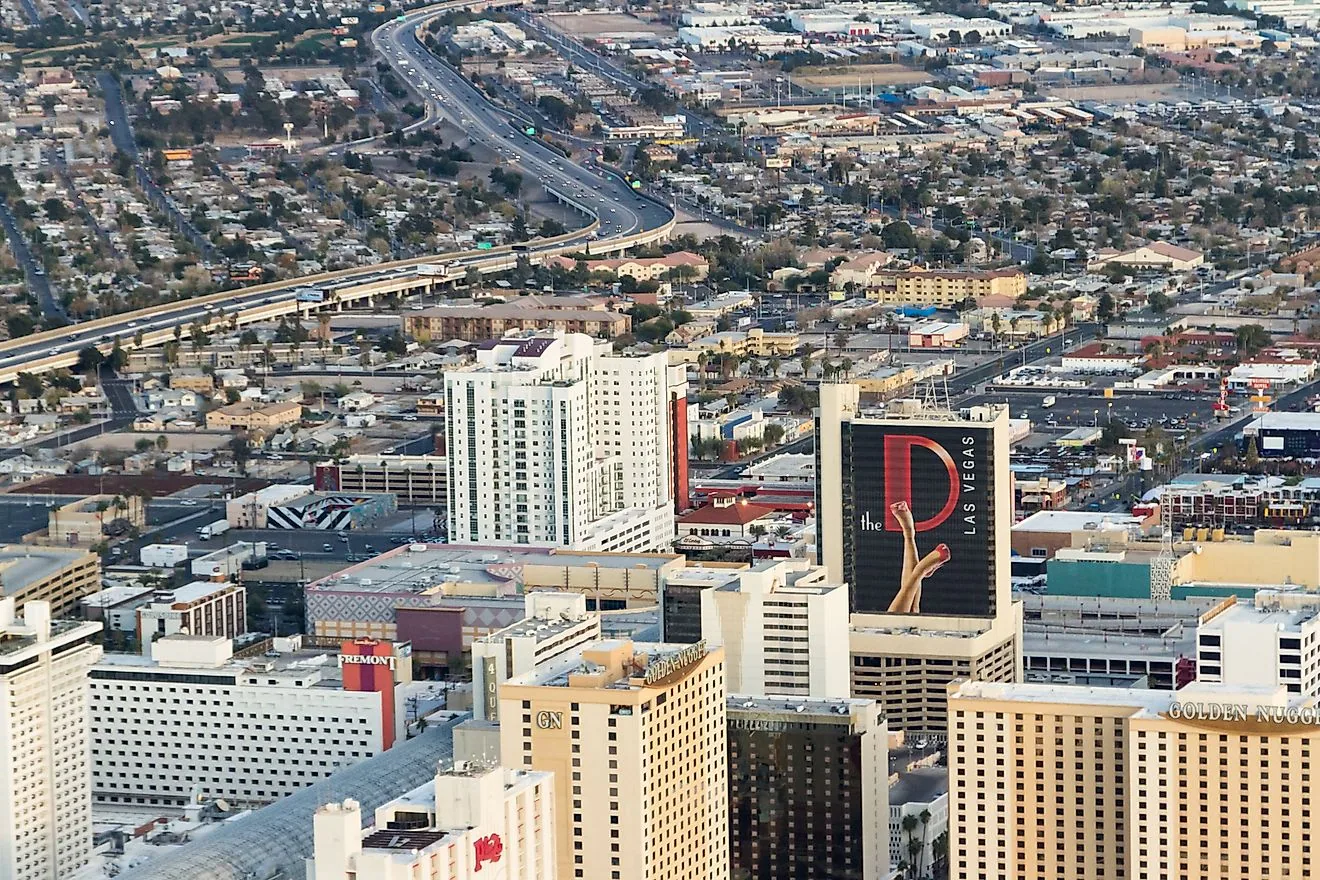
Heat exposure: surfaces that bake daily
The airport weather station at Harry Reid International, in the south valley, lists 70.1°F as its annual mean and 4.18 inches as its annual precipitation in the 1991 to 2020 normals. These are regional station values and should not be read as measurements for the district, but they describe a hot, dry setting where surfaces see long hours of direct sun. Sealants stiffen, coatings chalk, thermoplastic sheets lose flexibility and metal panels expand and contract every day.
We look for surface chalking, shrinkage at walls, hardened sealant, lifted laps and backed-out fasteners. For a roof that has aged but stayed watertight, a roof coating restoration may be the next conversation, provided the substrate tests dry and the seams and flashings are repaired first. For a roof with embrittled sheet and many open details, the comparison moves toward recover or replacement, and the record shows why.
Wind uplift and monsoon water: where edges and drains get tested
Weather Service guidance puts monsoon moisture over the Mojave Desert in July and August, with thunderstorms that can combine gusts and heavy rain and flood normally dry washes and low areas. Spring and fall bring windier spells, though gusts above 50 mph are rare. For a roof, that mix means two tests: a quick, intense rain that every drain, scupper and overflow must pass, and gusty air that works on edges, copings and the first rows of fasteners.
On a taller or more exposed building, wind uplift is a perimeter question. We check coping attachment, edge metal laps, membrane terminations and the field fastening near corners. For water, we follow the drainage path from the farthest low point to the outlet, check strainers, sumps and overflow heights, and note anything that crosses the flow route, such as a pipe support or a curb. A ponding problem after storms is a drainage question first and a membrane question second.
Access window: working around continuous operations
Census QuickFacts lists $794.934 million of accommodation and food-services sales in North Las Vegas for 2022, a citywide figure that says nothing about this district. Whatever a building's use, we plan for the possibility that guests and staff are inside around the clock. We schedule noisy work for approved hours, protect entrances and the spaces below the work area, route debris away from public paths and set up a leak response line before the roof is opened.
Night work, weekend work and phased openings all cost more than a standard weekday shift, and the extra cost is shown as its own line. Hoisting is another item that often sets the schedule. A crane or lift near a public route may need traffic control, a permit or a restricted window, and we confirm those items with the property team early. For multi-building owners, an occupied building reroofing plan can order the work so most of the property stays open, and the same sequencing logic applies to properties in the 18b Las Vegas Arts District or Symphony Park.
Repair boundary and next steps: what the record decides
The inspection ends with a boundary drawn on evidence. Dry insulation and isolated defects point to a focused commercial roof repair. A sound, dry substrate under an aged surface points to a recover. Wet insulation across a wide area points to replacement of that area after an infrared moisture survey and cores confirm the extent. We record all of this by roof zone with photographs, so a repair can be limited to the zone that needs it.
Code and permit steps follow the scope. The state adopted the 2024 energy conservation code, yet the local building and energy rules for the property still need to be confirmed before design or permit. Neighboring-city planning documents list redevelopment areas along corridors such as Charleston Boulevard and Sahara Avenue, which is a reminder that requirements can differ by jurisdiction, so we confirm the one that applies to the property.
Afterward, a preventive roof maintenance visit before and after monsoon season keeps drains clear and gives the facility lead a dated record to compare.
Set the access window and the roof question
Send the roof plan, access rules, leak dates, repair history, equipment changes and operating-hour limits. We will map the roof zones and return a written inspection and repair sequence.